
Best Sunscreen for Dark Skin No White Cast UK: 2026 Guide
Best sunscreen for dark skin no white cast UK — why white cast happens, mineral vs chemical filters, and UK picks with £ prices that leave no grey tint.
Read More arrow_forwardSeven gentle vitamin C serums for sensitive skin, with UK prices, derivative guidance and a safe patch-test routine for reactive complexions.
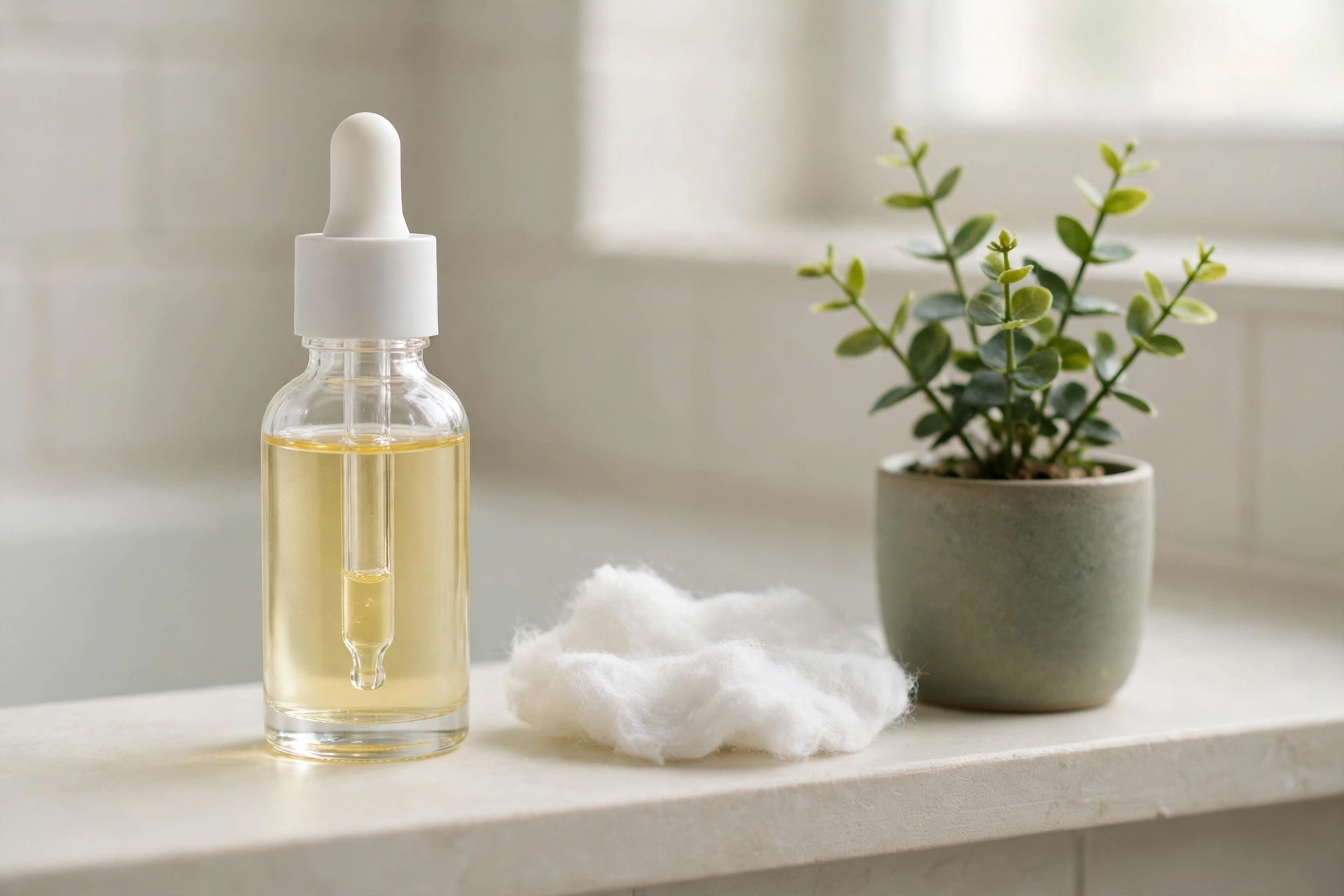
If you have ever tried a brightening serum only to end up red, tight and blotchy by lunchtime, you are not alone. Finding the best vitamin c serum for sensitive skin uk shoppers can actually tolerate is a very different task from picking the strongest formula on the shelf. Sensitive skin does not need more potency. It needs the right derivative, at the right concentration, in a soothing base, introduced slowly enough that your barrier stays calm while the glow builds.
Vitamin C is still worth the effort. Used well, it brightens dullness, softens the look of dark spots left after breakouts, supports collagen, and adds antioxidant protection against daily pollution and UV-related damage. The trick is choosing a formula designed for reactive skin rather than forcing a high-strength, pure ascorbic acid serum onto a complexion that was never going to enjoy it. This guide explains exactly how to do that, compares seven gentle picks you can actually buy in the UK, and gives you a realistic introduction routine that avoids the sting-and-quit cycle so many sensitive-skinned people know too well.
What Makes Vitamin C Irritate Sensitive Skin
Pure vitamin C, known as L-ascorbic acid, is famously effective and famously fussy. To stay stable and penetrate skin, it is usually formulated at a low pH, often between 2.5 and 3.5, and at concentrations of 10 to 20 percent. That acidic, potent combination is a recipe for tingling, redness and flaking on skin whose barrier is already compromised. Add fragrance, drying alcohols or a watery base that evaporates quickly, and irritation becomes almost inevitable.
Sensitive skin also reacts to more than the active itself. Many vitamin C serums contain penetration enhancers, essential oils or preservatives that trigger reactivity. If your skin flushes easily, stings when you apply ordinary moisturiser, or flares with rosacea, eczema or perioral dermatitis, the formula around the vitamin C matters just as much as the percentage on the front of the bottle. That is why dermatologists so often steer sensitive-skinned patients towards vitamin C derivatives rather than pure ascorbic acid, and why a short, simple routine usually beats a ten-step one when your skin is reactive.
There is also a timing issue. Vitamin C is an active ingredient, and layering it on top of exfoliating acids, strong retinoids or a harsh cleanser on the same morning multiplies the chance of irritation. A gentle approach means separating strong actives, keeping your cleanser mild, and always pairing vitamin C with a good moisturiser and, in the daytime, sunscreen. If your skin is currently in an active flare, with open, cracked or weeping areas, or a diagnosed condition that is not under control, pause new actives and seek advice from your GP or a dermatologist before introducing anything new. A serum can wait. Your barrier cannot be rushed.
Best Vitamin C Serum for Sensitive Skin UK: Gentle Derivatives Explained
If pure ascorbic acid is the sports car of vitamin C, derivatives are the comfortable, reliable family cars. They convert to ascorbic acid gradually once absorbed, which means a slower, steadier release and far less sting. They are also more stable in the bottle, so they are less likely to oxidise, turn orange and lose potency halfway through use. For sensitive skin, that stability and gentleness is a genuine advantage, not a compromise.
Ethyl ascorbic acid, sometimes listed as 3-O-ethyl ascorbic acid, is one of the most popular gentle options. It is oil- and water-soluble, penetrates well, and is effective at lower concentrations, often around 3 to 10 percent. Many people who cannot tolerate pure ascorbic acid find ethyl ascorbic acid perfectly comfortable, and it pairs well with hydrating ingredients such as glycerin and panthenol.
Sodium ascorbyl phosphate, usually shortened to SAP, is another sensitive-skin favourite. It is water-soluble, very stable, and has the bonus of some evidence for helping with blemish-prone skin, which makes it a good choice if your sensitivity comes with congestion or occasional breakouts. It is typically used at 1 to 5 percent, though some formulas go higher without the same sting as pure acid.
Ascorbyl glucoside is a glucose-bound form of vitamin C that releases slowly in skin. It is exceptionally gentle, works well in water-based serums, and is a common choice in pharmacy and high-street formulas aimed at reactive skin. It needs an enzyme in skin to convert it, so results build gradually over weeks rather than days, but that patience is rewarded with far less redness.
Other derivatives worth knowing include ascorbyl tetraisopalmitate, an oil-soluble form that suits dry, sensitive skin beautifully in a light facial oil or cream-serum texture, and magnesium ascorbyl phosphate, a stable, gentle form often found in hydrating formulas. You do not need to memorise all of these. The practical rule is simple: if the ingredients list leads with a derivative rather than ascorbic acid, and the formula is fragrance-free with soothing ingredients, it is a far safer starting point for sensitive skin.
When comparing formulas, also look at what sits alongside the vitamin C. Vitamin E and ferulic acid can stabilise vitamin C and boost antioxidant protection, but ferulic acid can occasionally irritate very reactive skin, so a formula without it may suit you better at first. Hyaluronic acid, glycerin, ceramides, allantoin and centella asiatica are all welcome companions. Fragrance, including essential oils such as citrus oils, and drying denatured alcohol are red flags for sensitive skin, even when the vitamin C itself is gentle.
How to Choose the Best Vitamin C Serum for Sensitive Skin UK
Choosing well starts with honesty about your skin. Is your sensitivity constant, or does it flare with weather, stress, illness or over-exfoliation? Do you have rosacea, eczema or dermatitis, or simply skin that flushes and stings easily? The more reactive your skin, the lower you should start: a derivative at a modest concentration, used every other day, in a hydrating base. You can always increase frequency later. You cannot undo a barrier flare quickly.
Texture matters too. Dry, sensitive skin often loves a slightly richer serum or a vitamin C facial oil, because the emollient base cushions the active. Oily, sensitive or combination skin usually prefers a light, water-based gel-serum that layers neatly under moisturiser without pilling. If you wear makeup, test how the serum sits under your usual base, because pilling is one of the most common reasons a good serum gets abandoned.
Price and availability matter in real life, not just in theory. A serum you can repurchase easily from Boots, Superdrug or Cult Beauty, without international shipping or customs surprises, is one you will actually keep using. All seven picks below are available through UK retailers, and prices quoted are typical high-street or online UK prices at the time of writing. Always check the retailer's current price before ordering, as promotions change frequently.
Finally, check the packaging. Vitamin C hates light and air. An opaque, airtight pump bottle or a dark glass bottle with a dropper you use quickly and store away from sunlight will keep your serum fresher for longer. If a serum has turned dark orange or brown, smells metallic or hot, or has changed texture, it has oxidised and should be replaced. An oxidised serum is not just less effective; it can be more irritating.
Best Vitamin C Serum for Sensitive Skin UK: 7 Gentle Picks Compared
The table below gives a quick at-a-glance comparison. Full notes on each pick follow, including who it suits best and what to watch for.
Product | Key vitamin C form | Typical UK price | Best for | Where to buy in the UK
La Roche-Posay Pure Vitamin C10 Serum | Pure ascorbic acid 10% with salicylic acid | £38.00 | Dull, slightly sensitive skin that tolerates a low pure-acid dose | Boots, Superdrug
CeraVe Vitamin C Serum | Ascorbyl glucoside 10% with ceramides | £20.00 | Barrier-compromised, dry sensitive skin | Boots, Superdrug
The Ordinary Ethylated L-Ascorbic Acid 15% Solution | Ethyl ascorbic acid 15% | £13.50 | Budget-friendly glow for mildly sensitive skin | Boots, Cult Beauty
Paula's Choice C15 Super Booster | Ascorbic acid 15% with vitamin E and ferulic acid | £49.00 | Experienced users wanting potency with soothing support | Cult Beauty, Paula's Choice UK
Mad Hippie Vitamin C Serum | Sodium ascorbyl phosphate with vitamin E and ferulic acid | £34.00 | Fragrance-conscious, vegan-friendly routines | Cult Beauty, Amazon UK
Indeed Labs Vitamin C24 | Ethyl ascorbic acid with 24% stabilised blend | £19.99 | Dullness and uneven tone on a budget | Boots, Superdrug
BYOMA Brightening Serum | Ascorbyl glucoside with tri-ceramide complex | £14.00 | Young, reactive or barrier-stressed skin | Selfridges, Cult Beauty
La Roche-Posay Pure Vitamin C10 is the gentlest entry point into pure ascorbic acid. At 10 percent, rather than 15 or 20, and with neurosensine and a light salicylic acid touch, it suits sensitive skin that is dull and a little congested but not actively flaring. Use it every other morning at first, and skip it on days you use a strong exfoliant. At around £38.00 from Boots, it is a mid-range investment that lasts well because you need only a few drops.
CeraVe Vitamin C Serum is arguably the safest all-rounder on this list for truly sensitive skin. Its ascorbyl glucoside is gentle, its three essential ceramides support the barrier, and its fragrance-free, non-comedogenic formula is designed not to provoke. At around £20.00 from Boots or Superdrug, it is also excellent value. It is less dramatic than a high-strength acid serum, but for daily, drama-free brightening, that is exactly the point.
The Ordinary Ethylated L-Ascorbic Acid 15% Solution punches far above its £13.50 price. Ethyl ascorbic acid is well tolerated by many sensitive-skinned users, and the water-free, oil-like texture suits normal to dry skin. It can feel slightly slick, so let it absorb for a minute before moisturiser. If your skin is very reactive, start with three mornings a week and build up, rather than diving straight into daily use.
Paula's Choice C15 Super Booster is the pick for sensitive-skinned users who have already tolerated vitamin C and want more visible brightening. It uses 15 percent pure ascorbic acid, so it is the strongest formula here, but it is buffered with vitamin E, ferulic acid and skin-soothing ingredients, and it is fragrance-free. At around £49.00 from Cult Beauty, it is a considered purchase, best for skin that is sensitive in the mild, easily flushed sense rather than skin with active eczema or rosacea flares.
Mad Hippie Vitamin C Serum has a loyal following among sensitive-skinned users for good reason. Its sodium ascorbyl phosphate base is gentle, it is vegan and cruelty-free, and it layers hyaluronic acid, vitamin E and ferulic acid into a light serum that absorbs quickly. At around £34.00, it is a strong middle-ground option, especially if you prefer a clean-leaning formula without synthetic fragrance.
Indeed Labs Vitamin C24 is a budget hero at around £19.99 from Boots. Despite the name, its stabilised ethyl ascorbic acid blend is designed for gradual release, and the lightweight texture suits combination and oily sensitive skin well. It is a good choice if your main concerns are dullness and post-blemish marks, and you want a daily serum that does not feel heavy under sunscreen and makeup.
BYOMA Brightening Serum, at around £14.00, is the gentlest, most barrier-focused pick for younger or easily overwhelmed skin. Its ascorbyl glucoside works alongside a tri-ceramide complex, cholesterol and fatty acids, which is a genuinely skin-friendly combination for a barrier that needs support. If every active you try seems to sting, start here, use it every other day, and give it a full month before judging results.
A note on layering: if you already use niacinamide, you may be wondering whether the two ingredients can share a routine. The short answer is yes, for most people, especially when the vitamin C is a gentle derivative. Our guide to can you use niacinamide and vitamin C together explains the order, timing and combinations that keep both ingredients effective without irritation, and it is well worth reading before you build your morning routine around both.
How to Introduce Vitamin C and Patch Test Safely
Even the gentlest serum deserves a proper introduction. Start with a patch test: apply a small amount behind your ear or along your jawline once a day for three to five days. If you develop persistent redness, itching, swelling or small bumps, stop and try a different derivative or a lower concentration. A brief, mild tingle that fades within a minute is common with pure ascorbic acid, but ongoing burning, tightness or flaking is your skin asking you to slow down.
Once the patch test is clear, use the serum every other morning for two weeks. Apply it to clean, slightly damp skin after cleansing, using three to four drops for the whole face, then follow with moisturiser and sunscreen. After two comfortable weeks, you can move to daily use if you wish. If you notice dryness or flaking at any point, drop back to every other day and add a richer moisturiser rather than pushing through. Progress with sensitive skin is measured in calm, consistent weeks, not dramatic overnight change.
Keep the rest of your routine simple while you introduce vitamin C. Use a gentle, fragrance-free cleanser, avoid scrubs and strong peels in the same week, and do not introduce a new retinoid at the same time. If you use prescription treatments for rosacea, eczema or acne, check with your prescriber or pharmacist about where vitamin C fits, because prescription formulas can change how your skin tolerates over-the-counter actives.
Storage also protects your results. Keep your serum in a cool, dark place, close the cap promptly, and do not decant it into a clear container. Some people keep vitamin C in the fridge, which is fine as long as it does not freeze, but a bathroom cabinet away from a sunny windowsill is perfectly adequate for most formulas. Use the serum within the period-after-opening shown on the packaging, usually six to twelve months.
Your Simple AM Routine with Vitamin C
A sensitive-skin morning routine with vitamin C does not need to be complicated. Cleanse with lukewarm water and a gentle cleanser, or simply rinse with water if your skin feels comfortable with that in the morning. Pat, do not rub, your face dry, leaving skin very slightly damp. Apply your vitamin C serum, wait about a minute for it to absorb, then apply a hydrating serum or moisturiser if you need one. Finish with a broad-spectrum sunscreen of at least SPF 30, every single day, even when it is cloudy in the UK. Vitamin C and sunscreen are a team: vitamin C adds antioxidant protection, and sunscreen prevents the UV damage that dulls skin in the first place.
In the evening, keep things restorative. Cleanse gently, apply a barrier-supporting moisturiser, and use any retinoid or exfoliant on alternate evenings, not on top of a morning vitamin C that has already asked a lot of your skin that day. If you have a dedicated rosacea routine, the principles still apply, and our rosacea skincare routine for UK skin walks through gentle cleansing, trigger management and product choices that sit well alongside a mild vitamin C serum.
One more practical tip: apply vitamin C before heavier oils and creams, but after watery toners or essences. If a product pills, you are probably using too much of something, or layering a silicone-heavy product over a water-based serum before it has absorbed. A minute of patience between layers solves most pilling problems without buying anything new.
The most common mistake is starting too strong, too often. A 20 percent pure ascorbic acid serum used daily from day one is the fastest route to redness and a drawer full of abandoned products. Start low, go slow, and let your skin tell you when it is ready for more. The second mistake is combining too many actives at once: vitamin C plus a glycolic toner plus a retinoid plus a scrub in a single week is not a glow-up, it is a barrier breakdown.
The third mistake is skipping sunscreen. Vitamin C brightens and protects, but it is not a substitute for SPF, and sun exposure will undo brightening progress faster than any serum can create it. The fourth is using an oxidised serum because it was expensive and you do not want to waste it. A brown, metallic-smelling serum is past its best, and continuing to use it risks irritation for no benefit. Finally, do not judge a gentle derivative after three days. Derivatives work gradually. Give any new vitamin C at least four to six weeks of consistent, calm use before deciding whether it suits you, and take a photo in the same light each week if you want an honest comparison.
If your sensitivity includes frequent breakouts, congestion or uneven tone, it can help to choose your supporting ingredients deliberately rather than adding products at random. Our round-up of the best niacinamide serums in the UK for 2026 is a useful companion read, because niacinamide is one of the few ingredients that pairs beautifully with gentle vitamin C and helps calm the very redness sensitive skin is prone to.
Key Takeaways
For sensitive skin, vitamin C derivatives such as ethyl ascorbic acid, sodium ascorbyl phosphate and ascorbyl glucoside are usually far better tolerated than high-strength pure ascorbic acid.
Start low and slow: patch test for three to five days, then use your serum every other morning for two weeks before moving to daily use.
Choose fragrance-free formulas with barrier-supporting ingredients such as ceramides, glycerin and panthenol, and avoid drying alcohols and essential oils.
Always pair daytime vitamin C with a broad-spectrum sunscreen of at least SPF 30.
Buy from UK retailers you trust, check that the serum has not oxidised, and store it away from light and heat.
Give a gentle formula four to six weeks of consistent use before judging its brightening results.
If your skin is in an active flare, or you have eczema, rosacea or dermatitis that is not controlled, seek advice from your GP or dermatologist before starting a new active.
Conclusion
The best vitamin C serum for sensitive skin is not the strongest one, and it is not the most expensive one. It is the one your skin actually lets you use, day after day, without protest. For most sensitive-skinned people in the UK, that means a gentle derivative, a fragrance-free and barrier-friendly base, a realistic price from a retailer you can easily repurchase from, and an introduction routine that respects your skin's pace. Start with one of the seven picks above, patch test properly, pair it with sunscreen, and give it time. The glow that comes from calm, consistent skincare lasts far longer than the glow that comes from pushing your skin to its limit.
For authoritative background on skin health and vitamin C, you can also read guidance from the British Association of Dermatologists and the NHS page on vitamin C, and if you want to compare textures and prices in person, Boots and Superdrug both stock several of the formulas above, while CeraVe UK publishes full ingredient lists for its gentle, ceramide-based formulas.
Frequently Asked Questions
Can sensitive skin use vitamin C every day?
Yes, many people with sensitive skin can use vitamin C daily, but only after a gradual introduction. Start every other morning for two weeks, and move to daily use only if your skin stays calm, with no persistent redness, flaking or stinging. If daily use causes irritation, every other day is still effective, especially with a stable derivative formula.
Which vitamin C derivative is gentlest for sensitive skin?
Ascorbyl glucoside and sodium ascorbyl phosphate are generally considered the gentlest derivatives, followed closely by ethyl ascorbic acid. Ascorbyl glucoside releases very slowly and rarely stings, which makes it an excellent first choice for reactive, eczema-prone or rosacea-prone skin. Ethyl ascorbic acid offers a little more visible brightening while still being far kinder than pure ascorbic acid.
Can I use vitamin C with niacinamide if my skin is sensitive?
Yes, in most cases. Modern formulations of vitamin C and niacinamide work well together, and niacinamide can actually help calm redness. Use a gentle vitamin C derivative in the morning and niacinamide either in the same routine, after the vitamin C has absorbed, or in the evening. If you notice flushing, separate them into morning and evening routines rather than abandoning either ingredient.
How long does it take to see results from a gentle vitamin C serum?
Expect subtle brightening within two to four weeks, and more visible improvement in dullness and post-blemish marks after six to twelve weeks of consistent use. Gentle derivatives work more gradually than high-strength pure ascorbic acid, but they are also far less likely to interrupt your progress with irritation flare-ups that force you to stop and restart.
Should I use vitamin C in the morning or at night?
Morning is ideal for most people, because vitamin C provides antioxidant protection during the day and layers well under sunscreen. It can also be used at night if your morning routine is already full, but always pair daytime use with SPF, and avoid combining it on the same evening as a strong retinoid or exfoliating acid when your skin is sensitive.
What should I do if vitamin C makes my skin red?
Stop the serum for a few days and return to a simple cleanser and moisturiser routine until the redness settles. Then try a gentler derivative at a lower concentration, used every other day, or switch to a formula with more barrier-supporting ingredients. If redness persists, spreads, or is accompanied by swelling, itching or a rash, seek advice from your GP, pharmacist or dermatologist before trying another active.
Is expensive vitamin C better for sensitive skin?
Not necessarily. Price often reflects branding, packaging and marketing rather than gentleness. Several affordable UK pharmacy formulas, including CeraVe and Indeed Labs options, are fragrance-free, barrier-supporting and very well tolerated. Choose based on the derivative, the full ingredients list and your skin's response, not the price tag.
Do I still need sunscreen if I use vitamin C?
Yes, absolutely. Vitamin C is an antioxidant, not a sunscreen, and it does not block UV rays. Sunscreen prevents the sun damage that causes dullness, dark spots and premature ageing in the first place, while vitamin C helps brighten and protect against environmental stress. Used together every morning, they are one of the most effective, evidence-supported combinations in skincare.
Best sunscreen for dark skin no white cast UK — why white cast happens, mineral vs chemical filters, and UK picks with £ prices that leave no grey tint.
Read More arrow_forward
Viral K-beauty products at half the price? These affordable K-beauty dupes available in the UK actually work — with £ prices and where to buy them.
Read More arrow_forwardCalculate your Body Mass Index (BMI) in seconds. BMI is a quick screening number…
Use now arrow_forwardFind your daily calorie needs based on your age, sex, height, weight and activit…
Use now arrow_forwardFind how much water you should drink each day, in litres and glasses, based on y…
Use now arrow_forward