Best Vitamin C Serum for Sensitive Skin UK: 7 Gentle Picks That Actually Work
Seven gentle vitamin C serums for sensitive skin, with UK prices, derivative guidance and a safe patch-test routine for reactive complexions.
Read More arrow_forwardDiscover the best fragrance free moisturiser for rosacea UK skin, with 7 calming, dermatologist-friendly picks from Boots, Superdrug and Cult Beauty.
If you live with rosacea, finding the best fragrance free moisturiser for rosacea uk skin can feel like a test your face keeps failing. One new cream, one scented lotion, one strongly perfumed night cream, and suddenly your cheeks are flushed, warm, tight and stinging for hours. It is not vanity, and it is not you being fussy. Rosacea-prone skin has a weaker, more reactive barrier, so fragrance ingredients, essential oils and drying alcohols are far more likely to trigger redness, burning and breakouts than they are on resilient skin.
The good news is that the UK high street is now full of excellent fragrance-free options. You do not need to order from abroad, pay import fees or guess at unfamiliar brands. From Boots and Superdrug to Cult Beauty and Lookfantastic, you can find calming, barrier-supporting moisturisers at every price point, from under £10 to around £40. This guide explains what actually helps rosacea skin, what to avoid, and which seven fragrance-free moisturisers are most worth trying, with honest notes on texture, price and who each one suits best.
A quick but important note before we start: this article is general skincare information, not medical advice. Rosacea varies a lot from person to person, and what calms one person can irritate another. If your redness is spreading, painful, blistering, or affecting your eyes, or if you have not had a diagnosis, please see your GP or a dermatologist. The British Association of Dermatologists has clear, patient-friendly information on rosacea, and your GP can discuss prescription options that no moisturiser can replace.
Rosacea is a chronic skin condition that most often affects the central face: cheeks, nose, chin and forehead. It can show up as persistent redness, visible blood vessels, flushing that comes and goes, bumps that look a little like acne, dry or rough patches, and a burning or stinging feeling. Many people also find their skin becomes sensitive to things that never bothered them before, including heat, sun, spicy food, alcohol, stress and, crucially, skincare ingredients.
Fragrance is one of the most common culprits. The word "fragrance" or "parfum" on an ingredient list can hide dozens of individual chemicals, and even natural-sounding essential oils such as lavender, peppermint, citrus oils and eucalyptus can be irritating. Fragrance-free is not the same as unscented, either. Unscented products can still contain masking fragrances to cover the smell of raw ingredients, while genuinely fragrance-free products should contain no added fragrance at all. For rosacea, always look for "fragrance free" on the front of the pack and then scan the full ingredient list for parfum, fragrance, linalool, limonene, geraniol and essential oils.
The second problem is the barrier itself. Healthy skin acts like a brick wall: skin cells are the bricks and lipids such as ceramides, cholesterol and fatty acids are the mortar. In rosacea, that mortar is often weaker, so moisture escapes more easily and irritants get in more easily. That is why a good moisturiser matters so much. It is not just about comfort. A well-chosen cream helps seal in moisture, reduces transepidermal water loss, and gives your skin a calmer environment in which to recover. If you want a full routine built around this idea, our rosacea skincare routine for UK skin walks through cleansing, treatment and sun protection step by step.
It can be hard to tell whether a flare is caused by a product, the weather, stress or something else entirely. These signs, especially if they appear within minutes to a few hours of applying a new cream, are worth paying attention to:
- Stinging, burning or tingling straight after application, even without any visible rash
- New redness that lasts longer than your usual flushing, or redness that spreads beyond your normal areas
- Dry, flaky patches that get worse rather than better after moisturising
- Small bumps, spots or itchy areas that appear after starting a new product
- Skin that feels tight again within an hour, as if the cream has vanished
If you notice this pattern, stop the new product, go back to the simplest routine that worked before, and patch-test anything new on a small area such as behind the ear or along the jawline for several days before using it all over your face. Patch-testing feels slow, but for rosacea it saves weeks of flare recovery.
Choosing the best fragrance free moisturiser for rosacea uk skin is less about finding a miracle ingredient and more about avoiding triggers while giving your barrier what it needs. Use this checklist every time you shop, whether you are in Boots on your lunch break or browsing online at midnight.
Look for moisturisers built around barrier-repairing and soothing ingredients. Ceramides help rebuild the lipid mortar between skin cells. Glycerin and hyaluronic acid draw water into the skin without heaviness. Squalane mimics the skin's own oils and feels light rather than greasy. Niacinamide, at gentle concentrations around 2 to 5 percent, can help support the barrier and calm redness for many people, though very high strengths can sting sensitive skin, so start low. Centella asiatica, also called cica, allantoin, panthenol (pro-vitamin B5) and colloidal oatmeal are all well known for soothing irritated skin. Azelaic acid is a prescription or pharmacy treatment for rosacea in its own right, but in a moisturiser context you want the base cream itself to be gentle first, with any active treatment layered separately if your clinician advises it.
Texture matters as much as ingredients. Very dry, flaky rosacea skin often does better with a cream or a rich balm, especially in winter. Combination or oilier rosacea skin may prefer a light lotion or gel-cream that hydrates without clogging pores or feeling heavy under sunscreen and makeup. There is no single right texture. The right one is the one you will actually use twice a day, every day, without dread.
As well as fragrance and parfum, be cautious with drying alcohols such as alcohol denat high up the ingredient list, witch hazel, menthol, camphor, peppermint oil, citrus oils, and strong chemical exfoliants used daily. Retinol and strong vitamin C serums can be wonderful for other skin types, but during a flare they are often too much. That does not mean you can never use them. It means you pause them while your skin is angry, rebuild your barrier, and reintroduce actives slowly, one at a time, if at all. If you are curious about combining actives safely once your skin is calm, our guide to niacinamide and vitamin C together explains the layering rules in plain English.
Also check for hidden fragrance in products marketed as natural, botanical or sensitive. A long list of plant extracts is not automatically gentle. Chamomile, calendula and green tea can soothe some people and irritate others, particularly if you have plant or pollen sensitivities. Short, simple ingredient lists are usually your friend when your skin is reactive.
You do not need to spend £50 to calm rosacea. Some of the most recommended fragrance-free moisturisers in the UK cost between £8 and £20 and are available on the high street. Higher-priced options tend to offer more elegant textures, better packaging that protects sensitive ingredients, or additional soothing complexes, but price is not a reliable guide to gentleness. A £12 pharmacy cream that you use consistently will do far more for your barrier than a £45 luxury cream that stings and sits unused in a drawer. The picks below cover budget, mid-range and premium, so you can choose based on your skin and your budget, not on hype.
Every pick below is fragrance-free, widely available in the UK, and chosen because its formula is built around barrier support rather than perfume, heavy essential oils or aggressive actives. Prices are typical UK high-street and online prices at the time of writing and can vary with offers. Always check the current ingredient list before buying, as formulas change.
Price: around £10 to £14 for a 177ml tube or £14 to £18 for a 454g tub at Boots and Superdrug. This is the workhorse pick for a reason. It contains three essential ceramides, hyaluronic acid and CeraVe's MVE technology, which releases moisture slowly over time. The cream is rich without being greasy, spreads easily, and works well as both a day and night cream. It is fragrance-free, non-comedogenic and developed with dermatologists. For very dry, flaky rosacea skin, especially in winter, this is often the safest first try. The large tub is excellent value if you also use it on neck, chest or hands, though for hygiene it is better to decant a small amount into a clean pot rather than dipping fingers into the main tub daily. If your skin is combination rather than dry, use a thinner layer in the morning and a fuller layer at night.
Price: around £18 to £22 at Boots, Lookfantastic and Cult Beauty. Toleriane is La Roche-Posay's sensitive-skin range, and this fragrance-free moisturiser combines ceramides, niacinamide and glycerin with prebiotic thermal spring water. The texture is a light cream that sinks in quickly and layers well under sunscreen, which matters because daily SPF is non-negotiable for rosacea. Many people with flushing find this one calms the feeling of heat as well as visible redness, and it rarely pills under makeup. It suits normal to combination rosacea skin best, while very dry skin may want a richer cream on top at night in cold weather. It is also a good choice if you react to heavier, oil-based creams.
Price: around £22 to £27 at Boots and Escentual. If your skin reacts to almost everything, a minimalist formula can be a relief. Avène Tolérance uses very few ingredients, centred on Avène thermal spring water, glycerin and a gentle emollient base, with sterile, airless packaging that keeps the formula stable without heavy preservatives. There is no fragrance, no alcohol and no unnecessary botanical extracts. The texture is a soft, light cream that suits normal to dry skin. It is not the cheapest option, but for people who have tried several pharmacy creams and still flared, the simplicity itself is the selling point. Use it morning and night, and give it at least two weeks before judging it, as barrier repair is gradual.
Price: around £8 to £12 at Boots, Superdrug and Amazon UK. This is a richer, more ointment-like option, closer to a balm than a light lotion, and it is brilliant for winter flare-ups, windburned cheeks and skin that feels raw after over-exfoliation. It is fragrance-free, dye-free and built to lock in moisture. Because it is heavy, most people prefer it as a night cream or as a thin sealing layer over a lighter moisturiser on very dry patches, rather than as a full-face day cream under makeup. A little goes a long way, so the tube lasts for months. If you have oily or acne-prone rosacea, patch-test this one carefully and use it sparingly, as heavier formulas can feel too occlusive in warm weather.
Price: around £14 to £20 online in the UK, including Amazon UK and specialist skincare retailers. Vanicream is a cult favourite among people with eczema, contact dermatitis and rosacea because it deliberately leaves out common allergens: no fragrance, no parabens, no formaldehyde releasers, no lanolin and no botanical extracts. The cream is thick, plain and deeply hydrating, with a simple base of petrolatum, glycerin and ceramides that protects the barrier without drama. It is an excellent choice if you also deal with eczema-prone skin elsewhere on your face or body, and it pairs well with prescription rosacea treatments because it does not compete with them. For more on eczema-friendly formulas, see our guide to the best moisturiser for eczema-prone skin. The plain packaging will not win beauty awards, but for reactive skin, boring is beautiful.
Price: around £16 to £22 at Boots, Lookfantastic and Amazon UK. Originally designed for atopic, very dry skin, this fragrance-free balm is rich, soothing and fast-absorbing for its weight. It contains ceramides, niacinamide and skin-soothing agents that help reduce itching and tightness, which many rosacea sufferers mention alongside redness. It works well on cheeks and around the nose where dryness and flaking tend to concentrate, and it can double as a body cream for dry patches on arms and legs. Use it as a night cream in winter, or as your main cream if your skin is consistently dry. In summer, switch to a lighter lotion during the day and keep this for evenings.
Price: around £34 to £39 at Cult Beauty and Paula's Choice UK. This is the premium pick for people who want a fragrance-free cream with additional calming ingredients, including antioxidants, ceramides and plant-derived soothers, without essential oils or fragrance. The texture is a smooth, medium-weight cream that feels more luxurious than pharmacy options and layers beautifully under SPF. It is particularly good for rosacea skin that is dry but still prone to congestion, as it hydrates without feeling heavy. If your budget is tight, start with one of the pharmacy picks above. If you already know your skin tolerates richer creams and you want a treat that still respects rosacea, this is a strong choice.
A moisturiser works best as part of a short, consistent routine, not as a rescue product you reach for only during flares. Keep your routine boring for at least four weeks when you start a new cream. That gives your barrier time to respond and makes it much easier to tell what is actually helping.
Start with lukewarm water or a gentle, fragrance-free cleanser. Hot water increases flushing, so keep showers and face washing comfortably warm, never hot. Pat your face dry with a soft towel instead of rubbing. While skin is still slightly damp, apply a thin layer of your fragrance-free moisturiser. Damp skin helps lock in hydration. Then apply a broad-spectrum sunscreen with SPF 30 or SPF 50. In the UK, look for sunscreens that protect against both UVB and UVA, with a four- or five-star UVA rating. Mineral sunscreens with zinc oxide or titanium dioxide are often better tolerated by rosacea skin than chemical filters, though modern chemical formulas can work well too. If sunscreen stings, try a mineral formula designed for sensitive skin and patch-test it first. For dark skin tones, our guide to the best sunscreen for dark skin with no white cast in the UK covers mineral options that blend invisibly.
In the evening, cleanse gently to remove sunscreen, makeup and daily grime, but do not double-cleanse aggressively or scrub. Apply any prescription treatment your GP or dermatologist has given you, wait a few minutes, then apply your moisturiser. If your skin feels especially dry or tight at night, you can apply a slightly thicker layer, or layer a light lotion under a cream on the driest areas. This is often called slugging in skincare circles when done with a very heavy ointment, but for rosacea a thin sealing layer is usually enough, and full slugging can trap heat and worsen flushing for some people. Skip scrubs, peels and strong acids in the evening routine while your skin is reactive. Your barrier repairs overnight, and the kindest thing you can do is let it.
Moisturiser
Typical UK price
Best for
Texture
Where to buy in the UK
CeraVe Moisturising Cream
£10–£18
Dry rosacea, all-rounder
Rich cream
Boots, Superdrug
La Roche-Posay Toleriane Double Repair
£18–£22
Sensitive, flushing skin
Light cream
Boots, Cult Beauty
Avène Tolérance Extremely Gentle
£22–£27
Reacts to everything
Soft light cream
Boots, Escentual
Eucerin Original Healing Cream
£8–£12
Winter, raw skin, budget
Rich balm
Boots, Superdrug
Vanicream Moisturising Cream
£14–£20
Allergy-prone, eczema-prone
Thick cream
Amazon UK, specialists
Bioderma Atoderm Intensive Baume
£16–£22
Very dry, itchy skin
Rich balm-cream
Boots, Lookfantastic
Paula's Choice Calm Restoring
£34–£39
Premium calming cream
Medium cream
Cult Beauty
If you are choosing just one to start with, pick based on your skin type first and your budget second. Dry skin should start with CeraVe or Bioderma. Sensitive, flushing skin should start with La Roche-Posay or Avène. Allergy-prone skin should start with Vanicream. You can always upgrade later once your barrier is stable.
Even fragrance-free moisturisers are not universally safe. If you have a known allergy to a specific ingredient, such as lanolin, propylene glycol or a particular preservative, check every label carefully, as formulas differ. If you have acne-like rosacea with many bumps and pustules, very heavy balms may feel too occlusive and could worsen congestion, so favour lighter lotions and speak to your GP about treatment. If you have eye symptoms such as gritty, dry, sore or swollen eyelids, do not try to treat this with face cream alone. Ocular rosacea needs proper assessment, and the NHS rosacea guidance explains when to seek care and what treatments are available.
Stop using a new moisturiser and seek advice if you develop swelling, blistering, weeping skin, severe pain, or a rash that spreads rapidly. These are not normal adjustment reactions. Also see your GP or dermatologist if redness is new, worsening despite gentle skincare, or if you are unsure whether your redness is rosacea at all. Conditions such as eczema, contact dermatitis, perioral dermatitis and lupus can look similar, and they need different treatment. Our guide to a perioral dermatitis skincare routine explains how that condition differs and why some common rosacea products can make it worse.
Small habits often matter as much as the cream itself. Wash your face with lukewarm water and pat dry. Avoid harsh flannels, facial brushes and scrubbing. Introduce only one new product at a time, and wait at least a week, ideally two, before adding another. Keep a simple diary for a month: note your moisturiser, any new products, weather, food triggers, stress and flare days. Patterns become obvious on paper that are invisible day to day. Protect your skin from wind and cold in winter with a scarf that does not rub harshly, and from sun in summer with a hat and daily SPF, even on cloudy UK days. Avoid saunas, very hot baths and steam rooms during flares, as heat is a common trigger. Wash pillowcases and towels regularly in fragrance-free detergent, and avoid heavily scented laundry products, hair sprays and perfumes applied near the face. Finally, be patient. Barrier repair takes weeks, not days. A cream that feels comfortable and reduces stinging within a week is already doing its job, even if visible redness takes longer to fade.
In winter, rosacea skin often needs a richer cream and an extra layer of protection against cold wind. Our winter skincare routine for sensitive skin covers how to adjust textures, cleansing and SPF when temperatures drop, without adding irritating actives.
For most people with rosacea, yes, it is the safest starting point. Fragrance is a leading cause of contact irritation, and rosacea skin is already reactive. A fragrance-free moisturiser removes one major trigger entirely, which makes it much easier to work out what else might be causing flares. You may later find you tolerate a lightly scented product, but there is rarely a skincare benefit to fragrance that outweighs the risk for rosacea skin.
Fragrance-free means no fragrance ingredients have been added. Unscented means the product has no noticeable smell, but it may still contain masking fragrances to hide the natural scent of ingredients. For rosacea, always choose products labelled fragrance-free and check the ingredient list for parfum, fragrance and essential oils, rather than relying on the word unscented alone.
In most cases, yes, and dermatologists often recommend a gentle moisturiser alongside prescription gels or creams such as metronidazole, azelaic acid or ivermectin. Apply your prescription product first, wait a few minutes for it to absorb, then apply moisturiser. If your treatment stings or peels, tell your GP or dermatologist rather than stopping it silently, as they can adjust the strength, frequency or base formula.
Comfort often improves within a few days: less tightness, less stinging and better hydration. Visible redness and flushing usually take longer, typically four to eight weeks of consistent twice-daily use, because barrier repair is gradual. Judge a new cream over at least four weeks, unless it clearly irritates you, in which case stop straight away.
It depends on your skin type and the season. Dry, flaky skin usually does better with a cream or balm, especially in winter. Oily or combination skin usually prefers a lotion or gel-cream that hydrates without heaviness. You can also mix approaches: a light lotion in the morning under sunscreen and a richer cream at night. The best texture is the one you will use consistently without irritation.
CeraVe Moisturising Cream is widely recommended for rosacea-prone skin because it is fragrance-free, contains ceramides and hyaluronic acid, and is developed with dermatologists. Many people tolerate it very well, but no product suits everyone. Patch-test it first, use a thin layer to start, and stop if you notice stinging, new bumps or worsening redness that you did not have before.
Yes, absolutely. Sun exposure is one of the most common rosacea triggers, and daily SPF helps prevent flares even in the UK's cloudy weather. Choose a broad-spectrum SPF 30 or SPF 50 with good UVA protection, preferably a mineral formula if chemical sunscreens sting. Apply sunscreen after moisturiser every morning, and reapply if you are outdoors for long periods.
A good fragrance-free moisturiser helps with both, but in different ways. It directly relieves dryness, tightness and flaking by restoring moisture and supporting the barrier. By removing fragrance triggers and calming irritation, it can also reduce the frequency and intensity of flushing over time. It will not cure rosacea or replace prescription treatment for moderate to severe cases, but it creates the calm baseline that makes other treatments work better.
- The best fragrance free moisturiser for rosacea uk skin is fragrance-free, barrier-supporting and gentle enough to use twice daily without stinging.
- Look for ceramides, glycerin, hyaluronic acid, squalane, niacinamide at low strength, cica and panthenol, and avoid fragrance, parfum, essential oils and drying alcohols.
- CeraVe and Eucerin offer excellent budget options, La Roche-Posay and Avène suit very sensitive skin, Vanicream suits allergy-prone skin, and Paula's Choice Calm is the premium calming pick.
- Use lukewarm water, pat dry, apply moisturiser to slightly damp skin, and wear broad-spectrum SPF every morning, even on cloudy UK days.
- Patch-test every new product, introduce one product at a time, and give a new cream at least four weeks before judging it.
- See a GP or dermatologist if redness is new, painful, blistering, spreading, affecting your eyes, or not improving with gentle skincare.
Living with rosacea means your skincare has to work harder and gentler at the same time, and the right moisturiser is the foundation of that balance. The best fragrance free moisturiser for rosacea uk skin is not the most expensive cream or the trendiest launch. It is the fragrance-free, barrier-friendly cream that your skin tolerates day after day, that keeps tightness and stinging at bay, and that you can buy easily from Boots, Superdrug or Cult Beauty without worry. Start with your skin type, choose one pick from this guide, patch-test it, and give it time. Pair it with gentle cleansing, daily sunscreen and a short, consistent routine, and you give your skin the calm, protected environment it needs to look and feel better. If your rosacea is not settling, or you are unsure about your diagnosis, book that GP or dermatologist appointment. Good skincare supports treatment, and treatment plus good skincare together is what truly changes rosacea over time.
Seven gentle vitamin C serums for sensitive skin, with UK prices, derivative guidance and a safe patch-test routine for reactive complexions.
Read More arrow_forward
Best sunscreen for dark skin no white cast UK — why white cast happens, mineral vs chemical filters, and UK picks with £ prices that leave no grey tint.
Read More arrow_forward
Viral K-beauty products at half the price? These affordable K-beauty dupes available in the UK actually work — with £ prices and where to buy them.
Read More arrow_forward
The best retinol for beginners over 50 UK — 7 gentle, effective picks with UK prices and a slow-start routine for mature skin.
Read More arrow_forward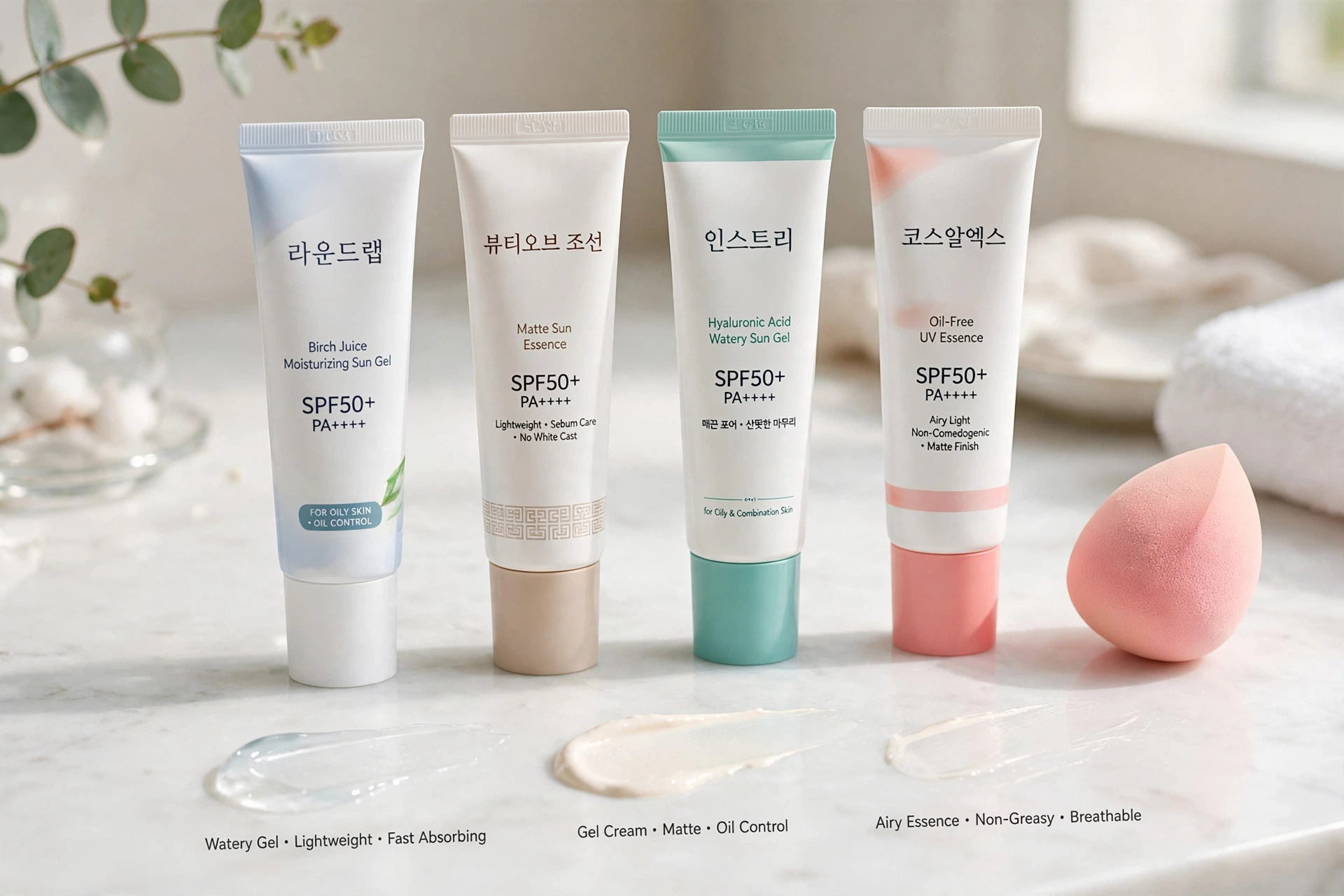
Discover the best Korean sunscreens for oily skin available in the UK — lightweight, matte, no white cast, and perfect under makeup.
Read More arrow_forwardCalculate your Body Mass Index (BMI) in seconds. BMI is a quick screening number…
Use now arrow_forwardFind your daily calorie needs based on your age, sex, height, weight and activit…
Use now arrow_forwardFind how much water you should drink each day, in litres and glasses, based on y…
Use now arrow_forward