Best Fragrance Free Moisturiser for Rosacea UK: 7 Calming Picks
Discover the best fragrance free moisturiser for rosacea UK skin, with 7 calming, dermatologist-friendly picks from Boots, Superdrug and Cult Beauty.
Read More arrow_forwardThe best retinol for beginners over 50 UK — 7 gentle, effective picks with UK prices and a slow-start routine for mature skin.
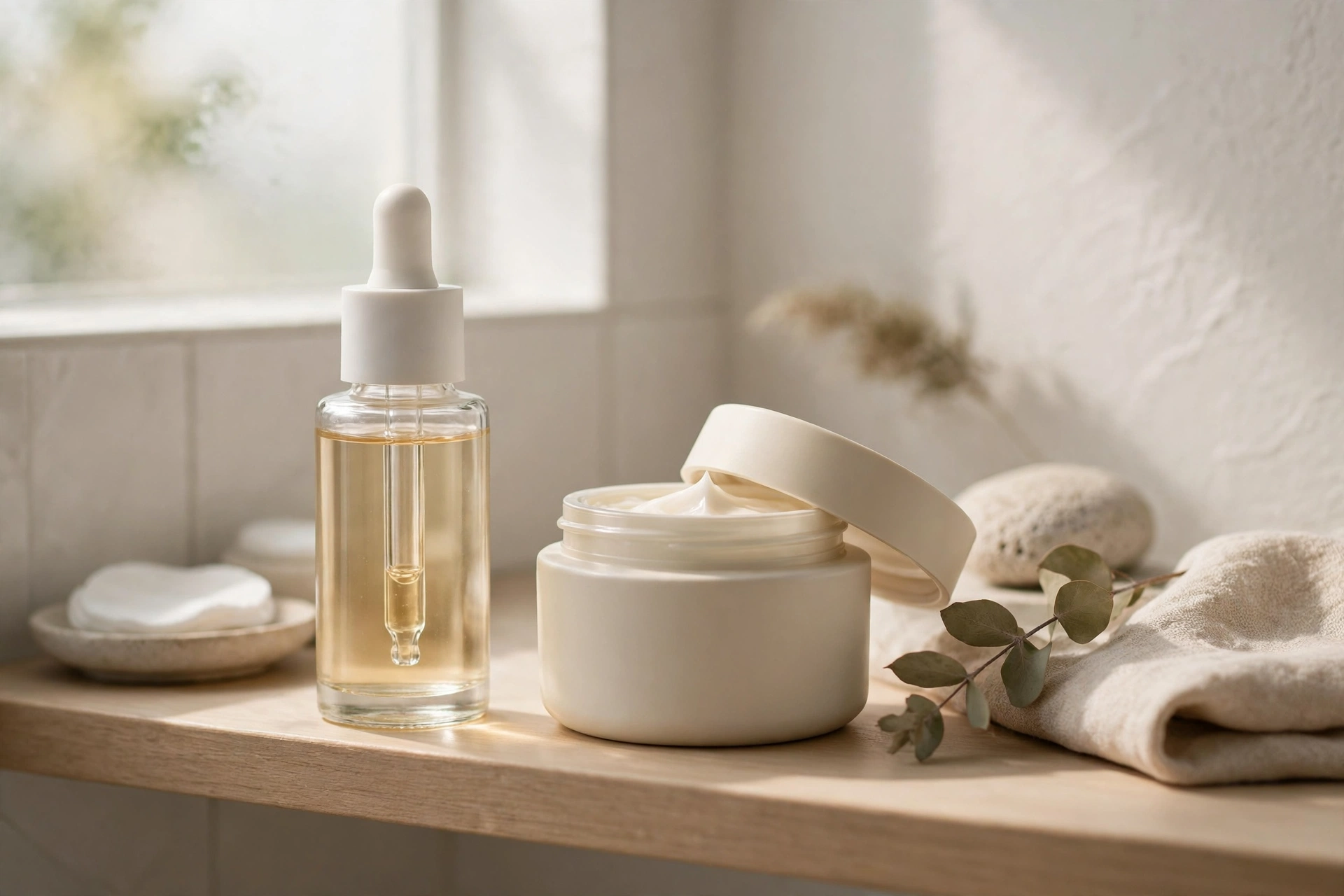
Starting retinol after fifty can feel daunting, especially when every product seems to promise dramatic results and every review warns about peeling. If you are searching for the best retinol for beginners over 50 uk, you are in exactly the right place. This guide cuts through the noise with gentle, well-tolerated formulas you can actually buy in the UK, realistic timelines, and a slow-start routine designed for mature skin that may already be drier, thinner, and more reactive than it was in your thirties. You do not need the strongest retinol on the shelf. You need the right strength, the right supporting ingredients, and the patience to let your skin adjust.
Retinol remains one of the most studied ingredients in skincare for visible signs of ageing, including fine lines, uneven tone, and dullness. But mature skin needs a different approach from younger skin. Hormonal changes, especially around and after menopause, reduce oil production and slow cell turnover, which means skin can become both drier and more sensitive at the same time. A gentle beginner retinol, used consistently two to three nights a week at first, will almost always outperform a strong formula abandoned after a week of redness. This guide explains how retinol works, what to look for on a UK label, and which products are genuinely suitable for a first-time user over fifty.
Why the Best Retinol for Beginners Over 50 UK Is Different
The best retinol for beginners over 50 uk is not simply the best retinol in general with a new label. Mature skin has specific needs. Collagen production has slowed, the skin barrier is often less resilient, and many women over fifty are also managing sensitivity, rosacea, or dryness that was never an issue before. A good beginner formula therefore balances efficacy with comfort: a low to moderate retinoid concentration, a creamy or oil-based texture rather than a drying gel, and barrier-supporting ingredients such as ceramides, squalane, glycerin, or niacinamide alongside it.
It is also worth understanding what retinol can and cannot do. It can improve the appearance of fine lines, smooth texture, fade dark spots gradually, and give skin a healthier, more even glow over months. It cannot erase deep wrinkles overnight, replace sunscreen, or fix sagging on its own. Anyone promising instant transformation is selling marketing, not skincare. The British Association of Dermatologists provides reliable, evidence-based information about retinoids and skin ageing, and it is a sensible first stop if you want to separate fact from hype. You can read their patient information resources at the British Association of Dermatologists.
Another difference for UK buyers is practical: availability and price. A product that is only sold in the United States, with import fees and long delivery times, is not a practical recommendation for a UK routine. Every pick in this guide is available from Boots, Superdrug, Cult Beauty, or a UK brand website, with prices in pounds sterling. UK sunscreen rules also matter here, because retinol makes sun protection non-negotiable. In the UK, sunscreens are regulated as cosmetic products and must meet specific labelling and safety standards, which is reassuring, but it does not change the basic rule: if you use retinol and skip SPF, you are undermining your own results and increasing your risk of sun damage.
How Retinol Works on Mature Skin
Retinol is a form of vitamin A. Once applied, skin enzymes convert it into retinoic acid, the active form that signals skin cells to behave more like younger cells. In practice, that means faster cell turnover, so dull surface cells shed more efficiently, and increased collagen production in the deeper layers over time. The visible result is smoother texture first, then gradually softer fine lines and more even tone over eight to twelve weeks, with continued improvement over six months and beyond.
For skin over fifty, that cell-turnover effect is particularly valuable because natural turnover has slowed considerably. Where younger skin might renew itself in around four weeks, mature skin can take six to eight weeks or longer. Retinol helps close that gap, which is why many people notice a fresher, more radiant look before they notice changes in lines. It also helps with uneven pigmentation, including age spots and post-inflammatory marks, though stubborn pigmentation often needs additional help from ingredients such as niacinamide or vitamin C used on alternate nights.
The trade-off is the adjustment period, often called retinisation. During the first two to six weeks, some dryness, mild flaking, or sensitivity is common. This is not a sign that the product is damaging your skin, provided it stays mild and settles with moisturiser. Severe burning, swelling, or persistent redness is different, and that is your cue to pause, simplify your routine, and speak to a GP or dermatologist if it does not settle. A gentle beginner formula, a pea-sized amount, and a gradual schedule keep this adjustment phase manageable for most people.
Retinol, Retinal, and Prescription Retinoids Explained
You will see several related terms on UK shelves, and they are not interchangeable. Retinol is the most common over-the-counter option and the gentlest starting point. Retinaldehyde, often shortened to retinal, is one conversion step closer to retinoic acid, so it can work faster than retinol at a similar level of irritation, though it is usually pricier. Retinyl palmitate is much weaker and best thought of as a maintenance ingredient rather than a treatment. Prescription tretinoin is significantly stronger and is only appropriate after discussion with a clinician, not as a first step for a beginner.
For a first-time user over fifty, standard retinol or retinal at a low concentration is the sensible choice. There is no prize for starting strong. The goal is a product you will still be using happily in six months, because consistency is what delivers results with retinoids. If you later want more intensity, you can step up gradually once your skin is fully comfortable.
What Strength Should a Beginner Over 50 Start With?
A good starting point is a retinol concentration of around 0.1% to 0.3%, or a retinal product at around 0.05% to 0.1%. Many excellent beginner products do not declare an exact percentage and instead describe themselves as low, gentle, or for sensitive skin, which is fine provided the formula is well reviewed and from a reputable brand. Avoid starting with 1% retinol or a high-strength prescription product. Higher strength does not mean proportionally faster results, but it does mean proportionally more irritation risk.
Frequency matters as much as strength. Start with two nights a week, on non-consecutive nights, for at least two weeks. If your skin feels comfortable, move to three nights a week, then every other night. Daily use is a goal for later, not a starting requirement, and many people over fifty maintain beautiful results on three to four nights a week indefinitely. Listen to your skin rather than following a rigid calendar: if flaking increases, drop back a step for a week rather than pushing through.
The Best Retinol for Beginners Over 50 UK: A Gentle Step-by-Step Routine
A routine only works if you can follow it on a tired evening without a ten-step ritual. Keep retinol nights simple: cleanse, retinol, moisturiser. That is enough. More layers do not mean better results, and on retinol nights, simplicity actively reduces irritation.
Your Evening Retinol Routine
Start with a gentle, non-foaming cleanser and lukewarm water. Pat your face dry and wait a few minutes until skin feels completely dry, because applying retinol to damp skin can increase penetration and irritation. Take a pea-sized amount of retinol for your entire face. Dot it on your forehead, cheeks, chin, and nose, then smooth it gently outward, avoiding the immediate eye area, the corners of the nose, and the lips, where skin is thinnest and most reactive. Wait another minute or two, then apply a generous layer of a rich, fragrance-free moisturiser.
If your skin feels tight or flaky, try the sandwich method: a thin layer of moisturiser first, then retinol, then moisturiser again. This buffers the retinol slightly and is an excellent technique for mature or sensitive skin. It may slow results marginally, but it dramatically improves tolerability, which matters far more in the early months. On non-retinol nights, focus on hydration and barrier support with ingredients such as hyaluronic acid, ceramides, and squalane.
Your Morning After a Retinol Night
Morning skincare after retinol should be calm and protective. Cleanse gently or rinse with water, apply a hydrating serum or moisturiser, and finish with sunscreen. This is not optional. Retinol increases sun sensitivity, and UV exposure is the single biggest driver of visible ageing, so skipping SPF while using retinol is counterproductive. Choose a broad-spectrum SPF 30 or higher, and reapply if you spend extended time outdoors. For guidance on choosing a sunscreen that suits mature or darker skin without a white cast, our guide to the best sunscreen for dark skin with no white cast in the UK is a useful companion read.
During the day, avoid adding strong exfoliating acids, high-strength vitamin C, or scrubs on top of a retinol routine until your skin is fully adjusted. If you love vitamin C, use it in the morning and retinol at night, or alternate nights, rather than layering both at once. Our detailed guide on whether you can use niacinamide and vitamin C together explains how to combine brightening ingredients safely without overloading your barrier.
7 Gentle Retinol Picks for Beginners Over 50 in the UK
Each product below was chosen for beginner suitability: a modest retinoid strength, a comforting texture, barrier-supporting ingredients, genuine UK availability, and a price that does not punish you for experimenting. Prices are approximate UK retail prices at the time of writing and may vary with offers at Boots, Superdrug, or Cult Beauty.
1. CeraVe Resurfacing Retinol Serum — Around £18 to £20 at Boots
CeraVe is a dermatologist-developed favourite for good reason. This lightweight serum pairs encapsulated retinol with three essential ceramides and niacinamide, so it supports the barrier while it works. It is fragrance-free, non-comedogenic, and widely available at Boots and Superdrug, which makes repurchasing easy. For a first retinol, its gentle, gradual release is ideal, and the pump packaging keeps the formula stable. Use a pea-sized amount two to three nights a week to start.
2. La Roche-Posay Retinol B3 Serum — Around £38 to £42 at Boots and Cult Beauty
This is a step up in price but a superb choice for mature skin that also wants brightening. It combines retinol with niacinamide and panthenol, and its lightweight serum texture layers beautifully under a richer night cream. Many women over fifty appreciate that it targets dark spots and uneven tone as well as fine lines. If your main concerns are pigmentation and dullness alongside ageing, this is the pick to shortlist first.
3. The Ordinary Retinol 0.2% in Squalane — Around £6 to £7 at Boots and Cult Beauty
If you want to try retinol with minimal financial risk, this is the classic entry point. The squalane base is nourishing rather than drying, which suits mature skin, and the 0.2% strength is genuinely beginner-friendly. The Ordinary also offers 0.5% and 1% versions, but beginners should start here and only move up after several comfortable months. Keep in mind that this formula is an oil-like serum, so a little goes a long way, and it pairs well with a simple moisturiser on top.
4. Medik8 Crystal Retinal 3 — Around £45 to £49 at Cult Beauty and Medik8 UK
Medik8's Crystal Retinal range uses retinaldehyde, which works faster than standard retinol for many users. Crystal Retinal 3 is the lowest strength in the range and is designed for beginners, with a creamy texture and stabilised packaging. It is pricier than pharmacy options, but many mature users find they tolerate retinal very well and see smoother texture sooner. If you have tried retinol before and found it too slow rather than too irritating, this is a smart upgrade path.
5. No7 Advanced Retinol Night Concentrate — Around £32 at Boots
No7 is a reassuring UK high-street choice, and this night concentrate is formulated specifically to be gentle enough for regular use. It combines retinol with a peptide complex and hydrating ingredients, and its cream-serum texture suits drier mature skin. Boots frequently includes No7 in promotional offers, which brings the effective price down further. For shoppers who prefer to buy in store and ask a beauty advisor questions, this is an excellent, low-intimidation option.
6. Paula's Choice Clinical 0.3% Retinol + 2% Bakuchiol Treatment — Around £62 at Cult Beauty and Paula's Choice UK
This treatment pairs a moderate retinol dose with bakuchiol, a plant-derived ingredient often described as a gentler retinol alternative, plus peptides. The combination is designed to deliver visible firming and smoothing with less irritation than retinol alone. It is the most expensive pick on this list, so it suits someone who already knows their skin tolerates retinoids and wants a more comprehensive anti-ageing treatment, rather than a very first experiment. A little goes a long way, so the tube lasts several months.
7. L'Oreal Paris Revitalift Laser Pure Retinol Night Serum — Around £30 to £34 at Boots and Superdrug
L'Oreal's Revitalift retinol serum is widely available, sensibly priced, and formulated with pure retinol at a beginner-appropriate level. Its dropper serum absorbs quickly and works well under a night cream, which matters for mature skin that needs extra moisture. If you already trust L'Oreal skincare or want something you can pick up during a regular Superdrug shop, this is a dependable, no-fuss choice. As with all retinoids, start slowly and build up.
Best Retinol for Beginners Over 50 UK: Comparison Table
Retinol is not suitable for everyone, and it is not suitable at every moment. If you are pregnant, trying to conceive, or breastfeeding, avoid retinoids and speak to your GP or midwife about safe alternatives such as bakuchiol or azelaic acid. If you have active eczema, rosacea flare-ups, perioral dermatitis, or broken or sunburnt skin, wait until your barrier has recovered before introducing retinol. People using prescription acne or rosacea treatments should check with their clinician before adding an over-the-counter retinoid, because combining treatments can increase irritation.You should also pause retinol for a few days before and after professional treatments such as chemical peels, laser, or microneedling, following your practitioner's advice. If you develop persistent redness, swelling, blistering, or a rash that does not settle within a few days of stopping, seek advice from a GP or dermatologist rather than trying to push through. Our guide to a gentle rosacea skincare routine for UK skin and our perioral dermatitis skincare routine explain how to rebuild a calm barrier first if sensitivity is your main concern.
Certain medications and health conditions can also increase sun sensitivity, so if you take regular medication, it is worth checking with a pharmacist whether extra sun protection is advised. The NHS website offers clear, trustworthy general guidance on skin care and sun protection, and it is a good reference if you are unsure whether a symptom needs medical attention. See the NHS skin and sun guidance for general advice and when to seek care.
Practical Tips for Retinol Success After 50
First, be patient in a structured way. Take a photo in natural light before you start, then again at four, eight, and twelve weeks. Daily mirror checks exaggerate every flake and miss gradual improvement, while dated photos show real change. Second, keep the rest of your routine boring while you adjust. This is not the moment to start three new active ingredients at once. A gentle cleanser, a hydrating moisturiser, sunscreen, and your retinol are enough for the first month.
Third, moisturise more than you think you need. Mature skin often needs a richer night cream over retinol, and there is no downside to layering a plain, fragrance-free cream on top. If you struggle with dryness in winter, a winter skincare routine for sensitive skin in the UK covers barrier-first strategies that pair well with retinoid use. Fourth, protect your neck, chest, and hands too, but introduce retinol there even more slowly, as neck skin in particular is thin and reactive. A pea-sized amount spread thinly, followed by moisturiser, is plenty.
Fifth, store retinol correctly. Keep it away from heat and direct sunlight, close caps promptly, and prefer pump or opaque packaging. Oxidised retinol is less effective and more irritating. Finally, remember that retinol is a long game. The best results in studies come from consistent use over months and years, not from heroic short bursts. A gentle product used three nights a week for a year will beat a strong product used for two painful weeks every time.
Combining Retinol With Other Ingredients Safely
Niacinamide is retinol's best friend for mature skin. It supports the barrier, calms redness, and helps with pigmentation, and it can be used in the same routine or on alternate nights. Hyaluronic acid is also an easy partner, providing hydration without conflict. Peptides pair well too, and many night creams combine them with retinoids deliberately. If you want to understand the order of application in detail, read our guide to retinol and niacinamide routine order, which explains morning and evening sequencing step by step.
Be more cautious with exfoliating acids such as glycolic, lactic, or salicylic acid. These are not forbidden, but using them on the same night as retinol often causes irritation. Alternate nights instead, and reduce frequency if flaking appears. Vitamin C is best kept to mornings while retinol stays at night, at least during the adjustment phase. Fragrance and essential oils are unnecessary risks for sensitive mature skin, so fragrance-free formulas are generally the safer choice.
Frequently Asked Questions About Retinol After 50
How often should a beginner over 50 use retinol?
Start with two non-consecutive nights a week for two weeks. If your skin stays comfortable, increase to three nights a week, then every other night over the following month. Daily use is optional and not required for good results. Many people over fifty maintain excellent results on three to four nights a week long term, so let comfort, not a calendar, guide you.
How long does it take to see results from retinol after 50?
Most people notice smoother texture and a fresher glow within four to six weeks. Visible softening of fine lines and more even tone typically takes eight to twelve weeks, with continued improvement over six months. Mature skin renews more slowly, so patience matters. Dated photos at four-week intervals are the most reliable way to track progress.
Is retinol safe for sensitive skin over 50?
Yes, with the right approach. Choose a low-strength, fragrance-free formula with barrier-supporting ingredients, start twice a week, and use the sandwich method with moisturiser if needed. If you have rosacea, eczema, or perioral dermatitis, settle your skin first and speak to a GP or dermatologist before starting. Stop and seek advice if you develop persistent redness, swelling, or a rash.
Should I use retinol or retinal as a beginner?
Either can work. Retinol is cheaper, more widely available, and the classic starting point. Retinal works one step closer to the active form, so it may show results slightly faster, but it usually costs more. If budget matters, start with retinol. If you have tried retinol and found it too slow, a low-strength retinal such as Medik8 Crystal Retinal 3 is a sensible next step.
Can I use retinol around my eyes?
You can use a tiny amount on the orbital bone, but avoid the eyelids and the immediate under-eye area unless the product is specifically designed for eyes. Eye skin is very thin and reacts strongly. Many people prefer a dedicated, gentler eye cream and keep their facial retinol away from the eyes entirely, which is a perfectly valid approach.
Do I need to stop retinol in summer?
No, you can use retinol year-round in the UK provided you wear daily broad-spectrum SPF 30 or higher and reapply during prolonged sun exposure. Summer does not require stopping, but it does require strict sun protection. If you are on a sunny holiday, you may choose to pause for a few days around intense sun exposure and resume afterwards.
What should I do if retinol makes my skin peel?
Mild flaking in the first few weeks is common. Reduce frequency to once or twice a week, use the sandwich method, increase moisturiser, and pause other exfoliating products until skin settles. Do not scrub flakes away aggressively, as this worsens irritation. If peeling is severe, painful, or accompanied by swelling or a rash, stop using retinol and speak to a GP or dermatologist.
Is expensive retinol better than cheap retinol for mature skin?
Not necessarily. Price often reflects brand, packaging, and additional ingredients rather than retinoid quality alone. The Ordinary's budget retinol and CeraVe's pharmacy serum deliver genuine results for many beginners. Expensive formulas can be worth it when they add proven supporting ingredients or a retinal base, but a well-tolerated affordable product used consistently will outperform an expensive one that irritates your skin.
Key Takeaways
The best retinol for beginners over 50 uk is a low-strength, barrier-friendly formula you will actually use consistently, not the strongest product available.
Start at 0.1% to 0.3% retinol, two nights a week, and build up gradually over four to six weeks.
A pea-sized amount, applied to fully dry skin and followed by a rich moisturiser, is enough for the whole face.
Daily broad-spectrum SPF 30 or higher is mandatory while using retinol, in every UK season.
Pair retinol with niacinamide, ceramides, and hyaluronic acid, and keep strong acids and vitamin C to separate times of day or alternate nights.
Expect smoother texture in four to six weeks and visible line and tone improvement over eight to twelve weeks.
Pause and seek GP or dermatologist advice if you develop persistent redness, swelling, or a rash, or if you are pregnant or breastfeeding.
Conclusion
Finding the best retinol for beginners over 50 uk comes down to gentleness, consistency, and realistic expectations. Start low, go slow, moisturise generously, and protect your skin from the sun every single day. Whether you choose a budget favourite from The Ordinary, a pharmacy staple from CeraVe, or a retinal upgrade from Medik8, the product that works is the one your skin tolerates happily month after month. Give it twelve weeks, track your progress with photos, and adjust frequency rather than abandoning the ingredient at the first sign of flaking. Mature skin rewards patience, and a well-chosen beginner retinol is one of the most reliable ways to restore smoothness, radiance, and confidence to your routine.
Discover the best fragrance free moisturiser for rosacea UK skin, with 7 calming, dermatologist-friendly picks from Boots, Superdrug and Cult Beauty.
Read More arrow_forward
Seven gentle vitamin C serums for sensitive skin, with UK prices, derivative guidance and a safe patch-test routine for reactive complexions.
Read More arrow_forward
Best sunscreen for dark skin no white cast UK — why white cast happens, mineral vs chemical filters, and UK picks with £ prices that leave no grey tint.
Read More arrow_forward
Viral K-beauty products at half the price? These affordable K-beauty dupes available in the UK actually work — with £ prices and where to buy them.
Read More arrow_forward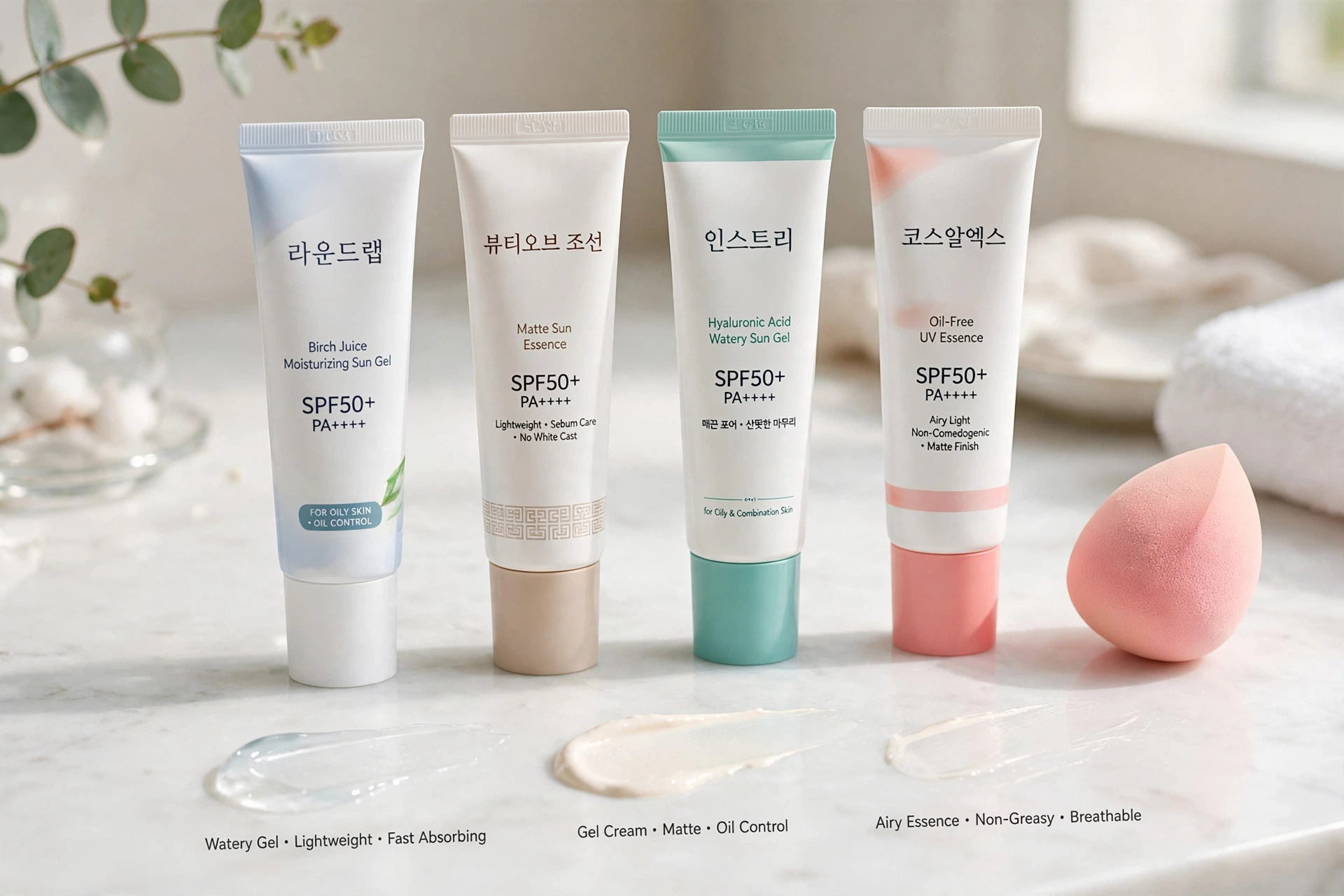
Discover the best Korean sunscreens for oily skin available in the UK — lightweight, matte, no white cast, and perfect under makeup.
Read More arrow_forwardCalculate your Body Mass Index (BMI) in seconds. BMI is a quick screening number…
Use now arrow_forwardFind your daily calorie needs based on your age, sex, height, weight and activit…
Use now arrow_forwardFind how much water you should drink each day, in litres and glasses, based on y…
Use now arrow_forward