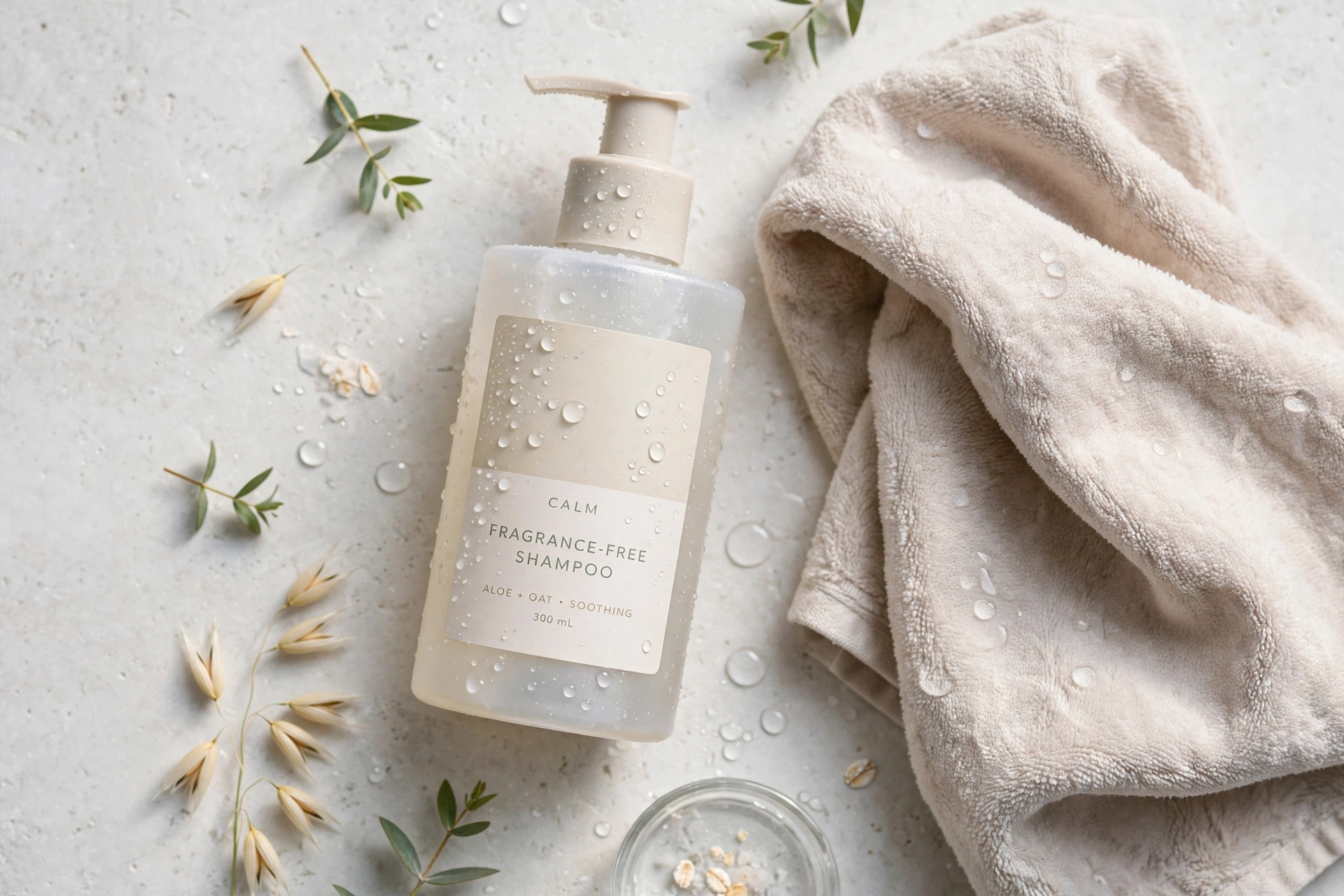
Best Fragrance Free Shampoo for Sensitive Scalp UK: 7 Calm Picks
Seven calm, fragrance-free shampoos for a sensitive scalp, with UK prices, what to avoid, and a gentle washing routine.
Read More arrow_forwardA gentle UK winter routine for a dry, flaky scalp: soothing washes, moisture, and habits that calm itching without stripping your hair.
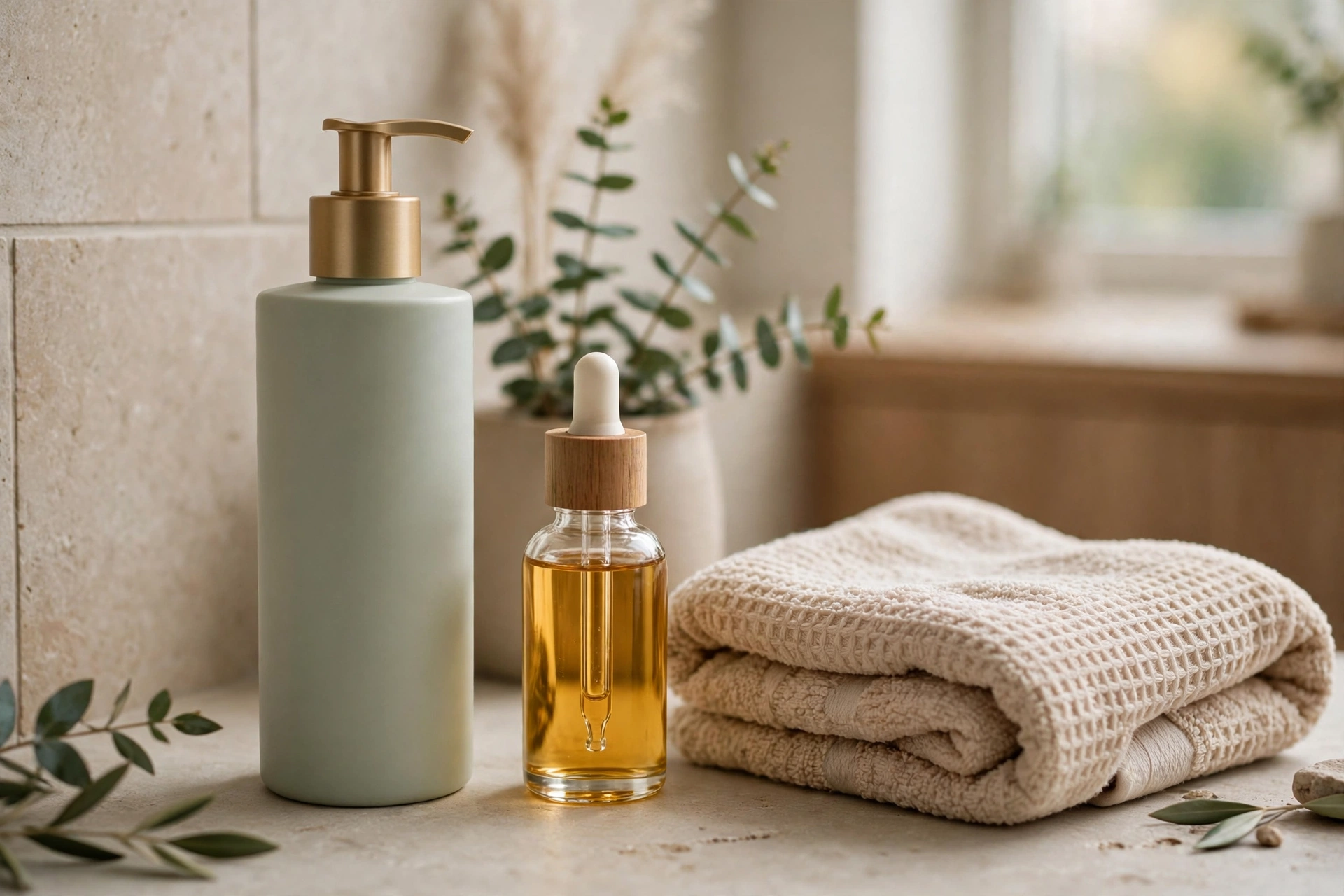
If you are wondering how to treat dry flaky scalp in winter uk, you are not alone. Cold air outside, central heating inside, hot showers, woolly hats and less humidity all combine to strip moisture from the scalp. The result is familiar to many people across Britain from November to February: tightness, itching, small white flakes on dark jumpers, and hair that looks dull no matter how carefully it is styled. The good news is that most winter scalp flaking responds well to a gentler routine, a little patience and the right products from Boots, Superdrug or Cult Beauty. This guide explains what is happening, how to tell simple dryness apart from conditions that need medical advice, and how to build a calm-scalp routine that works in real British winter conditions.
Winter scalp problems are rarely caused by one single factor. Low humidity outdoors dries the skin, while heated indoor air draws even more moisture away. Hot water and harsh shampoos can remove the natural oils that protect the scalp barrier. Wearing hats for long periods can trap heat and sweat, while washing less often in cold weather can allow oil, dead skin and styling product to build up. Stress, illness, lack of sleep and changes in diet around the festive season can also make the scalp more reactive. Understanding this combination matters, because a routine that only adds oil, or only uses a strong anti-dandruff shampoo, often misses the real cause. A balanced approach that cleanses gently, restores moisture and protects the barrier tends to work better than aggressive scrubbing or frequent clarifying washes.
## How to Treat Dry Flaky Scalp in Winter UK: Understanding the Causes
Before changing products, it helps to look closely at what kind of flaking you have. Dry scalp flakes are usually small, dry and white, and the skin elsewhere, such as the shins or hands, may also feel dry. Dandruff flakes tend to be larger, slightly yellowish or oily, and may come with an itchy, oily scalp rather than a tight, dry feeling. Seborrhoeic dermatitis can cause red, inflamed patches with greasy scaling around the hairline, eyebrows, ears and nose as well as the scalp. Psoriasis can produce thick, silvery scales and well-defined patches. Eczema can affect the scalp too, especially if you already have eczema elsewhere. These distinctions matter because the treatments differ, and using the wrong product can make irritation worse.
### Dry Skin Versus Dandruff
Dry skin is an environmental and barrier problem. The scalp lacks water and lipids, so it sheds small flakes and feels tight. Dandruff is linked to a yeast that lives naturally on the skin and to excess oil production. Both can worsen in winter, but dry skin usually improves with moisture and gentler washing, while dandruff often needs an active ingredient that targets the yeast. If your flakes are small and dry, your hair feels dry, and your skin elsewhere is also dry, start with hydration and barrier support. If flakes are oily, your scalp feels greasy within a day of washing, and you have redness along the hairline, an anti-dandruff approach may be more appropriate. Many people have a mixture of both, which is why a routine that combines gentle cleansing with occasional targeted treatment often works best.
### Why British Winters Are Especially Hard on the Scalp
British winters bring a particular set of challenges. Temperatures drop, but homes are heated to a comfortable level, so the scalp moves repeatedly between cold, damp outdoor air and warm, dry indoor air. That swing stresses the skin barrier. Shorter days and darker mornings can also mean less time outdoors and more time under hats, scarves and hoods. Hard water in many parts of the UK can leave mineral residue on hair and scalp, making hair feel coated and the scalp feel itchy. Long, hot showers feel comforting on a cold evening, but they strip oils faster than lukewarm water. Add in festive styling, dry shampoo overuse, hair colouring and heat styling, and it is easy to see why a scalp that was fine in September can become flaky by January.
### Signs That Need Medical Advice
Most winter flaking is manageable at home, but some signs should prompt a visit to your GP or pharmacist. Seek advice if you have intense itching that disturbs sleep, thick crusts, bleeding or broken skin from scratching, hair loss in patches, spreading redness, swelling, pus or signs of infection, or scaling that does not improve after several weeks of gentle care. People with psoriasis, eczema or seborrhoeic dermatitis may need prescription treatments, and a pharmacist can advise whether an over-the-counter product is suitable or whether a GP referral is better. The [NHS guide to dandruff and dry scalp](https://www.nhs.uk/conditions/) offers a useful starting point for understanding when self-care is enough and when to seek help. Do not ignore persistent symptoms, and avoid trying strong prescription-strength products without advice.
## Why Winter Makes Flaking Worse in the UK
Central heating is one of the biggest hidden culprits. It lowers indoor humidity, sometimes to levels far below what skin prefers, and the scalp, which is covered by hair and often by a hat, does not get the same chance to recover as exposed skin. Hot water compounds the problem by dissolving the scalp's protective oils. Harsh sulphate-heavy shampoos, frequent washing with very hot water, and vigorous towel-drying can all create micro-irritation. Even the way we dry hair matters: blasting hair with high heat immediately after a hot shower, without any leave-in protection, leaves the scalp exposed to another round of drying.
Lifestyle factors also play a role. Winter diets in the UK often include more processed food, alcohol and sugar around Christmas and New Year, and less fresh fruit and oily fish, which can affect skin health indirectly. Dehydration is common in winter because people drink less water when it is cold, yet indoor heating increases water loss. Stress, shorter daylight hours and disrupted sleep can increase itching perception and make scratching more likely, which in turn damages the barrier further. None of these factors alone causes flaking, but together they create a cycle: dryness leads to itching, itching leads to scratching, scratching damages the barrier, and a damaged barrier loses more moisture.
Hats deserve special attention. A warm hat is essential in British winter, but a tight, non-breathable hat worn all day can trap sweat and heat, creating a warm, damp environment that encourages yeast growth and irritation. Choose hats made from breathable natural fibres where possible, wash hats regularly, and give your scalp some air when you are indoors. Similarly, pillowcases and towels should be washed regularly in winter, because product build-up, oil and dead skin can transfer back to the scalp night after night. Small habits like these often make as much difference as any single product.
## How to Treat Dry Flaky Scalp in Winter UK: A Step-by-Step Routine
A calm-scalp routine does not need to be complicated or expensive. The aim is to cleanse without stripping, add moisture back, protect the barrier, and avoid triggers. The routine below works for most people with simple winter dryness and can be adapted if you also need an anti-dandruff treatment. Give any new routine at least two to three weeks before judging it, because the scalp barrier needs time to recover and flakes do not disappear overnight.
### Step 1: Wash Gently and Less Often
Start by reducing how harshly you wash. Use lukewarm water, never very hot, and massage shampoo into the scalp with your fingertips, not your nails. Scratching with nails feels satisfying in the moment but creates tiny breaks in the skin that worsen flaking. Wash every two to three days if your hair type allows it, rather than daily, and rinse thoroughly so no shampoo residue remains. If you exercise daily or have very oily hair, you may need more frequent washing, but keep the water lukewarm and the shampoo gentle. A sulphate-free or low-sulphate shampoo is a good winter choice for dry scalps, while a targeted anti-dandruff shampoo used once or twice a week can help if oiliness and larger flakes are also present.
### Step 2: Add Moisture Back to the Scalp
After washing, the scalp needs moisture and lipids to rebuild its barrier. A lightweight scalp oil, applied to damp hair and massaged in for a few minutes, can help. Look for simple oils such as jojoba, argan or squalane, which are close to the skin's own oils and less likely to feel heavy. If you prefer a product format, a scalp serum or a leave-in treatment designed for dry scalps can be easier to distribute evenly. Apply to the scalp, not just the lengths, and avoid overloading the roots if your hair is fine. For very dry scalps, an overnight oil treatment once a week, washed out the next morning, can be deeply soothing. Keep the amount modest: a few drops massaged well are more effective than a heavy coating that leaves hair greasy and tempts you to wash again too soon.
### Step 3: Protect the Barrier Between Washes
Between washes, avoid products that dry the scalp further. Dry shampoo is convenient, but daily use in winter can build up on the scalp and trap flakes. If you use it, apply sparingly to the roots, brush it through, and wash it out within a day or two. Avoid heavy styling products directly on the scalp, and keep heat styling away from the roots where possible. When you use a hairdryer, use a medium heat setting and keep it moving rather than concentrating heat on one spot. A silk or satin pillowcase can reduce friction, and a humidifier in the bedroom, if you use central heating overnight, can help indoor air feel less drying for both skin and scalp. These small protective steps help the barrier recover rather than constantly fighting new irritation.
### Step 4: Exfoliate Very Gently, If at All
Scalp scrubs are popular, but they can be too harsh for an already irritated winter scalp. If you have build-up, a gentle chemical exfoliant designed for the scalp, used no more than once a week, is usually kinder than a gritty physical scrub. Salicylic acid scalp treatments can help lift flakes, but they should be used sparingly and rinsed well. Never scrub aggressively, and stop any exfoliant if it causes stinging, redness or increased flaking. For most people, gentle washing and moisturising will gradually reduce flakes without any scrub at all. Think of exfoliation as an occasional reset, not a daily habit, and always follow it with moisture.
## Choosing the Right Shampoo and Treatment for a Winter Scalp
Choosing products in Boots or Superdrug can feel overwhelming, because shelves are full of claims about repair, volume, colour protection and anti-dandruff action. For winter dryness, prioritise a gentle, fragrance-free or lightly fragranced shampoo if your scalp is sensitive, and look for hydrating ingredients such as glycerin, panthenol, ceramides or hyaluronic acid on the label. If you need an anti-dandruff ingredient, options available in UK pharmacies include zinc pyrithione, selenium sulphide, ketoconazole and coal tar preparations, each suited to different needs. A pharmacist can help you choose, especially if you have other skin conditions or use medicated treatments already. The [British Association of Dermatologists](https://www.bad.org.uk/) provides patient information on scalp conditions that can help you understand these options before you buy.
Product type table: Gentle sulphate-free shampoo — Dry, tight, sensitive scalps — Every 2–3 days — Heavy silicones that build up. Anti-dandruff shampoo — Oily flakes, itching, redness — 1–2 times per week, alternating with gentle shampoo — Dryness if used daily. Scalp oil or serum — Barrier repair, tightness — 2–3 times per week, or weekly overnight — Over-application on fine hair. Leave-in conditioner — Dry lengths and ends — After every wash — Applying too much at the roots. Dry shampoo — Emergency refresh only — Occasionally, not daily — Build-up and trapped flakes.
Budget, mid-range and premium options all exist in UK stores, and price alone does not guarantee suitability. A budget gentle shampoo from a supermarket or pharmacy own-brand range can work beautifully if it cleanses without stripping, while a premium scalp serum may be worth it if it contains barrier-supporting ingredients and you enjoy using it consistently. Consistency matters more than cost: the best product is the one you will actually use gently and regularly. Avoid buying several new products at once, because if irritation appears you will not know which one caused it. Introduce one new product at a time, patch test if you are sensitive, and give it at least two weeks.
Fragrance deserves a note. Many shampoos and styling products are heavily fragranced, and fragrance is a common irritant for sensitive scalps. If your scalp is reactive, choose fragrance-free options for the products that touch the scalp directly, even if you keep fragranced products for the lengths. Similarly, essential oils are not automatically gentle: some, such as tea tree, can irritate if used undiluted or too frequently. If you enjoy scented products, use them sparingly and rinse well. For more on sensitive skin and fragrance, see the guidance on [DermNet NZ](https://dermnetnz.org/) for scalp and skin conditions.
## Scalp Care Habits That Make a Real Difference
Beyond products, daily habits shape how your scalp copes with winter. Rinse hair with lukewarm water and finish with a brief cool rinse if you can tolerate it, as this helps close the hair cuticle and leaves hair shinier. Pat hair dry with a soft towel or microfibre towel instead of rubbing vigorously, which creates friction and frizz. Detangle gently from the ends upwards with a wide-tooth comb, especially when hair is wet and more fragile. Avoid tight hairstyles that pull on the scalp, and give hair a break from heat styling on some days each week.
Diet and hydration support skin health from the inside, though they are not a cure on their own. Aim for regular water intake even when you do not feel thirsty, and include oily fish, nuts, seeds and colourful vegetables where possible. Omega-3 rich foods and a varied diet support the skin barrier, while excessive alcohol and very sugary foods can worsen inflammation for some people. Sleep matters too: itching often feels worse at night, so a cool bedroom, clean pillowcase and a calming evening routine can reduce scratching. If stress is a trigger, even short daily walks in daylight, which are valuable in dark British winters, can help mood and skin together.
It is also worth reviewing your wider skincare routine. The same barrier principles that help facial skin in winter apply to the scalp. If you already follow a gentle routine for your face, you will recognise the pattern: cleanse gently, moisturise, protect, and avoid over-exfoliating. Our guide to [repairing a damaged skin barrier](https://www.glowmagzine.com/blog/how-to-repair-damaged-skin-barrier-uk/) explains barrier repair in depth, and many of the same ingredients, such as ceramides, appear in scalp care too. For readers dealing with facial dryness alongside scalp dryness, our [winter routine for rosacea-prone skin](https://www.glowmagzine.com/blog/best-winter-skincare-routine-for-rosacea-prone-skin-uk/) offers complementary advice on gentle winter care.
## When to Seek Further Help
If gentle care does not help after three to four weeks, or if symptoms worsen, seek professional advice rather than trying increasingly strong products. A GP can check for seborrhoeic dermatitis, psoriasis, eczema, fungal infection or contact allergy, and can prescribe medicated shampoos, topical treatments or referral to dermatology if needed. A pharmacist in Boots or Superdrug can also advise on over-the-counter options and when a GP visit is appropriate. Bring a list of products you have tried and how long you used them, as this helps the clinician narrow down the cause. Avoid sharing medicated shampoos or prescription treatments with others, and do not use leftover prescription products from a previous condition without advice.
Children, pregnant people and those with other health conditions should be cautious with medicated scalp treatments and should seek pharmacist or GP advice before starting a new active ingredient. If you have recently coloured or chemically treated your hair, tell your hairdresser about scalp sensitivity, as some colour and straightening treatments can irritate a compromised barrier. A good hairdresser will patch test and can suggest gentler colour options or a delay until the scalp has calmed. Protecting the scalp is more important than sticking rigidly to a colour appointment.
## Frequently Asked Questions
### How often should I wash my hair if my scalp is dry and flaky in winter?
Most people with a dry winter scalp do well washing every two to three days with a gentle shampoo and lukewarm water. Daily washing with hot water and harsh shampoo can strip oils and worsen flaking. If your hair becomes very oily quickly, you may need more frequent washing, but keep it gentle and avoid hot water. Listen to your scalp: tightness and itching after washing suggest you are washing too often or too harshly, while greasiness and build-up suggest you need a slightly more thorough cleanse.
### Can I use an anti-dandruff shampoo for simple dryness?
You can, but it is not always the best first step for simple dryness. Anti-dandruff shampoos contain active ingredients that target yeast and oil, and daily use can dry a scalp that is already lacking moisture. If your flakes are small, dry and white, start with a gentle hydrating shampoo and scalp moisture. If flakes are larger, oily or accompanied by redness, an anti-dandruff shampoo used once or twice a week, alternating with a gentle shampoo, is often more effective. If you are unsure which type you have, ask a pharmacist to look at the pattern and advise.
### Is oiling my scalp helpful or will it make flaking worse?
Light oiling can help a dry scalp, but heavy oiling can worsen flaking if oil builds up and traps dead skin. Use a small amount of a lightweight oil, massage it in, and wash it out within a reasonable time. Overnight treatments once a week suit many people, but daily heavy oiling without washing can create build-up. If you have oily dandruff or seborrhoeic dermatitis, heavy oil may feed yeast growth, so keep oiling light and discuss it with a pharmacist if flaking worsens.
### Does hard water in the UK cause a flaky scalp?
Hard water does not directly cause dandruff, but mineral residue can leave hair feeling coated, dull and harder to rinse clean, which can irritate a sensitive scalp. If you live in a hard-water area, rinsing thoroughly, using a gentle clarifying wash occasionally, and avoiding product build-up can help. A shower filter may help some people, but evidence is mixed, and it should not replace gentle washing and moisturising. If flaking persists despite good rinsing, other causes are more likely.
### Should I avoid hats in winter to help my scalp?
No, you should stay warm, but choose hats wisely. Wear a breathable hat that is not too tight, wash it regularly, and take it off indoors so the scalp can breathe. Avoid wearing the same unwashed hat day after day, especially after sweating. If you wear a hat for work or sport, keep a spare or wash it frequently. Hats alone rarely cause flaking, but a dirty, tight, non-breathable hat can contribute to irritation.
### Can diet and supplements improve a dry scalp?
A balanced diet supports skin health, but no single food or supplement cures a flaky scalp. Oily fish, nuts, seeds, fruits and vegetables provide nutrients that support the skin barrier, and staying hydrated helps overall skin comfort. Supplements should not replace a good routine, and high-dose supplements can interact with medicines, so speak to a pharmacist or GP before starting them. Focus first on gentle washing, moisture and barrier protection, which make the most immediate difference.
### When should I see a GP about scalp flaking?
See your GP if flaking is severe, painful, spreading, or accompanied by hair loss, thick crusts, bleeding, swelling or signs of infection. Also seek advice if gentle care has not helped after several weeks, or if you have psoriasis, eczema or another skin condition affecting the scalp. Early advice can prevent a simple winter problem from becoming a more stubborn condition, and prescription treatments are available when over-the-counter options are not enough.
### Does hair colouring make winter scalp flaking worse?
Colouring, bleaching and chemical straightening can irritate a dry or sensitive scalp, especially if the barrier is already compromised. If your scalp is flaky and sore, consider delaying chemical treatments until it calms, and always have a patch test. Tell your colourist about scalp sensitivity, avoid colour directly on broken or irritated skin, and use gentle, hydrating aftercare. Once the scalp has recovered, gentler colour options and longer gaps between appointments can reduce future irritation.
## Key Takeaways
- Winter flaking is usually a barrier and moisture problem, worsened by central heating, hot water and harsh washing.
- Small, dry, white flakes suggest simple dryness, while larger oily flakes with redness may indicate dandruff or seborrhoeic dermatitis.
- Wash gently with lukewarm water every two to three days, massage with fingertips, and rinse thoroughly.
- Add moisture back with a lightweight scalp oil or serum, and protect the barrier between washes.
- Choose gentle, hydrating shampoos first, and use anti-dandruff treatments only as needed, not daily by default.
- Wash hats regularly, avoid daily dry shampoo build-up, and keep heat styling away from the roots.
- Seek GP or pharmacist advice if flaking is severe, persistent, painful, or accompanied by hair loss or infection signs.
- Give any new routine two to three weeks before judging it, and introduce new products one at a time.
## Conclusion
A dry, flaky scalp in British winter is frustrating, but it is also highly manageable with a calmer approach. Gentle washing, lukewarm water, barrier-supporting moisture, breathable hats and a little patience will resolve most cases without expensive products or aggressive treatments. Start with the basics, watch how your scalp responds over two to three weeks, and adjust one element at a time rather than overhauling everything at once. If you also need help with dry, damaged hair lengths, our guide to the [best hair oil for dry, damaged hair](https://www.glowmagzine.com/blog/best-hair-oil-for-dry-damaged-hair-uk/) pairs well with this scalp routine. For a broader winter plan, explore our [ingredient combinations guide](https://www.glowmagzine.com/blog/skincare-ingredient-combinations-guide-uk/) and our [winter moisturiser guide for combination skin](https://www.glowmagzine.com/blog/best-winter-moisturiser-for-combination-skin-uk/) to keep both scalp and skin comfortable through the coldest months. With consistent, gentle care, you can get through winter with a calmer scalp, less itching and hair that looks and feels healthier.
Seven calm, fragrance-free shampoos for a sensitive scalp, with UK prices, what to avoid, and a gentle washing routine.
Read More arrow_forward
The best hair oil for hair growth in 2026 — rosemary, pumpkin seed, and peppermint oils ranked by science, plus how to use them for real results.
Read More arrow_forwardCalculate your Body Mass Index (BMI) in seconds. BMI is a quick screening number…
Use now arrow_forwardFind your daily calorie needs based on your age, sex, height, weight and activit…
Use now arrow_forwardFind how much water you should drink each day, in litres and glasses, based on y…
Use now arrow_forward