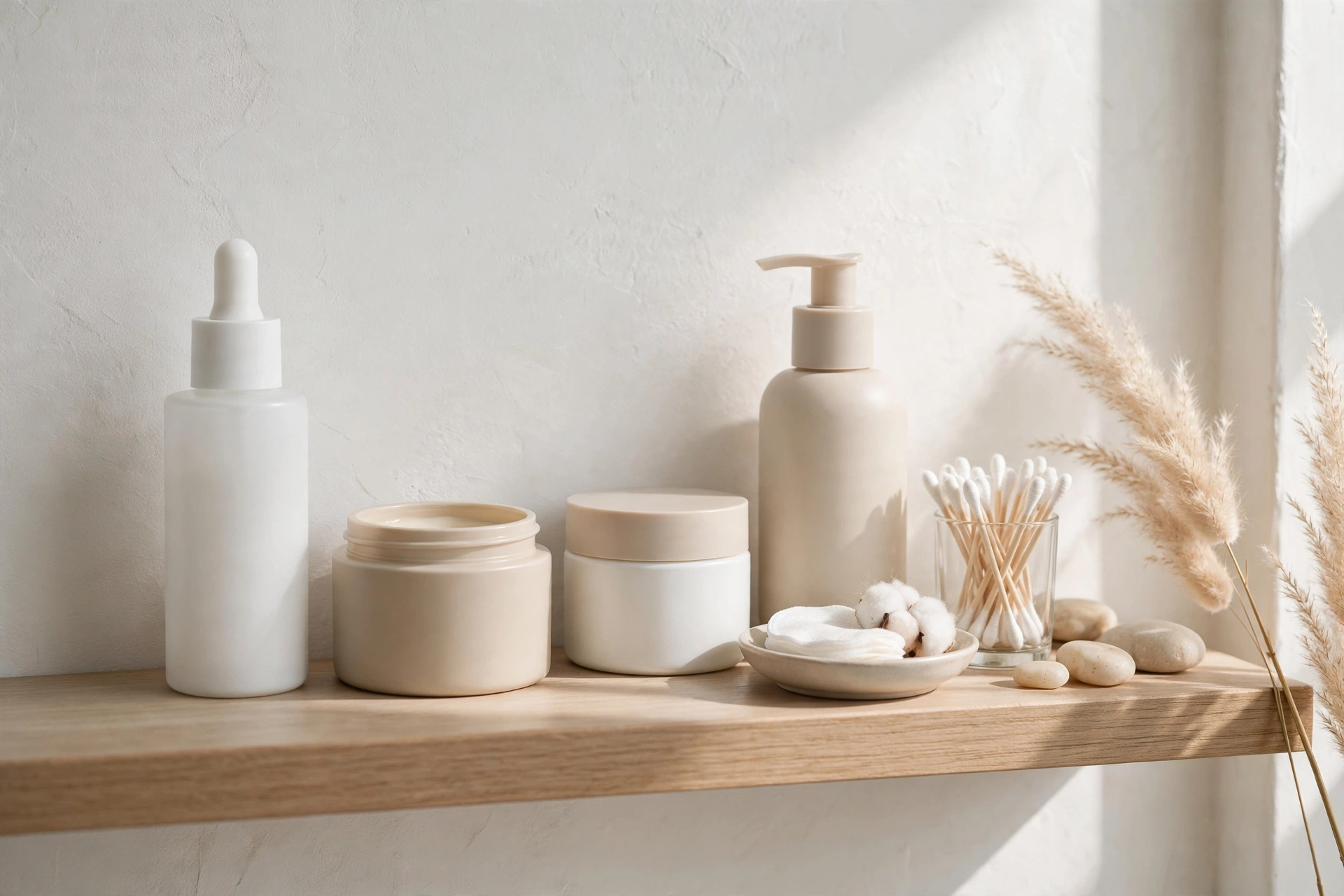
15 Best Fragrance-Free Skincare Products for Sensitive Skin (2026)
Discover the 15 best fragrance-free skincare products for sensitive skin — gentle cleansers, moisturizers and sunscreens that calm, never irritate.
Read More arrow_forwardRed, stinging, tight skin? Your barrier may be damaged. This 7-day repair routine with ceramides and niacinamide restores it.
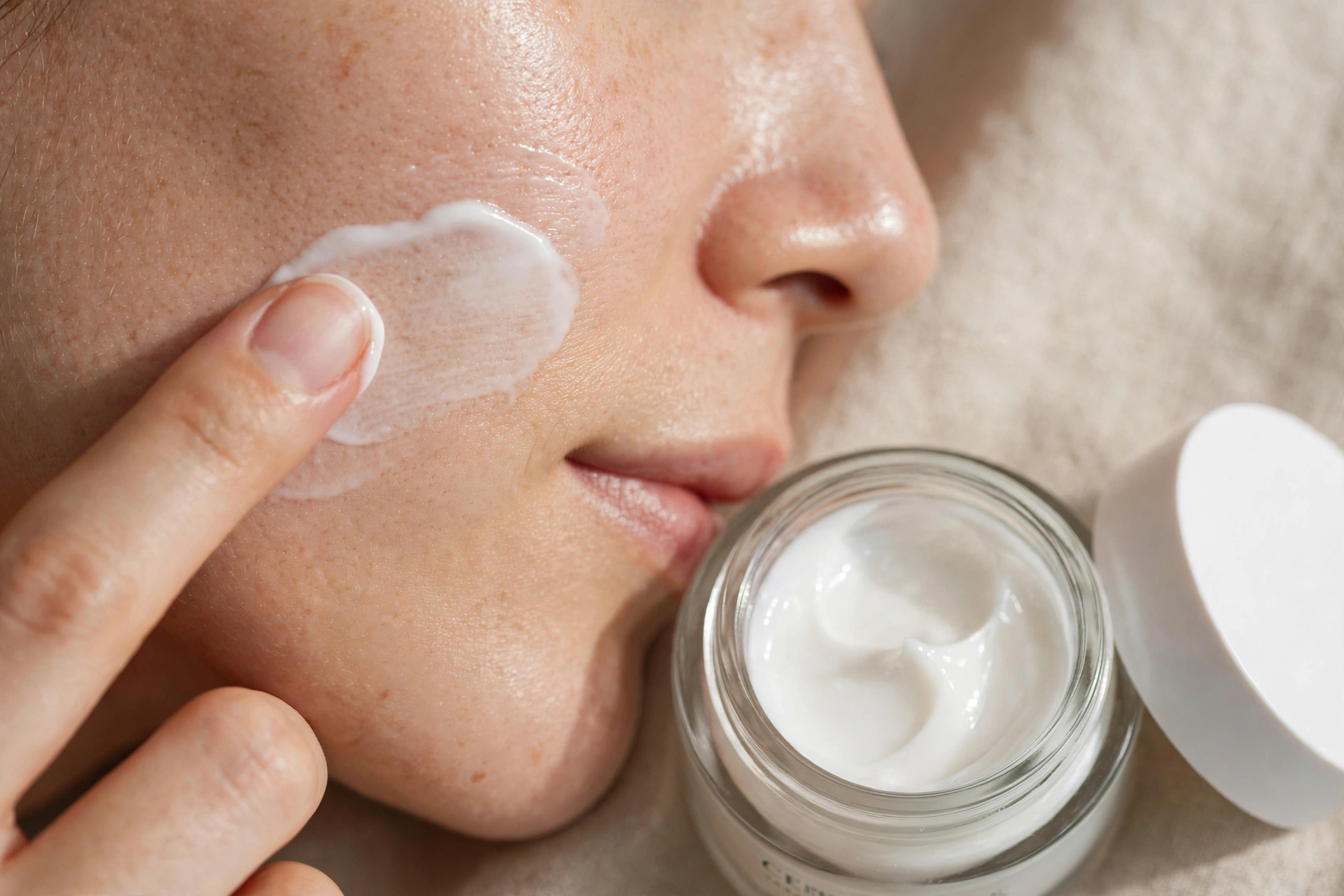
Your skin suddenly hates everything. The gentle cleanser you have used for a year now stings. Your favourite serum leaves a hot, red flush. Makeup sits weirdly on your face, and your cheeks feel tight and dry no matter how much moisturizer you layer on. You have not changed anything — or worse, you did, and now everything feels broken.
Nine times out of ten, the culprit is a damaged skin barrier. The good news is that a compromised barrier is one of the most fixable problems in skincare. The bad news is that most people try to fix it with more actives, stronger products, and faster exfoliation — the exact opposite of what works. If you want to repair your skin barrier, you need to stop attacking it and start feeding it.
This guide walks you through the signs of barrier damage, what causes it, the ingredients that genuinely help, and a complete 7-day repair routine you can start tonight. No guesswork, no marketing fluff — just what dermatologists recommend and what actually works.
Your skin barrier is the outermost layer of your skin, called the stratum corneum. Think of it as a brick wall: the skin cells are the bricks, and the lipids between them — ceramides, cholesterol, and fatty acids — are the mortar. When the wall is intact, it keeps moisture in and irritants, pollution, and bacteria out.
A healthy barrier is smooth, calm, and resilient. Products absorb comfortably, your skin looks plump, and minor environmental stress does not cause drama. When the barrier is damaged, the mortar crumbles. Moisture escapes (a process called transepidermal water loss), irritants slip in, and your skin goes into full alert mode: redness, stinging, dryness, and breakouts.
Barrier damage is temporary in most cases. With the right approach, a mildly compromised barrier can recover in a few days to a couple of weeks. Severe damage — from chemical peels, burns, or long-term over-exfoliation — can take a month or more. The 7-day routine below is designed for the common, mild-to-moderate case most people face.
It is easy to mistake barrier damage for other problems. Many people think they suddenly developed sensitive skin, or that their products went bad. Here are the classic signs:
Stinging or burning when applying products. If even plain water or a basic moisturizer stings, your barrier is compromised. This is the number one tell.
Redness and inflammation. Persistent pink or red patches, especially on the cheeks and around the nose, signal that irritants are getting through.
Tightness and dryness. Skin feels dry and tight within minutes of washing, even after moisturizing. Moisture is evaporating straight through the gaps.
Rough, flaky, or bumpy texture. Micro-flakes and a sandpaper feel are common when the outer layer is shedding abnormally.
Increased sensitivity. Things that never bothered you — fragrance, essential oils, sunscreen, tap water — suddenly cause reactions.
Sudden breakouts. A damaged barrier lets bacteria in and triggers inflammation, which can cause clogged pores and breakouts even in people who rarely get them.
Makeup applies poorly. Foundation clings to dry patches, pills, or separates within hours.
If you recognize three or more of these, stop what you are doing and switch to repair mode. Continuing with actives will only deepen the damage.
Not every red face is a barrier issue. Allergic reactions to a specific product tend to appear within hours of use and may include itching, hives, or swelling — that is an allergy, not barrier damage, and it needs a different response. Rosacea flares, eczema, and perioral dermatitis also mimic barrier damage but are chronic conditions that need diagnosis. If the redness and stinging persist beyond two weeks of a proper repair routine, see a dermatologist rather than guessing further.
Barrier damage is almost always self-inflicted. Understanding the cause matters because the first step of any repair is removing the thing that caused the problem.
The most common cause, by far. Using AHAs, BHAs, retinoids, scrubs, and exfoliating brushes too often — or stacking them together — dissolves the lipid mortar faster than your skin can rebuild it. The classic mistake: a glycolic acid toner plus a retinol serum plus a salicylic acid cleanser, all in one day, every day. Your skin needs rest days.
Cleansers with a high pH or strong surfactants (look for sodium lauryl sulfate) strip the natural lipids from your skin. If your face feels squeaky-clean and tight after washing, your cleanser is too aggressive. A healthy cleanse should leave skin feeling clean but comfortable — never tight.
Vitamin C, retinoids, benzoyl peroxide, high-strength niacinamide — each of these is useful on its own, but layering several strong actives at once overwhelms the barrier. More is not better in skincare; it is just more irritating.
Sun exposure without adequate protection, very cold or very dry air, wind, and pollution all degrade the barrier over time. Winter is barrier-damage season for a reason.
Scalding hot water strips oils from the skin. Washing your face in a steaming hot shower is a daily barrier-damage habit many people do not realize they have.
Aggressive at-home peels, dermaplaning too often, picking at blemishes, and overuse of cleansing devices all physically damage the outer layer.
When your barrier is down, ingredient choice is everything. You want ingredients that rebuild the lipid mortar, calm inflammation, and hold water in. Here are the proven ones.
Ceramides are the single most important barrier-repair ingredient. They make up roughly 50% of the lipids in your stratum corneum, and damaged skin is measurably depleted in them. Products containing ceramides (often labelled as ceramide NP, AP, or EOP) directly replenish the mortar between your skin cells.
What to look for: A moisturizer that lists multiple ceramides plus cholesterol and fatty acids. Research shows the combination works better than ceramides alone, because that trio mirrors your skin's natural lipid ratio. Look for formulas described as "barrier repair" or "barrier cream."
Niacinamide (vitamin B3) is a barrier-repair multitasker. Studies show it boosts the skin's natural production of ceramides and fatty acids, reduces inflammation, calms redness, and improves the skin's ability to hold water. It also helps regulate oil production, which is useful if barrier damage has triggered breakouts.
What to look for: Concentrations of 2–5% are ideal during repair. Higher concentrations (10% and above) can irritate already-damaged skin in some people, so save the strong stuff for after recovery.
These humectants pull water into the skin. They do not repair the barrier directly, but they keep the skin hydrated while the barrier rebuilds, which reduces tightness and flaking.
What to look for: Apply humectant serums to damp skin, then seal them in with an occlusive moisturizer. Used alone on dry skin in dry air, humectants can actually pull water out of your skin — layering matters.
Panthenol soothes irritation and supports healing. It is a classic ingredient in barrier-repair and post-procedure products because it calms the skin while promoting recovery.
Squalane is a lightweight oil that mimics your skin's natural oils. It reinforces the lipid layer without feeling heavy and works well even for oily skin types during repair.
Do not underestimate humble petrolatum. It is one of the most effective ingredients at preventing water loss — studies show it reduces transepidermal water loss by up to 98%. A thin layer over your moisturizer at night ("slugging") can dramatically speed up recovery.
Stop all of the following until your barrier is healed: AHAs (glycolic, lactic, mandelic acid), BHAs (salicylic acid), retinoids (retinol, retinal, tretinoin), benzoyl peroxide, physical scrubs, high-concentration vitamin C, and products with fragrance or drying alcohols. You can reintroduce them one at a time after recovery.
This routine is deliberately simple: cleanse gently, hydrate, moisturize, protect. That is all damaged skin needs.
Cleanse (optional): If your skin is very irritated, skip the morning cleanse entirely and just rinse with lukewarm water. Otherwise, use a gentle, low-pH cream or milk cleanser.
Hydrating serum: While skin is still damp, apply a hyaluronic acid or glycerin-based serum. Keep it simple — no actives.
Niacinamide (optional): If your serum does not already contain it, a 2–5% niacinamide serum goes here.
Barrier moisturizer: Apply a ceramide-rich cream. Use a generous amount — damaged skin needs more than you think.
Sunscreen: Finish with a gentle, fragrance-free mineral or hybrid sunscreen (SPF 30+). UV damage will undo your repair work, so this step is non-negotiable. If sunscreen stings, try a mineral formula with zinc oxide.
Cleanse: Remove sunscreen and the day's buildup with a gentle cleanser. If you wear heavy makeup, double cleanse with a mild oil or balm first, followed by your gentle cleanser.
Hydrating serum: Same as morning — apply to damp skin.
Niacinamide serum: Apply your 2–5% niacinamide if you are using one.
Barrier moisturizer: A thick layer of your ceramide cream.
Occlusive seal (the repair accelerator): On nights when your skin feels especially tight or flaky, add a thin layer of petrolatum-based ointment or squalane over everything. This "slugging" step locks in all the layers beneath it and can visibly calm the skin by morning.
Days 1–2: The stinging should start to calm. Your skin may still look red and feel dry, but products should hurt less. Resist the urge to exfoliate the flakes — they are part of the healing process.
Days 3–4: Tightness after cleansing should be noticeably reduced. Flakiness may temporarily look worse as damaged outer cells shed — this is normal. Keep the routine steady and do not add anything new.
Days 5–6: Redness should be fading. Your skin should feel more comfortable and look calmer. This is the danger zone — you will be tempted to restart your actives. Do not. Give it the full week.
Day 7: Take stock. If products no longer sting, redness is gone, and your skin feels comfortable and smooth, your barrier has likely recovered. If stinging or significant redness persists, extend the routine for another week before reintroducing anything.
When your barrier is healed, bring back your actives one at a time, spaced several days apart. Start with the gentlest one, use it twice a week, and watch for any return of stinging or redness. If symptoms return, remove the product and give your skin another week of repair. The goal going forward is prevention: never stack multiple strong actives, always include rest days, and keep a ceramide moisturizer in your routine permanently.
Use lukewarm water only. Hot water is the enemy of a damaged barrier. Keep showers warm, not steaming, and wash your face with comfortably lukewarm water.
Pat, don't rub. Rubbing with a towel creates friction on already-compromised skin. Pat dry gently or leave skin slightly damp before applying products.
Simplify ruthlessly. A 10-step routine is a liability right now. Cleanser, serum, moisturizer, sunscreen — four products maximum.
Sleep on a clean pillowcase. Bacteria from pillowcases can irritate damaged skin. Change yours at the start of the week.
Humidify dry air. If you sleep in air conditioning or heating, a bedroom humidifier reduces the moisture your skin loses overnight.
Don't pick or peel flakes. Let dead skin shed on its own. Picking creates micro-wounds and restarts the damage cycle.
Watch your diet and stress. They will not fix your barrier alone, but poor sleep and high stress increase inflammation, which slows healing.
Patch test before reintroducing anything. Even products you used before can irritate freshly healed skin. Test on a small area first.
You do not need a whole new routine — just the right versions of the basics. Here is what to look for when shopping:
Gentle cleanser: Look for "pH 5.5," "cream cleanser," "milk cleanser," or "gentle" on the label. Avoid foaming cleansers with sulfates and anything that leaves skin squeaky.
Ceramide moisturizer: The hero product. Look for multiple ceramides (NP, AP, EOP) plus cholesterol and fatty acids on the ingredient list. Thicker creams beat lightweight lotions for repair.
Niacinamide serum (2–5%): Check the concentration on the label. During repair, lower is better.
Hyaluronic acid or glycerin serum: Fragrance-free, minimal ingredient list. Glycerin-based formulas are often cheaper and just as effective.
Gentle mineral sunscreen SPF 30+: Fragrance-free, ideally with zinc oxide. Test it on your jawline first — even sunscreen can sting a damaged barrier.
Occlusive (optional but powerful): Plain petrolatum ointment or squalane oil for the nighttime seal.
Honest buying advice: price does not predict performance here. Some of the best barrier-repair moisturizers are affordable drugstore creams with ceramides, while some expensive "luxury" formulas are loaded with fragrance that will sting damaged skin. Read the ingredient list, not the marketing.
For mild to moderate damage, most people see major improvement within 7–14 days of a proper repair routine. Severe damage — from overuse of strong peels or prescription retinoids — can take 4–6 weeks. The key variable is consistency: every time you reintroduce an irritant too early, the clock restarts.
Yes, but keep it minimal and gentle. Damaged skin does not tolerate heavy, long-wear foundations well — they cling to dry patches and require harsh removers. If you need coverage, use a light tinted moisturizer or BB cream, and remove it gently in the evening. Skip setting sprays with alcohol and powder foundations, which emphasize flakiness.
Yes. Research shows niacinamide increases the skin's natural production of ceramides and free fatty acids, which are the building blocks of the barrier. It also reduces inflammation and redness. A 2–5% concentration is ideal during the repair phase; higher strengths can irritate already-damaged skin.
Ceramides make a measurable difference. Studies show that moisturizers containing ceramides, cholesterol, and fatty acids restore barrier function faster than basic moisturizers without them. A plain moisturizer hydrates; a ceramide moisturizer hydrates and rebuilds. During repair, choose the latter.
Stinging means the product is reaching nerve endings through gaps in your barrier — the mortar is missing, so ingredients penetrate deeper and faster than they should. Even gentle products can sting a badly damaged barrier. If a basic, fragrance-free moisturizer stings painfully, simplify further: try a minimal petrolatum-based ointment until the stinging subsides.
Yes. A compromised barrier lets bacteria penetrate more easily and triggers an inflammatory response, both of which can cause breakouts — even in people who do not normally get acne. The fix is counterintuitive: stop the acne treatments (benzoyl peroxide, salicylic acid) and repair the barrier first. The breakouts usually clear as the barrier heals.
Slugging — sealing your nighttime routine with a thin layer of petrolatum — is one of the most effective things you can do for a damaged barrier. Petrolatum reduces water loss by up to 98%, giving your skin the sealed, moist environment it needs to rebuild. Use a thin layer, not a thick mask, and skip it if you are very acne-prone and notice new clogged pores.
See a dermatologist if: the damage does not improve after two weeks of a strict repair routine; you have signs of infection (spreading redness, warmth, pus); you suspect eczema, rosacea, or perioral dermatitis rather than simple barrier damage; or you were using prescription products (like tretinoin) when the damage occurred. A professional can distinguish barrier damage from conditions that need medical treatment.
A damaged skin barrier shows up as stinging, redness, tightness, flakiness, and sudden sensitivity to products that used to be fine.
The most common cause is over-exfoliation and stacking too many strong actives — the fix starts with stopping them.
Ceramides, niacinamide (2–5%), hyaluronic acid, panthenol, squalane, and petrolatum are the proven repair ingredients.
The 7-day routine is simple: gentle cleanse, hydrate, ceramide moisturizer, sunscreen by day; add an occlusive seal at night.
Expect improvement within a week for mild damage, but do not rush back to actives — reintroduce them one at a time after full recovery.
Price does not equal performance: read ingredient lists, avoid fragrance, and keep the routine to four products during repair.
A damaged skin barrier feels like a skincare emergency, but it is one of the most solvable problems you will ever face. The formula is almost boring in its simplicity: stop the irritants, feed the skin ceramides and niacinamide, lock in moisture, and protect from the sun. Seven days of discipline beats seven new products every time.
The deeper lesson is prevention. Once your barrier is healed, build your routine around it rather than against it — rest days between exfoliation, one active at a time, and a ceramide moisturizer as your permanent foundation. Your skin was never meant to be battled into submission. Treat the barrier well, and everything else in your routine works better.
Discover the 15 best fragrance-free skincare products for sensitive skin — gentle cleansers, moisturizers and sunscreens that calm, never irritate.
Read More arrow_forward
Retinal vs retinol — which wins for wrinkles? We compare strength, speed, side effects, and who should use each.
Read More arrow_forward
Does volufiline really plump lips and cheeks? This 2026 guide covers how it works, realistic timelines, safety, and honest buying advice.
Read More arrow_forward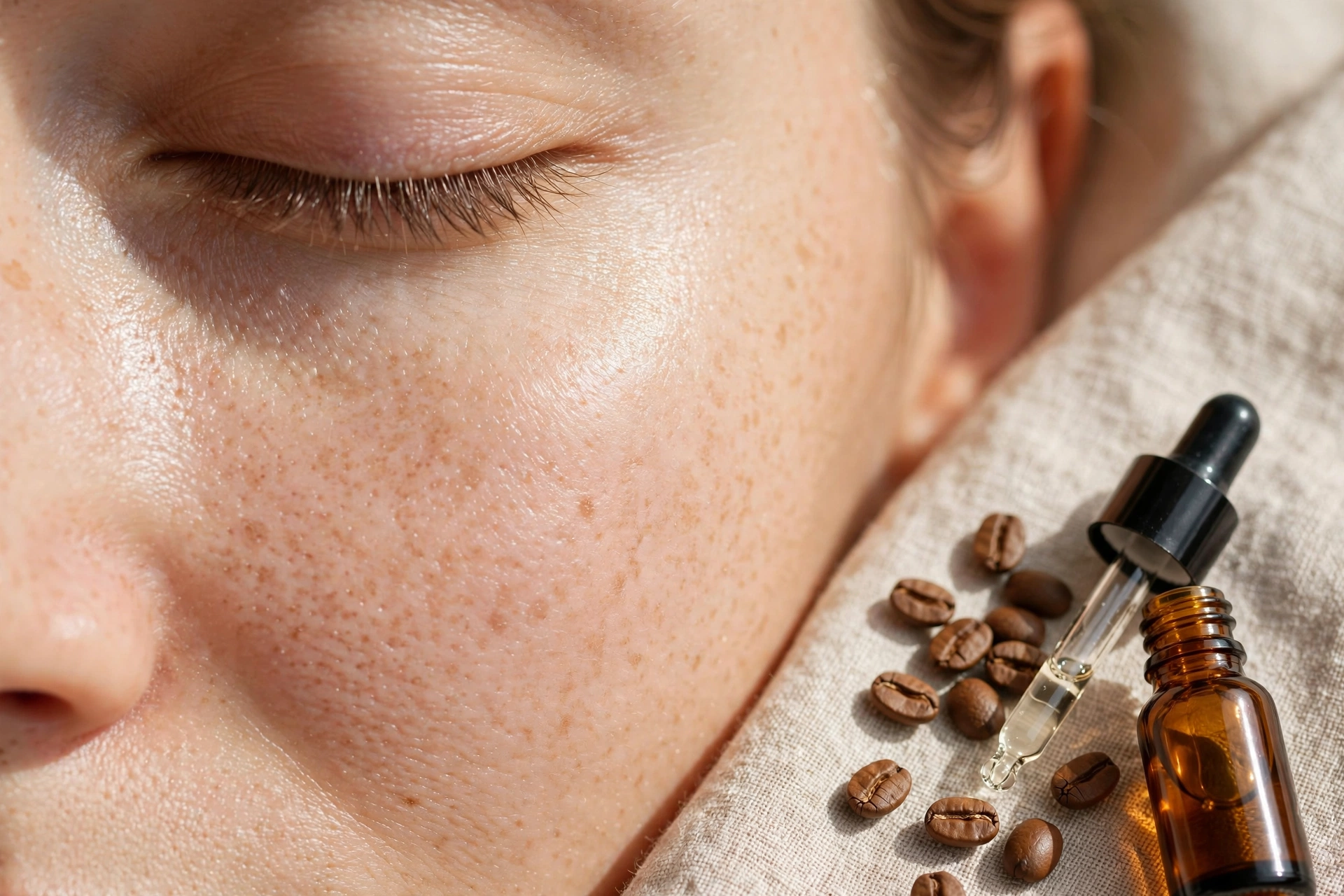
The best caffeine eye serums for dark circles and puffiness — how caffeine works, what to look for, top formulas, and pro application tips for 2026.
Read More arrow_forward
PDRN serum — salmon-derived DNA fragments for skin repair, elasticity and hydration. What the science says, how to use it, and how to buy smart.
Read More arrow_forwardCalculate your Body Mass Index (BMI) in seconds. BMI is a quick screening number…
Use now arrow_forwardFind your daily calorie needs based on your age, sex, height, weight and activit…
Use now arrow_forwardFind how much water you should drink each day, in litres and glasses, based on y…
Use now arrow_forward