Best Pregnancy Safe Moisturiser for Dry Skin UK: 7 Gentle Picks
Seven gentle, pregnancy-safe moisturisers for dry skin, with UK prices, ingredients to avoid, and a calm daily routine.
Read More arrow_forwardSeven budget vitamin C serums for dark spots in the UK, plus how to choose strength, avoid irritation, and get brighter, more even skin.
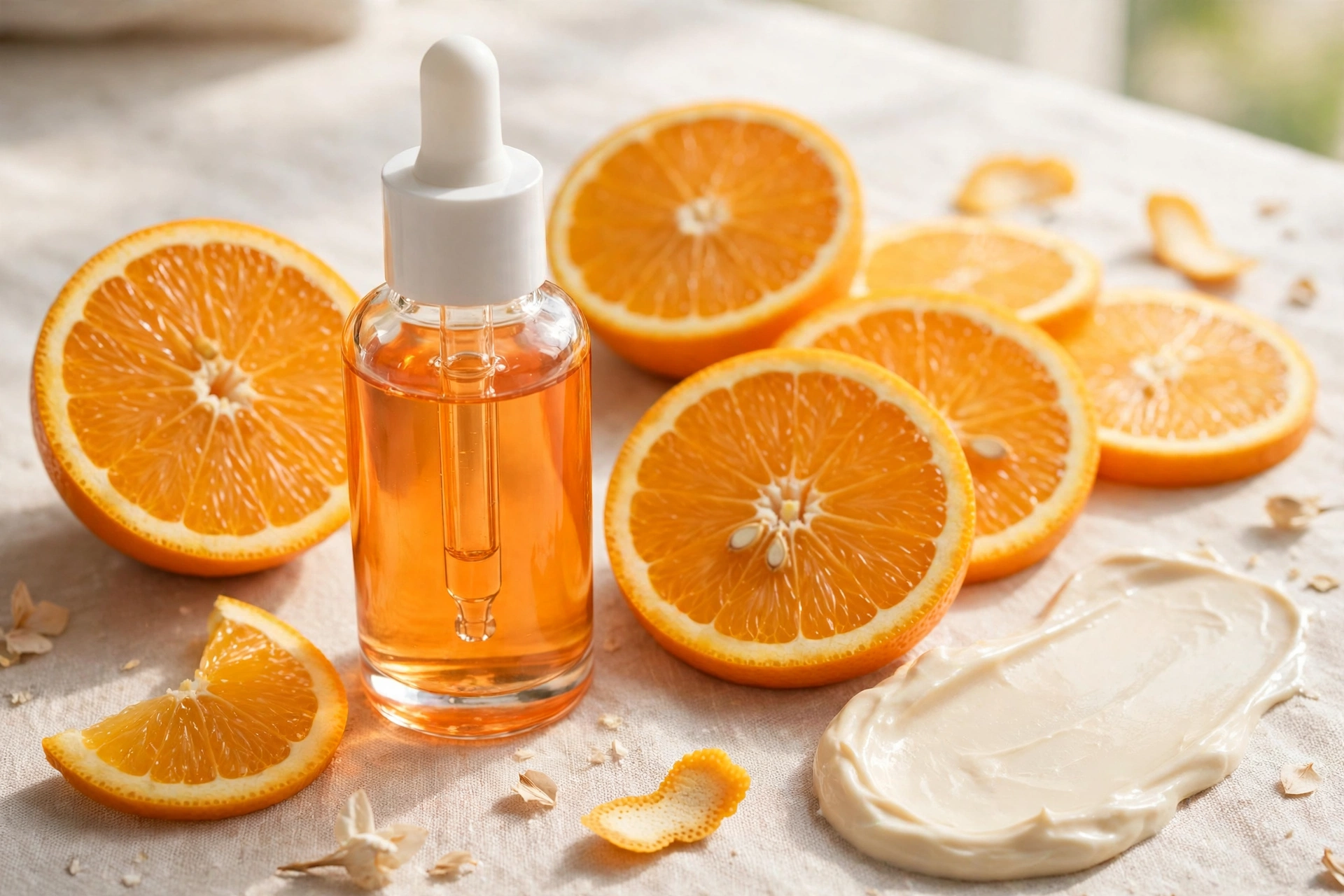
If you are searching for the best affordable vitamin c serum for dark spots uk, you probably want brighter, more even skin without spending a premium price. Dark spots, also called hyperpigmentation, are common in the UK: sun exposure on holidays and bright summer days, spots left after acne, hormonal changes, and ageing can all leave marks that linger long after the original trigger has gone. Vitamin C is one of the most researched brightening ingredients, and thankfully some of the most effective formulas are also among the most affordable, widely available at Boots, Superdrug and Cult Beauty. This guide explains how vitamin C works, what to look for in a budget formula, seven types of affordable pick to consider, and how to use them safely for real, gradual results.
Dark spots can be frustrating because they fade slowly. Skin cells turn over over weeks, not days, and pigment that sits deeper in the skin takes longer to shift. That is why realistic expectations matter: a good vitamin C serum used consistently, alongside daily sunscreen, can visibly brighten skin and soften spots over eight to twelve weeks, but it will not erase deep pigmentation overnight. Combining vitamin C with good sun protection, gentle exfoliation and barrier care gives it the best chance to work. This guide focuses on affordable options in budget, mid-range and premium-adjacent price bands, without recommending a single miracle product, because skin type, sensitivity and the cause of your spots all influence which formula suits you best.
## Best Affordable Vitamin C Serum for Dark Spots UK: What to Look For
Vitamin C, usually listed as ascorbic acid or a derivative such as ethyl ascorbic acid, sodium ascorbyl phosphate or ascorbyl glucoside, works by interfering with melanin production and by acting as an antioxidant. In simple terms, it helps calm the overproduction of pigment that creates dark spots, while also protecting skin from environmental damage that can worsen them. It also supports collagen, which is why skin often looks firmer and more radiant with regular use. Pure ascorbic acid is potent but can be unstable and irritating, especially at high strengths. Derivatives are gentler and more stable, though they may work more gradually. For most people starting out, a derivative or a lower-strength ascorbic acid formula is a sensible first choice.
### Strength, Form and Stability
Strength is often misunderstood. More is not automatically better. A formula with around 10 to 15 percent vitamin C is effective for many people, while 20 percent and above increases the risk of irritation without necessarily giving proportionally faster fading. Beginners, sensitive skin and those using other active ingredients should start lower and build up. Form matters too: serums in opaque, airtight or dark glass bottles with droppers or pumps protect vitamin C from light and air, which degrade it. If a serum turns dark orange or brown, smells metallic or feels sticky in a new way, it may have oxidised and lost potency. Store vitamin C away from bathroom humidity and heat where possible, keep the cap closed, and use it within the period after opening stated on the packaging.
### Ingredients That Help Vitamin C Work Better
Vitamin C rarely works alone in a good formula. Vitamin E and ferulic acid are classic partners that stabilise vitamin C and boost antioxidant protection. Niacinamide can help with uneven tone, though combining strong vitamin C and niacinamide in the same routine needs care if your skin is sensitive. Hyaluronic acid and glycerin add hydration, which helps vitamin C sit comfortably on the skin. Some formulas include tranexamic acid, alpha arbutin or kojic acid derivatives for additional brightening, but these increase the chance of irritation if layered carelessly. For a first serum, a simple formula with vitamin C, a hydrating base and one or two supportive antioxidants is often the most reliable choice. Our [ingredient combinations guide](https://www.glowmagzine.com/blog/skincare-ingredient-combinations-guide-uk/) explains how to pair actives safely without overloading your routine.
### What Dark Spots Need Besides Vitamin C
Vitamin C alone cannot prevent new dark spots if sun protection is missing. Ultraviolet light triggers melanin production, so any brightening routine without daily sunscreen is fighting an uphill battle. In the UK, sunscreen is needed even on cloudy days and in winter, because UV penetrates cloud and reflects off surfaces. Choose a broad-spectrum SPF 30 or higher for daily use, and SPF 50 if you are actively treating pigmentation or spending time outdoors. If you have sensitive skin, a fragrance-free sunscreen is often more comfortable. Our guide to the [best fragrance-free sunscreen for sensitive skin](https://www.glowmagzine.com/blog/best-fragrance-free-sunscreen-for-sensitive-skin-uk/) can help you find one you will actually wear every day, which is the most important factor of all.
## Understanding Your Dark Spots Before You Buy
Not all dark spots are the same, and the cause influences how well vitamin C will help. Post-inflammatory hyperpigmentation follows acne, eczema, burns or picking, and often fades gradually with brightening ingredients and sun protection. Sun spots, also called age spots or solar lentigines, come from cumulative sun exposure and may need longer, consistent treatment. Melasma is hormonally influenced pigmentation, often appearing as larger patches on the cheeks, forehead or upper lip, and it can be stubborn and easily triggered by sun and heat. Freckles are largely genetic and are not usually a treatment target. If you have a new, changing, bleeding, very dark or irregular mole or spot, or a spot that does not fit the pattern of ordinary pigmentation, see your GP or a dermatologist promptly rather than treating it at home. The [NHS conditions guide](https://www.nhs.uk/conditions/) and the [British Association of Dermatologists](https://www.bad.org.uk/) both provide information on when pigmentation needs medical review.
Skin tone also matters. Darker skin tones are more prone to post-inflammatory pigmentation, and irritation from strong actives can itself trigger new spots, so gentle, gradual use is especially important. Lighter skin tones may see sun spots more readily and benefit strongly from rigorous sun protection. In both cases, patch testing a new serum, starting with a few times a week, and avoiding picking or harsh scrubbing will protect your progress. Vitamin C is generally well tolerated across skin tones when introduced gradually, but any stinging, prolonged redness or peeling is a sign to reduce frequency or switch to a gentler derivative.
It is also worth being honest about timelines. Most studies and dermatologist guidance suggest assessing a brightening serum after at least eight weeks of consistent use, with photos in the same lighting helping you judge change objectively. Spots rarely fade evenly: some lighten first, others take longer, and overall radiance often improves before individual spots fully disappear. Keeping a simple routine, rather than constantly switching products, gives vitamin C time to work. If you change serums every two weeks, you will never know which one was helping.
## Seven Affordable Types of Vitamin C Serum to Consider in the UK
The picks below are described by type and strength, rather than as a ranked list of specific branded claims, so you can match them to your skin and budget in Boots, Superdrug or Cult Beauty. Budget options are widely available from pharmacy own brands and affordable skincare brands, mid-range options often add better packaging or supporting antioxidants, and premium-adjacent budget picks may cost more but still sit well below luxury prices. Always check the current ingredient list and price band in store, as formulations change.
### 1. The Gentle Derivative Serum for Beginners
A serum based on a stable derivative, such as sodium ascorbyl phosphate or ethyl ascorbic acid at a modest strength, is ideal if you have sensitive skin or have never used vitamin C before. These formulas tend to be less irritating, have a longer shelf life, and can be used morning and evening once tolerated. They may work more gradually than pure ascorbic acid, but they are far more likely to be used consistently, which matters more for fading spots. Look for a simple ingredient list, a pump or opaque bottle, and hydrating ingredients to keep skin comfortable.
### 2. The Classic Budget Ascorbic Acid Serum
A straightforward ascorbic acid serum in the budget band, typically around 10 to 15 percent, offers potent brightening at a low price. These serums can feel slightly tacky or warm on application, which is normal for ascorbic acid, but persistent stinging suggests the strength or frequency is too high. Use it in the morning under sunscreen for antioxidant protection, or in the evening if mornings feel too busy. Because pure ascorbic acid oxidises faster, buy smaller bottles, store them carefully, and replace them if the colour changes dramatically.
### 3. The Vitamin C and Vitamin E Combination
Formulas pairing vitamin C with vitamin E and ferulic acid are a favourite among dermatologists because the combination stabilises vitamin C and enhances antioxidant defence. Budget versions of this classic trio exist in UK pharmacies and online beauty retailers, and they suit people who want both brightening and environmental protection. They can feel slightly richer, so they work well for normal to dry skin, while oily skin types may prefer a lighter, water-based version of the same combination. Apply a few drops to clean skin and allow it to absorb before moisturiser.
### 4. The Hydrating Vitamin C Serum for Dry Skin
If your skin is dry, a vitamin C serum with hyaluronic acid, glycerin and a light moisturising base can brighten without leaving skin tight. Dry skin often shows dullness alongside dark spots, so hydration alone can make skin look more radiant while vitamin C works on pigment. These serums layer well under a rich moisturiser in winter and under a light moisturiser in summer. They are also a good choice if you use retinoids at night and want a gentler morning active. For barrier support alongside brightening, see our guide on [ceramides and retinol together](https://www.glowmagzine.com/blog/can-you-use-ceramides-and-retinol-together-uk/), which explains how to keep skin calm while using actives.
### 5. The Lightweight Serum for Oily and Acne-Prone Skin
Oily and acne-prone skin needs a vitamin C formula that will not clog pores or leave a heavy film. Water-based, oil-free serums with a derivative form of vitamin C are often the best fit, as they absorb quickly and sit well under sunscreen and makeup. If you are also treating acne marks, avoid layering too many strong actives at once: vitamin C in the morning and a gentle acne treatment at night is a balanced split. Picking spots will create new marks faster than any serum can fade old ones, so hands-off care is part of the treatment.
### 6. The Brightening Serum with Additional Pigmentation Support
Some affordable serums combine vitamin C with niacinamide, tranexamic acid or alpha arbutin for extra brightening power. These can be effective for stubborn spots, but they also raise the risk of irritation, especially if you already use exfoliating acids or retinoids. Introduce such a serum slowly, perhaps three times a week at first, and do not add another new brightening product at the same time. If your skin becomes red, flaky or sore, pause the serum and return to gentle cleansing and moisturising until it calms. This type suits people who have already tolerated plain vitamin C and want a stronger next step.
### 7. The Fragrance-Free Serum for Sensitive and Reactive Skin
Fragrance is a common irritant, and sensitive skin often reacts to heavily scented serums even when the active itself is gentle. A fragrance-free, alcohol-free vitamin C serum in a budget band is the safest choice for reactive skin, rosacea-prone skin, or skin recovering from irritation. These formulas may look plain, but plain is a virtue when your goal is consistent use without flare-ups. Patch test on the jawline for several days before full-face use, and pair with a fragrance-free moisturiser and sunscreen for a complete gentle routine.
Serum type table: Gentle derivative serum — Sensitive, beginners — Low to moderate derivative — Budget. Classic ascorbic acid serum — Normal, resilient — Around 10–15% — Budget. Vitamin C + E combination — Normal to dry — Moderate, stabilised — Budget to mid-range. Hydrating vitamin C serum — Dry, dull — Moderate, with hyaluronic acid — Budget to mid-range. Lightweight oil-free serum — Oily, acne-prone — Moderate derivative — Budget. Brightening combination serum — Stubborn spots, experienced users — Moderate, with extra brighteners — Mid-range. Fragrance-free serum — Sensitive, reactive — Low to moderate, gentle base — Budget.
## Best Affordable Vitamin C Serum for Dark Spots UK: How to Use It Safely
Using vitamin C correctly matters as much as choosing it. Apply it to clean, dry skin, usually in the morning, using two to three drops for the whole face, plus a little extra on areas with spots if the product allows. Wait a minute for it to absorb before applying moisturiser and sunscreen. If you use it in the evening, you can still benefit, but morning use pairs naturally with sunscreen and antioxidant protection during the day. Start with three to four times a week for the first two weeks, then increase to daily if your skin tolerates it. Tingling for a few seconds can be normal with ascorbic acid, but burning, prolonged redness or peeling means you should reduce frequency or switch to a gentler derivative.
Layering requires care. Vitamin C can be combined with hyaluronic acid, ceramides and niacinamide in most routines, but strong exfoliating acids, benzoyl peroxide and retinoids should be spaced out, ideally used at different times of day, to avoid irritation. A simple morning routine might be: gentle cleanser, vitamin C serum, moisturiser, sunscreen. An evening routine might be: cleanser, hydrating serum or retinoid if you use one, and a barrier moisturiser. If you are repairing a compromised barrier, prioritise barrier care first and reintroduce vitamin C gradually, as explained in our [skin barrier repair guide](https://www.glowmagzine.com/blog/how-to-repair-damaged-skin-barrier-uk/). Overloading skin with too many actives at once is the most common reason brightening routines fail.
Sun protection is non-negotiable. Apply sunscreen every morning, reapply if you are outdoors for long periods, and wear a hat and sunglasses on bright days. Even in the UK, UVA penetrates cloud and windows, and it contributes to pigmentation. If you go on holiday to a sunny destination, increase your protection and consider pausing stronger brightening actives if your skin becomes sun-sensitive. Remember that vitamin C is not a substitute for sunscreen: it supports protection, but it does not block UV on its own. For more on skin conditions and sun care, [DermNet NZ](https://dermnetnz.org/) offers detailed, dermatologist-reviewed information.
Storage and freshness also affect results. Keep vitamin C in a cool, dark place, close the bottle promptly, and avoid decanting it into clear containers. If you buy a large bottle to save money but use it slowly, it may oxidise before you finish it, which wastes both money and effort. Smaller bottles used consistently are better value in practice. Note the colour when you first open it: a pale straw or clear colour is normal for many formulas, while a deep orange-brown colour suggests oxidation. When in doubt, replace it rather than continuing with a degraded product.
## Common Mistakes That Slow Down Fading
The most common mistake is impatience. Switching serums every few weeks, adding three new brightening products at once, or increasing strength too quickly all lead to irritation, which can create new pigmentation. Another mistake is skipping sunscreen, which allows UV to undo brightening progress. A third is harsh exfoliation: scrubbing spots or using strong peels frequently can inflame skin and worsen marks, especially on darker skin tones. Gentle, consistent care wins over aggressive treatment every time.
Another frequent error is applying vitamin C only to spots. Pigmentation is often uneven across the face, and applying serum to the whole face, with a little extra on spots, gives a more even result and avoids creating light patches surrounded by darker skin. Similarly, neglecting the neck, chest and hands, which also show sun damage, can leave a mismatch. If you treat your face, extend a small amount to the neck and chest where appropriate, and apply sunscreen there too. Finally, remember that makeup and skincare with SPF in foundation alone are rarely enough: a dedicated sunscreen under makeup provides more reliable protection.
Lifestyle factors support fading as well. Smoking, excessive alcohol, poor sleep and chronic stress can all affect skin healing and inflammation, though they are not the sole cause of spots. Eating a varied diet rich in fruits and vegetables provides vitamin C internally too, but topical vitamin C reaches the skin in much higher concentrations than diet alone, so food is a complement, not a replacement. Protecting skin from picking, friction and harsh treatments is equally important: every picked spot risks a new mark that takes months to fade.
## Building a Simple Routine Around Vitamin C
A routine that you will actually follow is better than a perfect routine you abandon. For most people, a morning routine of cleanser, vitamin C, moisturiser and sunscreen, plus an evening routine of cleanser, moisturiser and any night treatment you already tolerate, is enough. Add a gentle exfoliant once a week if your skin tolerates it, but do not exfoliate on the same day you introduce a new vitamin C serum. Keep the rest of your routine stable for at least eight weeks while you assess the serum, and take photos in natural light every two weeks to track change.
If you have combination skin, you may need different amounts in different areas: a little more hydration on dry cheeks, a lighter layer on an oily T-zone. That is normal, and our guide to the [best winter moisturiser for combination skin](https://www.glowmagzine.com/blog/best-winter-moisturiser-for-combination-skin-uk/) can help you balance moisture without clogging pores. If you are also dealing with body pigmentation or rough skin, a targeted body product may be useful alongside facial care, though facial serums should not be used on the body in large amounts.
Budget planning helps too. A budget vitamin C serum, a fragrance-free moisturiser and a daily sunscreen together form a complete brightening basics kit, and buying in budget and mid-range bands keeps the routine sustainable. There is no need to buy a luxury serum to see results, and spending more does not guarantee faster fading. What matters is the right form and strength for your skin, stable packaging, daily sunscreen, and consistency over months. If a product works, repurchase the same one rather than chasing every new launch.
## Frequently Asked Questions
### How long does vitamin C take to fade dark spots?
Most people need eight to twelve weeks of consistent daily use to see visible fading, with overall brightness improving earlier. Deeper or older spots take longer, and melasma may need ongoing maintenance. Take photos in the same lighting every two weeks to judge progress, and keep using sunscreen throughout, as UV can quickly undo gains.
### Can I use vitamin C every day?
Yes, once your skin tolerates it, daily use is normal. Start three to four times a week for two weeks, then increase to daily if there is no irritation. If you experience stinging, redness or peeling, reduce frequency or switch to a gentler derivative formula. Sensitive skin may do best with alternate-day use long term.
### Should I use vitamin C in the morning or at night?
Morning is the most popular choice because vitamin C provides antioxidant protection during the day and layers well under sunscreen. Evening use also works, especially if you prefer a simpler morning routine. Choose the time you will stick to consistently, and avoid layering it with strong retinoids or exfoliating acids at the same time if your skin is sensitive.
### Can vitamin C be used with niacinamide and retinol?
Yes, with care. Vitamin C and niacinamide can be used together in many modern formulas, but if your skin is sensitive, use them at different times of day. Retinol is usually best kept for the evening, while vitamin C is used in the morning, to reduce irritation. Introduce one active at a time and watch for redness or flaking before adding the next.
### Will vitamin C make my skin more sensitive to the sun?
Vitamin C itself does not make skin sun-sensitive in the way retinoids or exfoliating acids can, but treating pigmentation without sunscreen will allow UV to worsen spots. Always wear broad-spectrum sunscreen when using brightening ingredients, and reapply outdoors. If your skin feels sensitive, it is usually due to another active or over-exfoliation, not vitamin C alone.
### Is a budget vitamin C serum as effective as an expensive one?
Often, yes. The active ingredient and its stability matter more than the price. A well-formulated budget serum in opaque, airtight packaging can outperform an expensive serum that has oxidised or irritates your skin. Focus on form, strength, packaging and tolerability, and spend the saving on a sunscreen you will wear daily.
### Can vitamin C help acne marks and melasma?
Vitamin C can help post-acne marks fade gradually, especially when combined with sun protection and gentle care. Melasma is more stubborn and hormonally influenced, so vitamin C may soften it but rarely clears it alone. Melasma needs rigorous sun protection, including hats and high-factor sunscreen, and sometimes prescription treatments, so seek dermatologist advice if patches are large or persistent.
### What should I do if vitamin C irritates my skin?
Stop or reduce use, return to gentle cleansing and moisturising, and let skin calm for several days. When you retry, choose a lower-strength derivative formula, use it less often, and patch test first. If irritation keeps returning, or if you have eczema, rosacea or another skin condition, seek pharmacist or GP advice before continuing with active brightening products.
## Key Takeaways
- Vitamin C helps fade dark spots by reducing excess melanin production and protecting skin as an antioxidant.
- Start with a gentle derivative or around 10 to 15 percent ascorbic acid, and increase only if tolerated.
- Choose opaque, airtight packaging, store serum cool and dark, and replace it if it turns deep orange-brown.
- Daily broad-spectrum sunscreen is essential: without it, UV will create new pigmentation faster than vitamin C can fade old spots.
- Use vitamin C consistently for at least eight to twelve weeks before judging results, and track progress with photos.
- Avoid layering too many strong actives at once, and keep vitamin C separate from retinoids and strong acids if sensitive.
- Budget serums can be highly effective: prioritise form, strength, stability and tolerability over price.
- Seek medical advice for new, changing, bleeding or irregular spots, or for large, persistent melasma patches.
## Conclusion
Finding an affordable vitamin C serum for dark spots in the UK does not require a luxury budget or a complicated routine. A gentle, stable formula, used consistently in the morning under a good sunscreen, can gradually brighten skin and soften spots over weeks and months. Start low, be patient, protect your skin from the sun every day, and resist the urge to add too many actives at once. The seven types outlined here give you a practical starting point, whether you have sensitive, dry, oily or combination skin, and whether you shop in the budget or mid-range band at Boots, Superdrug or Cult Beauty. With steady use and realistic expectations, vitamin C remains one of the best-value brightening ingredients available, and your skin will thank you for the consistency.
Seven gentle, pregnancy-safe moisturisers for dry skin, with UK prices, ingredients to avoid, and a calm daily routine.
Read More arrow_forward
Seven soothing winter hand creams for dry, cracked UK hands — rich, protective picks, typical prices, and expert application tips.
Read More arrow_forward
Find a tinted sunscreen that evens tone without settling into fine lines, with UK shade, finish and hydration advice for mature skin.
Read More arrow_forward
The best k-beauty dupes for luxury skincare UK: 7 smart swaps that save money without losing glow — serums, creams and SPF, with UK stockists.
Read More arrow_forward
Finding the best winter moisturiser for combination skin uk shoppers can trust is tricky. These 7 picks hydrate dry cheeks without overloading oily T-zones.
Read More arrow_forwardCalculate your Body Mass Index (BMI) in seconds. BMI is a quick screening number…
Use now arrow_forwardFind your daily calorie needs based on your age, sex, height, weight and activit…
Use now arrow_forwardFind how much water you should drink each day, in litres and glasses, based on y…
Use now arrow_forward