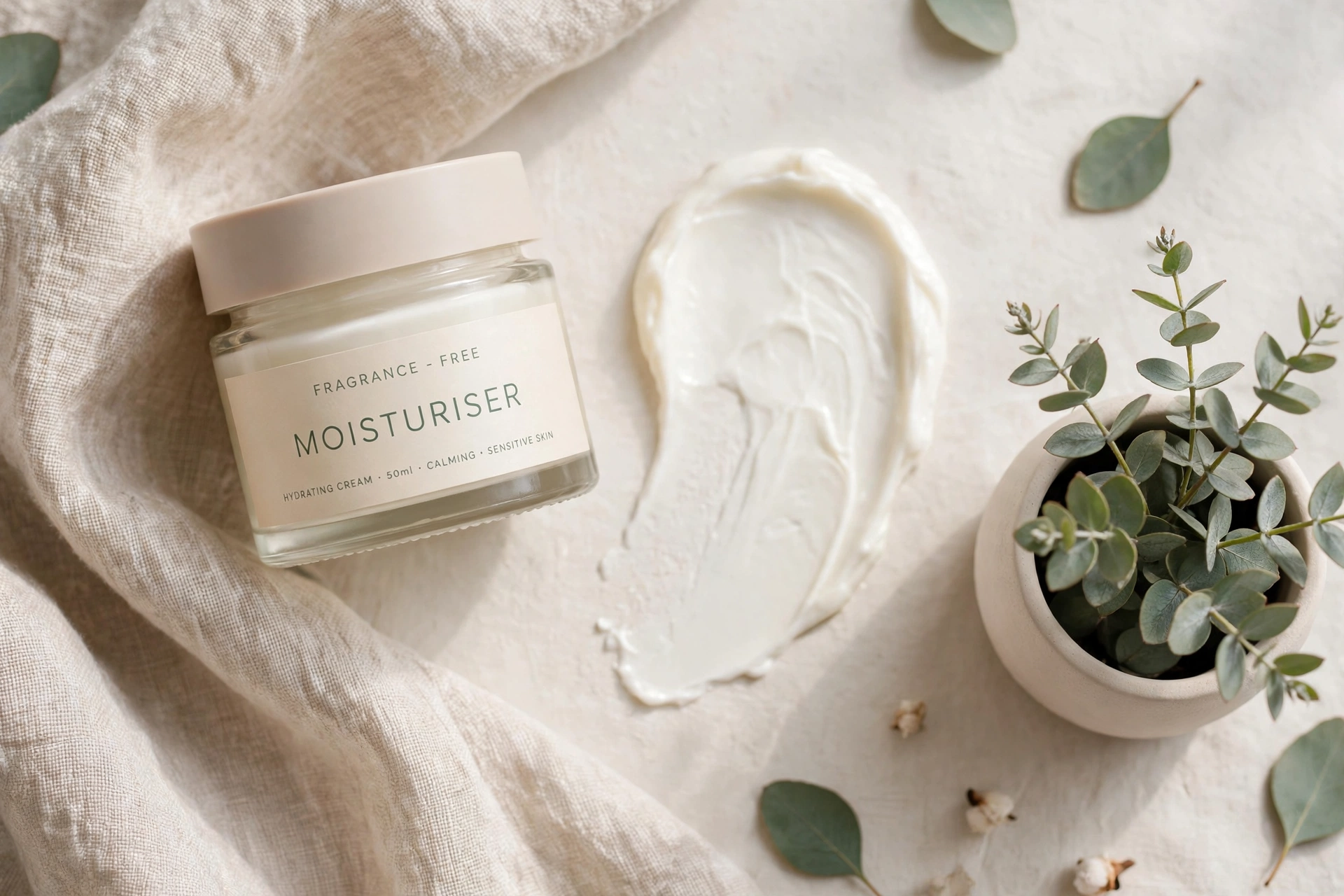
Best Pregnancy Safe Moisturiser for Dry Skin UK: 7 Gentle Picks
Seven gentle, pregnancy-safe moisturisers for dry skin, with UK prices, ingredients to avoid, and a calm daily routine.
Read More arrow_forwardFinding the best winter moisturiser for combination skin uk shoppers can trust is tricky. These 7 picks hydrate dry cheeks without overloading oily T-zones.
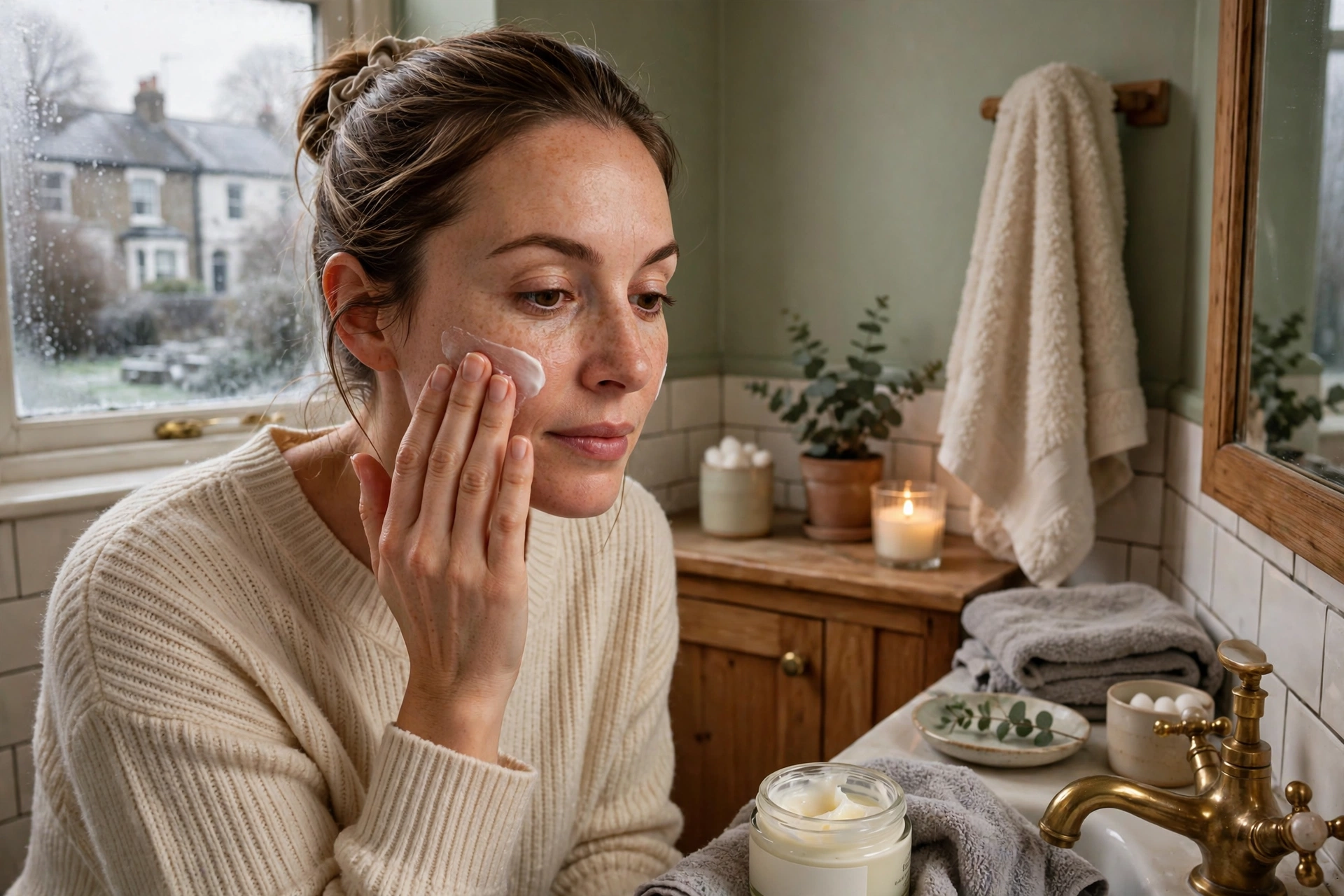
Finding the best winter moisturiser for combination skin uk shoppers can actually rely on is harder than it sounds. Combination skin already asks for two different things at once: enough moisture for dry, sometimes tight cheeks, and a light enough finish for a forehead, nose, and chin that can turn shiny by midday. Winter makes that balancing act even trickier. Cold wind outside, rain, and then dry central heating indoors can strip moisture from your cheeks while your T-zone keeps producing oil as usual. The wrong winter cream can leave your cheeks still feeling tight and your T-zone looking greasy, clogged, or spot-prone. The right one hydrates evenly, supports your skin barrier, and sits comfortably under sunscreen and makeup. This guide explains what to look for, how to build a winter routine around your moisturiser, and seven balanced picks that suit different budgets and sensitivities. It is general information only, not medical advice, and if you have a diagnosed skin condition or persistent irritation, speak to your GP or a dermatologist before changing your routine.
## Best Winter Moisturiser for Combination Skin UK: What to Look For
The best winter moisturiser for combination skin is rarely the thickest cream on the shelf. What matters far more is the balance of three types of ingredients. Humectants such as glycerin and hyaluronic acid draw water into the skin and give that immediate plumped, comfortable feeling. Emollients such as squalane, jojoba, and shea butter in modest amounts smooth the skin surface and reduce the feeling of tightness. Occlusives such as ceramides and a small amount of petrolatum or heavier plant oils help seal moisture in, which matters most when cold air and heating are constantly pulling water out of your skin. For combination skin, the ideal formula combines strong humectants with light-to-medium emollients and barrier-supporting ceramides, without a heavy, greasy finish. Look for labels that say non-comedogenic, fragrance-free if you are sensitive, and suitable for combination skin, but treat those claims as a starting point rather than a guarantee. The texture should feel comfortable within five minutes of applying: not sticky, not tight, and not shiny all over. If your T-zone looks very oily within an hour, the formula is probably too rich for daytime use, even if your cheeks love it.
## Why Combination Skin Struggles More in UK Winter
UK winters are uniquely unkind to combination skin because the problem is not just cold, it is constant change. You step from a cold, windy street into a warm, dry living room, then into a heated office, then back outside again. Each shift pulls moisture from the outer skin layer, and the skin barrier — the protective layer that keeps moisture in and irritants out — can become less effective when it is repeatedly stressed. Dry areas show the damage first, with tightness, flaking around the nose and eyebrows, and fine dry lines that look worse in winter light. Oily areas, meanwhile, may react to harsh cleansing or over-drying products by producing even more oil, which can lead to congestion and spots along the jawline and forehead. Many people make the mistake of switching to a very rich cream all over the face, which soothes the cheeks but overwhelms the T-zone. Others keep using a light summer gel, which leaves the cheeks uncomfortable and can even make the skin barrier weaker over time. The solution is not one extreme or the other, but a medium-weight, barrier-friendly moisturiser, sometimes used differently across zones of the face — a technique often called multi-moisturising or zone application, which works surprisingly well in winter.
## How to Choose the Best Winter Moisturiser for Combination Skin UK
Start with your skin's winter behaviour, not the marketing on the jar. If your cheeks feel tight after cleansing but your T-zone becomes shiny by lunchtime, you need a balanced lotion-cream hybrid rather than a heavy balm. If your skin is also sensitive or reactive, prioritise fragrance-free formulas with ceramides, niacinamide at a modest level, and soothing ingredients such as allantoin or oat extract. If you are prone to spots, choose a non-comedogenic formula and avoid very heavy butters all over the face, keeping richer products only for dry patches. Texture testing matters: a good winter moisturiser for combination skin should spread easily, absorb within a few minutes, and leave the skin feeling soft rather than coated. Consider the rest of your routine too. If you already use a hydrating serum with hyaluronic acid or glycerin underneath, you may need a lighter moisturiser on top. If you use retinoids or exfoliating acids in winter, a more barrier-supportive moisturiser becomes even more important, because those actives can increase dryness and sensitivity. Price is not a reliable guide to quality: many excellent UK high-street moisturisers cost between £8 and £25, while premium options typically range from £25 to £60, and both categories contain strong and weak formulas. Buy from Boots, Superdrug, or Cult Beauty where you can check the full ingredient list and return a product that does not suit you. For trustworthy general background on skin health, see the [NHS](https://www.nhs.uk/), the [British Association of Dermatologists](https://www.bad.org.uk/), and [DermNet](https://dermnetnz.org/).
## The 7 Best Winter Picks for Combination Skin
The seven picks below are chosen to cover different needs within combination skin: fragrance-free and sensitive, budget-friendly, barrier repair, lightweight but winter-proof, makeup-friendly, richer for very cold snaps, and a simple all-rounder. They are described by type and key ingredients rather than as medical recommendations, because the best choice depends on your exact skin, your other products, and your budget. Use the comparison table that follows to narrow the list quickly, then read the detailed notes for the two or three that sound closest to your skin.
### Pick 1: The Fragrance-Free All-Rounder
A fragrance-free lotion-cream with ceramides, glycerin, and niacinamide is the safest starting point for most combination skin in winter. It hydrates without fragrance-related irritation, supports the barrier with ceramides, and gives a soft, non-greasy finish that works morning and evening. Typical UK prices for this type range from around £10 to £20 at Boots or Superdrug. It suits people who want one dependable moisturiser rather than a complicated routine, and it layers well under sunscreen and foundation without pilling.
### Pick 2: The Budget High-Street Hero
A simple glycerin and hyaluronic acid moisturiser with a light cream texture can perform far above its price in winter, typically around £8 to £15. Look for a formula with added squalane or a small amount of shea butter for extra comfort on the cheeks, but without a heavy, waxy feel. This is an excellent choice if you go through moisturiser quickly, use it on your neck and chest as well, or want a reliable backup for cold weeks when your skin needs a little more.
### Pick 3: The Barrier-Repair Cream
If winter leaves your cheeks flaky, stinging, or reactive, a ceramide-rich barrier cream is worth prioritising, even if you only use it on dry areas or at night. These formulas typically cost around £15 to £30 and focus on restoring the skin's protective lipids rather than adding fragrance or active ingredients. Use a lighter moisturiser on your T-zone in the morning if a barrier cream feels too rich there, and keep the richer cream for evenings and dry patches. For more on restoring a stressed barrier, our guide on [how to repair a damaged skin barrier](https://www.glowmagzine.com/blog/how-to-repair-damaged-skin-barrier-uk/) explains the gentle routine that helps skin recover fastest.
### Pick 4: The Lightweight Gel-Cream for Oily T-Zones
A gel-cream hybrid gives combination skin the best of both worlds: water-based hydration that sinks in quickly, plus just enough emollient to stop cheeks feeling tight. Typical prices range from around £12 to £28, and these formulas are often the most makeup-friendly winter option because they do not leave a shiny film. If your T-zone is very oily, use a gel-cream all over in the morning and save richer textures for the evening or for dry patches only.
### Pick 5: The Makeup-Friendly Day Cream
A winter day cream for combination skin needs to hydrate, sit well under SPF, and not cause foundation to slide or pill. Look for a smooth lotion-cream texture with glycerin, niacinamide, and a soft matte finish rather than a dewy, oily glow. Typical UK prices range from around £15 to £35. Apply a thin layer, wait two to three minutes before sunscreen, and wait again before foundation — that short pause prevents most pilling problems and helps makeup last through a cold, damp day.
### Pick 6: The Richer Night Cream for Cold Snaps
During the coldest weeks, a richer night cream can rescue dry cheeks without needing to change your whole routine. Use it in the evening only, or as a second layer over your usual moisturiser on dry areas, while keeping your daytime product lighter. Typical prices range from around £18 to £40. A night cream with ceramides, squalane, and a modest amount of shea butter gives lasting comfort by morning, and because you are not wearing makeup or sunscreen over it, a slightly richer finish does not matter.
### Pick 7: The Sensitive-Skin Winter Moisturiser
If your combination skin is also sensitive, rosacea-prone, or easily flushed by cold wind, choose a fragrance-free, minimal-ingredient moisturiser with soothing ingredients and no essential oils or drying alcohol. Typical prices range from around £12 to £30 at UK pharmacies and retailers. Keep the routine simple — gentle cleanser, moisturiser, and SPF — and introduce any active ingredients slowly. Our guide to the [best fragrance-free moisturiser for rosacea](https://www.glowmagzine.com/blog/best-fragrance-free-moisturiser-for-rosacea-uk/) covers sensitive-skin choices in more depth if redness is your main concern.
## Comparison Table: 7 Winter Moisturisers at a Glance
| Pick | Best for | Texture | Typical UK price | Day or night |
|---|---|---|---|---|
| Fragrance-free all-rounder | Most combination skin | Lotion-cream | Around £10 to £20 | Both |
| Budget high-street hero | Everyday value | Light cream | Around £8 to £15 | Both |
| Barrier-repair cream | Flaky, reactive cheeks | Richer cream | Around £15 to £30 | Night or dry patches |
| Lightweight gel-cream | Oily T-zone | Gel-cream | Around £12 to £28 | Day |
| Makeup-friendly day cream | Under SPF and makeup | Smooth lotion-cream | Around £15 to £35 | Day |
| Richer night cream | Cold snaps, dry cheeks | Rich cream | Around £18 to £40 | Night |
| Sensitive-skin moisturiser | Reactive or rosacea-prone | Gentle lotion-cream | Around £12 to £30 | Both |
Use the table to shortlist two or three options, then check the full ingredient list for anything you know irritates your skin. Remember that typical prices are broad UK ranges, not fixed prices, and they vary by retailer, size, and offers at Boots, Superdrug, and Cult Beauty. A higher price does not guarantee a better match for your skin, and a budget formula with the right ingredients will outperform an expensive cream with the wrong texture every time.
## Winter Routine for Combination Skin: Morning and Evening
A good moisturiser works best inside a simple, consistent routine. In the morning, cleanse gently — lukewarm water or a mild, non-foaming cleanser is enough for most people, because harsh morning cleansing strips the little moisture your skin recovered overnight. If you use a vitamin C serum, apply it now, then your moisturiser, then sunscreen as the final step. Sunscreen remains essential in UK winter: UV radiation passes through cloud, and snow or bright winter light can increase exposure, so choose a broad-spectrum SPF 30 or higher that suits combination skin and does not pill over your moisturiser. In the evening, cleanse thoroughly to remove sunscreen, makeup, and pollution, apply any treatment serums such as peptides or a gentle retinoid on alternate nights, then apply your moisturiser, using a richer layer on dry cheeks if needed. Once or twice a week, a gentle exfoliant can help remove flaky winter skin and improve how your moisturiser absorbs, but avoid harsh scrubs or daily strong acids, which damage the barrier and make winter dryness worse. For a full seasonal plan, our [winter skincare routine for sensitive skin](https://www.glowmagzine.com/blog/winter-skincare-routine-for-sensitive-skin-uk/) covers cleansers, serums, and SPF adjustments for the coldest months.
## Zone Application: One Face, Two Needs
Zone application is the simplest trick for combination skin in winter, and it costs nothing. Apply your regular balanced moisturiser all over the face, then add a second, slightly richer layer only where you need it — usually the cheeks, around the nose, and any flaky patches. Leave your forehead, nose, and chin with just the first layer, or use a lighter gel-cream there if you prefer. This avoids the common problem of buying two completely different moisturisers and trying to blend them. It also works in reverse on very oily days: use a light moisturiser all over, then add a richer cream only to dry patches at night. If you wear makeup, zone application helps foundation sit more evenly too, because the T-zone stays less shiny while dry areas do not look flaky under powder. Keep the technique simple and consistent for at least two weeks before judging it, because skin needs time to adjust to any routine change, especially in winter when the barrier is already under stress.
## Common Winter Moisturiser Mistakes to Avoid
The most common mistake is over-cleansing in winter. Hot water, foaming cleansers used twice a day, and harsh exfoliants strip natural oils and leave combination skin both drier on the cheeks and more reactive overall. Use lukewarm water, a gentle cleanser, and save deeper cleansing for the evening. The second mistake is skipping sunscreen because it is cold or cloudy — UV damage accumulates all year, and winter sun on bright days can be surprisingly strong, especially if you spend time outdoors. The third mistake is layering too many heavy products at once in the hope of fixing dryness quickly. Thick oils, rich creams, and occlusive balms stacked together can clog the T-zone and cause spots, while doing little extra for the cheeks. The fourth mistake is changing products every week when winter dryness does not improve instantly. Skin barrier recovery takes two to four weeks of consistent, gentle care, so give a new moisturiser a fair trial before deciding it has failed. Finally, do not ignore your lips, neck, and hands in winter — they often show dryness first, and a simple, fragrance-free balm or extra moisturiser on those areas prevents cracking and discomfort.
## Frequently Asked Questions
### Should combination skin use a different moisturiser in winter?
Yes, most combination skin benefits from a slightly richer or more barrier-supportive moisturiser in winter than in summer. That does not mean switching to a very heavy cream all over. A medium-weight lotion-cream with ceramides and glycerin, or the same summer moisturiser layered over a hydrating serum, is usually enough. Adjust the texture for the season, not the whole routine.
### Is a gel or cream moisturiser better for combination skin in winter?
A gel-cream hybrid or light lotion-cream is usually the best compromise. Pure gels can feel too light for dry cheeks in cold weather, while heavy creams can overload the T-zone. If you must choose one product, pick a lotion-cream and use zone application — a second layer on dry areas only — to balance both needs without buying two moisturisers.
### Can you use a rich night cream every night on combination skin?
You can, but it is usually better to use a rich cream only on dry areas or during cold snaps, rather than all over every night. A rich cream all over the face every night can clog the T-zone and trigger spots for some people. Try it on your cheeks and dry patches first, and keep a lighter moisturiser for your forehead, nose, and chin.
### Do you still need sunscreen in UK winter with combination skin?
Yes, absolutely. UV radiation passes through cloud and is present all year round in the UK, and winter sun, especially on bright or snowy days, can still damage skin and undo brightening progress. Choose a broad-spectrum SPF 30 or higher with a texture that suits combination skin, and apply it as the last step of your morning routine every day.
### What ingredients should combination skin look for in a winter moisturiser?
Look for glycerin and hyaluronic acid for hydration, ceramides to support the barrier, squalane for light emollience, and niacinamide at a modest level for tone and oil balance. Avoid heavy fragrance if you are sensitive, and be cautious with very rich butters all over the face if you are spot-prone. For more on sun protection across skin tones, see our guide to the [best sunscreen for dark skin with no white cast](https://www.glowmagzine.com/blog/best-sunscreen-dark-skin-no-white-cast-uk/).
### Why does my T-zone get oilier in winter even though my cheeks are dry?
This often happens when cleansing is too harsh or the skin barrier is stressed. The skin may produce more oil to compensate for moisture loss, while dry areas still feel tight because they lack protective lipids. Gentle cleansing, a balanced moisturiser, and avoiding over-exfoliation usually help both problems at once. If oiliness and spots persist or worsen, seek advice from a pharmacist, GP, or dermatologist.
### How long should you try a new winter moisturiser before judging it?
Give a new moisturiser at least two to four weeks of consistent use before judging it, unless it causes clear irritation, swelling, or a rash, in which case stop immediately. Winter skin changes slowly, and barrier repair takes time. Take a photo in the same light at the start and after a month if you want an honest comparison, and change only one product at a time so you know what is helping.
## Key Takeaways
- Combination skin needs balance in winter: hydration for dry cheeks without overloading an oily T-zone.
- Look for glycerin, hyaluronic acid, ceramides, and light emollients in a lotion-cream or gel-cream texture.
- Zone application — a second layer only on dry areas — solves most winter combination-skin problems for free.
- Daily SPF 30 or higher remains essential in UK winter, even on cloudy days.
- Gentle cleansing, consistent use for two to four weeks, and barrier support beat frequent product switching.
- Typical UK prices range from around £8 to £40 depending on type, and budget formulas can work brilliantly.
## Conclusion
The best winter moisturiser for combination skin in the UK is not the richest cream you can find, but the one that respects both sides of your face. A balanced lotion-cream or gel-cream with humectants, ceramides, and light emollients will hydrate dry cheeks, keep your T-zone comfortable, and support your skin barrier through cold wind, rain, and central heating. Use zone application when one texture cannot do everything, keep cleansing gentle, never skip sunscreen, and give any new moisturiser a fair two-to-four-week trial before judging it. Whether you choose a budget high-street hero, a fragrance-free all-rounder, or a richer night cream for cold snaps, the principles stay the same: hydrate, protect the barrier, and adjust textures for the season rather than overhauling your whole routine. With a simple, consistent winter routine, combination skin can feel comfortable, balanced, and healthy-looking right through to spring.
Seven gentle, pregnancy-safe moisturisers for dry skin, with UK prices, ingredients to avoid, and a calm daily routine.
Read More arrow_forward
Seven soothing winter hand creams for dry, cracked UK hands — rich, protective picks, typical prices, and expert application tips.
Read More arrow_forward
Seven budget vitamin C serums for dark spots in the UK, plus how to choose strength, avoid irritation, and get brighter, more even skin.
Read More arrow_forward
Find a tinted sunscreen that evens tone without settling into fine lines, with UK shade, finish and hydration advice for mature skin.
Read More arrow_forward
The best k-beauty dupes for luxury skincare UK: 7 smart swaps that save money without losing glow — serums, creams and SPF, with UK stockists.
Read More arrow_forwardCalculate your Body Mass Index (BMI) in seconds. BMI is a quick screening number…
Use now arrow_forwardFind your daily calorie needs based on your age, sex, height, weight and activit…
Use now arrow_forwardFind how much water you should drink each day, in litres and glasses, based on y…
Use now arrow_forward