Best Pregnancy Safe Moisturiser for Dry Skin UK: 7 Gentle Picks
Seven gentle, pregnancy-safe moisturisers for dry skin, with UK prices, ingredients to avoid, and a calm daily routine.
Read More arrow_forwardFind a tinted sunscreen that evens tone without settling into fine lines, with UK shade, finish and hydration advice for mature skin.
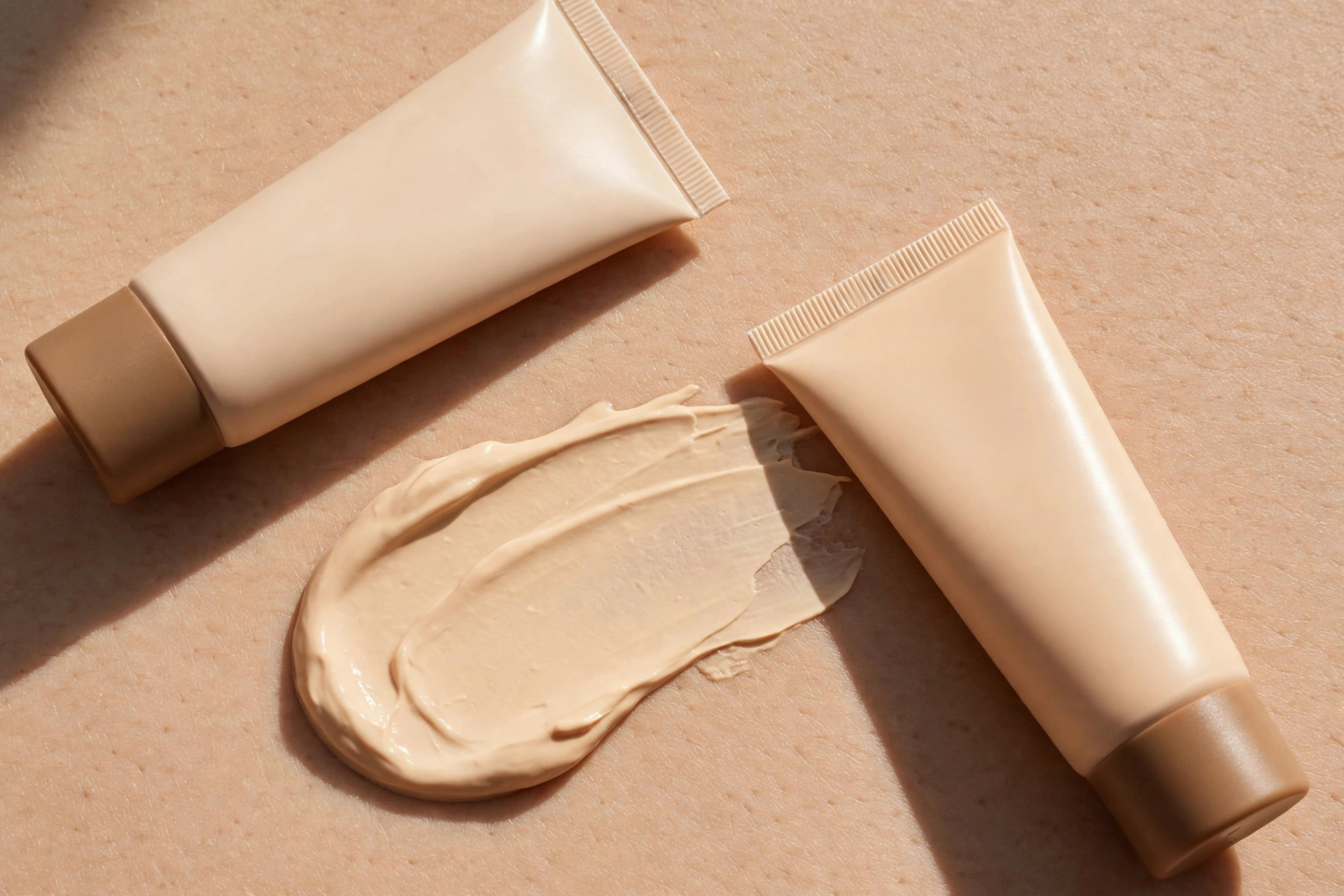
Finding the best tinted sunscreen for mature skin uk shoppers can rely on every day is about much more than sun protection. The right formula should even out tone, soften the look of redness and pigmentation, hydrate rather than dry, and sit beautifully on skin that may be drier, thinner or more textured than it was twenty years ago. The wrong one, by contrast, can settle into fine lines, look cakey by midday, emphasise dry patches or leave an ashy or orange cast that no amount of blending will fix. This guide is designed to help you avoid those pitfalls and choose with confidence, whether you shop at Boots, Superdrug or Cult Beauty, prefer a budget pharmacy find or want to invest in a premium formula.
Mature skin has specific needs that younger skin often does not. Natural oil production slows, the barrier can become drier, and concerns such as uneven pigmentation, visible capillaries, loss of firmness and sensitivity to fragrance or alcohol become more common. At the same time, sun protection becomes more important, not less, because cumulative ultraviolet exposure contributes to pigmentation, loss of elasticity and skin cancer risk over a lifetime. A tinted sunscreen solves two problems at once: it encourages daily sun protection because it doubles as light coverage, and it gives an immediate, natural-looking improvement in tone that can make you feel more confident without a full makeup routine.
This guide explains what to look for in texture, finish, shade range, sun protection factor and skincare ingredients, how to test shades in UK stores, and how to apply tinted sunscreen so it lasts through a British day, from a damp morning commute to a sunny afternoon walk. It then profiles seven natural-finish picks by type, from hydrating pharmacy formulas to illuminating premium options, so you can match a product type to your skin, budget and lifestyle. No single product suits everyone, but by the end you will know exactly which questions to ask and which formulas to shortlist.
Best Tinted Sunscreen for Mature Skin UK: What to Look For
The best tinted formulas for mature skin share several qualities, even when their price bands differ widely. First, they hydrate. Look for humectants such as glycerin and hyaluronic acid, barrier-supporting ingredients such as ceramides and niacinamide, and emollients that leave skin supple rather than tight. A formula that feels comfortable at ten in the morning should still feel comfortable at four in the afternoon, without pilling over moisturiser or cracking around the mouth and eyes.
Second, they offer a natural, skin-like finish rather than heavy matte or glittery coverage. Matte formulas can emphasise texture and fine lines, while very dewy formulas can slide or look shiny in humidity. A satin or natural finish, sometimes described as radiant or luminous, usually flatters mature skin best, because it reflects light softly without highlighting pores. Light to medium coverage is generally more forgiving than full coverage, which can look mask-like and settle into creases as the day goes on.
Third, sun protection must be genuinely adequate. In the UK, look for SPF 30 as a minimum for daily use and SPF 50 if you spend extended time outdoors, are prone to pigmentation or melasma, or are using exfoliating acids or retinoids. Equally important is UVA protection, shown by the star rating or the circled UVA symbol on UK packaging. A high SPF with weak UVA protection is not a balanced choice for mature skin, where UVA-driven ageing and pigmentation are major concerns. Reapplication matters too, so choose a texture you will actually enjoy reapplying, not one you tolerate once in the morning and then avoid.
Texture, Finish and Coverage Explained
Tinted sunscreens for mature skin come in several textures, and the right one depends on your skin type and preferences. Creams and lotions are usually the most hydrating and forgiving, making them ideal for normal to dry mature skin. Lightweight fluids and serums suit combination skin or warmer weather, because they layer easily and feel less heavy. Cushion and stick formats can be convenient for touch-ups, but check that they deliver enough product for full sun protection, because it is easy to under-apply with these formats.
Coverage descriptions can be misleading, so test in person when you can. Sheer coverage evens tone slightly and lets freckles and natural variation show through, which many people over fifty prefer for everyday wear. Light coverage softens redness and pigmentation while still looking like skin. Medium coverage offers more evening power but needs careful blending around the jaw, hairline and neck to avoid a visible edge. Whatever coverage you choose, blend down the neck and onto the ears for a seamless result, and check your shade in daylight, not just under shop lighting.
Ingredients That Help Mature Skin
Beyond sun filters, several skincare ingredients make a tinted sunscreen more suitable for mature skin. Niacinamide helps even tone and supports the barrier, ceramides help retain moisture, and antioxidants such as vitamin E can complement sun protection, though they never replace it. Hyaluronic acid and glycerin draw water into the skin, which helps a tint sit smoothly rather than clinging to dry patches. Peptides are often marketed for firming, but their effect in a rinse-off or thin sunscreen layer is modest; treat them as a bonus, not a reason to choose a product alone.
Equally important is what to avoid if your skin is sensitive. Strong fragrance, drying alcohol high on the ingredient list, and heavy essential oils can irritate mature or rosacea-prone skin. If you have a history of sensitivity, choose fragrance-free formulas and patch test a new product along the jawline for a few days before full-face use. For readers whose main concern is sensitivity rather than coverage, the best fragrance-free sunscreen for sensitive skin offers a useful companion guide to this one.
Seven Natural-Finish Picks Worth Trying
Rather than ranking one winner for everyone, this section groups seven product types that consistently suit mature skin in the UK. Use them as a shortlist to test in store or to research by texture and shade, and remember that availability at Boots, Superdrug and Cult Beauty varies by branch and season, so check stock before a special trip.
Pick type list: Hydrating pharmacy cream — Dry, comfortable everyday wear — Natural satin — Budget. Lightweight daily fluid — Combination skin, warmer days — Natural, light — Budget to mid-range. Illuminating premium cream — Dullness, special occasions — Radiant, luminous — Premium. Mineral tint for sensitive skin — Sensitivity, rosacea-prone skin — Soft matte-natural — Mid-range. Serum-tint hybrid — Skincare-first routines — Dewy-natural — Mid-range to premium. Sheer tinted moisturiser with SPF — No-makeup days, beginners — Sheer, skin-like — Budget to mid-range. Long-wear tint for active days — Outdoor walks, long days out — Natural, staying power — Mid-range.
The hydrating pharmacy cream is the workhorse for many mature shoppers. It is affordable enough to use generously, which matters because under-application is the most common sunscreen mistake, and its richer texture helps dry skin look plump rather than parched. Look for a shade that matches your neck as well as your face, and apply it after moisturiser, allowing a minute for your skincare to settle first. If it pills, you may be using too much moisturiser underneath or applying too quickly; a thinner moisturiser layer or a short wait usually solves the problem.
A lightweight daily fluid suits combination mature skin, where the T-zone may become shiny while cheeks stay dry. Fluids blend quickly, layer well under makeup if you want extra coverage, and feel comfortable in summer. They can be less forgiving on very dry patches, so pair them with a hydrating serum or moisturiser underneath. The illuminating premium cream, by contrast, is ideal when skin looks tired or dull and you want a lit-from-within effect without glitter. Use it sparingly around the eyes, where shimmer can emphasise texture, and focus luminosity on the cheeks and brow bone.
Mineral tints, based on zinc oxide or titanium dioxide, are often recommended for sensitive or rosacea-prone skin because they sit on the surface rather than absorbing into skin. Modern mineral tints are far less white than older formulas, but shade matching still matters, especially for deeper skin tones, where an ashy cast is a real risk. Test mineral options in daylight and consider brands with a wider shade range. For guidance on barrier care alongside sun protection, see how to repair a damaged skin barrier, which explains how to keep sensitive skin comfortable while using daily SPF.
Picks for Dry, Combination and Sensitive Mature Skin
Dry mature skin generally does best with cream textures, hydrating ingredients and a satin finish, applied over a good moisturiser. Avoid very matte or powder-finish tints, which can cling to dry patches and emphasise fine lines by afternoon. If your skin feels tight after cleansing, that is a sign to prioritise hydration in both skincare and sunscreen, and to avoid harsh cleansers that strip natural oils before you even apply SPF.
Combination mature skin needs balance: hydration where skin is dry, and a formula that does not slide where skin is oilier. A lightweight fluid or serum-tint, set very lightly with a translucent powder only through the T-zone if needed, often works well. Avoid powdering the whole face, which can age the overall look. Sensitive mature skin, including rosacea-prone skin, should prioritise fragrance-free, mineral or gentle chemical formulas, simple ingredient lists and patch testing. If a tint stings, causes flushing or triggers breakouts, stop and try a different filter type or texture rather than persisting.
Best Tinted Sunscreen for Mature Skin UK: How to Choose Your Shade
Shade matching is where many mature shoppers struggle, partly because UK shade ranges have historically been narrow and partly because skin tone changes with age, sun exposure and the seasons. The goal is not to find a perfect colour match under artificial light, but a shade that blends invisibly in daylight and matches your neck and chest, not just your face, which is often lighter or more pigmented than the rest of your body.
Start by identifying your undertone. Warm undertones tend to suit golden, peachy or yellow-based tints, cool undertones suit pink or rosy bases, and neutral undertones can wear either, depending on the specific shade. If you are unsure, test two adjacent shades along the jawline, blend each lightly, and step outside or near a window to compare. The right shade should disappear into skin; the wrong one will look grey, orange or ashy at the edges. Do not test on the back of your hand, which is usually a different tone and texture from facial skin.
Testing Shades in Boots, Superdrug and Cult Beauty
In-store testing is invaluable, so use it well. At Boots and Superdrug, ask staff for help finding testers, and try shades on a clean jawline rather than over existing makeup. Take a small mirror to the shop entrance or window if possible, because daylight reveals casts that fluorescent lighting hides. At Cult Beauty, where many premium brands are sold online, check shade descriptions, undertone guides and customer photos, and consider ordering two close shades if returns allow, so you can compare at home in natural light.
Seasonal variation matters. Many people need a slightly deeper shade in summer and a lighter one in winter, or they can mix two shades to create a custom match through the year. If you tan easily, remember that a tinted sunscreen should still be reapplied generously; choosing a shade for your summer tone does not mean you should skimp on amount to avoid heaviness. Apply the full recommended amount for sun protection first, then adjust coverage with concealer or powder only where needed, rather than thinning the sunscreen itself.
Shades for Deeper Skin Tones and Avoiding White Cast
For deeper skin tones, white cast is the biggest barrier to daily tinted sunscreen use, and it is a legitimate concern, not vanity. Mineral formulas are most prone to cast, though tinted versions are much improved, while many chemical formulas blend invisibly. Look for brands that explicitly offer deep and rich shades, test in daylight, and be wary of shades described as universal that may still look ashy on rich tones. A tint that matches your undertone and blends at the jaw and neck is worth the search, because daily use is what delivers protection and tone-evening benefits over time.
If you struggle to find a match, consider a sheer tint that lets your natural tone show through, or layer a tinted sunscreen under a light foundation in your exact shade, ensuring the sunscreen layer remains generous enough for protection. For readers who want a dedicated guide to sunscreen without white cast, the fragrance-free and sensitive-skin guides linked throughout this article cover texture and filter choices that also help with cast issues. The British Association of Dermatologists and DermNet NZ provide reliable background on sun protection and skin ageing that complements product advice.
Application Tips for a Flawless, Long-Lasting Finish
Application technique matters as much as product choice for mature skin. Start with clean, moisturised skin, and wait a minute or two after moisturiser so the tint does not pill or slide. Apply roughly two finger-lengths of product for face and neck, which is the amount generally recommended for adequate sun protection, and dot it across forehead, cheeks, nose, chin, jaw and neck before blending outward with fingers, a damp sponge or a brush. Fingers work well for most cream tints because warmth helps blending, while a damp sponge can give a sheerer, more even finish.
Blend carefully around common problem areas: the hairline, eyebrows, sides of the nose, mouth corners and under the jaw. These are where tint collects, looks patchy or emphasises texture. Use the residual product on your fingers for the eyelids and ears, which are often forgotten but also sun-exposed. If you wear additional makeup, let the tinted sunscreen set for a few minutes first, then apply concealer only where needed, such as under the eyes or on pigmentation spots, rather than layering full foundation over the top, which can look heavy and reduce the natural finish you wanted.
Making It Last Through a British Day
British weather is unpredictable, from drizzle to sudden sunshine, and a tinted sunscreen needs to cope with both. A light dusting of translucent powder through the T-zone can improve staying power without ageing the whole face, while blotting papers are better than adding more powder repeatedly through the day. For reapplication, a tinted sunscreen stick, cushion or spray over makeup can top up protection without disturbing your base, though sprays should be applied carefully around the eyes and should not be your only method on a long outdoor day.
Carry your tint for touch-ups on active days, and reapply after swimming, heavy sweating or towelling your face. If you wear glasses, check for tint transfer on nose pads and clean them gently; a setting spray designed for mature skin can help, but test it first to ensure it does not dry or irritate. At the end of the day, remove tinted sunscreen thoroughly with a gentle cleanser or double cleanse if you wore additional makeup, because leftover product and sunscreen filters can clog pores and dull skin if left overnight.
Common Mistakes to Avoid
The most common mistake is under-application. Many people use a pea-sized amount when they need much more for full SPF protection, which means the labelled SPF is not achieved in practice. Be generous, especially on the neck, ears and hairline, and remember that a tinted product still needs the same amount as an untinted sunscreen to protect properly. If a formula feels too heavy at the correct amount, it is the wrong formula for you, not a sign to use less.
Other mistakes include skipping sunscreen on cloudy days, when UVA still penetrates cloud and windows, choosing a shade based on the face alone, which can create a visible neck mismatch, and layering too many products too quickly, which causes pilling. Avoid applying tinted sunscreen over a heavy, oily moisturiser if pilling is a problem, and avoid exfoliating aggressively on the same morning you want a flawless finish, because flaky skin will show through any tint. A gentle routine the night before, with hydration and barrier support, usually gives a smoother canvas than a harsh morning exfoliation.
It is also worth avoiding the temptation to use tinted sunscreen as a substitute for treatment of pigmentation, rosacea or other skin concerns. Tinted SPF evens appearance and protects against further sun-induced pigmentation, which is valuable, but persistent, changing or worrying spots should be assessed by a pharmacist, GP or dermatologist. For general information on skin conditions and sun protection, the NHS skin conditions pages are a reliable UK starting point.
For readers building a complete routine, the skincare ingredient combinations guide explains how to pair daily SPF with actives such as vitamin C and niacinamide, while the best winter skincare routine for rosacea-prone skin shows how to adapt sun and barrier care through colder months. If you are also exploring ingredient pairings for smoother skin, our guide to can you use ceramides and retinol together is a helpful next read.
Frequently Asked Questions
What SPF should mature skin use every day?
SPF 30 is a sensible daily minimum in the UK, with SPF 50 preferable if you spend a lot of time outdoors, have pigmentation or melasma, use retinoids or exfoliating acids, or have a history of sun sensitivity or skin cancer. Equally important is strong UVA protection, shown by a high star rating or the circled UVA symbol. Apply generously, cover ears and neck, and reapply during long outdoor exposure, because even the best formula cannot protect if it is under-applied or worn off.
Will tinted sunscreen settle into wrinkles?
A well-chosen, hydrating, light-to-medium coverage tint should not settle noticeably into fine lines, especially if skin is moisturised first and the product is blended thinly. Heavy, matte or full-coverage formulas are more likely to crease, as are products applied over dry, flaky skin. If settling occurs, try a more hydrating formula, use less product around the eyes and mouth, set only where needed, and ensure your night routine includes adequate moisturisation.
Is mineral or chemical sunscreen better for mature skin?
Both can work well, and the best choice depends on sensitivity, shade range and texture preference. Mineral formulas are often gentler for sensitive or rosacea-prone skin but can leave a cast, especially on deeper tones, unless well tinted. Chemical formulas usually blend more invisibly and feel lighter, but some people find certain filters irritating. Test both types if you can, prioritise a formula you will use daily, and choose strong UVA protection whichever type you prefer.
Can I wear tinted sunscreen instead of foundation?
Yes, many mature shoppers wear tinted sunscreen alone for everyday use, adding concealer only where needed. This gives a natural, skin-like result and encourages daily sun protection. For evenings or special occasions, you can layer a light foundation over a set tinted sunscreen, but keep the overall coverage light to avoid a heavy, ageing effect. Let the sunscreen set for a few minutes before adding other makeup to reduce pilling.
How do I choose between budget and premium tinted sunscreens?
Budget pharmacy tints can offer excellent sun protection, hydration and natural finishes, and are ideal for generous daily use. Mid-range and premium options may offer wider shade ranges, more elegant textures, additional skincare ingredients and a more luminous finish. Choose by shade match, texture, sensitivity and whether you will actually use the product daily, rather than by price alone. A budget formula you love and use generously will protect better than a premium formula you use sparingly.
Should mature skin use tinted sunscreen in winter?
Yes, UVA penetrates cloud and glass all year round in the UK, and winter sun, especially on bright days or on holiday, can still cause pigmentation and ageing. A hydrating tinted sunscreen is particularly useful in winter, when it doubles as light coverage and a moisture barrier against cold wind and indoor heating. If your skin becomes drier in winter, switch to a richer cream texture or layer it over a more hydrating moisturiser.
Can tinted sunscreen replace my moisturiser?
Some hydrating tinted sunscreens are moisturising enough for combination or oily mature skin, but most dry mature skin still benefits from a separate moisturiser underneath. Think of sunscreen as protection plus tint, not as a complete skincare routine. If your skin feels tight after the tint dries down, add a moisturiser first. If it feels comfortable all day without one, a single hydrating tint may be sufficient in summer, with a richer routine in winter.
How often should I reapply tinted sunscreen?
Reapply every two hours during continuous outdoor exposure, and after swimming, heavy sweating or towelling. For a typical indoor UK day with brief outdoor trips, a generous morning application plus a lunchtime touch-up on exposed areas is a practical approach. Use a stick, cushion or spray for touch-ups over makeup, and do not rely on a single morning application for a full day outdoors, even if the initial finish still looks good.
Key Takeaways
Choose a hydrating, natural-finish tint with at least SPF 30 and strong UVA protection for daily mature-skin wear.
Light to medium coverage usually flatters mature skin better than heavy matte coverage, which can emphasise texture.
Match your shade in daylight, blending along the jaw and neck, and consider seasonal shade changes.
Apply generously for real sun protection, covering face, neck, ears and hairline, and reapply outdoors.
Prioritise fragrance-free, barrier-friendly formulas if your skin is sensitive or rosacea-prone.
Budget pharmacy options can perform brilliantly; premium options may offer wider shades and more luminous textures.
Pair daily tinted SPF with a gentle cleanser, moisturiser and thorough evening removal for the best long-term results.
See a clinician about changing, painful or non-healing spots rather than covering them with tint alone.
Conclusion
The right tinted sunscreen can simplify a mature skincare routine in the best possible way: one product that protects, hydrates and evens tone, leaving skin looking like itself, only more rested and even. The key is to shop for your actual skin, not for an idealised version of it. Prioritise hydration and a natural finish over heavy coverage, insist on adequate SPF and UVA protection, test shades in daylight, and choose a texture you will enjoy using generously every single day. Whether that turns out to be a budget pharmacy cream, a lightweight fluid or a premium illuminating formula from Cult Beauty, daily use matters more than brand prestige.
Take time to test, be honest about what your skin tolerates, and adjust through the seasons as dryness, sun exposure and tone change. A tint that works in July may need a richer companion in January, and a shade that matches in winter may need a deeper partner in summer. That flexibility is normal and sensible, not a sign of failure. With the right shortlist, careful shade testing and a few application habits that prevent settling and patchiness, tinted sunscreen can become the most reliable step in your routine: protection you actually look forward to wearing, coverage that enhances rather than masks, and confidence that lasts from morning to evening, whatever the British weather brings.
Seven gentle, pregnancy-safe moisturisers for dry skin, with UK prices, ingredients to avoid, and a calm daily routine.
Read More arrow_forward
Seven soothing winter hand creams for dry, cracked UK hands — rich, protective picks, typical prices, and expert application tips.
Read More arrow_forward
Seven budget vitamin C serums for dark spots in the UK, plus how to choose strength, avoid irritation, and get brighter, more even skin.
Read More arrow_forward
The best k-beauty dupes for luxury skincare UK: 7 smart swaps that save money without losing glow — serums, creams and SPF, with UK stockists.
Read More arrow_forward
Finding the best winter moisturiser for combination skin uk shoppers can trust is tricky. These 7 picks hydrate dry cheeks without overloading oily T-zones.
Read More arrow_forwardCalculate your Body Mass Index (BMI) in seconds. BMI is a quick screening number…
Use now arrow_forwardFind your daily calorie needs based on your age, sex, height, weight and activit…
Use now arrow_forwardFind how much water you should drink each day, in litres and glasses, based on y…
Use now arrow_forward