Best Pregnancy Safe Moisturiser for Dry Skin UK: 7 Gentle Picks
Seven gentle, pregnancy-safe moisturisers for dry skin, with UK prices, ingredients to avoid, and a calm daily routine.
Read More arrow_forwardSeven soothing winter hand creams for dry, cracked UK hands — rich, protective picks, typical prices, and expert application tips.
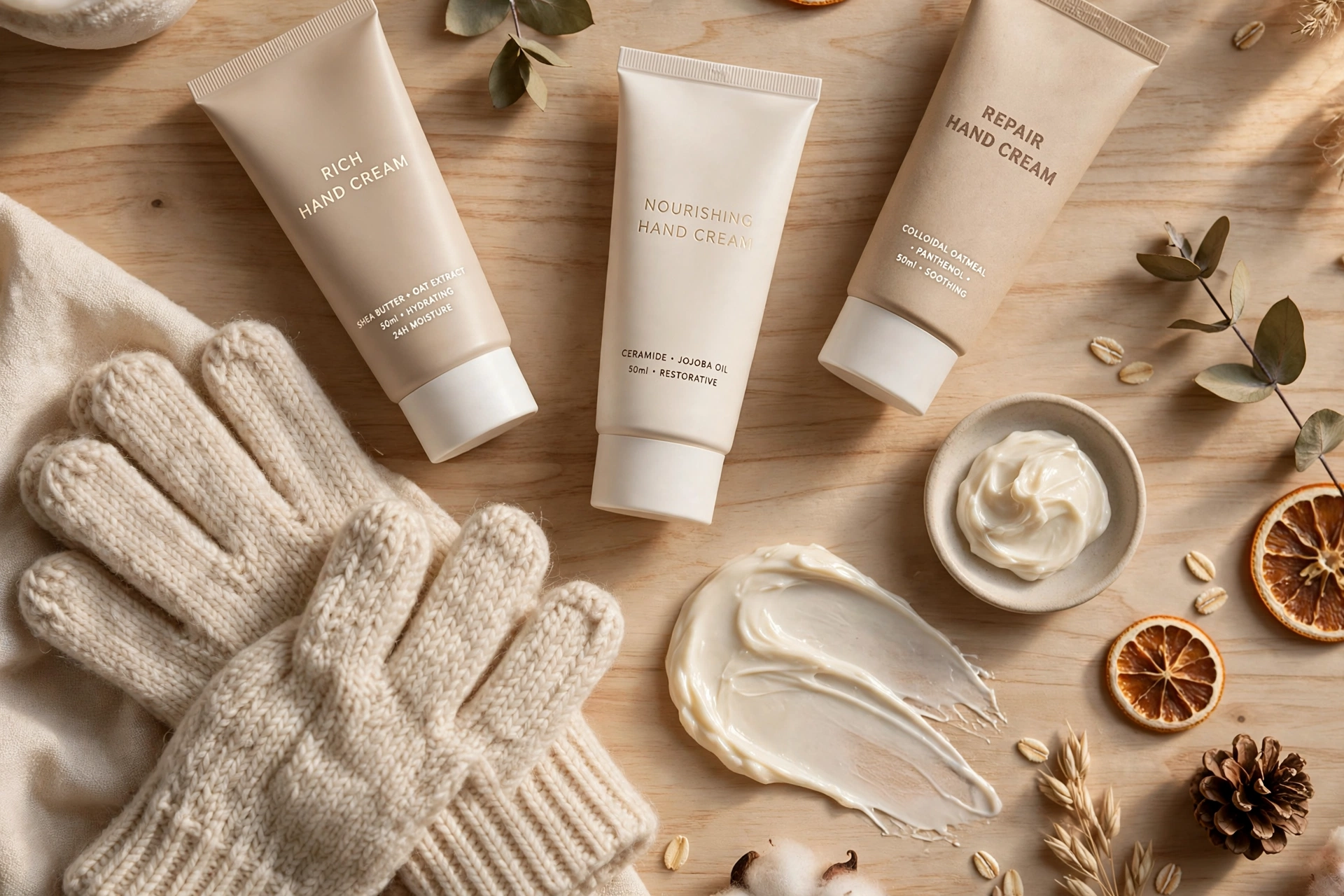
If your knuckles sting every time you step outside in January, finding the best winter hand cream for dry cracked hands uk shoppers can actually rely on becomes more than a beauty question — it becomes a daily comfort question. Cold air, wind, central heating, frequent handwashing, and harsh soaps strip moisture from hands faster than almost any other part of the body, because hand skin is frequently washed and often left unprotected. This guide explains why UK winters are so hard on hands, what ingredients genuinely help cracked skin, and seven soothing product types to look for, with typical price ranges in pounds and honest notes on texture, scent, and suitability. Prices quoted are typical high-street ranges, not promises for a specific brand on a specific day, because promotions at Boots, Superdrug, and Cult Beauty change frequently. The aim is simple: hands that feel comfortable, look healthier, and can cope with another cold, wet British winter.
Hands deserve special attention because they are working tools. They are washed many times a day, exposed to washing-up liquid, cleaning products, and cold steering wheels, and they rarely get the same care as the face. In summer, a light lotion may be enough. In winter, that same lotion evaporates quickly and leaves skin tight within an hour. A proper winter hand cream is thicker, richer, and more occlusive, meaning it forms a light protective layer that slows water loss. It should absorb without leaving hands so greasy that you cannot type, cook, or hold a phone, yet it must be substantial enough to protect skin between washes. Finding that balance is the heart of this guide.
## Why Hands Crack in a UK Winter
The UK winter creates a perfect storm for dry hands. Outside, cold air holds less moisture, and wind strips the skin's surface lipids. Inside, central heating dries the air further, so skin loses water from both sides of the door. Add frequent handwashing — recommended for hygiene, especially during cold and flu season — and the skin barrier is repeatedly washed, dried, and exposed again. Hot water makes the problem worse, because it dissolves natural oils more aggressively than lukewarm water, and harsh antibacterial soaps or foaming hand washes can leave hands squeaky but stripped. Even people with normally resilient skin notice tightness, rough knuckles, and small splits around fingertips by December.
Cracked hands are not only uncomfortable; small splits can sting when washing, catch on clothing, and occasionally bleed. If cracks are deep, persist for weeks despite good care, show signs of infection such as spreading redness, warmth, swelling, or pus, or if you have a diagnosed skin condition that is flaring, see a GP or dermatologist rather than simply buying a stronger cream. Conditions such as eczema and contact dermatitis are common on hands and may need treatment beyond a cosmetic cream. For general information about skin conditions, the [NHS conditions pages](https://www.nhs.uk/conditions/) explain when to seek care, while the [British Association of Dermatologists](https://www.bad.org.uk/) publishes patient leaflets for UK readers. Most winter dryness, however, responds well to a richer cream, gentler washing, gloves outdoors, and a consistent routine.
### The Role of Gloves, Soap, and Water Temperature
Gloves are the cheapest hand cream booster available. A pair of warm gloves outdoors prevents wind chill from stripping moisture, and thin cotton gloves worn over cream at night can help a rich treatment absorb while you sleep. For washing up and cleaning, rubber gloves protect hands from detergents that are designed to cut grease — including the natural grease that protects skin. At the sink, lukewarm water, a gentle fragrance-free soap, and patting dry rather than rubbing with a rough towel all reduce damage. Keep a hand cream by every sink you use regularly, because the best cream is the one you actually apply after washing, not the expensive tube forgotten in a drawer.
### Why Face Moisturiser Is Not Enough
Face moisturisers are formulated for facial skin and for use under makeup, so they are often lighter and less occlusive than hand creams. They can help in a pinch, but they rarely provide the lasting barrier that cracked hands need, especially after washing. Hand creams, by contrast, are designed to survive several hand movements, resist rinsing a little longer, and target thick knuckle and palm skin. Some hand creams also contain higher levels of occlusives such as shea butter, petrolatum, or beeswax, which are excellent for sealing in moisture on hands but would feel heavy on the face. Using a dedicated hand product is therefore not marketing; it is a texture and function difference that matters in winter.
## What to Look for in a Winter Hand Cream
When choosing a winter hand cream, look for three ingredient jobs working together. Humectants, such as glycerin, hyaluronic acid, and urea, attract and hold water in the skin. Emollients, such as shea butter, squalane, and plant oils, soften rough skin and fill gaps between skin cells. Occlusives, such as petrolatum, lanolin, and beeswax, seal moisture in and protect against wind and water. A cream that contains only a humectant in a light lotion base will feel pleasant for ten minutes and then fade. A cream that combines all three will feel richer, last longer between washes, and actually help cracks heal by keeping the barrier protected while skin repairs itself.
Fragrance deserves careful thought in winter. A beautifully scented hand cream is a pleasure when skin is healthy, but fragrance is a common irritant for cracked, eczema-prone, or sensitive hands. If your hands are split or sore, choose a fragrance-free cream until they have healed, then reintroduce a scented product if you wish. The same logic applies to essential oils and heavily perfumed "winter spice" editions: lovely for intact skin, risky for broken skin. Also check for alcohol denat high on the ingredient list, because it can sting cracks and dry skin further, even though it helps a cream feel light. For readers whose hands are linked to broader barrier problems, our guide to [repairing a damaged skin barrier](https://www.glowmagzine.com/blog/how-to-repair-damaged-skin-barrier-uk/) explains the simplified, fragrance-free approach that helps skin recover fastest.
### Texture Guide: Cream, Balm, or Ointment
Creams are the everyday winter choice: rich enough to protect, light enough to use at work. Balms are thicker, often in a tin or tube, and suit very dry knuckles, cuticles, and overnight treatment. Ointments are the thickest and most occlusive, ideal for deep cracks and for use under cotton gloves at night, but too greasy for daytime typing. Many people benefit from owning two products: a cream for daytime and handbag use, and a balm or ointment for night. That two-product system costs little more than a single premium cream and works far better, because daytime and night-time needs are genuinely different. If you work with food, patients, or small children, check that a heavy overnight product is fully absorbed before handling anything in the morning.
### Typical UK Prices and Where to Buy
In the UK, effective winter hand creams span every budget. High-street pharmacy creams at Boots and Superdrug typically cost £3 to £10 for a standard tube, and many are fragrance-free and dermatologically tested. Mid-range creams from skincare brands, often £10 to £20, may offer nicer textures, better packaging, and additional soothing ingredients such as oat, allantoin, or ceramides. Premium hand creams at Cult Beauty and department stores typically cost £20 to £40, and while the experience can be luxurious, price alone does not guarantee better healing for cracked skin. A £5 pharmacy cream used after every wash will outperform a £30 cream used once a day. Check for multi-buy offers and larger tubes for home use, with a small tube for your bag, coat pocket, or car.
## best winter hand cream for dry cracked hands uk: 7 Soothing Picks
The seven picks below are product types, not single-brand prescriptions, so you can find a version at your preferred UK retailer whatever your budget. Each pick notes who it suits best, its typical price range, and one practical drawback to consider. All are suitable for daily winter use, and all pair well with gloves, gentle soap, and lukewarm water. If you have eczema-prone hands, start with picks one, two, and five, which are the most fragrance-free and barrier-focused options.
### 1. Fragrance-Free Pharmacy Repair Cream
This is the workhorse pick and the one to buy first if your hands are already cracked. A fragrance-free repair cream from a pharmacy brand, typically £3 to £8 at Boots or Superdrug, usually combines glycerin, shea butter, and a gentle occlusive in a cream that absorbs reasonably quickly. It suits sensitive skin, eczema-prone hands, and anyone who washes hands frequently at work. The drawback is purely cosmetic: the texture and packaging are plain, and it will not smell like a luxury product. For healing, however, plain is a virtue, and this is the cream dermatologists most often recommend as a starting point. Keep one tube at home and one at work for consistent use.
### 2. Oat and Ceramide Barrier Cream
Oat extracts soothe itching and redness, while ceramides help rebuild the skin barrier's natural lipid structure. A mid-range oat and ceramide hand cream, typically £10 to £18, suits hands that feel tight, itchy, or rough even after a standard cream. It is particularly helpful for people whose hand dryness is linked to eczema or to frequent washing, because it addresses barrier repair rather than just surface softness. Our guide to the [best moisturiser for eczema-prone skin](https://www.glowmagzine.com/blog/best-moisturiser-for-eczema-prone-skin-uk/) follows the same barrier-first logic for face and body, and the ingredient principles translate well to hands. The drawback is availability: ceramide hand creams are less common on the high street than online, so check Boots, Superdrug, and reputable online retailers before settling.
### 3. Rich Shea Butter Hand Cream
Shea butter creams are the classic winter comfort pick: thick, nourishing, and instantly softening, typically £8 to £20 depending on brand and size. They suit normal to dry hands that need comfort rather than medical repair, and they make an excellent handbag cream because the scent options are plentiful and the tube is easy to use on the go. Look for shea butter high on the ingredient list rather than at the end, and prefer a formula without drying alcohol if your hands are split. The drawback is greasiness: a very rich shea cream can leave a film on phones and keyboards, so apply a smaller amount during the day and a generous layer at night. For very dry hands, shea pairs beautifully with cotton gloves overnight.
### 4. Urea Hand Cream for Rough, Thickened Skin
Urea is a humectant that also gently softens thick, rough skin, making it ideal for knuckles, palms, and fingertips that feel calloused as well as dry. A urea hand cream, typically £6 to £14, often contains 5 to 10 percent urea for daily use, with higher strengths reserved for very thick skin and used less frequently. It suits gardeners, cleaners, healthcare workers, and anyone whose hands take physical wear, but it can sting open cracks, so wait until splits have closed before trying it, or apply it around rather than directly into open splits. If stinging occurs, switch back to a fragrance-free repair cream for a week and try again later. Urea creams are widely available at pharmacies in the UK, often in the foot and hand care aisle.
### 5. Ointment Balm for Deep Cracks and Overnight Repair
When cracks are deep and creams seem to vanish within an hour, an ointment balm is the answer. These petrolatum- or lanolin-based balms, typically £5 to £15, form a strong protective seal and are best used at night under thin cotton gloves. They suit the worst winter weeks, post-gardening recovery, and hands exposed to cold outdoor work. The drawback is obvious: they are too greasy for daytime use, typing, or cooking, so reserve them for evenings and weekends. A pea-sized amount warmed between palms goes further than expected, and a little applied to cuticles also prevents painful hangnails. If you are allergic to lanolin, choose a petrolatum-based balm instead and patch test first.
### 6. Fast-Absorbing Day Cream for Work and Commuting
Not every winter cream must be heavy. A fast-absorbing day cream, typically £5 to £12, suits office workers, teachers, and commuters who need to apply cream and immediately type, drive, or handle papers. These creams use lighter emollients and a gel-cream texture, yet still contain glycerin and a modest occlusive so they last longer than a summer lotion. The drawback is durability: you will need to reapply after washing, and it will not rescue deeply cracked skin on its own. Pair it with a richer night balm for the best of both worlds, and keep the day tube in your coat pocket or desk drawer where you will actually reach for it. Scented versions of this type are popular gifts, but choose fragrance-free if your hands are currently sore.
### 7. Premium Nourishing Hand Cream for Gifting and Self-Care
A premium hand cream, typically £20 to £35 at Cult Beauty or a department store, is the self-care pick: beautiful packaging, refined scent, and a texture that feels like a treat. It suits healthy but dry hands, gifting, and anyone who will use a cream more often simply because they enjoy it. Some premium creams also contain vitamin E, plant oils, and antioxidants that support skin comfort, although the healing difference over a good pharmacy cream is modest. The drawback is value: if hands are cracked or eczema-prone, a premium scented cream can irritate, so buy this as a pleasure product once skin has healed, not as a first treatment for splits. For a winter routine that balances comfort and care, our guide to the [best winter moisturiser for combination skin](https://www.glowmagzine.com/blog/best-winter-moisturiser-for-combination-skin-uk/) shows how to match texture to skin type without overspending.
## How to Use Hand Cream for the Best Results
Technique matters as much as product choice. Apply hand cream after every wash, while hands are still slightly damp, because damp skin absorbs humectants better and the cream seals in that water. Use enough to cover backs, palms, knuckles, fingertips, and cuticles, and massage for twenty seconds rather than slapping it on and wiping it off. At night, apply a generous layer, including between fingers, and wear thin cotton gloves for at least an hour or overnight if comfortable. In the morning, wash off any residue, apply a day cream, and put on warm gloves before going outside, even for a short walk, because a few minutes of wind can undo an evening of care.
Reapplication is the habit that separates comfortable hands from cracked hands. A single morning application rarely survives a day of washing, typing, cooking, and cold air. Aim to reapply after washing, before going outdoors, and before bed as a minimum, and keep cream where you wash, work, and sleep so the habit is easy. If you dislike greasy hands, apply a smaller amount more often rather than a large amount once; frequent light layers build protection without residue. Also protect hands during chores: rubber gloves for washing up, gardening gloves outdoors, and barrier cream before DIY or cleaning all reduce the damage that hand cream must then repair. Readers who enjoy seasonal routine planning may also like our guide to the [best winter skincare routine for rosacea-prone skin](https://www.glowmagzine.com/blog/best-winter-skincare-routine-for-rosacea-prone-skin-uk/), which applies the same protect-and-repair rhythm to the face.
### Common Mistakes to Avoid
Using very hot water, skipping cream after washing, and relying on a single scented lotion are the three mistakes that keep hands cracked all winter. Another mistake is exfoliating cracked hands aggressively in hopes of smoothing them; scrubbing broken skin delays healing and increases soreness, so save exfoliation for intact skin and use it gently, if at all, in winter. Finally, do not ignore persistent problems: if cracks bleed regularly, become infected, or do not improve after two to three weeks of consistent barrier care, seek advice from a GP, pharmacist, or dermatologist. A pharmacist at Boots or Superdrug can also advise on over-the-counter barrier products and whether a GP visit is warranted. The [DermNet NZ library](https://dermnetnz.org/) provides dermatologist-reviewed information on hand dermatitis and related conditions for readers who want to learn more.
## At a Glance: The 7 Picks Compared
| Pick | Best for | Typical UK price | Texture | Fragrance-free option |
|---|---|---|---|---|
| Fragrance-free pharmacy repair cream | Cracked, sensitive hands | £3–£8 | Cream | Yes |
| Oat and ceramide barrier cream | Itchy, barrier-damaged hands | £10–£18 | Rich cream | Often |
| Rich shea butter hand cream | Normal to dry hands, comfort | £8–£20 | Rich cream | Sometimes |
| Urea hand cream | Rough, thickened skin | £6–£14 | Cream | Often |
| Ointment balm | Deep cracks, overnight repair | £5–£15 | Ointment | Yes |
| Fast-absorbing day cream | Work, commuting, frequent use | £5–£12 | Light cream | Often |
| Premium nourishing hand cream | Gifting, self-care, healthy dry hands | £20–£35 | Rich cream | Rarely |
## Key Takeaways
- UK winter cracks hands through cold air, wind, central heating, hot water, and frequent washing, so protection must be consistent, not occasional.
- Look for humectants, emollients, and occlusives together; a light lotion alone rarely survives a winter day.
- Start cracked hands on a fragrance-free repair cream or ointment balm, and save scented premium creams for healed skin.
- Apply after every wash while hands are slightly damp, reapply before going outdoors, and use cotton gloves overnight for deep repair.
- Wear warm gloves outside and rubber gloves for washing up and cleaning to prevent damage in the first place.
- See a GP, pharmacist, or dermatologist if cracks are deep, infected, bleeding regularly, or do not improve after two to three weeks of good care.
## Frequently Asked Questions
### How often should I apply hand cream in winter?
Apply after every handwash as a minimum, plus before going outdoors and before bed. In practice, that usually means four to six times a day in winter, with a richer product at night. Frequent light applications protect better than one heavy application, because washing removes cream throughout the day. Keep a tube by the sink, at work, and by your bed to make reapplication easy.
### Is a cheap pharmacy hand cream as good as an expensive one?
For healing cracked hands, often yes, because the key ingredients — glycerin, shea butter, and occlusives — are available at every price point. A fragrance-free pharmacy cream used consistently will usually outperform a premium scented cream used rarely. Premium creams can offer a nicer texture and scent, but price alone does not heal cracks faster, so choose consistency and fragrance-free formulas first.
### Should I use hand cream overnight with gloves?
Yes, overnight treatment with cotton gloves is one of the most effective winter strategies. Apply a rich cream or ointment balm generously, put on thin cotton gloves, and leave them on for at least an hour or overnight. The gloves prevent the product rubbing off on bedding and help it absorb, so hands often feel noticeably softer by morning. Wash the gloves regularly to keep them clean.
### Why do my hands crack even though I use hand cream?
The usual reasons are washing with hot water, using harsh soap, skipping reapplication after washing, or using a lotion that is too light for winter. Going outdoors without gloves also undoes much of the cream's work. Switch to lukewarm water, a gentle soap, a richer cream, and gloves outdoors, and reapply after every wash for a week to see whether the pattern improves.
### Can urea cream sting cracked hands?
Yes, urea can sting open cracks, especially at higher strengths, so it is best used once splits have closed or applied around rather than into open skin. If stinging occurs, pause urea and return to a fragrance-free repair cream until hands heal. A 5 percent urea cream is gentler than a 10 percent version and is a safer starting point for most people.
### Are scented hand creams bad for dry hands?
Scented creams are not automatically bad, but fragrance is a common irritant for cracked, sensitive, or eczema-prone hands. If your hands are intact and you tolerate fragrance well, a scented cream is fine. If hands are split, sore, or itchy, choose fragrance-free until healed, then reintroduce scent gradually and stop if irritation returns.
### What is the difference between hand cream and hand balm?
Hand cream is a lighter, everyday product that absorbs fairly quickly and suits daytime use. Hand balm is thicker and more occlusive, often in a tin, and suits very dry areas, cuticles, and overnight treatment. Many people use both: cream during the day and balm at night. Ointments are thicker still and provide the strongest seal for deep cracks.
### When should I see a doctor about cracked hands?
See a GP, pharmacist, or dermatologist if cracks are deep, bleed regularly, show infection signs such as spreading redness, warmth, or swelling, or do not improve after two to three weeks of consistent care. Also seek advice if you have eczema, psoriasis, or another skin condition affecting your hands, because cosmetic cream alone may not be enough. Early advice prevents small cracks becoming a larger problem.
## best winter hand cream for dry cracked hands uk: Final Thoughts
The best winter hand cream is not necessarily the most expensive one, but the one you will use after every wash, before every cold walk, and every night before bed. For most UK readers, that means starting with a fragrance-free pharmacy repair cream or an ointment balm for cracked skin, adding a fast-absorbing day cream for work, and keeping a richer cream for overnight repair. Pair the cream with lukewarm water, gentle soap, warm gloves outdoors, and rubber gloves for chores, and hands have a genuine chance to heal even in the coldest weeks. Check Boots, Superdrug, and Cult Beauty for current prices and offers, and remember that all prices in this guide are typical ranges, not fixed brand prices. With consistent care, cracked knuckles and sore fingertips can become a short winter episode rather than a season-long discomfort, and that comfort is well worth a tube by every sink in the house.
Seven gentle, pregnancy-safe moisturisers for dry skin, with UK prices, ingredients to avoid, and a calm daily routine.
Read More arrow_forward
Seven budget vitamin C serums for dark spots in the UK, plus how to choose strength, avoid irritation, and get brighter, more even skin.
Read More arrow_forward
Find a tinted sunscreen that evens tone without settling into fine lines, with UK shade, finish and hydration advice for mature skin.
Read More arrow_forward
The best k-beauty dupes for luxury skincare UK: 7 smart swaps that save money without losing glow — serums, creams and SPF, with UK stockists.
Read More arrow_forward
Finding the best winter moisturiser for combination skin uk shoppers can trust is tricky. These 7 picks hydrate dry cheeks without overloading oily T-zones.
Read More arrow_forwardCalculate your Body Mass Index (BMI) in seconds. BMI is a quick screening number…
Use now arrow_forwardFind your daily calorie needs based on your age, sex, height, weight and activit…
Use now arrow_forwardFind how much water you should drink each day, in litres and glasses, based on y…
Use now arrow_forward