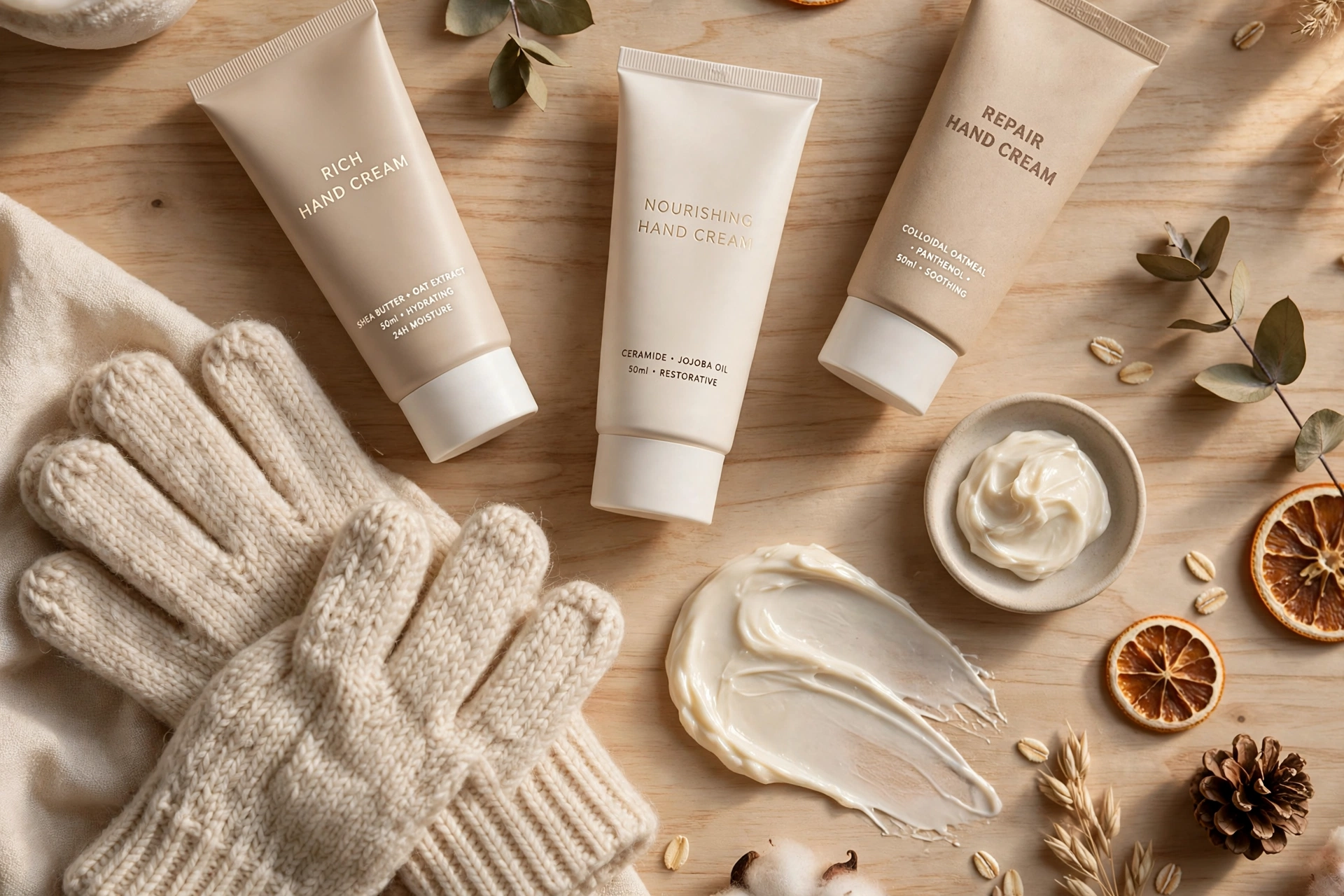
Best Winter Hand Cream for Dry Cracked Hands UK: 7 Soothing Picks
Seven soothing winter hand creams for dry, cracked UK hands — rich, protective picks, typical prices, and expert application tips.
Read More arrow_forwardSeven gentle, pregnancy-safe moisturisers for dry skin, with UK prices, ingredients to avoid, and a calm daily routine.
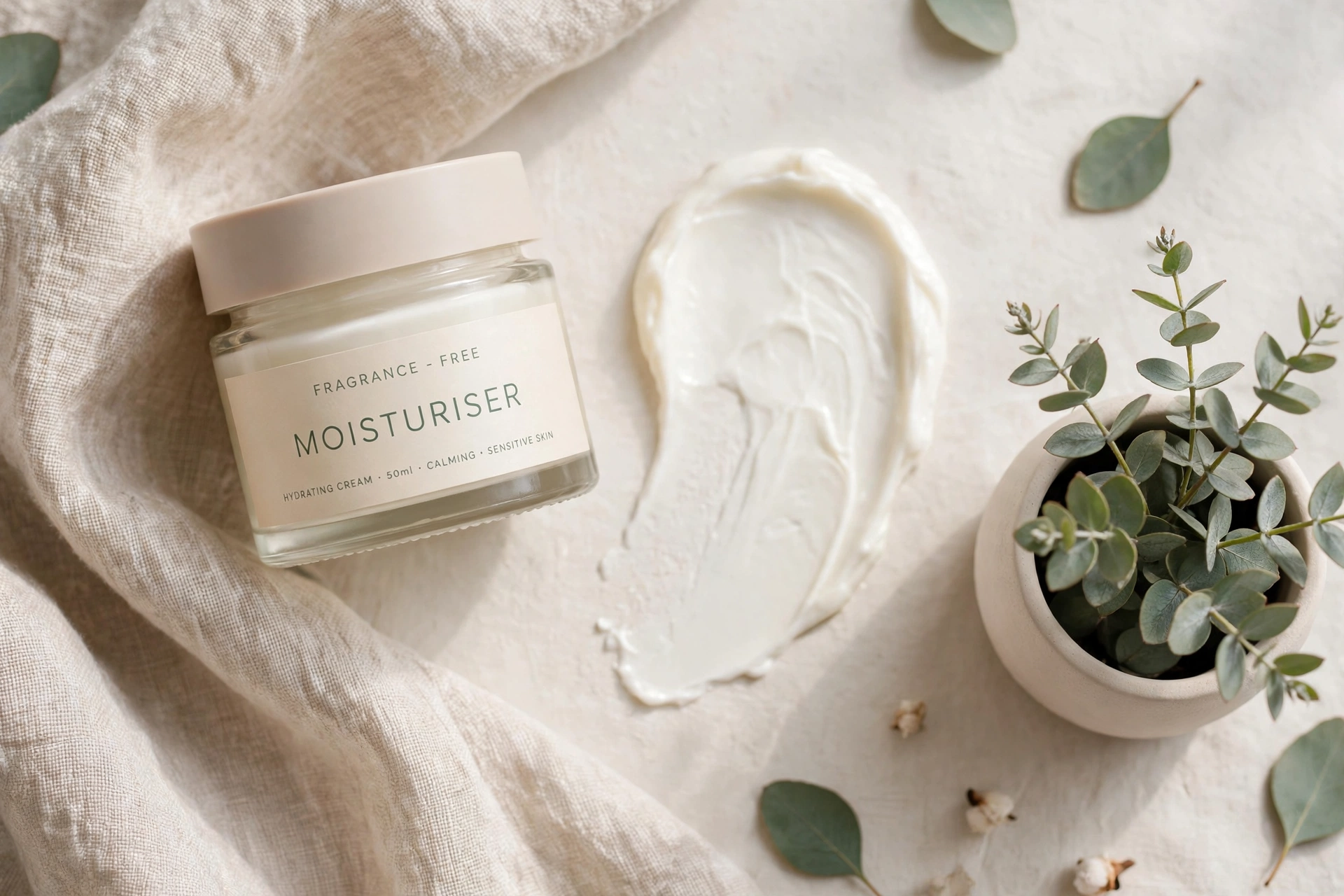
Pregnancy can change skin in ways nobody warns you about. One week your usual cream feels perfect, the next week your cheeks feel tight by lunchtime, your shins look flaky, and everything seems to sting a little more than it used to. If you are searching for the best pregnancy safe moisturiser for dry skin uk, you are not being fussy. You want something that calms dryness without adding worry about harsh actives, strong fragrance, or ingredients you would rather avoid for nine months. This guide is written for UK shoppers, with typical high-street prices, where to find each type of product, and honest guidance about what matters and what does not.
Dry skin in pregnancy is common. Hormonal shifts, a growing bump stretching the skin, colder UK weather, central heating, and long hot showers can all strip moisture. Some people also notice itchiness, especially on the belly, breasts, and legs. That does not mean you need a complicated ten-step routine or an expensive jar. In most cases, a gentle, fragrance-free moisturiser used consistently, morning and night, will do far more than a cupboard full of half-used products. The trick is choosing a formula that locks in water, supports the skin barrier, and feels comfortable enough that you will actually use it every day.
This article explains what pregnancy-safe usually means, which ingredients are best avoided as a precaution, what dry skin really needs, and seven gentle product types that work well in the UK. Prices are given as typical ranges only, because prices vary by retailer and size, and you should always check the current price at Boots, Superdrug, Cult Beauty, or your pharmacy before buying. Nothing here is medical advice. If you have a rash, severe itching, swelling, or any worrying symptom, see your GP or midwife promptly rather than trying to treat it with a moisturiser alone.
## What Pregnancy-Safe Really Means (and What to Avoid)
The phrase pregnancy-safe is not a legally defined label in the UK. Brands use it to mean different things, so it is worth reading the ingredient list rather than trusting the front of the pack alone. In general, a pregnancy-safe moisturiser is one that avoids ingredients that dermatologists and pregnancy guidance commonly flag for caution, is free from strong fragrance and drying alcohols, and focuses on barrier-supporting ingredients that are well tolerated. It should also be a product you can use generously, because a pea-sized amount will not fix dry legs or a tight belly.
As general guidance only, many UK dermatologists and pregnancy resources advise avoiding high-strength retinoids, including retinol, retinal, and prescription tretinoin, during pregnancy as a precaution. Hydroquinone is also commonly advised against. High-dose salicylic acid, especially in leave-on products at higher strengths, is often listed as something to avoid, although a low-strength wash-off cleanser is viewed differently by many experts. That distinction matters, because a moisturiser is a leave-on product that stays on your skin all day. Essential oils are another grey area. A single drop of lavender in a wash-off product is very different from a heavily fragranced body butter full of mixed essential oils. When in doubt, fragrance-free is the simplest, safest choice, especially if your skin is already reactive.
This does not mean every active ingredient is dangerous. Hyaluronic acid, glycerin, ceramides, squalane, colloidal oatmeal, shea butter, and niacinamide at the modest levels found in ordinary moisturisers are widely used and generally considered gentle. Vitamin E and panthenol, also known as pro-vitamin B5, are also common in barrier creams. The point is not to fear every chemical name on a label. It is to skip the small group of ingredients flagged for caution, keep fragrance out, and choose a formula that hydrates without stripping. If you are already using a prescription cream, keep using it only as your GP or dermatologist directed, and ask them before swapping to a new product. For authoritative background on skin conditions, the [British Association of Dermatologists](https://www.bad.org.uk/) offers patient information leaflets written for UK readers, and the [NHS skin conditions guide](https://www.nhs.uk/conditions/) is a useful starting point for deciding when to seek care.
Patch testing is still worth doing in pregnancy, even with a gentle product. Skin can become more reactive, so a cream that suited you last year may tingle now. Apply a small amount to the inside of your forearm or behind your ear for two or three days before using it all over. If you notice redness, itching, or spots, stop and try a simpler formula. Keep the rest of your routine simple while you test. Introducing three new products at once makes it impossible to tell which one caused a reaction. One new moisturiser at a time, used for at least a week, gives you a clear answer.
## What Makes the Best Pregnancy Safe Moisturiser for Dry Skin UK Different
The best pregnancy safe moisturiser for dry skin uk is not the richest cream on the shelf, and it is not the most expensive one either. It is the one that combines three jobs at once. First, it needs humectants, ingredients that draw water into the skin, such as glycerin and hyaluronic acid. Second, it needs emollients, ingredients that smooth and soften, such as shea butter, squalane, or plant oils. Third, it needs occlusives, ingredients that seal that moisture in, such as petrolatum, ceramides, or a heavier butter used as a final layer. A good dry-skin moisturiser does all three, even if the texture feels light on application.
UK weather adds a practical twist. In winter, cold air outside and dry heated air inside pull moisture from skin all day, so a light lotion that felt fine in August can feel useless in November. Many people in the UK do best with a cream in winter and a lighter lotion in summer, or a lotion in the morning under clothes and a richer cream at night. There is no rule that says you must use the same product all year. Your skin, your bump, and your central heating will tell you when to switch. A cream that absorbs quickly without leaving a sticky film is more likely to be used daily, and daily use matters more than any single ingredient claim.
Availability matters too. A product you can pick up at Boots or Superdrug on a normal shopping trip, or order with your weekly shop, is far more useful than a product that is only available from one overseas website with a long delivery time. That is why this guide focuses on product types that are widely stocked in the UK, rather than rare imports. If you have a favourite pharmacy brand or a supermarket own-brand cream that is fragrance-free and barrier-friendly, that can be just as good as a prestige jar. The ingredient list matters more than the logo. Check for fragrance, alcohol denat near the top of the list, and the retinoid names mentioned above, and you have already done most of the work.
Texture is personal, and pregnancy can change what feels comfortable. Some people love a thick balm on their belly at night but hate it on their face in the morning. Others find heavy creams make them feel hot, especially in the third trimester. It is perfectly reasonable to use one moisturiser for your face and a different, richer one for your body. You do not need a single product to do everything. In fact, separating face and body products often works better, because facial skin is thinner and more prone to spots, while body skin, especially on the legs and bump, often needs a heavier layer. Buying a smaller tube for your face and a large pump bottle for your body is usually better value in the UK, where large body creams at Boots and Superdrug are often on offer.
## What to Look for When Your Skin Is Dry and Sensitive
Start with the label, not the marketing. Look for the words fragrance-free rather than unscented, because unscented products can still contain masking fragrance. Look for a short, calm ingredient list. Glycerin in the first few ingredients is a good sign. Ceramides, cholesterol, and fatty acids help rebuild the barrier. Colloidal oatmeal is excellent for itchy, dry skin and is widely available in UK pharmacy creams. Squalane is a light, non-greasy oil that suits both face and body. Shea butter and cocoa butter are richer and better for very dry patches, although they can feel heavy on the face. Avoid drying alcohols, strong exfoliating acids in leave-on moisturisers, and added fragrance or essential oil blends if your skin is reactive.
Packaging matters more than people expect. A pump bottle or tube keeps the cream hygienic and makes it easy to use a generous amount, especially on a bump or legs. A jar is fine if you use a clean spatula, but dipping fingers in daily can introduce bacteria, and it is awkward when your bump makes bending harder. For body use, a large pump bottle by the bed or in the bathroom means you will actually reach for it after a shower. For face use, a tube that fits in a wash bag is useful for hospital-bag packing later in pregnancy. Think about where you will use it, not just what is inside it.
Size and value are practical UK considerations. A 50ml face cream that costs £25 and lasts three weeks is very different value from a 450ml body cream that costs £10 and lasts two months. For body skin, pharmacy own-brands and large barrier creams are often the best value, and they are frequently included in Boots and Superdrug offers. For the face, you may be willing to spend a little more for a texture you love, but you do not need to. Many people use the same gentle body cream on their face in a pinch, although if you are prone to spots, a lighter, non-comedogenic face formula is a safer bet. Check whether the product is labelled non-comedogenic if breakouts are a concern, and keep your face routine to a gentle cleanser, moisturiser, and sunscreen in the morning.
Sunscreen deserves a mention, because pregnancy can increase pigmentation, including melasma, sometimes called the mask of pregnancy. A daily broad-spectrum SPF 30 or SPF 50 on the face is sensible in the UK, even on cloudy days, especially from spring onwards. Mineral sunscreens with zinc oxide or titanium dioxide are a popular choice in pregnancy because they sit on the skin rather than absorbing into it, although modern chemical filters sold in the UK are also regulated for safety. If you use a moisturiser with SPF in the morning, make sure you apply enough, roughly a finger-length for the face, and reapply if you are outdoors for a long time. Your moisturiser guide is not complete without this step, because dry skin plus sun exposure can make pigmentation and tightness worse. If you want a broader routine to pair with this guide, our [pregnancy-safe skincare routine for UK readers](https://www.glowmagzine.com/blog/pregnancy-safe-skincare-routine-uk/) walks through cleansers, moisturisers, and SPF in order.
## 7 Gentle Picks for Dry Skin in Pregnancy
The seven picks below are described by product type, so you can find the matching product at your usual UK retailer without chasing one exact brand that may be out of stock. Prices are typical ranges only, based on common UK high-street and pharmacy pricing, and they vary by size and offer. Always read the current ingredient list before buying, because formulas change.
### 1. Fragrance-Free Ceramide Face and Body Cream
This is the workhorse pick for most people. A ceramide cream with glycerin and cholesterol mimics the skin's own barrier and is excellent for tight cheeks, dry shins, and a stretching bump. It usually comes in a pump bottle or large tube, absorbs without greasiness, and layers well under sunscreen. Typical UK price: £8 to £18 for a large body size, £10 to £22 for a smaller face size. Look for it in the skincare aisle at Boots or Superdrug, or in the pharmacy section. It suits daily use, morning and night, and it is the easiest starting point if you currently use nothing at all.
### 2. Colloidal Oatmeal Soothing Cream
If itching is your main problem, colloidal oatmeal is the ingredient to look for. It calms irritation, supports the barrier, and feels cooling on hot, itchy skin. These creams are often sold as eczema-friendly or sensitive-skin creams in UK pharmacies, and they are a good choice for the belly and legs in the second and third trimesters. Typical UK price: £7 to £16 for a body cream. Use it generously after a lukewarm shower, while skin is still slightly damp, to lock in moisture. If itching is severe, widespread, or worse at night, especially on the palms and soles, see your midwife or GP promptly, because that needs checking rather than just cream.
### 3. Rich Shea Butter Body Butter
For very dry legs, elbows, and bump skin that still feels rough after a normal cream, a shea butter body butter adds a heavier, longer-lasting layer. It is best used at night, when you do not mind a slightly richer feel under pyjamas. Typical UK price: £6 to £15 for a large tub or tube at Boots, Superdrug, or a supermarket. Choose a fragrance-free version, because many body butters are heavily perfumed. A small amount goes a long way, so warm it between your hands first, then massage it in with upward strokes. This is a comfort pick as much as a skincare pick, and many people find the evening massage helps them wind down.
### 4. Lightweight Hyaluronic Acid and Glycerin Lotion
Not everyone wants a heavy cream, especially in summer or in the first trimester when nausea makes strong textures unpleasant. A light lotion with hyaluronic acid and glycerin gives instant hydration without heaviness, and it layers well under a richer cream on very dry patches. Typical UK price: £8 to £20. This is a good daytime option for the face, or for people who dislike the feeling of cream on their skin under work clothes. Apply it to damp skin after washing, then follow with sunscreen in the morning. If your skin still feels tight an hour later, add a ceramide cream on top rather than switching products entirely.
### 5. Squalane-Based Gentle Face Cream
Squalane is a light oil that the skin recognises easily, so it rarely causes spots or irritation. A squalane face cream suits combination skin that is dry on the cheeks but oily on the forehead, a common pattern in pregnancy. Typical UK price: £12 to £28, with options at Cult Beauty as well as high-street stores. It absorbs quickly, works well under makeup, and does not pill under sunscreen. If you have a [dry, flaky scalp in winter](https://www.glowmagzine.com/blog/how-to-treat-dry-flaky-scalp-in-winter-uk/) as well, remember that squalane-based products are for skin, not a substitute for a gentle scalp routine, but the same fragrance-free principle applies to both.
### 6. Petrolatum-Based Barrier Balm for Very Dry Patches
For cracked heels, very dry elbows, and sore, chapped patches, a petrolatum-based balm is the most occlusive option. It seals moisture in and protects skin from friction, including friction from maternity clothes and belts. Typical UK price: £4 to £10 for a tube or tub, widely available at pharmacies and supermarkets. Use a thin layer only, because a thick layer can feel sticky and trap heat. It is not ideal as an all-over face cream, but as a targeted treatment for the driest spots, it is hard to beat for value. Keep it away from broken skin unless your GP advises otherwise, and do not use it as a substitute for medical treatment for eczema or dermatitis.
### 7. Fragrance-Free Eczema-Prone Skin Cream
If you have a history of eczema, or your skin is both dry and easily irritated, a cream designed for eczema-prone skin is a sensible choice. These formulas are usually fragrance-free, rich in ceramides or oatmeal, and tested for sensitive skin. Typical UK price: £8 to £20. They are available at Boots, Superdrug, and pharmacies, often in large pump bottles that are good value for daily body use. Our guide to the [best moisturiser for eczema-prone skin](https://www.glowmagzine.com/blog/best-moisturiser-for-eczema-prone-skin-uk/) explains the difference between emollients, creams, and ointments in more detail. If your eczema flares in pregnancy, talk to your GP or dermatologist about a safe management plan rather than relying on a cosmetic cream alone.
## How to Build a Calming Routine Around the Best Pregnancy Safe Moisturiser for Dry Skin UK
A good routine is short, repeatable, and gentle. In the morning, wash with lukewarm water or a fragrance-free gentle cleanser, pat your skin dry rather than rubbing it, and apply moisturiser while your skin is still slightly damp. This simple timing trick makes a real difference, because damp skin absorbs humectants better than completely dry skin. Follow with sunscreen on your face, and on any exposed skin if you will be outdoors. In the evening, cleanse again, apply a generous layer of moisturiser, and add a richer butter or balm only where you need it, such as the bump, legs, or elbows. You do not need a separate night cream, eye cream, and body cream unless you enjoy using them.
Shower habits matter as much as the cream itself. Long, very hot showers strip natural oils and leave skin tighter, even if the cream afterwards is excellent. Keep showers lukewarm and reasonably short, use a gentle, fragrance-free wash, and avoid harsh exfoliating scrubs on dry or itchy areas. After showering, moisturise within a few minutes, before your skin fully dries. In winter, when UK homes have the heating on, this step matters even more, because heated air dries skin quickly. A humidifier in the bedroom can help some people, but it is not essential. Drinking water is sensible for general health, but it does not directly hydrate skin the way a good moisturiser does, so do not rely on water intake alone to fix dryness.
For the bump specifically, gentle daily massage with a fragrance-free cream or butter can help skin feel more comfortable as it stretches, although no cream can guarantee the prevention of stretch marks. Stretch marks are largely influenced by genetics, rapid growth, and skin elasticity. A moisturiser can reduce itching and tightness, which is valuable in itself, but be wary of any product that promises to prevent stretch marks completely. That claim is marketing, not medicine. If you notice a new rash on your bump, or itching that becomes severe, contact your midwife. Most pregnancy itching is harmless, but some conditions need medical assessment, and a cream should never delay that check. For background on barrier care, our guide on [how to repair a damaged skin barrier](https://www.glowmagzine.com/blog/how-to-repair-damaged-skin-barrier-uk/) explains why gentle, consistent care works better than harsh treatments.
## Comparison Table: The 7 Picks at a Glance
| Pick | Best for | Texture | Typical UK price | Where to find it |
|---|---|---|---|---|
| Fragrance-free ceramide cream | Everyday face and body dryness | Cream, absorbs well | £8–£22 | Boots, Superdrug, pharmacies |
| Colloidal oatmeal cream | Itchy, irritated skin | Soothing cream | £7–£16 | Pharmacies, Boots, Superdrug |
| Rich shea butter body butter | Very dry legs and bump | Rich butter | £6–£15 | Boots, Superdrug, supermarkets |
| Hyaluronic acid and glycerin lotion | Light daytime hydration | Light lotion | £8–£20 | Boots, Superdrug, Cult Beauty |
| Squalane face cream | Dry cheeks, oily forehead | Light cream | £12–£28 | Cult Beauty, Boots, Superdrug |
| Petrolatum barrier balm | Cracked heels and dry patches | Occlusive balm | £4–£10 | Pharmacies, supermarkets |
| Eczema-prone skin cream | Eczema history, reactive skin | Rich cream | £8–£20 | Boots, Superdrug, pharmacies |
Prices are typical ranges only and vary by size, retailer, and current offers. Start with one pick, use it daily for at least a week, and only add a second product if a specific area still feels dry. Buying all seven at once is wasteful and makes it harder to tell what works.
## Frequently Asked Questions
### Can I use my normal moisturiser during pregnancy?
In many cases, yes, if it is fragrance-free, does not contain retinoids or hydroquinone, and does not irritate your skin. Check the ingredient list rather than assuming a product is safe because it is natural or expensive. If you are unsure about a specific ingredient, ask your pharmacist, GP, or midwife, and patch test before full use.
### Is fragrance-free really necessary, or is it just a preference?
Fragrance is one of the most common causes of irritation, and pregnancy can make skin more reactive, so fragrance-free is the simplest way to reduce risk. Unscented is not the same as fragrance-free, because masking fragrance can still be present. If your skin is dry and sensitive, fragrance-free is worth prioritising over scent.
### How often should I moisturise dry skin in pregnancy?
Twice a day is a good baseline for most people, morning and evening, with an extra application on very dry areas such as legs or bump if needed. Apply after washing, while skin is slightly damp, for the best result. More frequent application is fine if the product is gentle and fragrance-free.
### Are natural oils safe to use as moisturisers in pregnancy?
Many plain plant oils, such as sweet almond oil or jojoba oil, are widely used, but natural does not automatically mean gentle. Some essential oils and heavily fragranced oil blends can irritate skin. Choose plain, fragrance-free oils if you use them, patch test first, and avoid essential oil blends unless you have checked them with a healthcare professional.
### What should I do if my skin becomes itchy all over?
Mild itching that comes and goes is common, and a gentle oatmeal or ceramide cream plus lukewarm showers often helps. However, severe itching, itching that is worse at night, itching on the palms and soles, or itching with a rash, jaundice, or dark urine needs prompt medical advice. Contact your midwife or GP rather than trying stronger creams at home. For reliable dermatology information, [DermNet NZ](https://dermnetnz.org/) provides clear, referenced explanations of many skin conditions.
### Can I use a moisturiser with SPF instead of a separate sunscreen?
Yes, if you apply enough of it and it is broad-spectrum SPF 30 or higher. Many people under-apply moisturiser with SPF, which reduces protection. Use a finger-length amount for the face, and add a separate sunscreen if you will be outdoors for a long time. Reapply as directed, especially after sweating or swimming.
### Is it safe to use anti-ageing creams while pregnant?
Most anti-ageing creams contain retinoids, strong acids, or high-strength actives that are best paused during pregnancy as a precaution. You can return to them after pregnancy and breastfeeding, if your clinician agrees. During pregnancy, focus on hydration, barrier support, and sun protection, which protect skin without added worry.
### When should I see a GP or dermatologist about dry skin?
See a GP or dermatologist if dryness comes with a spreading rash, blistering, weeping, signs of infection, severe itching, or no improvement after two weeks of gentle care. Also seek advice if you have eczema, psoriasis, or another diagnosed skin condition that changes in pregnancy. A clinician can recommend a safe treatment plan tailored to you.
## Key Takeaways
- Choose a fragrance-free moisturiser with glycerin, ceramides, or oatmeal, and avoid retinoids and hydroquinone as a precaution.
- Apply moisturiser to slightly damp skin, morning and night, and use a richer cream or balm on very dry areas.
- Keep showers lukewarm and short, and use a gentle, fragrance-free wash to avoid stripping the skin barrier.
- Start with one product, patch test it, and give it at least a week before judging whether it works.
- Seek medical advice promptly for severe itching, a spreading rash, or any worrying symptom, rather than relying on cream alone.
## Conclusion
Dry skin in pregnancy is uncomfortable, but it is usually manageable with a simple, consistent routine. You do not need the most expensive product, and you do not need a complicated routine. A fragrance-free cream that combines humectants, emollients, and barrier support, used daily on slightly damp skin, will help most people far more than a shelf of occasional treatments. Start with the ceramide or oatmeal pick that fits your budget and your local shops, add a richer butter only where you need it, and keep sunscreen in your morning routine. Check the ingredient list, patch test new products, and ask your GP or midwife if anything worries you. Your skin deserves calm, gentle care during pregnancy, and the right moisturiser, used every day, is the simplest way to give it that care.
Seven soothing winter hand creams for dry, cracked UK hands — rich, protective picks, typical prices, and expert application tips.
Read More arrow_forward
Seven budget vitamin C serums for dark spots in the UK, plus how to choose strength, avoid irritation, and get brighter, more even skin.
Read More arrow_forward
Find a tinted sunscreen that evens tone without settling into fine lines, with UK shade, finish and hydration advice for mature skin.
Read More arrow_forward
The best k-beauty dupes for luxury skincare UK: 7 smart swaps that save money without losing glow — serums, creams and SPF, with UK stockists.
Read More arrow_forward
Finding the best winter moisturiser for combination skin uk shoppers can trust is tricky. These 7 picks hydrate dry cheeks without overloading oily T-zones.
Read More arrow_forwardCalculate your Body Mass Index (BMI) in seconds. BMI is a quick screening number…
Use now arrow_forwardFind your daily calorie needs based on your age, sex, height, weight and activit…
Use now arrow_forwardFind how much water you should drink each day, in litres and glasses, based on y…
Use now arrow_forward