Best Face Oil for Dry Skin UK: 7 Nourishing Picks
Best face oil for dry skin UK — 7 nourishing picks from Boots, Superdrug and Cult Beauty, plus how to choose, layer and apply face oils for softer, calmer skin.
Read More arrow_forwardThe best sunscreen for rosacea prone skin UK — 7 gentle, fragrance-free picks that calm rather than sting, with a comparison table and prices.
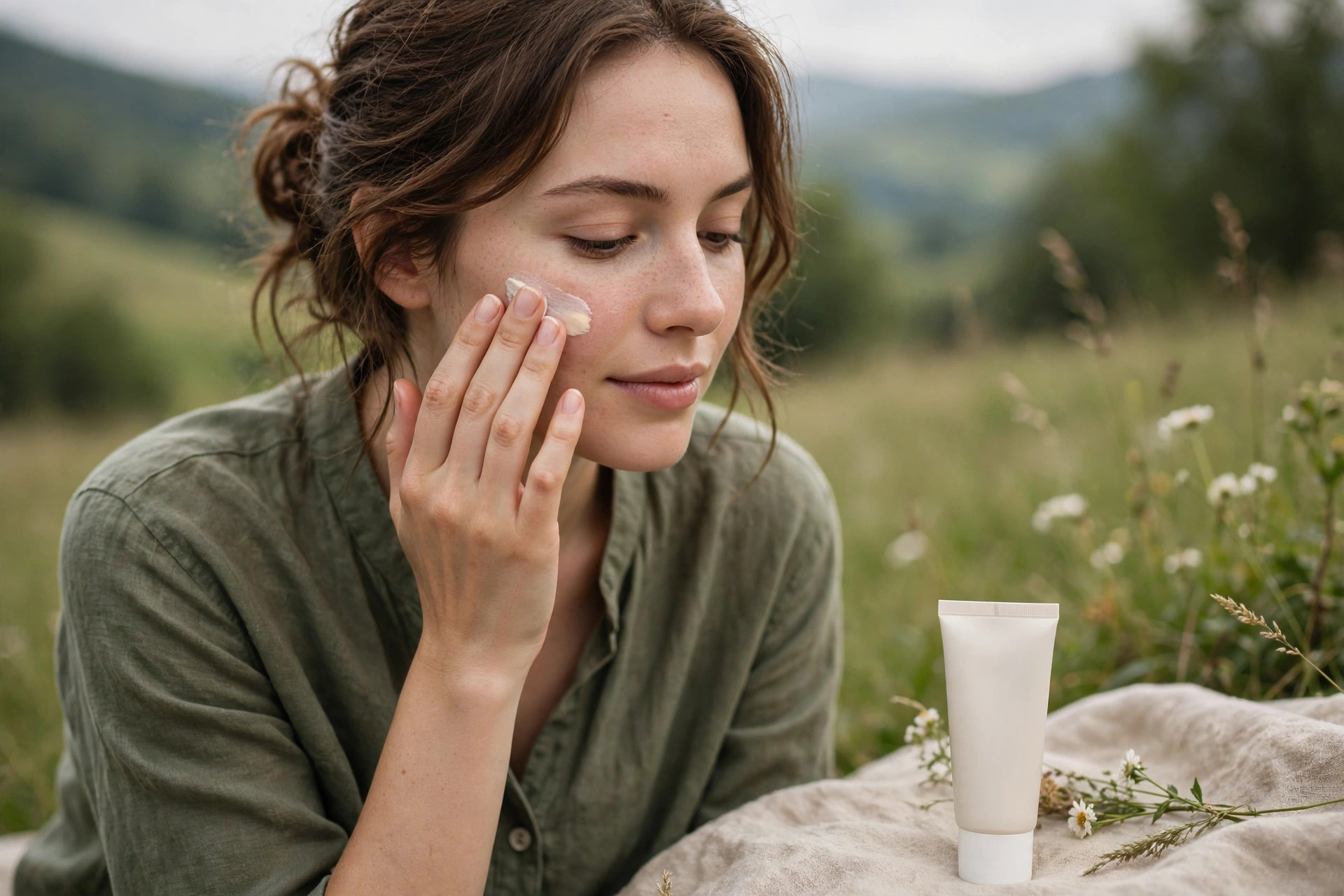
Finding the best sunscreen for rosacea prone skin uk shoppers can rely on is one of the trickiest parts of managing rosacea. Sunscreen is also one of the most important steps, because ultraviolet light is one of the most common rosacea triggers — yet so many sunscreens sting, flush or pill on reactive skin that plenty of people end up skipping it altogether. This guide solves that problem: seven gentle, widely available sunscreens that suit rosacea-prone skin, a comparison table, and a stinging-free way to apply them, all with UK prices and stockists.
Rosacea is a long-term skin condition that causes facial redness, visible blood vessels, flushing and sometimes spots that look like acne. It affects a large number of adults in the UK, and the sun is a trigger for most of them. The British Association of Dermatologists recommends daily sun protection as part of rosacea care, and the NHS notes that sunlight is one of the most common triggers. The challenge is choosing a formula that protects without irritating, and that is exactly what this guide covers.
Why Sunscreen Stings Rosacea-Prone Skin
Most sunscreen stinging comes down to three things: the UV filters, the fragrance and alcohol in the formula, and the state of the skin underneath. Chemical UV filters such as avobenzone and octocrylene absorb UV light and convert it to heat, and on reactive skin that process can feel like burning. Fragrance, essential oils and denatured alcohol are common irritants that sit alongside the filters in many formulas. And if your skin barrier is already compromised — which is common with rosacea — everything penetrates more easily and stings more.
Mineral filters work differently. Zinc oxide and titanium dioxide sit on top of the skin and reflect UV light, which is why they are generally better tolerated by rosacea-prone skin. Modern mineral formulas are far better than the thick white pastes of a decade ago, although some still leave a slight cast, so the guide below includes tinted and sheer options too. A few modern chemical filters, such as the newer generation filters used in some European formulas, are also well tolerated — the picks below were chosen for gentleness first, filter type second.
There is also an application factor. Rubbing sunscreen vigorously into already flushed skin generates friction and heat, which can trigger a flare on its own. How you apply it matters almost as much as which one you choose, and the application section below covers a technique that works for most people with rosacea.
Best Sunscreen for Rosacea Prone Skin UK: How to Choose
Before the product list, here is how to choose the best sunscreen for rosacea prone skin uk shelves offer, because the right choice depends on your skin's current state as much as the product label.
Start with SPF 50 or SPF 50+. Rosacea-prone skin needs strong, reliable protection, and SPF 30 is the minimum most dermatologists recommend for daily use. Look for broad-spectrum or UVA star-rated protection — in the UK, the star rating system tells you how much UVA protection a product offers relative to its SPF, and four or five stars is ideal. The label should also say whether the formula is fragrance-free, and ideally alcohol-free too.
Choose a formula that matches your skin type. If your skin is dry, a hydrating cream or lotion will feel more comfortable and is less likely to cling to flaky patches. If your skin is oily or combination, a gel-cream or fluid is better, because heavy creams can feel greasy and may trap heat. If you wear makeup, a fluid that layers well under foundation saves a lot of frustration.
Patch test every new sunscreen. Apply a small amount to your jawline or behind your ear, twice a day for two days, before using it on your full face. This is the single most useful habit in this guide, and it costs nothing. If a product stings on the patch test, do not push through it — there are plenty of alternatives.
Finally, check the size and price per millilitre, not just the headline price. Sunscreen only works if you use enough of it — about two finger-lengths for the face and neck — so a small expensive tube that you ration will protect you less than a larger, more affordable one you use generously. The comparison table below includes approximate price ranges so you can judge value honestly.
Best Sunscreen for Rosacea Prone Skin UK: The 7 Picks at a Glance
Here is the shortlist, with a comparison table first and full reviews after it. All seven are available in the UK from Boots, Superdrug, Cult Beauty or the brands' own UK websites, and all are fragrance-free or formulated for sensitive skin. Prices are approximate ranges at the time of writing and vary between retailers, so check your usual stockist before buying.
Product | SPF | Finish | Approximate £ range
La Roche-Posay Anthelios UVMune 400 Invisible Fluid | SPF50+ | Invisible, lightweight | Usually £16–£20
Eucerin Sun Oil Control Gel-Crème | SPF50+ | Mattifying gel-cream | Usually £13–£17
Altruist Face Fluid | SPF50 | Lightweight fluid | Usually under £10
Heliocare 360° Mineral Tolerance Fluid | SPF50 | Mineral, fluid | Usually £22–£28
Bioderma Photoderm AR | SPF50+ | Cream, anti-redness tint | Usually £14–£18
Ultrasun Face | SPF50+ | Light cream, no white cast | Usually £20–£26
Avène Very High Protection Emulsion | SPF50+ | Cream, hydrating | Usually £13–£17
1. La Roche-Posay Anthelios UVMune 400 Invisible Fluid SPF50+
This is the most recommended sunscreen in UK rosacea communities, and for good reason. The fluid texture disappears into the skin with no white cast, layers well under makeup, and is water, sweat and sand resistant. It uses modern chemical filters with a very high UVA rating, and the formula is fragrance-free and tested on sensitive skin. The main drawback is the price per millilitre — it is not the cheapest on this list — but a little goes a long way, and it is stocked at Boots, Superdrug and most pharmacies. If you want one sunscreen that works for almost everyone with rosacea, start here. It also pairs well with a gentle routine — if your barrier is feeling fragile, our guide to how to treat perioral dermatitis with gentle skincare covers the same calm-down-first approach.
2. Eucerin Sun Oil Control Gel-Crème SPF50+
If your rosacea comes with oily or combination skin, this gel-cream is a strong choice. It has a mattifying finish that controls shine without drying the skin out, and it sits well under makeup. The formula is fragrance-free and designed for sensitive, acne-prone skin, which makes it a good option if your rosacea includes spots as well as redness. It is widely available at Boots and Superdrug, usually in the £13 to £17 range, and the tube lasts a reasonable time with daily use. Some people find gel-creams feel tight in winter, in which case layering it over a light moisturiser solves the problem.
3. Altruist Face Fluid SPF50
Altruist is a UK brand founded by a dermatologist, and its Face Fluid is one of the best-value sunscreens in this list, usually under £10 for a generous tube. It is fragrance-free, uses modern filters, and has a light fluid texture that absorbs quickly without a greasy finish. It is also one of the few budget sunscreens with strong UVA protection and a five-star UVA rating. The value makes it easy to use the full recommended amount, which matters more than most people realise. It is available from the brand's own website and selected UK retailers, and it is an excellent everyday option if you go through sunscreen quickly.
4. Heliocare 360° Mineral Tolerance Fluid SPF50
This is the pick for people who have reacted to every chemical sunscreen they have tried. It is a true mineral formula, using zinc oxide and titanium dioxide, with no chemical filters at all, which makes it the gentlest option on this list for very reactive skin. The fluid texture is light and does not leave the heavy white cast that older mineral sunscreens were known for, although very deep skin tones may still notice a slight sheen. It is usually £22 to £28, so it is the priciest here, but for rosacea that flares at the slightest provocation, the mineral-only formula is worth it. It is stocked by Cult Beauty and specialist skincare retailers.
5. Bioderma Photoderm AR SPF50+
Bioderma's Photoderm AR is designed specifically for redness-prone skin, and it shows. The cream has a very light tint that helps neutralise redness, so it can double as a light base on days when you do not want full makeup. It is fragrance-free, uses a combination of filters chosen for sensitive skin, and has a hydrating texture that suits dry or combination skin. It is usually £14 to £18 and is available at Boots and Superdrug. The tint is subtle rather than coverage-heavy, so do not expect it to replace foundation, but for a no-makeup day it takes the edge off redness nicely.
6. Ultrasun Face SPF50+
Ultrasun is a Swiss brand with a strong following among people with sensitive skin, and its Face SPF50+ is one of the most cosmetically elegant high-protection formulas available in the UK. It absorbs quickly, leaves no white cast, and does not pill under makeup. The formula is fragrance-free and free from emulsifiers that can irritate sensitive skin, and it is water resistant. At usually £20 to £26 it sits at the premium end, but the 100ml tube is larger than most competitors, so the cost per use is reasonable. It is stocked by Boots, John Lewis and Cult Beauty, and it is a good choice if you want a single sunscreen for face and neck that you can rely on all year.
7. Avène Very High Protection Emulsion SPF50+
Avène's thermal spring water heritage shows in this gentle, hydrating emulsion, which suits dry or dehydrated rosacea-prone skin particularly well. It is fragrance-free, uses a photostable filter system, and has a creamy texture that feels soothing rather than heavy. It is widely available at Boots and Superdrug, usually £13 to £17, and the brand is a familiar sight in UK pharmacies, which makes it easy to find and repurchase. If your skin runs dry and you dislike fluid textures, this is the most comfortable pick on the list. For a winter routine built around the same gentle principles, see our guide to the best winter skincare routine for rosacea-prone skin.
How to Apply Sunscreen Without Stinging or Flaring
Even the gentlest sunscreen can trigger a flare if it is applied aggressively, so technique matters. Start with calm, cool skin: if your face is already flushed from a hot shower or exercise, wait ten minutes before applying sunscreen. Apply your moisturiser first and let it sink in for a few minutes, which creates a buffer between the sunscreen and your skin.
Use the two-finger rule — a line of sunscreen along the length of your index and middle fingers — for your face and neck. Dot the sunscreen onto your cheeks, forehead, nose and chin, then press and pat it in gently with your fingertips rather than rubbing in circles. Patting reduces friction and heat, and it gives a more even layer. If the sunscreen feels uncomfortable after a minute, do not rub harder; leave it alone, and the sensation usually settles as the formula sets.
Reapplication is where most people with rosacea struggle, because reapplying over flushed skin can sting. If you are outdoors for a long time, reapply every two hours, but use the same patting technique and a small amount at a time. A sunscreen stick or a cushion compact can make reapplication gentler than a liquid, because you press rather than rub. If you wear makeup, a mineral powder sunscreen over the top is a practical way to top up protection without disturbing your base. If you want a broader shortlist of gentle formulas to rotate in, our guide to the best fragrance-free sunscreen for sensitive skin covers options that are also well suited to rosacea-prone skin.
Avoid applying sunscreen to broken or very irritated skin if you can, and if a flare is active, prioritise shade, a hat and sunglasses for a day or two until the skin calms. Sunscreen is essential, but it is not the only form of sun protection, and on your worst days, physical barriers are kinder.
Triggers to Avoid in Sunscreen for Rosacea
Reading a sunscreen label for rosacea is a skill worth learning, because the wrong ingredients can undo an otherwise perfect formula. The main things to avoid are fragrance and parfum, including essential oils such as lavender, citrus and peppermint, which are common irritants. Denatured alcohol, often listed as alcohol denat, can sting and dry out reactive skin, although not all alcohols in skincare are drying — fatty alcohols such as cetyl alcohol are fine and are used as moisturisers.
Be cautious with chemical filters if you know you react to them. Avobenzone, octocrylene and homosalate are the most common culprits for stinging in rosacea-prone skin, although many people tolerate them perfectly well. If you have reacted to sunscreens in the past, switching to a mineral formula is the simplest way to remove this variable. Also watch for oxybenzone, which is less common in UK formulas now but still appears in some imported products, and which has raised concerns beyond skin irritation.
Finally, be wary of sunscreens marketed as "sport" or "sweatproof" for daily use, because these tend to be heavier, harder to remove, and more likely to trap heat. A light daily formula that you actually enjoy using will protect you far better than a heavy one you avoid. If you are unsure about a product, the American Academy of Dermatology has patient guidance on rosacea care and sun protection that is free to read.
Sunscreen and Your Wider Rosacea Routine
Sunscreen works best as part of a calm, consistent routine, not as a standalone fix. A gentle cleanser, a simple moisturiser and sunscreen in the morning is the core of rosacea care for most people, with any prescription treatment applied as your doctor advises. Keeping the rest of the routine simple means fewer variables, and fewer chances for something to trigger a flare.
If your skin barrier is damaged — which often happens alongside rosacea, especially after overusing actives — repair the barrier first before worrying about which sunscreen is perfect. A damaged barrier makes every product sting more, so the sunscreen that works best on healthy skin may not be the one that works best while your barrier is healing. The same gentle principles apply: fragrance-free, minimal ingredients, and patience. If you are choosing a moisturiser to sit underneath your sunscreen, our guide to the best pregnancy-safe moisturiser for dry skin is a useful reference for gentle, fragrance-free base products, even if you are not pregnant.
Seasonal changes matter too. In summer, you need a formula that survives sweat and reapplication; in winter, a hydrating cream that does not cling to dry patches is more comfortable. You do not need a different sunscreen for every season, but you may want a lighter fluid for summer and a richer cream for winter. UK sunscreen rules require that products meet strict EU-derived standards for SPF and UVA testing, so any sunscreen sold by a reputable UK retailer has passed those tests — the choice is about your skin, not about whether the SPF number is real.
One last point: sunscreen does not treat rosacea, and it cannot replace medical care. If your rosacea is worsening, if you have eye symptoms such as gritty or sore eyes, or if over-the-counter care is not controlling your symptoms, see your GP. Prescription treatments exist that can make a real difference, and a dermatologist can help you find the right combination for your skin.
Frequently Asked Questions
Is mineral sunscreen really better for rosacea?
Mineral sunscreen is generally better tolerated by rosacea-prone skin because zinc oxide and titanium dioxide sit on the surface of the skin and reflect UV light, rather than absorbing it and converting it to heat the way chemical filters do. That does not mean every chemical sunscreen will sting you — many people with rosacea use modern chemical formulas without any problem — but if you have reacted to sunscreens before, a mineral formula is the safest starting point. Try a mineral fluid first, and if it works, you have your answer without needing to test several chemical options.
Can I use sunscreen if my rosacea is flaring right now?
Yes, but be gentle about it. During an active flare, your skin is at its most reactive, so choose the mildest formula you own, apply it by patting rather than rubbing, and use physical protection such as a hat and sunglasses alongside it. If even your gentlest sunscreen stings badly during a flare, it is reasonable to rely on shade and a wide-brimmed hat for a day or two until the flare settles, then return to sunscreen. Do not skip sun protection for longer than that, because UV exposure is itself a flare trigger.
How much sunscreen should I use on my face?
Use about two finger-lengths of product — a line along your index and middle fingers — for your face and neck. Most people use far less than this, which is why real-world protection is often much lower than the SPF on the label. It can feel like a lot at first, so apply it in two thin layers, letting the first settle for a minute before adding the second. This also reduces the chance of a white cast, because a thin even layer absorbs better than one thick one.
Does sunscreen expire, and can expired sunscreen irritate rosacea?
Yes, sunscreen expires, and using it past its expiry date is a bad idea for anyone, especially with rosacea. Expired sunscreen may offer less protection, and the formula can separate or change, which increases the chance of irritation. Check the period-after-opening symbol on the packaging, usually 12 months, and replace a tube that has been open for over a year or stored somewhere hot. If a sunscreen that used to be fine suddenly stings, check whether it is old before blaming your skin.
Can I wear makeup over sunscreen if I have rosacea?
Yes, and many people with rosacea do. The key is to let the sunscreen set for a few minutes before applying makeup, and to choose makeup that is fragrance-free and non-comedogenic. A light, hydrating foundation or a tinted moisturiser usually sits better over sunscreen than a heavy matte formula. Apply makeup with a soft brush or clean fingers using a patting motion, and avoid powdering heavily, which can emphasise dry patches. A tinted sunscreen, such as the Bioderma Photoderm AR in this guide, can replace foundation entirely on good skin days.
Should I use SPF in winter in the UK?
Yes. UVA rays, which contribute to skin ageing and can trigger rosacea, pass through cloud and glass and are present all year round in the UK, even on grey winter days. UVB is weaker in winter, but UVA is not, so daily sunscreen is worth keeping up through the colder months. In winter, you may prefer a more hydrating formula, and you can use a smaller amount if you are spending the whole day indoors, but do not stop altogether. If you want a routine built around winter rosacea care, see our best tinted sunscreen for mature skin guide for options that combine protection with a little coverage.
What is the difference between SPF 30 and SPF 50 for rosacea?
SPF 30 blocks around 97 percent of UVB rays when applied correctly, while SPF 50 blocks around 98 percent. The difference sounds small, but it matters because most people under-apply sunscreen, so the real-world protection from an SPF 50 is meaningfully higher than from an SPF 30. For rosacea-prone skin, where UV is a known trigger, SPF 50 or SPF 50+ is the safer choice. The UVA rating matters too, so look for a product with a four or five star UVA rating alongside its SPF number.
Can sunscreen alone stop my rosacea from flaring in the sun?
Sunscreen helps a great deal, but it cannot stop every sun-triggered flare on its own. UV is one trigger among several, and heat itself can provoke flushing, so staying in the sun with sunscreen on can still cause a flare if you overheat. The most effective approach combines sunscreen with shade, a hat, sunglasses, and avoiding the strongest midday sun where possible. If you flare badly in the sun despite good sunscreen habits, talk to your GP, because prescription treatments and a review of your triggers may help more than changing sunscreen alone.
Key Takeaways
- UV light is one of the most common rosacea triggers, so daily SPF 50+ is essential — but the wrong formula can sting and flare reactive skin.
- Mineral sunscreens with zinc oxide and titanium dioxide are usually the best tolerated, while some modern chemical filters are also gentle.
- Avoid fragrance, essential oils and denatured alcohol in sunscreen, and always patch test a new product on your jawline first.
- Apply sunscreen by patting, not rubbing, in two thin layers, using about two finger-lengths for face and neck.
- The best-value picks are Altruist Face Fluid, usually under £10, and Eucerin Sun Oil Control; the gentlest mineral-only option is Heliocare 360° Mineral Tolerance Fluid.
- Reapply every two hours outdoors, and use shade, a hat and sunglasses alongside sunscreen on hot days.
- If rosacea is worsening or affecting your eyes, see your GP — sunscreen is part of care, not a replacement for medical treatment.
Conclusion
The best sunscreen for rosacea-prone skin is the one you will actually wear every day without flinching, and for most people in the UK that means a fragrance-free, SPF 50+ formula with a texture they enjoy. Start with a mineral option if you have reacted to sunscreens before, or with one of the gentle modern formulas in this guide if you have not, and always patch test first.
Apply it gently, use enough of it, and pair it with shade and a hat on the brightest days. Your skin will thank you for the consistency, and over time the combination of daily protection and a calm routine is one of the most effective things you can do for rosacea. If you are still struggling to find a formula that works, a dermatologist can help — and the right sunscreen is out there, even if it takes a couple of tries to find it.
Best face oil for dry skin UK — 7 nourishing picks from Boots, Superdrug and Cult Beauty, plus how to choose, layer and apply face oils for softer, calmer skin.
Read More arrow_forward
The best fungal acne safe moisturiser uk guide — 7 gentle, UK-available picks, plus how to spot fungal acne and which ingredients to avoid.
Read More arrow_forward
Find the best pregnancy safe vitamin c serum uk with 7 gentle, UK-available picks for glow, dark spots and sensitive pregnancy skin.
Read More arrow_forward
Find the best winter body lotion for extremely dry skin uk with 7 soothing, UK-available picks for tight, flaky winter skin.
Read More arrow_forward
Find the best fragrance free face wash for rosacea prone skin uk: gentle cleansers, what to avoid, and how to cleanse without triggering flushing.
Read More arrow_forwardCalculate your Body Mass Index (BMI) in seconds. BMI is a quick screening number…
Use now arrow_forwardFind your daily calorie needs based on your age, sex, height, weight and activit…
Use now arrow_forwardFind how much water you should drink each day, in litres and glasses, based on y…
Use now arrow_forward