Best Face Oil for Dry Skin UK: 7 Nourishing Picks
Best face oil for dry skin UK — 7 nourishing picks from Boots, Superdrug and Cult Beauty, plus how to choose, layer and apply face oils for softer, calmer skin.
Read More arrow_forwardFind the best fragrance free face wash for rosacea prone skin uk: gentle cleansers, what to avoid, and how to cleanse without triggering flushing.
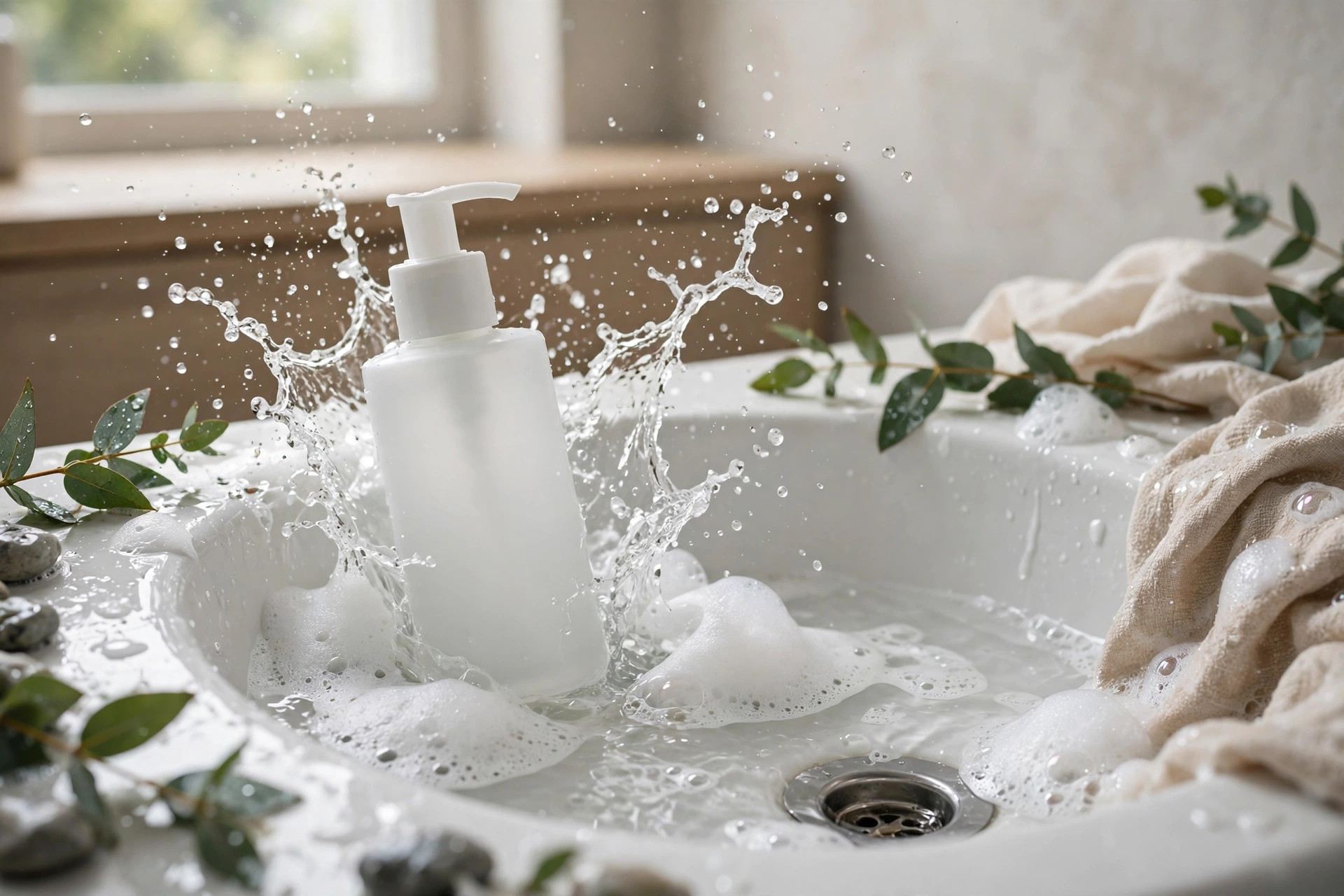
If you are searching for the best fragrance free face wash for rosacea prone skin uk, the most important thing to know is that the right cleanser should do very little, and do it very gently. Rosacea-prone skin often reacts to fragrance, harsh foaming agents, hot water, scrubbing and strong active ingredients, so a cleanser that promises a deep clean, a tingling feeling or a dramatic glow is usually the wrong choice. The best cleanser for this skin type removes sunscreen, makeup and the day without stripping natural oils, without leaving skin tight or red, and without adding fragrance or essential oils that can trigger flushing. This guide explains how to choose that kind of cleanser, what to avoid, how to cleanse morning and evening without provoking a flare, and seven calm product types to look for in UK shops. It gives general information only: rosacea is a medical condition, and if you have persistent redness, visible blood vessels, bumps, eye irritation or skin that does not settle, please see your GP or a dermatologist for diagnosis and personal advice rather than relying on a cleanser alone.
Cleansing is the step that rosacea-prone skin meets twice a day, every day, which is why getting it wrong can undo the benefits of an otherwise gentle routine. A harsh cleanser used morning and night can keep skin in a low-level state of irritation, making it more reactive to everything else, from weather changes to a new moisturiser. A gentle cleanser, by contrast, gives skin a calm starting point, so moisturiser and sunscreen can do their jobs properly. Many people with rosacea-prone skin find that simplifying cleansing is the single most helpful change they make, more helpful than adding another serum or treatment product. That is the approach behind this guide: fewer irritants, softer textures, lukewarm water, and a routine you can repeat comfortably every day.
It is also important to set realistic expectations. No face wash can diagnose, cure or treat rosacea, and no cleanser will suit every person with rosacea-prone skin, because triggers and tolerance vary a great deal. What this guide can do is help you recognise the formulas most likely to be tolerated, the ingredients most likely to cause trouble, and the habits that reduce flushing during cleansing. Think of your cleanser as a supporting player, not the star treatment. The stars are professional advice where needed, consistent sun protection, gentle moisturising, trigger awareness and patience.
Why Rosacea-Prone Skin Needs a Different Cleanser
Rosacea-prone skin often has a more reactive barrier, which means it responds more strongly to things that other skin types barely notice. Fragrance is one of the most common irritants, and it hides in many places: added perfume, essential oils, botanical extracts marketed as natural, and even fragrance used to mask the smell of other ingredients. A product labelled as unscented is not always fragrance-free, because masking fragrance can still be present, so the label to look for is specifically fragrance-free. Foaming agents that create a rich, squeaky lather can also strip the skin, leaving it feeling tight and looking redder after washing. That tight feeling is not a sign of cleanliness. It is a sign that the barrier has been disturbed.
Water temperature and technique matter just as much as the product. Very hot water, vigorous rubbing, rough flannels and facial brushes can all provoke flushing and soreness in reactive skin. Lukewarm water, fingertips instead of brushes, and patting dry with a soft towel are far kinder. Time matters too: leaving a cleanser on the skin for several minutes, massaging hard to remove stubborn makeup, or cleansing twice with two strong products can increase irritation. A short, gentle cleanse is usually enough, and if you wear heavy makeup or water-resistant sunscreen, a gentle first cleanse with a fragrance-free cleansing milk or oil, followed by a gentle water-based cleanser, is kinder than scrubbing hard with one harsh product.
Another reason rosacea-prone skin needs special care is that flushing triggers overlap with cleansing habits. Heat, friction, sudden temperature changes and irritating ingredients can all contribute to redness, and cleansing combines several of these at once if done harshly. That does not mean you must avoid washing your face, which would cause its own problems, but it does mean that every part of the routine should be checked for gentleness. Keep the bathroom warm but not steamy, avoid plunging from a cold outdoors into a very hot shower and then washing your face immediately, and give skin a few minutes to settle if you have just come in from the cold. Small adjustments like these often reduce post-cleanse redness more than switching brands repeatedly.
Best Fragrance Free Face Wash for Rosacea Prone Skin UK: How to Choose
Look for fragrance-free on the label, not just gentle branding. Words such as gentle, sensitive, natural, calming and dermatologically tested are not regulated in the same way, and a product can carry them while still containing fragrance or essential oils. Turn the product over and check the ingredient list for parfum, fragrance, and essential oils such as lavender, citrus, peppermint or tea tree oil, which commonly irritate reactive skin. If you are unsure about an ingredient, a pharmacist can often help you check a label, and general information about rosacea is available from the British Association of Dermatologists.
Choose a low-foam, creamy or milky texture. Cream, milk and non-foaming gel cleansers usually clean without stripping, and they are easier to apply with fingertips and rinse with lukewarm water. Micellar water can also work for a light morning cleanse or for removing light makeup, as long as it is fragrance-free and you rinse afterwards if your skin prefers it. Avoid grainy scrubs, exfoliating beads, strong foaming washes and cleansers that promise oil control, deep pore cleansing or a tingling sensation. Those promises usually signal ingredients that rosacea-prone skin tolerates poorly.
Keep the ingredient list short and boring. The best cleansers for reactive skin often have short lists built around gentle cleansing agents, glycerin and soothing ingredients such as panthenol or allantoin, without a long parade of botanical extracts. A short list also makes patch testing more meaningful, because if a reaction happens you have fewer suspects to consider. Avoid cleansers that combine cleansing with exfoliating acids, benzoyl peroxide, strong vitamin C or retinol in a single wash-off product, because leave-on treatments are easier to control and wash-off actives add irritation without much benefit.
Patch test every new cleanser, even a gentle one. Apply a small amount to a discreet area, such as behind the ear or along the jawline, once a day for several days before using it on your whole face. If redness, itching, burning, bumps or increased flushing appear, stop using it and give skin time to settle before trying another product. Patch testing takes patience, but it saves far more time than recovering from a full-face reaction. Keep a simple note of products that worked and products that did not, including the exact product name, so you do not accidentally rebuy a cleanser that caused trouble months later.
Buy for tolerance, not for price or prestige. In the UK, suitable fragrance-free cleansers are widely available at Boots and Superdrug, as well as from Cult Beauty for specialist brands, across budget, mid-range and premium price tiers. A budget pharmacy own-brand fragrance-free cleanser can suit rosacea-prone skin just as well as a premium product, and an expensive product is not safer simply because it costs more. Choose by label, texture and your patch-test result, and be wary of any product that claims to treat or cure rosacea, because cleansers are skincare, not medical treatment.
The 7 Calm Picks: Product Types to Look For
1. A fragrance-free cleansing milk. Cleansing milks are soft, creamy and easy to remove with lukewarm water or a soft damp cloth. They suit dry or combination rosacea-prone skin, remove light makeup and sunscreen without foaming, and rarely leave skin feeling tight. Look for a simple formula without essential oils, and use fingertips only.
2. A fragrance-free cream cleanser. Cream cleansers are slightly richer than milks and work well in winter or for skin that feels dry after washing. They are a good choice if your skin flushes after foaming washes, because they clean mainly by dissolving surface grime rather than by stripping oils. Rinse thoroughly with lukewarm water and pat dry.
3. A non-foaming gentle gel cleanser. Not all gels are harsh. A non-foaming, fragrance-free gel with glycerin and gentle cleansing agents can suit oilier rosacea-prone skin that finds creams too heavy. Avoid gels that foam richly, tingle, or promise oil control, and stop using one if it leaves skin feeling squeaky or tight.
4. A fragrance-free micellar water for light days. Micellar water can be a useful low-friction option on mornings when skin feels calm and you have no heavy sunscreen or makeup to remove. Soak a soft cotton pad, wipe gently without rubbing, and rinse with lukewarm water if your skin prefers a rinse. It is not a substitute for a proper cleanse after a day wearing water-resistant sunscreen or full makeup.
5. A gentle cleansing oil or balm as a first cleanse. For evenings when you wear sunscreen and makeup, a fragrance-free cleansing oil or balm used as a first step can dissolve products without scrubbing. Massage very gently with fingertips, rinse with lukewarm water, and follow with your usual gentle cleanser. Choose a plain formula without fragrance or essential oils, and avoid hot cloths, which add heat and friction.
6. A fragrance-free soap-free wash for sensitive skin. Soap-free washes designed for sensitive skin are often pH-balanced and low-foaming, and they can suit people who prefer the feeling of rinsing with water over a milk texture. Check that the product is genuinely fragrance-free, use a small amount, and rinse promptly rather than leaving it on the skin.
7. A simple lukewarm-water rinse on very reactive mornings. On mornings when skin is already flushed, sore or recovering from a flare, sometimes the calmest cleanse is no cleanser at all, just lukewarm water, followed by moisturiser and sunscreen. This is a short-term strategy for difficult days, not a permanent replacement for cleansing, and if your skin is frequently too reactive for any cleanser, that is a good reason to seek professional advice. General information about sensitive skin and rosacea can also be found through DermNet NZ.
Whichever type you choose, remember that your cleanser works as part of a routine. A gentle wash followed by a harsh toner, a fragranced moisturiser or a strong active serum will still irritate skin, so check the whole routine, not just the cleanser. After cleansing, a fragrance-free moisturiser designed for reactive skin helps restore comfort, and our guide to fragrance-free moisturisers for rosacea explains what to look for in that next step.
Best Fragrance Free Face Wash for Rosacea Prone Skin UK: Morning and Evening Routine
Morning routine. On most mornings, splash with lukewarm water or use a very gentle fragrance-free cleanser if your skin feels oily or you used a rich night cream. Pat dry with a soft towel, apply a fragrance-free moisturiser while skin is still slightly damp, and finish with a broad-spectrum sunscreen. Sunscreen is essential for rosacea-prone skin, because sun exposure is a common flushing trigger, and UK guidance still applies on cloudy days. Our guide to fragrance-free sunscreens for sensitive skin can help you choose a formula that sits comfortably over a gentle cleanse.
Evening routine. In the evening, remove sunscreen and makeup first if you wear them, using a gentle fragrance-free cleansing milk, oil or balm with fingertips, then follow with your usual gentle cleanser and lukewarm water. Keep the whole process short, avoid hot water, and do not use a flannel roughly or a facial brush. Pat dry, apply moisturiser, and leave active treatments out of the routine unless a clinician has advised them for you. If your skin feels calm, this simple routine is enough, and adding more products often creates more problems than it solves.
On flare days. If skin is already flushed, warm or sore, simplify further: lukewarm water or the gentlest cleanser you tolerate, a plain fragrance-free moisturiser, and sunscreen if you go outside. Avoid trying a new product during a flare, because you will not be able to tell whether a reaction is caused by the flare or by the product. Wait until skin has been calm for several days before introducing anything new, and introduce only one new product at a time. Keeping a short diary of flushing episodes, including weather, foods, products and stress, can help you and a clinician spot patterns over time, although triggers vary greatly from person to person.
Winter adjustments in the UK. Cold wind, damp air and centrally heated rooms can make rosacea-prone skin feel drier and more reactive in winter, even though the cleanser itself has not changed. A cream or milk cleanser often feels kinder in winter than a foaming wash, and a slightly richer fragrance-free moisturiser after cleansing can help. Protect your face from harsh wind with a soft scarf, avoid moving straight from freezing outdoors into a very hot shower, and keep sunscreen in the routine even in winter. Our advice on a winter skincare routine for rosacea-prone skin covers these seasonal adjustments in more detail.
Flushing Triggers, Ingredients to Avoid and Common Mistakes
Flushing triggers are personal, but commonly reported ones include sun exposure, heat, hot drinks, spicy food, alcohol, stress, strenuous exercise in heat, and irritating skincare ingredients. You do not need to avoid everything at once, and you should not restrict your life on the basis of a generic list. Instead, notice your own patterns, protect against sun and heat where you can, and discuss persistent or worrying symptoms with a clinician. Skincare triggers are the easiest to control: fragrance, essential oils, alcohol-based toners, strong exfoliating acids, abrasive scrubs and high-strength active products are all common sources of irritation in rosacea-prone skin, and removing them often reduces daily redness.
Common mistakes include cleansing with very hot water, scrubbing with a flannel or brush, using a fragranced face wash because it smells pleasant, and layering several new products at once. Another mistake is judging a cleanser after a single use during a flare, when skin would have reacted to almost anything. Give a gentle product a fair patch test on calm skin, and judge it over days, not minutes. A further mistake is skipping sunscreen because a previous sunscreen irritated your skin. Instead, look for a fragrance-free, sensitive-skin sunscreen and patch test it separately, because sun protection is one of the most important steps for rosacea-prone skin. If redness, bumps, eye symptoms or persistent flushing continue, general information on when to seek care is available from the NHS skin conditions pages and a GP can advise on referral or treatment options.
It also helps to understand how cleansing fits into barrier health. A damaged barrier lets irritants in more easily and loses moisture more quickly, which can make reactive skin even more sensitive. That is why gentle cleansing, fragrance-free moisturising and sun protection form a trio that supports each other. Our guide to repairing a damaged skin barrier explains the signs of barrier trouble and how to rebuild calmly, and our skincare ingredient combinations guide can help you avoid pairings that commonly increase irritation. Together, these steps give you a routine that is simple, repeatable and far less likely to provoke flushing.
A simple shopping checklist can make the whole process less stressful. Before you buy, check that the front of the pack says fragrance-free, check the ingredient list for perfume and essential oils, and check that the texture is a cream, milk or non-foaming gel rather than a rich foam or scrub. If you shop online, read the full ingredient list on the retailer page rather than relying on the product name, because names can be misleading and a product described as calming may still contain fragrance. If you shop in store, take your time at the shelf, and do not feel rushed into a product by a promotion or a display. Buying a smaller size first is often a sensible choice, because it lets you patch test without committing to a large bottle that may not suit you.
Storage and everyday handling also play a small but real role. Keep your cleanser in a cool, dry place, close the cap properly, and avoid sharing it or decanting it into unlabelled containers, which makes it harder to remember exactly which product caused a reaction. Replace a cleanser that has changed in smell, colour or texture, and pay attention to any expiry or period-after-opening symbol on the pack. If you travel, carry your usual fragrance-free cleanser with you rather than relying on hotel toiletries, which are often fragranced and far too harsh for reactive skin. These habits do not treat rosacea, but they remove unnecessary variables, and for reactive skin, fewer variables usually means fewer surprises.
Key Takeaways
Choose a fragrance-free cleanser, not just one labelled gentle or natural, and check the ingredient list for perfume and essential oils.
Prefer low-foam cream, milk or non-foaming gel textures, lukewarm water, fingertips and patting dry, never scrubbing or hot water.
Patch test every new cleanser on a small area for several days before using it on your whole face.
Keep cleansing short and simple, follow with a fragrance-free moisturiser, and wear broad-spectrum sunscreen every day.
This guide gives general information only: persistent redness, bumps, eye irritation or worsening symptoms should be assessed by a GP or dermatologist.
What is the best type of face wash for rosacea-prone skin?
There is no single best product for everyone, but fragrance-free cream, milk or non-foaming gel cleansers are usually the best tolerated types. They clean without stripping the barrier or adding fragrance, which are the two most common sources of cleansing irritation. Choose by patch-test result and texture preference, and avoid foaming, fragranced or exfoliating washes.
Should I use a foaming face wash if my skin is oily and rosacea-prone?
Rich foaming washes often leave rosacea-prone skin feeling tight and looking redder, even when skin is oily. A non-foaming gentle gel cleanser is usually a better compromise, because it can handle oiliness without the stripping effect of a strong foam. If any cleanser leaves skin feeling squeaky or tight, it is too harsh for your skin, however oily it feels beforehand.
Is micellar water enough to cleanse rosacea-prone skin?
Micellar water can be enough on light days when you wear no heavy sunscreen or makeup, and it is a low-friction option for calm mornings. It is usually not enough after a day wearing water-resistant sunscreen or full makeup, when a gentle cleansing milk or oil followed by a gentle cleanser works better. Rinse with lukewarm water afterwards if your skin prefers it.
How often should I wash my face if I have rosacea-prone skin?
Most people do well with a gentle cleanse in the evening and either lukewarm water or a very gentle cleanse in the morning. Over-cleansing, cleansing with hot water, or using two strong products twice a day can increase irritation. On very reactive days, a lukewarm-water rinse in the morning is a reasonable short-term option, but seek advice if skin is frequently too reactive for any cleanser.
Can a face wash treat or cure rosacea?
No. A face wash cannot diagnose, treat or cure rosacea, and any product claiming to do so should be treated with caution. A gentle fragrance-free cleanser can reduce daily irritation and support a calm routine, but persistent redness, bumps, visible blood vessels or eye symptoms need professional assessment, and treatment, where appropriate, is decided by a clinician.
What ingredients should I avoid in a face wash for rosacea-prone skin?
Avoid fragrance and perfume, essential oils, strong foaming agents that leave skin squeaky, grainy scrubs, exfoliating acids in a wash-off product, benzoyl peroxide and alcohol-based formulas. Also be cautious with long lists of botanical extracts, which increase the chance of an unknown irritant. A short, fragrance-free ingredient list is usually the safest starting point.
Should I patch test a fragrance-free cleanser?
Yes, always. Even fragrance-free products can irritate an individual, because tolerance varies. Apply a small amount to an area such as behind the ear or along the jawline once a day for several days before full-face use. If redness, itching, burning or increased flushing appears, stop using it and wait for skin to settle before trying a different product.
Do I need sunscreen if I have rosacea-prone skin and live in the UK?
Yes. Sun exposure is a common flushing trigger, and ultraviolet light reaches skin even on cloudy UK days. Use a broad-spectrum, fragrance-free sunscreen every morning as the last step of your routine, and patch test new sunscreens separately from other products. If a sunscreen irritates your skin, try a different fragrance-free sensitive-skin formula rather than skipping sun protection altogether.
Conclusion
The best fragrance-free face wash for rosacea-prone skin is not the one with the most claims, the strongest foam or the highest price. It is the simple, fragrance-free cleanser that leaves your skin feeling calm, comfortable and clean, without tightness, stinging or extra redness. Choose a cream, milk or non-foaming gel texture, cleanse with lukewarm water and fingertips, patch test before full use, and support cleansing with a fragrance-free moisturiser and daily sunscreen. Keep the routine simple, notice your own flushing triggers, and remember that this guide offers general information only. If redness, bumps, eye irritation or flushing persist or worsen, see your GP or a dermatologist for diagnosis and personal advice, and let a calm cleansing routine support, not replace, professional care.
Best face oil for dry skin UK — 7 nourishing picks from Boots, Superdrug and Cult Beauty, plus how to choose, layer and apply face oils for softer, calmer skin.
Read More arrow_forward
The best sunscreen for rosacea prone skin UK — 7 gentle, fragrance-free picks that calm rather than sting, with a comparison table and prices.
Read More arrow_forward
The best fungal acne safe moisturiser uk guide — 7 gentle, UK-available picks, plus how to spot fungal acne and which ingredients to avoid.
Read More arrow_forward
Find the best pregnancy safe vitamin c serum uk with 7 gentle, UK-available picks for glow, dark spots and sensitive pregnancy skin.
Read More arrow_forward
Find the best winter body lotion for extremely dry skin uk with 7 soothing, UK-available picks for tight, flaky winter skin.
Read More arrow_forwardCalculate your Body Mass Index (BMI) in seconds. BMI is a quick screening number…
Use now arrow_forwardFind your daily calorie needs based on your age, sex, height, weight and activit…
Use now arrow_forwardFind how much water you should drink each day, in litres and glasses, based on y…
Use now arrow_forward