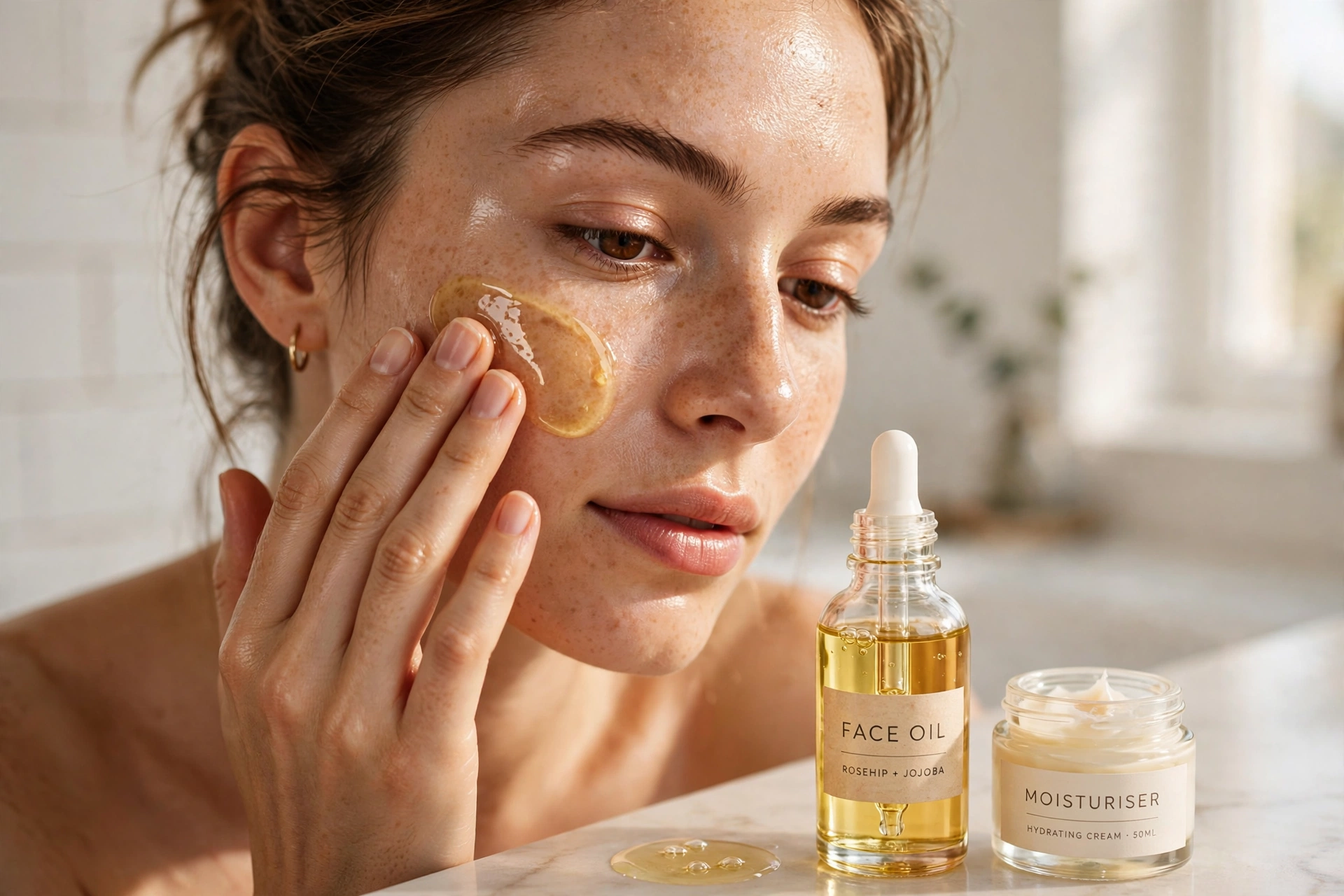
Best Face Oil for Dry Skin UK: 7 Nourishing Picks
Best face oil for dry skin UK — 7 nourishing picks from Boots, Superdrug and Cult Beauty, plus how to choose, layer and apply face oils for softer, calmer skin.
Read More arrow_forwardFind the best pregnancy safe vitamin c serum uk with 7 gentle, UK-available picks for glow, dark spots and sensitive pregnancy skin.
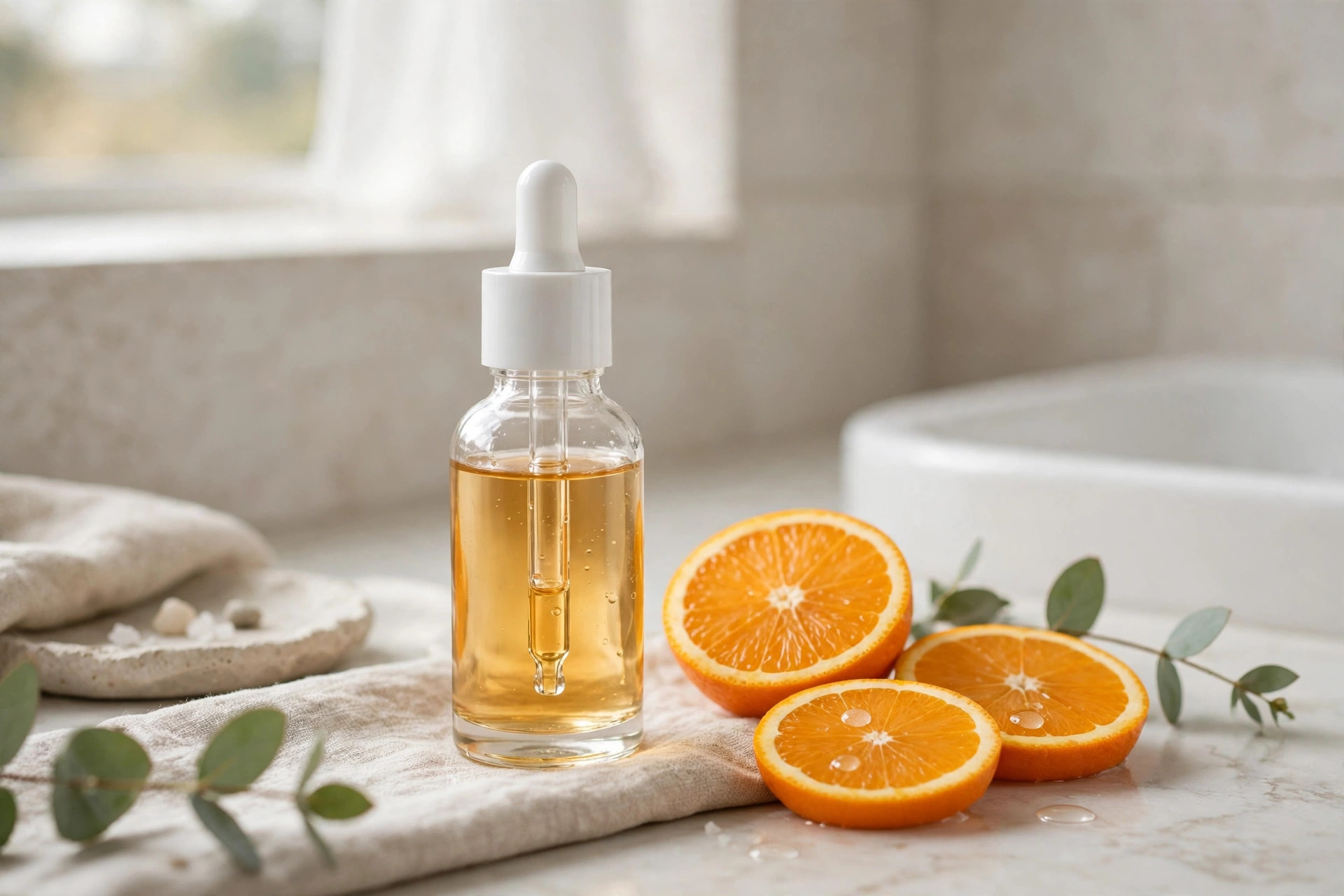
Pregnancy changes skin in ways that can feel surprising, even if you have followed the same routine for years. Pigmentation may deepen, dark spots may appear more easily, breakouts can flare, and skin that once tolerated strong actives may suddenly feel reactive. If you are looking for the best pregnancy safe vitamin c serum uk shoppers can buy with confidence, you are asking exactly the right question, because vitamin C is one of the few brightening ingredients that is generally considered suitable during pregnancy, provided you choose a gentle formula and use it sensibly. It can help skin look brighter and more even, support collagen, and defend against everyday environmental stress, without the risks associated with ingredients that are best avoided at this time.
That said, pregnancy skin care deserves extra care, and this guide is general information only, not medical advice. Every pregnancy is different, and if you have any concerns, a skin condition, or a complicated medical history, check with your GP or midwife before starting a new product, even a gentle one. The phrase pregnancy-safe in this guide means generally considered suitable during pregnancy by dermatologists and commonly recommended in pregnancy skin care guidance, not a guarantee for every individual. Patch-testing, gentle concentrations, and a simple routine matter more during pregnancy than chasing the strongest formula available. This guide explains how vitamin C works, which forms and strengths are gentlest, what to avoid, and seven types of serum widely available in the UK, so you can choose with confidence and keep your routine calm, simple, and effective.
You do not need to overhaul your whole routine to benefit from vitamin C. In fact, a short morning routine built around a gentle cleanser, a vitamin C serum, a moisturiser, and a daily sunscreen will usually do more for brightness and pigmentation than a long list of new actives. Pregnancy is a time to simplify, not to experiment aggressively, and vitamin C fits that approach well because it works gradually, supports the skin barrier, and pairs easily with the hydrating and soothing products most pregnant skin already needs. By the end of this guide you will know which vitamin C forms to look for, which ingredients to leave out for now, how to introduce a serum without irritation, and how to build a morning routine that supports glow while respecting your skin's changing sensitivity.
What to Look for in the Best Pregnancy Safe Vitamin C Serum UK
Vitamin C, also known as ascorbic acid, is an antioxidant that helps protect skin from free-radical damage, supports collagen production, and can gradually brighten dullness and fade dark spots. During pregnancy, it is particularly appealing because pigmentation changes, often called melasma or the mask of pregnancy, are common, and vitamin C offers a gentle way to support a more even tone without using ingredients that are not recommended during pregnancy. Results are gradual rather than instant: most people notice brighter-looking skin within a few weeks, with more visible improvement in dark spots over two to three months of consistent morning use. Patience is part of the process, and gentle consistency beats aggressive daily use of a strong formula.
The form of vitamin C matters a great deal for tolerance. Pure L-ascorbic acid is the most potent and best-studied form, but it can also be the most irritating, especially at higher strengths, and it is less stable in a bottle. Gentler derivatives such as sodium ascorbyl phosphate, magnesium ascorbyl phosphate, ascorbyl glucoside, and tetrahexyldecyl ascorbate are converted in the skin to active vitamin C more slowly, which usually means less stinging and redness. For pregnancy, these derivatives are often the smarter choice, particularly if your skin has become more sensitive, reactive, or prone to breakouts. A derivative-based serum at a modest strength, used every morning, will generally give you the brightness benefits you want without the irritation risk of a very strong pure acid formula.
Strength is the second key choice. For pregnancy, a gentle to moderate strength is ideal: look for serums in a broad low-to-moderate range rather than chasing the highest percentage on the shelf. A lower-strength serum used daily is more useful than a strong serum you can only tolerate twice a week, and it is far less likely to cause redness, peeling, or breakouts. If you are new to vitamin C, start with a gentle derivative formula, apply it every other morning for the first week, then move to daily use if your skin feels comfortable. If you notice stinging that lasts more than a few minutes, persistent redness, or new breakouts, pause the product, return to a simple moisturiser for a few days, and try a gentler formula or a smaller amount when your skin has settled.
Packaging and stability also deserve attention. Vitamin C breaks down when exposed to light and air, which is why many good serums come in dark glass bottles, opaque packaging, or pump dispensers rather than open droppers left in sunlight. Store your serum in a cool, dark place, close it promptly after use, and discard it if it turns dark orange or brown or develops an unusual smell, because oxidised vitamin C is less effective and more likely to irritate. A serum that stays pale yellow or clear and feels comfortable on the skin is doing its job. Price is not a reliable guide to quality here either: effective derivative-based serums are available at budget, mid-range, and premium prices in the UK, and the best choice is the gentlest formula you will use every morning. For general skin health information during pregnancy, the British Association of Dermatologists provides reliable patient resources worth reading alongside any new routine.
How to Choose the Right Vitamin C Serum During Pregnancy
Choosing well starts with your skin type and current concerns. If your skin is dry, look for a vitamin C serum that also contains hydrating ingredients such as glycerin, hyaluronic acid, or squalane, so brightness and moisture come together. If your skin is oily or breakout-prone, choose a lightweight, water-based serum without heavy oils, and keep the rest of your routine simple. If your skin is sensitive or reactive, which is common in pregnancy, prioritise fragrance-free formulas with a short, gentle ingredient list, and avoid serums that combine vitamin C with strong exfoliating acids or retinol, which are best left out for now. Combination skin benefits from a balanced, lightweight serum applied all over, with a richer moisturiser only where needed.
Check the full ingredient list, not just the front of the bottle. During pregnancy, the ingredients to avoid include retinoids such as retinol, retinal, and tretinoin, and high-dose salicylic acid, particularly in leave-on products. Hydroquinone is also not recommended during pregnancy. A vitamin C serum should not contain any of these, but it is worth checking, especially with multi-active serums that promise several benefits at once. Fragrance and essential oils are another consideration: they are not universally unsafe, but they are common irritants, and pregnancy can heighten sensitivity to scent as well as to skin irritation. A fragrance-free serum is the calmest choice, and you can always enjoy scented body products elsewhere if you wish.
Texture and routine fit matter because a serum only works if you use it daily. A lightweight serum that sinks in quickly under moisturiser and sunscreen is ideal for mornings, when most people apply vitamin C. If a serum pills under sunscreen, feels sticky, or takes too long to absorb, you are less likely to use it consistently, no matter how good the formula. Test the texture on the back of your hand first, then try it under your usual moisturiser and sunscreen for a few days before committing to a full bottle. Also consider the size and price: a serum you can afford to repurchase every few months is better than a luxury bottle you ration too thinly to be effective. Boots, Superdrug, and Cult Beauty all stock gentle vitamin C options across price tiers, and pharmacy staff can help you compare formulas in store.
Finally, think about what else is in your routine. Vitamin C works best as part of a simple, supportive routine, not as one of many strong actives competing for attention. During pregnancy, the safest routine is usually a gentle cleanser, vitamin C in the morning, a hydrating moisturiser, and a daily sunscreen, with a gentle night-time moisturiser and, if needed, a soothing product for dryness or breakouts. Avoid introducing several new products at once, because if irritation occurs you will not know which product caused it. Introduce vitamin C alone, wait two weeks, and only then consider adding another gentle product, such as a hydrating serum or a pregnancy-suitable spot treatment recommended by your GP or pharmacist. If you are building a full pregnancy routine, our guide to a pregnancy-safe skincare routine sets out the wider principles in detail.
Seven Gentle Picks for Pregnancy
The seven picks below are described by formula type, so you can find an equivalent at your usual UK retailer whatever your budget. Each type suits a slightly different skin type or concern, and all of them focus on gentle, derivative-based or low-strength vitamin C rather than aggressive formulas. Think of them as a shortlist to take into the shop, and always patch-test your chosen serum before full-face use.
1. The Gentle Derivative Serum for Sensitive Skin
This is the safest starting point during pregnancy, especially if your skin has become reactive. A derivative serum uses a gentle form of vitamin C, such as sodium ascorbyl phosphate or ascorbyl glucoside, at a modest strength, in a fragrance-free, water-based formula. It brightens gradually, rarely stings, and layers easily under moisturiser and sunscreen. It suits all skin types, but it is particularly valuable for sensitive, redness-prone, or eczema-prone skin, and for anyone trying vitamin C for the first time. Look for a pump or dark-glass bottle, a short ingredient list, and hydrating ingredients such as glycerin alongside the vitamin C. This is the pick to choose if you want one dependable serum and no drama.
2. The Hydrating Vitamin C Serum for Dry Skin
Pregnancy can leave skin feeling drier, especially in winter or if you are also dealing with central heating and cold weather. A hydrating vitamin C serum combines a gentle vitamin C derivative with hyaluronic acid, glycerin, or squalane, so you get brightness and moisture in one step. The texture is usually slightly richer than a watery serum, but still absorbs well under a moisturiser. This type is ideal if your skin feels tight, looks dull, or flakes around the nose and cheeks, and it pairs well with a richer moisturiser in winter. If dryness is your main concern beyond the face, a dedicated body moisturiser helps too; see our guide to the best pregnancy-safe moisturiser for dry skin for complementary advice.
3. The Lightweight Serum for Oily and Breakout-Prone Skin
Breakouts are common in pregnancy, and a heavy serum can make them worse. A lightweight, oil-free vitamin C serum gives you brightening benefits without adding shine or clogging pores. These serums are usually water-based, absorb within a minute, and work well under a light gel moisturiser and sunscreen. Look for non-comedogenic labelling, a fragrance-free formula, and no heavy plant oils near the top of the ingredient list. Vitamin C will not treat breakouts on its own, and you should avoid high-dose salicylic acid leave-on treatments during pregnancy, but a gentle brightening serum can help with the dark marks left behind after spots heal, which many people find just as frustrating as the spots themselves.
4. The Brightening Serum for Dark Spots and Pigmentation
If melasma or dark spots are your main concern, look for a vitamin C serum that pairs a gentle vitamin C derivative with other pregnancy-suitable brighteners such as niacinamide, licorice root extract, or tranexamic acid in a gentle formulation. Niacinamide in particular is widely considered suitable during pregnancy and works well alongside vitamin C to support a more even tone. Be wary of serums that promise dramatic whitening or rapid results, because those claims often involve ingredients or strengths that are not appropriate during pregnancy. Gradual, consistent brightening over two to three months, combined with daily sunscreen, is the realistic and safe approach. Sunscreen is essential here, because sun exposure deepens pigmentation, and no brightening serum can outpace unprotected sun.
5. The Budget-Friendly Everyday Vitamin C Serum
You do not need to spend a premium price to get an effective pregnancy-suitable vitamin C serum. Budget derivative serums are widely available in UK pharmacies and supermarkets, and many offer a gentle formula, a practical pump bottle, and a size that makes daily use affordable. The key checks are the same at every price: a gentle derivative or low-strength form, fragrance-free if your skin is sensitive, no retinoids or high-dose salicylic acid, and a texture you enjoy. A budget serum used generously every morning will outperform a premium serum used sparingly. If you are also looking for affordable brightening options beyond pregnancy-specific picks, our guide to the best affordable vitamin C serum for dark spots compares value options in more detail.
6. The Soothing Serum for Redness-Prone Skin
Some pregnant skin becomes redder, warmer, or more easily flushed, and a standard brightening serum can feel too stimulating. A soothing vitamin C serum adds calming ingredients such as allantoin, panthenol, green tea extract, or centella to a gentle vitamin C base, helping skin feel comfortable while still brightening gradually. These serums are usually fragrance-free, lightweight, and designed for daily use on reactive skin. Apply a small amount first, wait a few minutes, and check for redness before building up to a full application. If redness persists, pause and return to a plain moisturiser, and ask your GP or midwife for advice, especially if redness is new, severe, or accompanied by other symptoms.
7. The Premium Gentle Vitamin C Serum
Premium serums justify their price through refined textures, stabilised formulas, and thoughtful ingredient combinations rather than through higher strength alone. A premium gentle serum might combine a stable vitamin C derivative with niacinamide, vitamin E, and hydrating ingredients in an elegant, fast-absorbing formula that layers beautifully under sunscreen and makeup. This type suits you if you enjoy your morning routine, want a serum that feels luxurious, and have already confirmed that your skin tolerates vitamin C well. Premium does not mean stronger, and during pregnancy that is a good thing: look for stability, gentleness, and a texture you love, rather than the highest percentage. If you have sensitive skin, our guide to the best vitamin C serum for sensitive skin offers further gentle options to compare.
Across all seven types, UK availability is straightforward. Boots and Superdrug stock budget and mid-range gentle vitamin C serums, often with pharmacy advice available, while Cult Beauty carries premium and niche options, including stabilised derivative formulas that are harder to find on the high street. Check the ingredient list in store or online before buying, and keep the receipt in case your skin does not tolerate the formula. Whichever type you choose, buy from a reputable UK retailer, store the serum correctly, and replace it when it oxidises, because a fresh, gentle serum will always serve your skin better than an old, strong one.
How to Use a Vitamin C Serum Safely During Pregnancy
Apply vitamin C in the morning, after cleansing and before moisturiser and sunscreen. Start with a pea-sized amount for the whole face, gently pressing it over the cheeks, forehead, chin, and neck, avoiding the immediate eye area. Allow a minute or two for it to absorb before applying moisturiser, then finish with sunscreen, which is non-negotiable during pregnancy, especially if pigmentation is a concern. In the first week, use the serum every other morning to check tolerance. If your skin feels comfortable, with no lasting stinging, redness, or breakouts, move to daily use in the second week. If irritation appears, step back to every other day, use a smaller amount, or switch to a gentler derivative formula.
Patch-testing is a simple habit that prevents most problems. Apply a small amount of the new serum to a discreet area, such as behind the ear or along the jawline, once a day for three days, and watch for redness, itching, or breakouts. If the area stays calm, proceed to full-face use. If it reacts, do not try to push through, because pregnancy skin can remain reactive for weeks, and a calm barrier is more important than any single ingredient. Keep the rest of your routine stable while you test, so you can tell whether a reaction comes from the new serum or from something else. This is also why introducing one product at a time matters so much during pregnancy.
Sunscreen deserves special emphasis. Vitamin C supports brightening, but sun exposure is the main driver of melasma and dark spots, and pregnancy hormones can make pigmentation more responsive to sunlight. Use a broad-spectrum sunscreen every morning, even on cloudy UK days, and reapply if you spend extended time outdoors. A mineral sunscreen is a popular choice during pregnancy, but any broad-spectrum sunscreen you will actually wear daily is better than a perfect product left in the drawer. Wear a hat and seek shade on bright days, and remember that windows and car journeys still let through some ultraviolet light. For a broader understanding of how ingredients work together safely, our skincare ingredient combinations guide explains which pairings are gentle and which are best avoided.
Evening care should stay simple. Cleanse gently, apply a hydrating moisturiser, and, if your skin is dry, a richer night cream or a soothing balm on dry patches. Avoid layering vitamin C with strong exfoliating acids, retinoids, or benzoyl peroxide in the same routine unless a clinician has advised it, because combining actives increases irritation risk without clear benefit during pregnancy. If you use a prescription product, check with your GP or pharmacist before adding vitamin C, because some prescriptions interact with over-the-counter actives. Keep a short note of what you use and when you introduced it, so you can discuss your routine easily at antenatal appointments.
Mistakes to Avoid With Vitamin C During Pregnancy
The most common mistake is choosing the strongest serum available in the hope of faster results. High-strength pure ascorbic acid serums are more likely to sting, redden, and trigger breakouts, especially on pregnancy-sensitive skin, and irritation can worsen pigmentation rather than improve it. Gentle and consistent is the faster route in practice, because it lets you use the product every day without setbacks. Another common mistake is skipping sunscreen, which undermines brightening work and allows pigmentation to deepen, no matter how good the serum is. A third is introducing several new products at once, which makes it impossible to identify the cause of a reaction and often leads to abandoning a good product unnecessarily.
Using oxidised serum is another avoidable problem. If your vitamin C has turned dark brown, smells metallic or unusual, or feels irritating when it previously felt fine, it has likely oxidised and should be replaced. Store serums away from bathrooms with fluctuating heat and humidity where possible, keep bottles closed, and do not decant vitamin C into open containers. Applying vitamin C to broken, sunburnt, or freshly exfoliated skin is also best avoided, because compromised skin absorbs actives more aggressively and reacts more easily. Wait until the skin has calmed before resuming, and use a plain moisturiser in the meantime.
Finally, do not assume that natural or organic automatically means pregnancy-safe. Some natural serums contain essential oils, high levels of botanical extracts, or undisclosed active blends that are not ideal during pregnancy. Always read the full ingredient list, check for retinoids and high-dose salicylic acid, and prefer products with clear, transparent labelling from reputable brands. If a product's marketing uses the term pregnancy-safe but the ingredient list is vague or incomplete, choose a clearer alternative or ask a pharmacist for help. For detailed explanations of skin conditions and ingredients, DermNet offers dermatologist-reviewed information that can help you make sense of unfamiliar ingredient names.
How to Build a Routine Around the Best Pregnancy Safe Vitamin C Serum UK
A pregnancy morning routine should be short, calming, and repeatable, even on tired mornings. Start with a gentle, fragrance-free cleanser and lukewarm water, patting the skin dry rather than rubbing. Apply your vitamin C serum to the face and neck, wait a minute, then apply a moisturiser suited to your skin type: a light gel for oily skin, a balanced lotion for combination skin, or a richer cream for dry skin. Finish with a broad-spectrum sunscreen, applied generously, including the ears, neck, and any exposed chest area. That is the complete morning routine, and it covers cleansing, brightening, hydration, and sun protection without overloading the skin.
In the evening, keep things even simpler. Cleanse gently to remove sunscreen and the day's build-up, then apply a hydrating moisturiser. If your skin feels dry, add a richer cream or a thin layer of a soothing balm on dry patches. If you have breakouts, resist the urge to add multiple spot treatments at once, and ask your GP or pharmacist for a pregnancy-suitable option rather than reaching for a strong over-the-counter acid. Once a week, you might use a very gentle hydrating mask or a soft cloth to remove flakiness, but skip harsh scrubs and strong peels during pregnancy. The goal is a calm, supported barrier, not a constantly stimulated one.
Weekly, check in with your skin rather than changing products. Note whether brightness is improving, whether dark spots look softer, and whether any irritation, breakouts, or dryness has appeared. Vitamin C results build over weeks, so judge a serum after at least four to six weeks of consistent daily use, not after a few days. If a serum feels comfortable but results seem slow, remember that sunscreen, sleep, and consistency all influence pigmentation, and that gradual improvement is normal. If irritation persists, stop the serum, simplify to cleanser and moisturiser, and seek advice from your GP, midwife, or a pharmacist. For general pregnancy health questions, the NHS conditions guidance is a useful starting point for finding reliable information and knowing when to seek care.
Key Takeaways
Vitamin C is a gentle, generally pregnancy-suitable brightening ingredient when you choose the right form and strength. Prefer a gentle derivative serum at a modest strength, fragrance-free if your skin is sensitive, and avoid retinoids and high-dose salicylic acid in your routine. Apply vitamin C every morning after cleansing, follow with moisturiser and broad-spectrum sunscreen, and patch-test any new product before full-face use. Expect gradual brightening over weeks, not overnight transformation, and keep the rest of your routine simple and supportive. Check with your GP or midwife if you have any concerns, a skin condition, or a reaction that does not settle. With a calm, consistent routine, vitamin C can help pregnancy skin look brighter and more even, without unnecessary risk or irritation.
Frequently Asked Questions
Is vitamin C serum safe to use during pregnancy?
Vitamin C is generally considered suitable during pregnancy, particularly in gentle derivative forms at modest strengths. It is not in the same category as retinoids, which are best avoided during pregnancy. That said, every pregnancy is different, so check with your GP or midwife if you have concerns, a skin condition, or a complicated medical history, and always patch-test a new serum before full-face use.
Which form of vitamin C is gentlest during pregnancy?
Gentle derivatives such as sodium ascorbyl phosphate, magnesium ascorbyl phosphate, ascorbyl glucoside, and tetrahexyldecyl ascorbate are usually better tolerated than high-strength pure ascorbic acid. They convert to active vitamin C more slowly in the skin, which means less stinging and redness. If your skin is sensitive or reactive, start with a derivative serum and a modest strength, used every other morning at first.
Can vitamin C help with melasma during pregnancy?
Vitamin C can support a more even skin tone and gradually soften the appearance of dark spots, including melasma, but it works slowly and cannot replace sun protection. Daily broad-spectrum sunscreen, hats, and shade are essential, because sun exposure deepens melasma. Expect gradual improvement over two to three months of consistent use, and discuss persistent or severe pigmentation with your GP or a dermatologist.
Should I use vitamin C in the morning or at night?
Morning is the best time for vitamin C during pregnancy, because its antioxidant protection complements sunscreen during the day. Apply it after cleansing and before moisturiser and sunscreen. Night-time can be reserved for hydration and barrier support, which keeps your routine simple and avoids layering too many actives at once.
Can I use vitamin C with niacinamide during pregnancy?
Yes, vitamin C and niacinamide are generally considered a gentle, compatible pairing during pregnancy, and they are often combined in brightening serums. Niacinamide can support a more even tone and a calmer barrier, which complements vitamin C well. Introduce the combination slowly, patch-test first, and stop if irritation appears, as with any new product.
What ingredients should I avoid alongside vitamin C in pregnancy?
Avoid retinoids such as retinol, retinal, and tretinoin, and high-dose salicylic acid in leave-on products, as well as hydroquinone. Also be cautious with strong exfoliating acids and heavily fragranced products, which can irritate pregnancy-sensitive skin. Keep your routine simple, check full ingredient lists, and ask a pharmacist or GP if you are unsure about a particular product.
How long does it take to see results from a vitamin C serum?
Most people notice brighter-looking skin within a few weeks, with more visible improvement in dark spots after two to three months of consistent daily use. Results are gradual, and sunscreen use, sleep, and overall skin health all influence the outcome. Judge a serum after at least four to six weeks of daily use, and do not increase the strength aggressively if results seem slow.
Can I continue using vitamin C serum while breastfeeding?
Many people continue gentle vitamin C serums while breastfeeding, but guidance can vary, and it is worth checking with your GP, midwife, or health visitor when the time comes. Keep using a gentle, fragrance-free formula, avoid applying serums to areas where a baby may have direct skin contact, and pause any product that causes irritation. If in doubt, ask a clinician rather than relying on general guidance alone.
Conclusion
Pregnancy skin deserves gentle, thoughtful care, and a well-chosen vitamin C serum fits that approach beautifully. Choose a gentle derivative formula at a modest strength, fragrance-free if your skin is sensitive, and free from retinoids and high-dose salicylic acid. Apply it every morning under moisturiser and sunscreen, patch-test first, and give it several weeks to brighten gradually. Keep the rest of your routine simple, protect your skin from the sun every day, and check with your GP or midwife whenever you are unsure. The seven gentle types in this guide give you a practical shortlist for Boots, Superdrug, and Cult Beauty, whatever your budget, and a calm, consistent routine will do far more for glow and even tone than any aggressive experiment. Your skin is changing, and it deserves patience, gentleness, and products chosen with care.
Best face oil for dry skin UK — 7 nourishing picks from Boots, Superdrug and Cult Beauty, plus how to choose, layer and apply face oils for softer, calmer skin.
Read More arrow_forward
The best sunscreen for rosacea prone skin UK — 7 gentle, fragrance-free picks that calm rather than sting, with a comparison table and prices.
Read More arrow_forward
The best fungal acne safe moisturiser uk guide — 7 gentle, UK-available picks, plus how to spot fungal acne and which ingredients to avoid.
Read More arrow_forward
Find the best winter body lotion for extremely dry skin uk with 7 soothing, UK-available picks for tight, flaky winter skin.
Read More arrow_forward
Find the best fragrance free face wash for rosacea prone skin uk: gentle cleansers, what to avoid, and how to cleanse without triggering flushing.
Read More arrow_forwardCalculate your Body Mass Index (BMI) in seconds. BMI is a quick screening number…
Use now arrow_forwardFind your daily calorie needs based on your age, sex, height, weight and activit…
Use now arrow_forwardFind how much water you should drink each day, in litres and glasses, based on y…
Use now arrow_forward