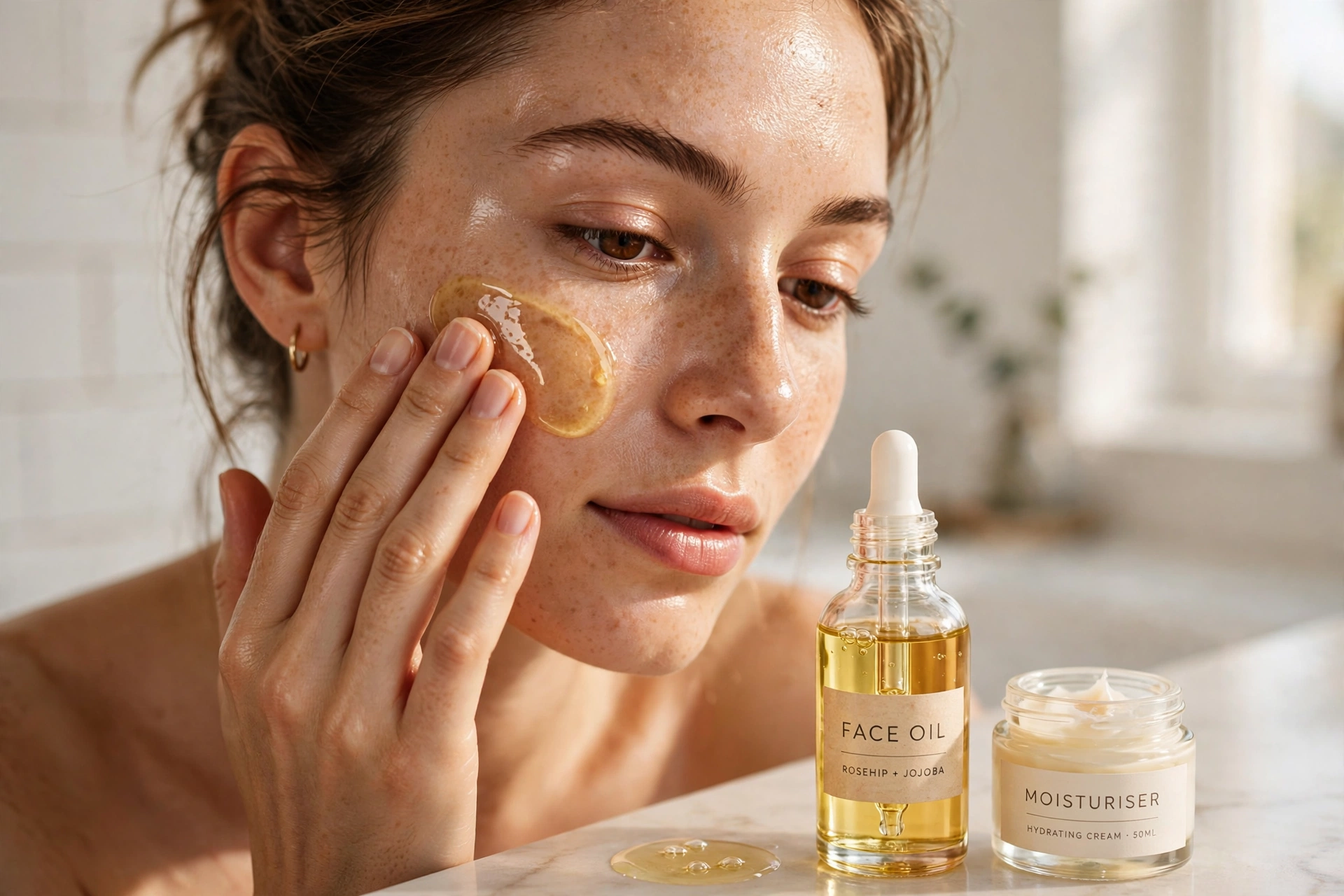
Best Face Oil for Dry Skin UK: 7 Nourishing Picks
Best face oil for dry skin UK — 7 nourishing picks from Boots, Superdrug and Cult Beauty, plus how to choose, layer and apply face oils for softer, calmer skin.
Read More arrow_forwardFind the best winter body lotion for extremely dry skin uk with 7 soothing, UK-available picks for tight, flaky winter skin.
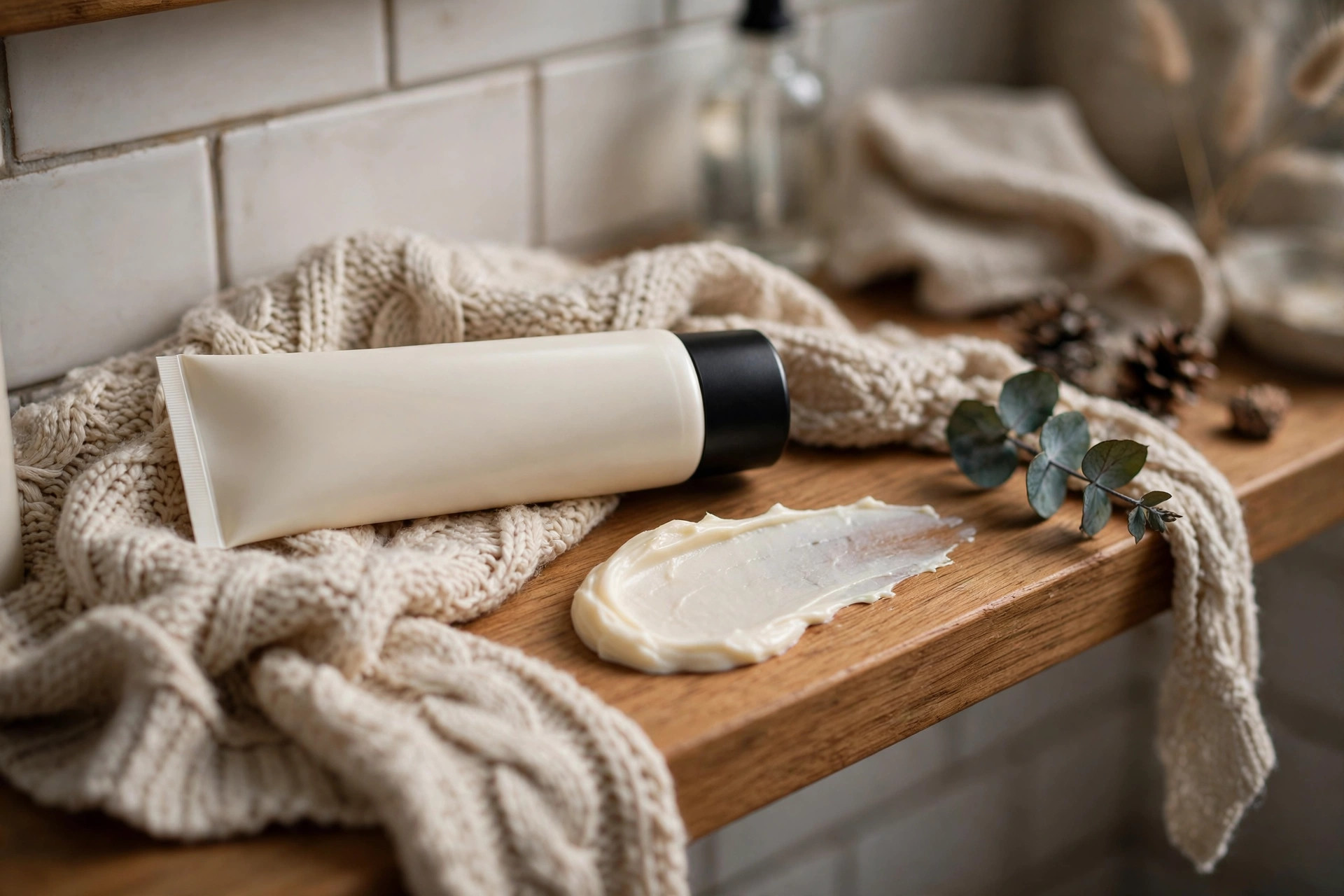
If your shins feel tight by mid-morning, your arms look ashy under indoor lighting, and your usual light lotion seems to vanish within an hour of applying it, you are not imagining the change. Finding the best winter body lotion for extremely dry skin uk shoppers can rely on means switching from a summer-weight formula to something richer, more protective, and better suited to cold air, central heating, and long hot showers. Winter in the UK is a perfect storm for dry skin: cold wind outside strips moisture, heated rooms dry the air further, and many of us respond with hotter, longer showers that wash away the skin's natural oils. The result is skin that feels rough, looks dull, flakes at the ankles and elbows, and sometimes itches enough to disturb sleep.
The good news is that extremely dry winter skin usually responds well to the right combination of ingredients and habits. You do not necessarily need the most expensive product on the shelf, and you do not need a ten-step routine. You need a formula with the right balance of humectants to draw in moisture, emollients to smooth and soften, and occlusives to seal that moisture in place. You also need to apply it at the right time, in the right amount, and to avoid the common winter habits that undo all your good work. This guide walks you through exactly how to choose, compares seven soothing types of body lotion widely available in the UK, and gives you a simple routine you can actually stick to through the coldest months.
Whether your dryness is seasonal, linked to mature skin, or part of a longer-term tendency towards eczema-prone skin, the principles here apply. If your skin is cracked, bleeding, infected, or not improving despite consistent care, see your GP or a dermatologist rather than trying stronger products on your own. For most people, though, a thoughtful switch to a richer winter body lotion, used consistently, makes a visible difference within a couple of weeks. By the end of this guide you will know what to look for on the label, what to avoid, which formula type suits your skin and budget, and how to layer your body care so your skin stays comfortable from November through to spring.
What to Look for in the Best Winter Body Lotion for Extremely Dry Skin UK
The single most important shift for winter is texture and function. A lightweight, watery lotion that felt perfect in July will rarely be enough in January, because extremely dry skin needs more than a quick splash of hydration. It needs a formula that both adds moisture and prevents it from escaping. Dermatologists often describe this in three categories, and the best winter formulas usually combine all three. Humectants such as glycerin, hyaluronic acid, and urea attract water into the outer layer of the skin. Emollients such as shea butter, squalane, and plant oils fill the tiny gaps between skin cells so the surface feels smooth rather than rough. Occlusives such as petrolatum, beeswax, and heavier butters form a light protective seal that slows water loss, which is especially valuable when cold wind and dry indoor air are constantly pulling moisture away.
For extremely dry skin, look for creams and rich lotions rather than thin, fast-absorbing milks. Words like rich, intensive, nourishing, repair, and barrier on the label are useful clues, but always check the ingredient list rather than trusting the front of the bottle alone. Glycerin near the top of the list is a good sign, as are ceramides, which help support the skin barrier, and niacinamide, which can help skin feel calmer and more resilient over time. Colloidal oatmeal is another ingredient worth looking for if your skin itches, because it is widely used in products designed for dry, sensitive, and eczema-prone skin. Urea in a modest concentration can help soften rough, flaky patches on the legs and feet, although very high strengths are better reserved for targeted foot care rather than all-over daily use.
Fragrance is a practical consideration in winter. Heavily fragranced body lotions can smell wonderful, but fragrance is one of the most common irritants for dry and sensitive skin, and irritation is more likely when the barrier is already weakened by cold weather. If your skin stings, itches, or reddens after a fragranced product, switch to a fragrance-free formula for a few weeks and see whether things settle. This does not mean every fragranced lotion is harmful, but for extremely dry skin, fragrance-free is the safer starting point, and you can always layer a favourite scented product over the top on areas that tolerate it well. The same logic applies to essential oils, which are natural but can still irritate compromised skin.
Texture preference matters because the best lotion is the one you will actually use every day. Some people love a thick cream that feels cocooning after a shower, while others prefer a rich lotion that sinks in faster and works under clothing without feeling sticky. There is no wrong answer, provided the formula is rich enough for your level of dryness. If you dislike heavy creams, look for a lotion-cream hybrid with glycerin, ceramides, and shea butter, and apply it to damp skin, which helps it spread further and lock in more moisture. If your skin is severely dry, a balm or ointment-style product used on the worst areas at night, under a regular cream during the day, can make a real difference. For general guidance on skin conditions that cause persistent dryness, the British Association of Dermatologists offers reliable patient information, and it is worth reading if your dryness is long-standing or severe.
How to Choose the Right Formula for Your Skin Type
Extremely dry skin is not all the same, and the right choice depends on what else is going on with your skin. If your skin is dry but not particularly sensitive, you have the widest choice, and you can focus on richness, ceramides, and a texture you enjoy. If your skin is both dry and reactive, fragrance-free and minimal-ingredient formulas are the priority, and you should introduce any new product on one area first to check tolerance. If you have eczema-prone skin, look for products described as suitable for eczema-prone skin, keep your routine simple, and avoid scrubs, harsh soaps, and heavily fragranced shower products that can trigger a flare. A consistent, gentle routine usually beats an aggressive one.
Age and body area matter too. Skin on the shins, forearms, and hands tends to dry out first, because these areas have fewer oil glands and are exposed to more washing and weather. The torso and upper arms may need less product. Feet and elbows often need a thicker cream or balm, while the chest and neck may prefer something lighter. Rather than using one product in exactly the same way everywhere, think of your body lotion as adjustable: a rich cream all over after showering, plus an extra layer or a thicker balm on the worst patches at night. This targeted approach also makes a premium product last longer, because you are not using the richest formula where a standard rich lotion would do.
Consider your daily life as well. If you shower in the morning and dress quickly, a formula that absorbs within a few minutes matters, or you will skip it on busy days. If you shower at night, you can afford a heavier cream that works while you sleep, and you can wear soft cotton layers over the worst areas to protect bedding and boost absorption. If you swim, work outdoors, or wash your hands frequently, you will need to reapply more often, and a larger, budget-friendly tube for everyday use makes more sense than a small luxury pot. Many UK shoppers find that a two-product system works best: an affordable, fragrance-free rich lotion for generous daily use, plus a smaller premium cream or balm for targeted night-time repair. Both are widely stocked at Boots, Superdrug, and Cult Beauty, alongside pharmacy own-brand options that are often excellent value.
Budget is worth discussing honestly. Price does not reliably predict performance for body lotion, because the core ingredients that help dry skin, such as glycerin, petrolatum, shea butter, and ceramides, are available at every price tier. Budget formulas can be outstanding for daily all-over use, mid-range formulas often add nicer textures and barrier-supporting ingredients, and premium formulas tend to offer more refined scents, elegant packaging, and specialised ingredient blends. What matters most is richness, consistency of use, and tolerance. A budget cream you apply every day will outperform a premium cream you use twice a week. If you are also caring for your face through winter, it helps to keep body and face routines separate, because facial skin has different needs; our guide to repairing a damaged skin barrier explains the barrier principles that apply to both.
Seven Soothing Picks for Winter Dry Skin
The seven picks below are described by formula type rather than by a single brand, so you can find an equivalent at your usual UK retailer whatever your budget. Each type suits a slightly different need, and the best choice depends on your skin, your routine, and how rich a texture you enjoy. Think of them as a shortlist to take into the shop, not a ranking where only number one is worth buying.
1. The Fragrance-Free Rich Cream
This is the safest starting point for extremely dry, sensitive, or eczema-prone skin, and the type most dermatologists recommend first. A fragrance-free rich cream typically combines glycerin, ceramides, and a gentle emollient base in a thick but spreadable texture that absorbs without leaving a greasy film. It suits all-over daily use, works well on damp skin after a shower, and rarely causes irritation, which makes it ideal if you are unsure what your skin will tolerate. Look for a large tube or pump bottle, because you will use a generous amount, and keep one in the bathroom and a smaller one by the bed for night-time top-ups. This is the workhorse pick: unglamorous, dependable, and the one to reach for during a flare or after a long, hot shower when skin feels stripped.
2. The Ceramide Barrier Cream
Ceramide creams focus on supporting the skin barrier, the outer layer that keeps moisture in and irritants out. When that barrier is weakened by cold weather, frequent washing, or over-exfoliation, skin loses water faster and reacts more easily. A ceramide-rich cream aims to replenish those barrier lipids, and many people find their skin feels less tight and less reactive after a few weeks of consistent use. These creams are usually mid-range in price, fragrance-free or lightly scented, and suited to daily use on the body as well as on very dry patches. If your winter dryness comes with itching, redness, or a feeling that your skin never quite recovers between showers, a ceramide cream is a strong choice, and it pairs well with a gentle, soap-free shower wash.
3. The Shea Butter Body Butter
Body butters are the richest option in this list, with a thick, almost solid texture that melts on contact with warm skin. Shea butter-based formulas are intensely nourishing and particularly good for very dry shins, elbows, knees, and feet, especially as an overnight treatment. They are best applied to slightly damp skin and given a few minutes to sink in, which makes them ideal for an evening routine rather than a rushed morning. If you find ordinary lotions disappear within an hour, a body butter can be the step that finally keeps your skin comfortable until the next day. Choose a fragrance-free version if your skin is sensitive, and use a smaller amount on areas where you will wear tight clothing, to avoid a heavy feeling.
4. The Colloidal Oatmeal Soothing Lotion
If itching is your main complaint, a colloidal oatmeal lotion deserves special attention. Oatmeal has a long history in skin care for dry, itchy, and irritated skin, and it is often found in products designed for eczema-prone skin. These lotions are usually rich but not overly heavy, absorb reasonably quickly, and can calm the urge to scratch, which in turn helps the barrier recover. They are a good daytime option when a body butter feels too heavy, and they work well layered under a richer cream on the worst areas at night. Look for fragrance-free versions, and avoid combining them with fragranced shower gels or harsh scrubs on the same day, which can undo the soothing effect.
5. The Urea Softening Cream
Urea is a humectant that also helps soften rough, thickened skin, which makes urea creams particularly useful for flaky shins, rough elbows, and dry feet. In a body lotion, a modest urea content helps the skin hold water and feel smoother, and many people notice their legs look less ashy and feel less rough after regular use. Urea creams can occasionally tingle on cracked or very irritated skin, so patch-test first and avoid applying them to broken skin. They are best used as a targeted treatment on rough areas rather than as your only all-over product, and they pair well with a ceramide or fragrance-free cream on the rest of the body. If you struggle with rough, bumpy skin on the upper arms or thighs, read our guide to the best body lotion for keratosis pilaris for more targeted advice.
6. The Budget-Friendly Everyday Rich Lotion
Not every good winter lotion needs a premium price tag, and a budget-friendly rich lotion is often the smartest choice for generous daily use. These formulas typically rely on glycerin, petrolatum or mineral oil, and simple emollients, and they are sold in large bottles that make it affordable to apply enough product. The key is to check that the texture is genuinely rich rather than thin and watery, and that the formula is fragrance-free if your skin is sensitive. A budget lotion used properly, on damp skin, in a generous layer, every day, will usually beat a luxury product used sparingly. Keep this as your everyday staple, and save premium products for targeted repair or for days when your skin needs extra comfort.
7. The Premium Nourishing Body Cream
Premium body creams justify their price through texture, ingredient blends, and the overall experience rather than through a single miracle ingredient. They often combine shea butter, squalane, ceramides, and plant oils in a whipped, elegant cream that feels luxurious and absorbs beautifully, sometimes with a subtle, well-formulated scent. They are a good choice if you enjoy your body care routine and want a product that feels like a treat, or if you have tried budget and mid-range options and want something richer for the coldest weeks. Premium does not automatically mean better for sensitive skin, so still check for fragrance and patch-test if you are reactive. For many people, the ideal winter system is a budget lotion for daily use plus a premium cream for evenings, weekends, or particularly cold snaps.
Across all seven types, availability in the UK is straightforward. Boots and Superdrug stock a wide range of fragrance-free, ceramide, oatmeal, and budget options, often with pharmacy advice available in store. Cult Beauty carries more premium and niche body care, including richer textures and barrier-focused brands that are harder to find on the high street. Online pharmacies and the brands' own UK websites are also reliable, but check delivery times in winter, especially if you are running low during a cold spell. Whichever type you choose, buy a size you can use generously, because under-applying is one of the most common reasons a good lotion appears not to work.
How to Use Body Lotion for Maximum Winter Benefit
How you apply body lotion matters almost as much as which one you choose. The best time to moisturise is within a few minutes of showering or bathing, while the skin is still slightly damp. Gently pat the skin with a towel rather than rubbing it dry, leaving a light layer of moisture, then apply your lotion in long, upward strokes. This helps trap water in the skin and means the product spreads more easily, so you use less and get better coverage. Pay particular attention to the shins, forearms, hands, and any area that feels tight, and do not forget the feet, which are often neglected until they become cracked and sore.
Amount matters too. Most people under-apply body lotion, using a small squeeze for an entire leg when a generous palmful would be more appropriate. As a rough guide, an adult needs roughly a large coin-sized amount per arm, a generous palmful per leg, and smaller amounts for the torso, adjusted for your size and dryness. It should feel like a visible, even layer, not a thin sheen that disappears instantly. If your skin still feels tight within an hour, you either need a richer formula or a larger amount, or both. Reapply to the worst areas in the evening, especially the hands and shins, and consider a thicker cream or balm overnight on elbows, knees, and heels.
Shower habits can make or break your winter body care. Keep showers warm rather than very hot, and shorter rather than long, because hot water strips natural oils and leaves skin drier even before you moisturise. Use a gentle, soap-free wash or a shower oil rather than a harsh foaming gel, and avoid loofahs, rough scrubs, and exfoliating gloves on dry winter skin, which can create micro-irritation and worsen flaking. After showering, moisturise promptly, and wear soft, breathable fabrics next to the skin where possible. Wool directly against very dry skin can feel itchy, so a cotton layer underneath a favourite jumper is a simple comfort fix. If your face is also struggling in winter, a dedicated facial routine helps; see our guide to the best winter moisturiser for combination skin for face-specific advice that complements this body routine.
Layering is a useful winter technique. On a normal day, one rich lotion applied to damp skin is enough. On a very cold day, or when your skin is particularly dry, apply a humectant-rich lotion first, then a richer cream or a thin layer of body butter over the worst areas. At night, you can be even more generous, applying a thick cream and wearing soft cotton pyjamas or socks over treated feet to help the product work while you sleep. This is not about using more products for the sake of it, but about matching the level of protection to the level of dryness on that day. Keep your routine flexible: richer and more layered in January, lighter as the weather warms in spring.
Mistakes That Make Winter Dry Skin Worse
Even with a good lotion, certain habits can keep extremely dry skin from improving. The most common is showering too hot and too long, which feels comforting on a cold morning but strips the skin's oils and leaves it tighter afterwards. Another is skipping moisturiser on busy days, which allows dryness to build up until flaking and itching become hard to reverse quickly. A third is over-exfoliating: scrubbing flaky skin aggressively feels productive, but it often removes the very barrier layer that is trying to recover, leading to more irritation and more flaking. Gentle is better in winter, and any exfoliation should be infrequent, mild, and followed immediately by a rich moisturiser.
Using the wrong wash products is another frequent issue. Strongly fragranced shower gels, antibacterial washes, and products with high levels of foaming agents can all dry the skin further, especially with daily use. Switching to a gentle, fragrance-free wash is a low-cost change that often makes a noticeable difference within a week. Similarly, applying body lotion to completely dry skin, hours after showering, is less effective than applying it to damp skin, because there is less water to lock in. If you shower in the morning but only remember to moisturise at night, try keeping your lotion in the bathroom, visible, and applying it as part of your post-shower routine rather than as a separate task.
Finally, do not ignore the indoor environment. Central heating dries the air, and spending all day in a heated room can be as drying as cold wind outside. A humidifier in the bedroom can help, as can keeping the heating at a comfortable rather than very high temperature and drinking enough water, although hydration from drinking alone will not fix dry skin. Wearing gloves outdoors, protecting the hands with a dedicated hand cream, and reapplying after hand washing are all small habits that add up. For hands specifically, our guide to the best winter hand cream for dry cracked hands covers the extra care hands need in UK winter weather.
How to Build a Routine Around the Best Winter Body Lotion for Extremely Dry Skin UK
A routine that lasts is a routine that fits your life, so keep it simple and repeatable. In the morning, after a warm, short shower, pat dry and apply your chosen rich lotion all over, with an extra layer on the shins and forearms. If you have time, allow a few minutes before dressing so the product can settle. During the day, carry a small hand cream and reapply after washing your hands, because hands are washed more than any other area and dry out fastest. In the evening, if your skin feels tight, apply a second, lighter layer to the worst areas, or switch to a thicker cream for the night. Once or twice a week, give extra attention to feet and elbows with a balm and cotton socks or soft sleeves overnight.
Weekly, check in with your skin rather than changing products constantly. It takes at least two weeks of consistent use to judge a new body lotion fairly, and switching every few days makes it impossible to know what is helping. If a product stings, causes redness, or makes itching worse, stop using it and return to a simple fragrance-free cream until things settle. If a product feels good but not quite rich enough, try applying it to damper skin, using more product, or layering a richer cream over it at night before deciding to buy something new. Seasonal changes matter too: the richest routine you need in January may feel too heavy by March, and that is normal. Adjust the richness down gradually as the weather warms, rather than switching abruptly back to a light summer lotion.
For people with rosacea-prone or very reactive skin, body care still matters, but gentleness is even more important. Fragrance-free, minimal formulas, lukewarm water, and soft fabrics are the foundations, and any new product should be patch-tested first. Our guide to a winter skincare routine for rosacea-prone skin explains how to adapt winter care when redness and reactivity are part of the picture. And if you have a diagnosed skin condition, follow your clinician's advice over general guidance: prescription creams, emollients, and treatment plans take priority, and over-the-counter body lotion should complement, not replace, them. For detailed information on specific conditions, DermNet provides dermatologist-reviewed explanations that can help you understand what is happening with your skin.
Key Takeaways
Winter dry skin improves fastest when you combine the right formula with the right habits. Choose a rich cream or body butter with glycerin, ceramides, or shea butter, and prefer fragrance-free formulas if your skin is sensitive or reactive. Apply generously to damp skin within minutes of showering, reapply to hands and shins during the day, and use a thicker product overnight on the worst areas. Keep showers warm and short, use a gentle wash, and avoid harsh scrubs that damage the recovering barrier. Budget, mid-range, and premium formulas can all work well, so prioritise richness and consistency over price. Give any new lotion at least two weeks before judging it, and seek medical advice if skin is cracked, bleeding, infected, or not improving. With a simple, consistent routine, most extremely dry winter skin feels softer, looks smoother, and itches less within a few weeks.
Frequently Asked Questions
How often should I apply body lotion in winter?
Once a day after showering is the minimum for extremely dry skin, and twice a day is better during the coldest weeks. Apply the main layer to damp skin after your shower, then reapply to the shins, hands, and any tight areas in the evening. Hands may need reapplying after every wash. Consistency matters more than perfection: a daily habit you maintain will outperform an elaborate routine you only manage occasionally.
Is a body butter better than a body lotion for extremely dry skin?
Body butters are generally richer and more occlusive, so they are better for very dry patches, overnight treatment, and the coldest days. Lotions are lighter and easier to spread all over, which makes them better for daily use. Many people use both: a rich lotion for everyday all-over care, plus a body butter on shins, elbows, knees, and feet at night. If your skin feels tight within an hour of a lotion, try a butter on those areas before buying a completely new product.
Should I use a fragrance-free body lotion in winter?
Fragrance-free is the safer choice if your skin is extremely dry, sensitive, itchy, or eczema-prone, because fragrance is a common irritant and dry winter skin is more reactive. If your skin tolerates fragrance well and you enjoy scented products, you can continue using them, but consider keeping a fragrance-free cream for flare-ups or for the most sensitive areas. Always patch-test a new fragranced product on one area first.
Can I use the same lotion on my face and body?
It is better to keep them separate. Body lotions are often richer and heavier than facial skin needs, and they may contain ingredients or fragrances that are too strong for the face. Facial skin also has different concerns, such as breakouts and sensitivity around the eyes. Use a dedicated facial moisturiser for your face, and reserve body lotions for the body, even if that means two products in the bathroom.
Why does my skin get so much drier in UK winter specifically?
UK winter combines several drying factors at once: cold wind and low humidity outdoors, dry heated air indoors, hotter showers, and more frequent hand washing during cold and flu season. Each factor alone would dry the skin somewhat, but together they strip moisture faster than the skin can replace it. A richer lotion, gentler washing, and prompt moisturising after showering counteract all of these factors at the same time.
What ingredients should I avoid in a winter body lotion?
For extremely dry skin, avoid high levels of drying alcohols, strong fragrances, and harsh exfoliating acids in an everyday body lotion. Retinol body lotions can be useful for some concerns, but they can also irritate dry winter skin and are best introduced slowly, if at all, during the coldest months. If you have eczema-prone skin, avoid known personal triggers and keep the ingredient list short and simple. When in doubt, fragrance-free and minimal is the safest approach.
How long does it take for a new body lotion to work?
You should feel some improvement in comfort within a few days, with softer-feeling skin after the first week. Visible improvement in flaking and roughness usually takes two to four weeks of consistent daily use, because the outer layer of skin renews gradually. If there is no improvement after four weeks of generous, consistent use, try a richer formula, check your shower habits, or seek advice from a pharmacist or GP, especially if itching or redness persists.
Should I exfoliate dry winter skin before applying lotion?
Gentle, infrequent exfoliation can help a rich lotion absorb better, but aggressive scrubbing will worsen dryness. If you exfoliate, do so no more than once a week, use a very gentle product or a soft cloth, and moisturise immediately afterwards. Skip exfoliation entirely on irritated, cracked, or eczema-prone areas, and never exfoliate skin that is already sore. For most people with extremely dry skin, moisturising well matters far more than exfoliating.
Conclusion
Extremely dry winter skin does not need a complicated routine or the most expensive product you can find. It needs a rich, well-chosen lotion, applied generously to damp skin, every day, supported by warm rather than hot showers, gentle washing, and a little extra care for the areas that dry out first. Start with a fragrance-free rich cream or a ceramide cream, add a body butter for overnight repair where needed, and give your routine at least two weeks to show its full effect. The seven formula types in this guide give you a practical shortlist for Boots, Superdrug, and Cult Beauty, whatever your budget, and the habits around them will protect your skin long after the bottle is finished. For ongoing support, the NHS skin conditions guidance offers general information on when dry skin needs medical attention. Stay consistent through the cold months, adjust the richness as spring arrives, and your skin will thank you with comfort, smoothness, and far less winter itching.
Best face oil for dry skin UK — 7 nourishing picks from Boots, Superdrug and Cult Beauty, plus how to choose, layer and apply face oils for softer, calmer skin.
Read More arrow_forward
The best sunscreen for rosacea prone skin UK — 7 gentle, fragrance-free picks that calm rather than sting, with a comparison table and prices.
Read More arrow_forward
The best fungal acne safe moisturiser uk guide — 7 gentle, UK-available picks, plus how to spot fungal acne and which ingredients to avoid.
Read More arrow_forward
Find the best pregnancy safe vitamin c serum uk with 7 gentle, UK-available picks for glow, dark spots and sensitive pregnancy skin.
Read More arrow_forward
Find the best fragrance free face wash for rosacea prone skin uk: gentle cleansers, what to avoid, and how to cleanse without triggering flushing.
Read More arrow_forwardCalculate your Body Mass Index (BMI) in seconds. BMI is a quick screening number…
Use now arrow_forwardFind your daily calorie needs based on your age, sex, height, weight and activit…
Use now arrow_forwardFind how much water you should drink each day, in litres and glasses, based on y…
Use now arrow_forward