Can You Use Mandelic Acid and Niacinamide Together UK? A Gentle Glow Guide
Can you use mandelic acid and niacinamide together in the UK? Yes — this gentle pairing can brighten dull skin without harsh irritation.
Read More arrow_forwardCan you use azelaic acid and vitamin c together UK? Yes — this guide covers the layering order, AM/PM routines and UK product picks for brighter, calmer skin.
If you have been wondering whether you can you use azelaic acid and vitamin c together uk routines, the short answer is yes — this is one of the gentlest and most effective brightening combinations available on the UK high street.
The reason this combination works so well is that the two ingredients do not fight each other. Unlike some pairings that demand careful timing or alternate nights, azelaic acid and vitamin C are compatible in the same routine, and many people use them together every day without irritation. That said, getting the order right, choosing the right strengths and knowing when to pull back still matters — especially if your skin is sensitive, reactive or recovering from a damaged barrier. This guide walks you through everything step by step, with UK product picks, realistic prices and routines you can start tomorrow morning.
Before we go further, it helps to understand why this pairing has become
Yes, you can use azelaic acid and vitamin C together, and for most people in the UK this is a safe daily pairing. The two ingredients work through different mechanisms, so they complement rather than cancel each other out. Azelaic acid is a dicarboxylic acid that gently exfoliates, reduces the pigment-producing activity in overactive melanocytes and has anti-inflammatory properties that calm redness. Vitamin C, usually in the form of L-ascorbic acid or a gentler derivative, is an antioxidant that brightens skin, fades dark spots and supports the skin's natural collagen production.
There is one small nuance worth knowing. Pure L-ascorbic acid works best at a low pH, while azelaic acid is happiest at a slightly higher pH, so layering them can theoretically reduce the effectiveness of the vitamin C a little. In practice, this is a minor issue. Most people still see excellent results, and if you want to get the very best from both, you can simply use vitamin C in the morning and azelaic acid in the evening — or wait a few minutes between layers. Our skincare ingredient combinations guide UK explains how pH differences affect other popular pairings too, if you want to understand the science behind layering.
The British Association of Dermatologists notes that azelaic acid is a well-tolerated treatment for rosacea and acne, which is reassuring if your skin is on the reactive side. You can read their guidance on the British Association of Dermatologists website for more detail on how dermatologists use this ingredient in practice. Vitamin C, meanwhile, is one of the most researched skincare antioxidants available, and the American Academy of Dermatology regularly recommends antioxidant serums as part of a daily routine for brighter, healthier-looking skin
How Azelaic Acid and Vitamin C Work Together
To understand why this pairing is so effective, it helps to look at what each ingredient does on its own. Azelaic acid is a multitasker. It reduces redness and inflammation, which makes it a favourite for rosacea-prone skin. It also inhibits tyrosinase, the enzyme that drives melanin production, which means it fades dark spots and post-inflammatory hyperpigmentation — the marks left behind after spots heal. On top of that, it has mild antibacterial and pore-clearing properties, so it helps keep breakouts at bay without the dryness that stronger acids can cause.
Vitamin C brings a different set of benefits. As an antioxidant, it neutralises free radicals from UV exposure and pollution, two of the biggest drivers of premature ageing in the UK's changeable climate. It brightens the overall complexion, evens out skin tone and supports collagen synthesis, which keeps skin looking firm and plump. It also works on pigmentation, but through a different pathway than azelaic acid, which is exactly why combining them is so powerful: you are attacking dark spots from two directions at once.
Together, the pair is particularly good for several common concerns. Post-blemish marks fade faster, because azelaic acid calms the inflammation that causes them while vitamin C brightens the mark itself. Melasma and sun spots look lighter over time. Redness-prone skin often looks calmer, because azelaic acid reduces visible redness while vitamin C strengthens the skin barrier. And dull, tired-looking skin gets a noticeable glow, which is why this combination is so popular in the darker winter months when UK skin tends to look flat and grey.
One practical tip: consistency matters more than strength. A gentle 10 percent azelaic acid product used daily will outperform a strong 20 percent formula that you can only tolerate twice a week. The same applies to vitamin C — a stable 10 to 15 percent serum used every morning beats a 20 percent formula that irritates your skin and ends up gathering dust in the bathroom cabinet. Start low, build up slowly and let your skin tell you when it is ready for more.
How to Layer Azelaic Acid and Vitamin C: Order of Application
Getting the order right is simple once you know the rule: apply products from thinnest to thickest, and let each layer absorb before adding the next. In the morning, that usually means vitamin C first, then azelaic acid, then moisturiser and sunscreen. Vitamin C goes on clean, dry skin because it penetrates best that way, and azelaic acid — which is often formulated as a cream or gel — sits comfortably on top.
Here is the step-by-step morning order. First, cleanse with a gentle, fragrance-free cleanser and pat your skin dry. Second, apply your vitamin C serum to your face and neck, using three to four drops, and wait around a minute for it to absorb. Third, apply a pea-sized amount of azelaic acid cream or gel, spreading it evenly over your face. Fourth, follow with your usual moisturiser. Fifth, and most importantly, finish with a broad-spectrum sunscreen of at least SPF 30. In the UK, sunscreen is classed as a cosmetic rather than a drug, but the rules still require proper UVA protection, so look for the UVA star rating on the bottle alongside the SPF number.
In the evening, the order is similar but without the sunscreen. Cleanse, apply vitamin C if you prefer to use it at night, then azelaic acid, then moisturiser. Some people prefer to use vitamin C only in the morning and azelaic acid twice a day, which is a perfectly good approach — vitamin C's antioxidant protection is most valuable during the day, when your skin faces UV and pollution. If you use a vitamin C derivative rather than pure L-ascorbic acid, the pH question matters even less, and you can layer the two in either order without worrying.
A few practical layering tips make the routine smoother. Wait at least a minute between the vitamin C serum and the azelaic acid to reduce any chance of pilling, especially if your azelaic acid product contains silicones. If your skin feels tight or tingly after applying both, try using a hydrating serum or a light moisturiser between the two actives as a buffer. And always patch test a new combination on a small area, such as behind your ear or along your jawline, for a few days before using it all over your face.
If you are already using other actives, the same layering logic applies. Our guide to can you use peptides and vitamin C together UK covers another gentle pairing that works well alongside this one, and the best affordable vitamin C serum for dark spots UK round-up will help you choose a vitamin C product that fits your budget.
Can You Use Azelaic Acid and Vitamin C Together UK in the Morning or at Night?
Both timings work, and the best choice depends on your skin and your routine. Morning use is the most popular option, because vitamin C's antioxidant protection helps defend your skin against UV rays and pollution throughout the day, and azelaic acid's calming effect can reduce the redness that many people wake up with. Using both in the morning also keeps your evening routine simpler, which matters if you already use retinol or another active at night.
Night-time use has its own advantages. Your skin repairs itself while you sleep, and applying both ingredients before bed gives them hours of uninterrupted contact with your skin. Some people find that vitamin C serums, particularly those with pure L-ascorbic acid, feel slightly sticky or warm on application, and they prefer to apply them at night when it does not matter how their skin looks or feels. If your skin is sensitive, splitting the pair — vitamin C in the morning, azelaic acid at night — is the gentlest approach of all, and it removes any concern about pH or layering order entirely.
For most people, the sweet spot is this: vitamin C every morning, azelaic acid morning and night. That gives you daily antioxidant protection plus twice-daily brightening and calming from the azelaic acid. If your skin feels dry or irritated, drop the azelaic acid to once a day, in the evening, and build back up over a few weeks. There is no prize for using the most product the fastest — the prize is skin that looks better in three months, and that comes from consistency, not intensity.
One more timing tip: if you use retinol at night, keep your azelaic acid and vitamin C in the morning routine and let retinol have the evening to itself. That way you avoid overloading your skin with too many actives at once, and each ingredient gets the space it needs to work properly.
A Simple AM Routine With Azelaic Acid and Vitamin C
Here is a straightforward morning routine you can follow from day one. Start with a gentle cleanser — a cream or gel cleanser that does not strip your skin. In the UK, good options are widely available at Boots and Superdrug for usually under £10. Pat your skin dry with a clean towel, leaving it slightly damp if your vitamin C serum is water-based, as this can help it spread more easily.
Next, apply your vitamin C serum. Three to four drops is enough for the whole face and neck. Press it gently into the skin rather than rubbing, and give it a minute to absorb. If you have never used vitamin C before, start with a derivative-based serum or a 10 percent formula and work up to 15 percent over a few weeks. There are several good budget options that are easy to find on the UK high street.
Then apply your azelaic acid product. A pea-sized amount is enough for the full face. If you are using a 10 percent over-the-counter formula, you can apply it all over; if you are on a prescription-strength 15 or 20 percent version, follow your dermatologist's or GP's instructions exactly. Spread it evenly and wait another minute before the next step.
Follow with a moisturiser suited to your skin type — a light gel-cream for oily skin, a richer cream for dry skin. Finally, apply sunscreen. This step is non-negotiable when you are using brightening actives, because UV exposure can undo all your hard work by triggering new pigmentation. Choose a broad-spectrum SPF 30 or higher with good UVA protection, and reapply if you spend time outdoors. If you have sensitive skin, our round-up of the best fragrance-free sunscreen for sensitive skin UK will help you find one that does not sting or leave a white cast.
A Simple PM Routine With Azelaic Acid and Vitamin C
Your evening routine can be simpler, because there is no sunscreen to worry about. Start with a double cleanse if you wore makeup or sunscreen during the day: an oil-based cleanser or micellar water first, followed by your usual gentle cleanser. This makes sure your active ingredients can actually reach your skin instead of sitting on top of the day's residue.
After cleansing, you have two good options. Option one: apply vitamin C again, followed by azelaic acid, then moisturiser. Option two, which suits most people better: skip the vitamin C in the evening and apply azelaic acid on its own, followed by a richer night moisturiser. If you use retinol, this is the evening to use it instead of the vitamin C, alternating nights if needed so your skin never has to cope with too many actives at once.
Finish with a moisturiser that is slightly richer than your daytime one, especially in the colder months. UK winters are hard on skin, and a good barrier-supporting moisturiser with ceramides or squalane helps lock in the benefits of your actives overnight. If your skin feels dry after starting azelaic acid, the "sandwich" method works well: moisturiser, then azelaic acid, then moisturiser again. It slows absorption slightly but dramatically reduces any tingling or dryness.
Give the routine at least six to eight weeks before judging the results. Pigmentation fades slowly, and the improvements are gradual — a little less redness here, a slightly more even tone there. Take a photo in the same light once a month if you want to track progress honestly, because day-to-day changes are hard to notice in the mirror.
Who Should Avoid This Combination
For most people, azelaic acid and vitamin C are a safe and gentle pairing, but there are situations where caution is needed. If you have very sensitive or reactive skin, introduce one ingredient at a time, with at least two weeks between each new product, so you can identify the culprit if irritation appears. If you have eczema, a damaged skin barrier or an active flare-up of any skin condition, focus on barrier repair first and add brightening actives only once your skin has calmed down.
People using prescription-strength treatments should check with their GP or dermatologist before adding new actives. This includes anyone on prescription azelaic acid, topical retinoids or oral acne medication. The NHS website has clear, trustworthy information about acne treatments and when to seek medical advice, and it is always worth a read before combining prescription and over-the-counter products.
Pregnant and breastfeeding readers often ask about this pairing, and the news is reassuring: azelaic acid is generally considered one of the safer brightening options during pregnancy, and vitamin C is also widely regarded as safe. Even so, it is sensible to mention any new skincare routine to your midwife or GP, particularly if you are using higher-strength products. If you are unsure, a gentle vitamin C derivative and a low-strength azelaic acid product are the most cautious choices.
Finally, if you experience persistent stinging, burning, redness or flaking that does not settle within a week or two of reducing how often you use the products, stop both and let your skin recover. A short break, a simple moisturiser and sunscreen are often all it takes. If the reaction is severe, or if you develop swelling or blistering, seek medical advice promptly rather than trying to push through it.
Best UK Products for This Pairing
You do not need to spend a fortune to build this routine. The Ordinary Azelaic Acid Suspension 10% is one of the most popular options in the UK, usually under £10 at Boots, Superdrug and Cult Beauty, and it works well as a first azelaic acid product. The Inkey List also makes a well-regarded azelaic acid serum at a similar price point, available at Boots and Cult Beauty. For a slightly more premium option, Paula's Choice 10% Azelaic Acid Booster, usually around £40, is a favourite for rosacea-prone skin and layers neatly under moisturiser.
For vitamin C, budget options include The Ordinary Ascorbyl Glucoside Solution and the Inkey List 15% Vitamin C and EGF Serum, both usually under £15. Mid-range favourites include Mad Hippie Vitamin C Serum and Paula's Choice C15 Super Booster, usually in the £30 to £45 range at Cult Beauty. If your skin is sensitive, look for derivatives such as ascorbyl glucoside, tetrahexyldecyl ascorbate or ethyl ascorbic acid rather than pure L-ascorbic acid, as these are gentler and more stable. If you are curious about other gentle brightening pairings, our guide to can you use bakuchiol and vitamin C together UK covers a combination that suits very sensitive skin.
When shopping, check the packaging. Vitamin C serums should come in dark or opaque bottles, because light and air degrade the ingredient quickly. Store your serum somewhere cool and dark, and replace it if it turns dark orange or brown, which is a sign that it has oxidised and lost much of its effectiveness. Azelaic acid products are far more stable, so they are more forgiving about storage, but a cool bathroom cabinet is still the best home for them.
Frequently Asked Questions
Can I use azelaic acid and vitamin C together every day?
Yes, most people can use this combination every day, once or even twice daily, because both ingredients are relatively gentle. Start with once a day, in the morning, and increase to twice daily only if your skin stays comfortable. If you notice dryness or tingling, drop back to once a day and add a richer moisturiser before increasing again.
Should I apply azelaic acid or vitamin C first?
Apply vitamin C first, then azelaic acid. Vitamin C serums are usually thin and watery, so they penetrate best on clean skin, while azelaic acid products are often creams or gels that sit well on top. Wait about a minute between layers to prevent pilling and to let each product absorb properly.
Can I use azelaic acid and vitamin C together if I have rosacea?
Yes, this is one of the best brightening combinations for rosacea-prone skin. Azelaic acid is widely used to calm rosacea-related redness, and vitamin C supports the skin barrier. Start slowly, use gentle derivative-based vitamin C rather than pure L-ascorbic acid, and patch test first. If your rosacea is severe or you use prescription treatment, check with your dermatologist.
Will this combination help with dark spots and post-blemish marks?
Yes, this is one of the most effective over-the-counter combinations for fading dark spots. Azelaic acid slows excess pigment production while vitamin C brightens existing marks, so together they work faster than either ingredient alone. Expect visible improvement in six to twelve weeks, and always wear sunscreen, because UV exposure can darken spots again.
Can I use retinol with azelaic acid and vitamin C?
You can, but keep them in separate routines. Use vitamin C and azelaic acid in the morning and retinol at night, so your skin never has to cope with three actives at once. If your skin is sensitive, alternate retinol nights with azelaic acid nights rather than using everything every day.
Is azelaic acid or vitamin C better for hyperpigmentation?
Both help, but they work differently, which is why combining them is so effective. Azelaic acid is particularly good for post-inflammatory marks and melasma, while vitamin C is excellent for overall brightness and sun-related pigmentation. If you had to choose just one, azelaic acid tends to suit redness-prone skin better, while vitamin C suits dull skin better.
Can I use azelaic acid and vitamin C together while pregnant?
Both ingredients are generally considered safe during pregnancy, and azelaic acid is often recommended as a pregnancy-friendly alternative to stronger treatments. Even so, mention any new skincare routine to your midwife or GP, and choose gentle, low-strength products if you are unsure. Avoid adding any other strong actives at the same time.
How long does it take to see results from azelaic acid and vitamin C?
Most people notice brighter, more even skin within four to six weeks, with the best results on dark spots appearing after eight to twelve weeks of consistent daily use. Take monthly photos in the same light to track progress, because gradual changes are easy to miss in the mirror. Consistency matters far more than using the strongest products available.
Key Takeaways
- Azelaic acid and vitamin C are safe to use together and complement each other, tackling pigmentation from two different angles.
- Apply vitamin C first on clean skin, then azelaic acid, then moisturiser and sunscreen in the morning.
- Vitamin C every morning and azelaic acid once or twice daily is the sweet spot for most people.
- Splitting the pair — vitamin C in the morning, azelaic acid at night — is the gentlest option for sensitive skin.
- Expect visible brightening in four to six weeks and real fading of dark spots in eight to twelve weeks.
- Always wear broad-spectrum SPF 30 or higher, because UV can undo brightening progress.
- Start low, build slowly and prioritise consistency over strength.
- Good UK options start at usually under £10 for azelaic acid and usually under £15 for vitamin C at Boots, Superdrug and Cult Beauty.
Conclusion
Azelaic acid and vitamin C are one of the kindest and most effective brightening combinations you can build from the UK high street. They work through different mechanisms, they suit most skin types including sensitive and rosacea-prone skin, and they are affordable and widely available. The routine itself is simple: vitamin C first, azelaic acid second, moisturiser and sunscreen to finish, morning and night as your skin allows.
The key is patience. Pigmentation did not appear overnight, and it will not disappear overnight either. Give the pairing six to eight weeks of consistent use, protect your progress with daily sunscreen, and adjust the frequency rather than abandoning the routine if your skin feels sensitive. If you do that, this gentle duo should reward you with brighter, calmer, more even skin — and a routine you can happily stick with for the long term.
Can you use mandelic acid and niacinamide together in the UK? Yes — this gentle pairing can brighten dull skin without harsh irritation.
Read More arrow_forward
Can you use urea and retinol together in the UK? This guide explains how to pair them safely for smoother, well-hydrated skin.
Read More arrow_forward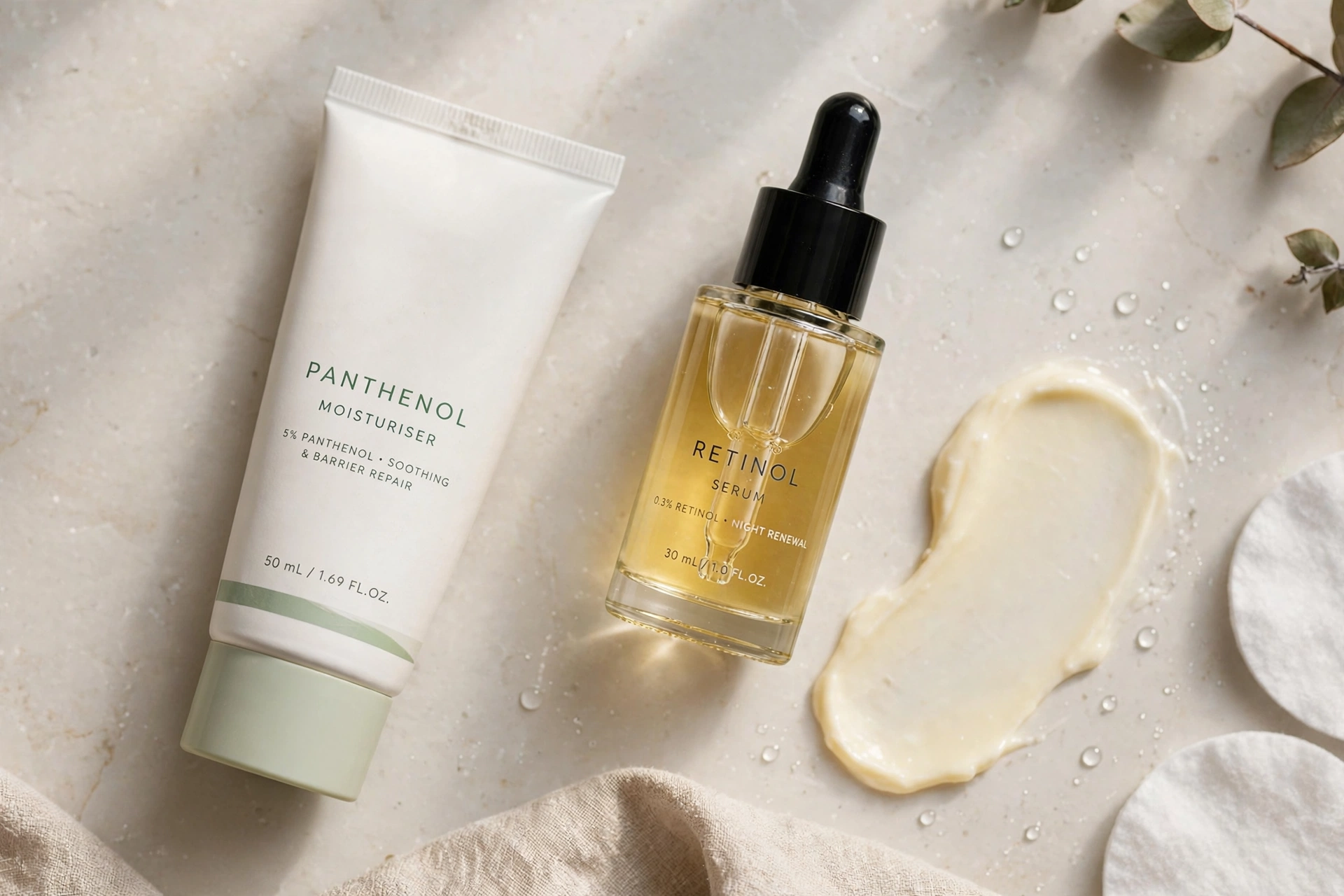
A calm-skin UK guide to pairing panthenol with retinol: layering order, AM/PM routines, who should avoid it, and how to keep irritation low.
Read More arrow_forward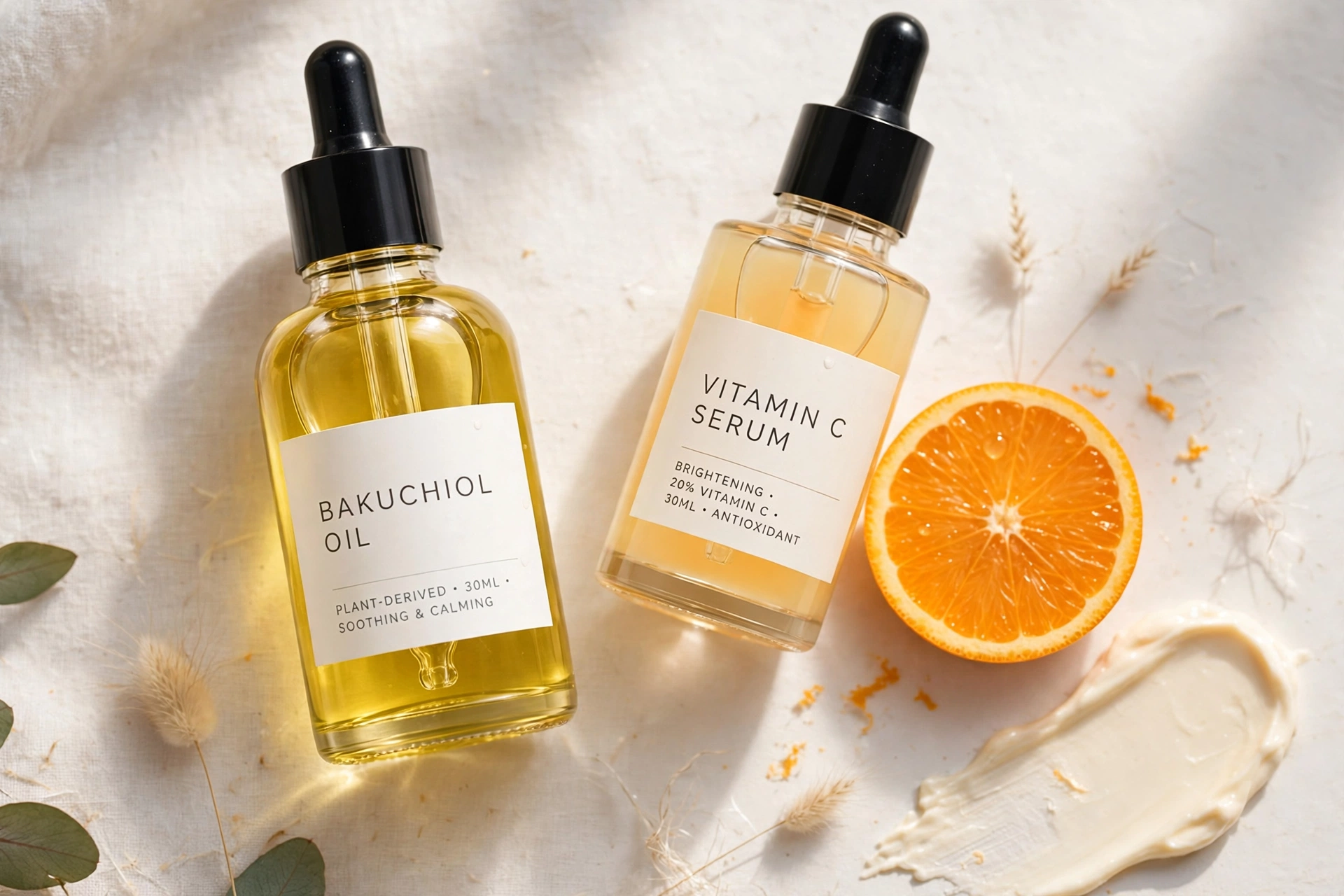
A gentle UK guide to pairing bakuchiol with vitamin C: layering order, AM/PM routines, who should avoid it, and how to get glow without irritation.
Read More arrow_forward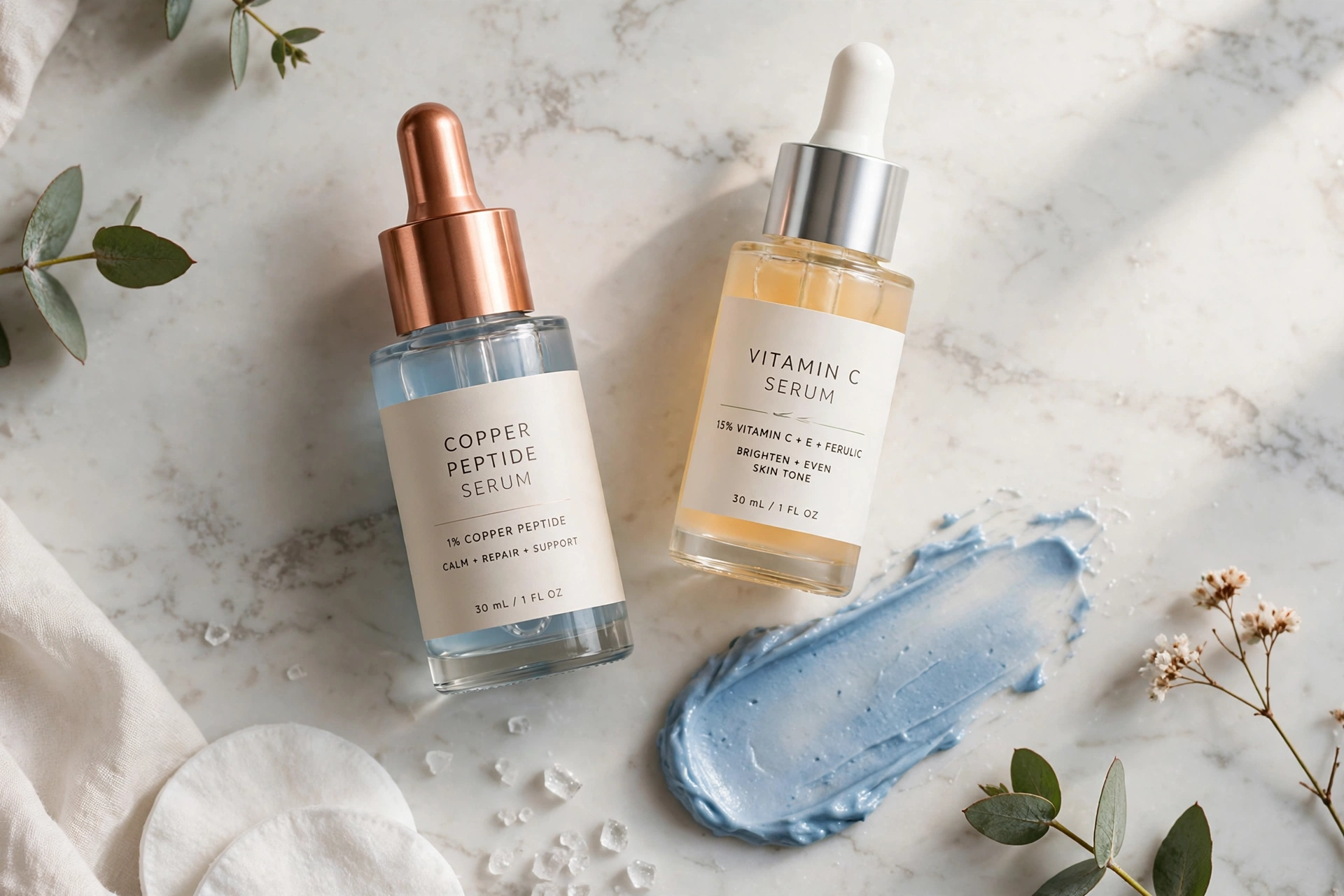
Can copper peptides and vitamin C be layered safely? A UK firming guide on order, routines, and who should skip the mix.
Read More arrow_forwardCalculate your Body Mass Index (BMI) in seconds. BMI is a quick screening number…
Use now arrow_forwardFind your daily calorie needs based on your age, sex, height, weight and activit…
Use now arrow_forwardFind how much water you should drink each day, in litres and glasses, based on y…
Use now arrow_forward