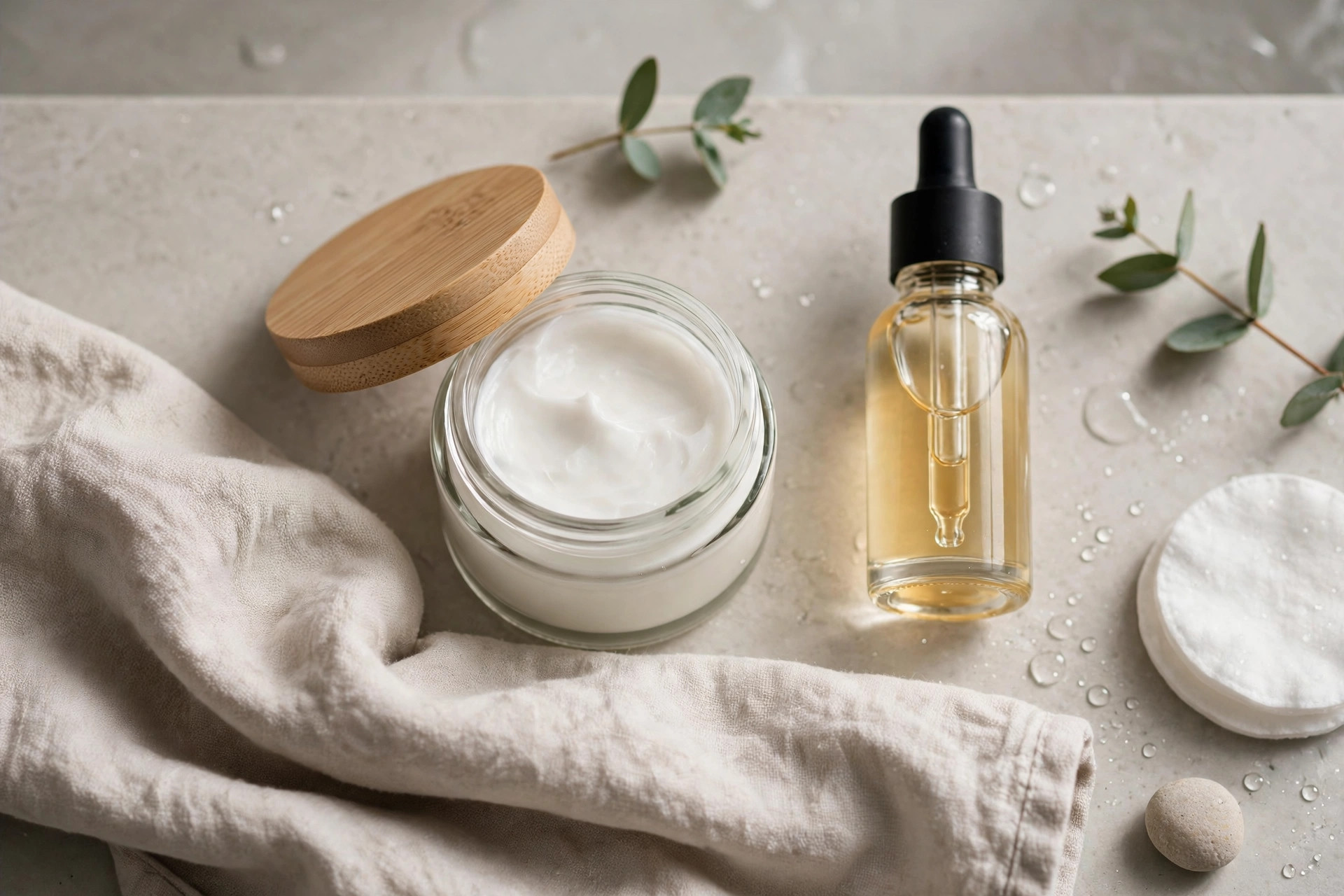
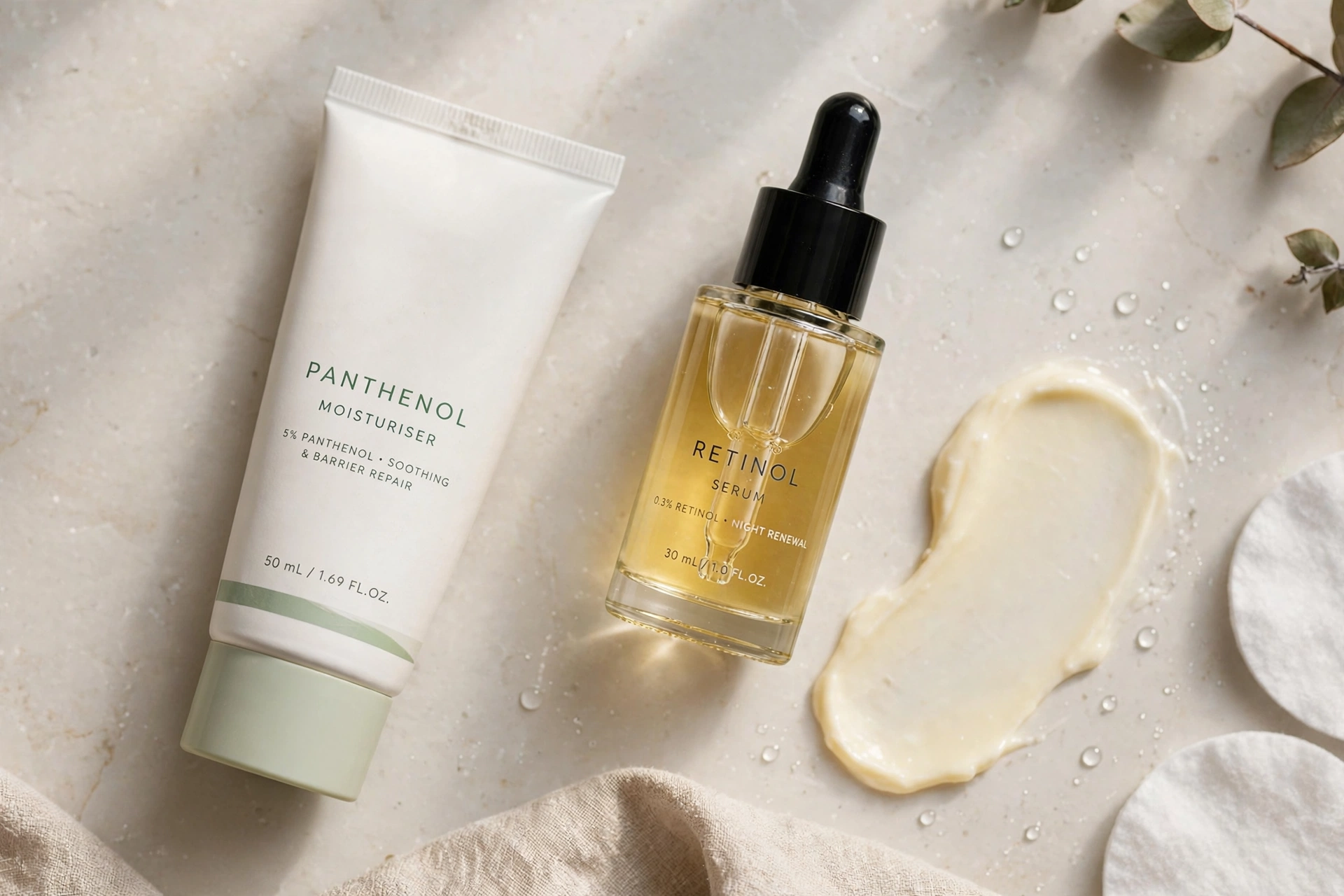
If you have ever wondered can you use urea and retinol together uk routines without irritating your skin, you are asking exactly the right question. Both ingredients are genuinely useful, but they work in very different ways, and the order, strength and frequency you choose will decide whether your skin looks smoother and calmer or red and flaky. Urea is a humectant and gentle exfoliant that draws water into the skin and softens rough texture, while retinol speeds up skin renewal and improves the look of fine lines, uneven tone and clogged pores. Used thoughtfully, they can complement each other beautifully, especially in the UK winter, when cold air, central heating and long hot showers leave many people with tight, rough or dull skin. Used carelessly, however, the same pair can sting, peel and undo weeks of progress. This guide explains how to combine them safely, which strengths to start with, how to build a morning and evening routine around them, and when to leave one of them out altogether. It is written for UK readers, with products you can actually find at Boots, Superdrug and Cult Beauty, and with the kind of cautious, practical advice that suits real skin rather than a perfect laboratory routine.
What Urea Does for Your Skin
Urea is one of the skin's own natural moisturising factors, which means your skin already knows how to use it. In skincare it appears at different strengths, and the strength changes what it does. At lower concentrations, roughly five to ten percent, urea mainly attracts and holds water in the outer layers of the skin, leaving it softer, plumper and less tight. At higher concentrations it also loosens the bonds between dead skin cells, giving a mild exfoliating effect that smooths rough patches on the face and body. That dual action is why urea turns up in creams for dry skin, keratosis pilaris, rough elbows and heels, and flaky scalps, as well as in gentler facial moisturisers. For many people in the UK, urea is a winter hero: it helps skin hold on to moisture when the air outside is cold and dry and the air inside is warmed by radiators. It is generally well tolerated, though very high strengths can sting on cracked or freshly exfoliated skin, so the concentration matters as much as the ingredient itself.
Urea also pairs well with other hydrating ingredients such as glycerin, ceramides and squalane, because it helps the skin barrier retain water while those ingredients seal it in. If your skin feels rough rather than simply dry, urea may help more than a plain heavy cream, because it addresses texture as well as moisture. That said, urea is not a treatment for every skin condition, and it should never be applied to broken, bleeding or infected skin. If you have a diagnosed condition such as eczema or psoriasis, check with your GP or dermatologist before adding a new active ingredient, and always patch test first. For most healthy skin, a urea moisturiser used once or twice a day is a simple, affordable step that makes the rest of a routine work better, because well-hydrated skin tolerates other actives more easily.
What Retinol Does for Your Skin
Retinol is a form of vitamin A and one of the most studied skincare ingredients in the world. Once applied, it converts in the skin to retinoic acid, which encourages faster cell turnover, supports collagen production and helps unclog pores. Over weeks and months, that can mean smoother texture, softer fine lines, fewer breakouts and a more even skin tone. It is not an overnight fix, and that is an important expectation to set. Most people need at least eight to twelve weeks of consistent use before they see a clear change, and the early weeks can bring dryness, mild peeling or sensitivity, often called the adjustment period. Starting low and going slow is not just a slogan with retinol; it is the difference between a routine you can keep and one you abandon after a fortnight.
In the UK, retinol is widely available without a prescription in serums, creams and oils, in strengths that usually range from a gentle starter level to stronger formulas aimed at experienced users. Beginners should look for a low-strength product, use a pea-sized amount for the whole face, and apply it only two or three evenings a week at first. Buffering retinol over or under a plain moisturiser can also reduce irritation without cancelling its benefits. Retinol makes skin more sensitive to sunlight, so daily sunscreen is non-negotiable, even on cloudy British days and even in winter, when ultraviolet light still reaches the skin. If you are pregnant, trying to conceive or breastfeeding, skip retinol and speak to your GP or dermatologist about safer alternatives. For everyone else, patience and consistency matter far more than chasing the strongest product on the shelf.
Why the Pair Sounds Risky at First
On paper, the pairing can look like a clash: one ingredient gently exfoliates and hydrates, while the other accelerates renewal and can dry the skin out. In practice, that contrast is often the point. Retinol works best on skin whose barrier is supported, and urea supports the barrier by improving hydration and softness. The risk comes not from the two ingredients existing in the same routine, but from using them both at full strength, every night, on skin that has not had time to adjust. Think of it as training: you would not run a marathon on your first day, and you should not layer two actives at maximum intensity on your first week. When you separate them sensibly, keep the strengths modest and watch how your skin responds, the combination is far less dramatic than social media makes it sound.
Can You Use Urea and Retinol Together UK?
Yes, most people with healthy skin can use urea and retinol in the same routine, provided they introduce them gradually and pay attention to strength, timing and signs of irritation. The safest approach for beginners is not to apply a strong urea cream and a retinol serum at the same moment on the same night. Instead, use urea as your hydrating, barrier-supporting step and retinol as your evening treatment on alternate nights at first, or apply urea in the morning and retinol at night. Once your skin is comfortable with both, you can layer a low-strength urea moisturiser over retinol on the same evening, which many people find actually reduces the dryness and flaking that retinol can cause. The key is that urea should cushion retinol, not compete with it.
There are a few situations where caution is essential. If your skin is already red, peeling or stinging from retinol, adding a higher-strength urea product on top can make the sting worse, because exfoliating an already irritated barrier rarely helps. In that case, pause the retinol for a few nights, keep using gentle hydration, and restart at a lower frequency when your skin feels calm again. Similarly, if you use a urea product above ten percent on your face, treat it as an active exfoliant in its own right and do not combine it with retinol on the same night until you know how your skin reacts. A facial urea product at around five percent is a much easier starting point for a combined routine. If irritation persists beyond a few days, or you have a diagnosed skin condition, see your GP or dermatologist rather than pushing through. For a broader look at how ingredients interact, read our ingredient combinations guide
Strengths That Work Well Together
A sensible starter combination is a urea moisturiser at about five percent and a low-strength retinol used two or three evenings a week. That pairing gives you hydration and gentle smoothing from urea, plus the longer-term renewal benefits of retinol, without overwhelming the skin. As your tolerance builds over a month or two, you can increase retinol nights to every other night, or move to a slightly stronger retinol, but there is no need to increase both at once. Change one variable at a time, wait at least two weeks, and judge by how your skin looks and feels rather than by what a label promises. If you ever feel a burning sensation that lasts more than a few minutes, or you develop persistent redness, scale back immediately. Skincare should feel comfortable, and discomfort is useful information, not a sign that a product is working harder.
Signs You Are Overdoing It
Over-exfoliation has a recognisable pattern: tightness after washing, stinging when you apply products that never used to sting, flaking around the nose and mouth, and breakouts that look more like irritation than ordinary spots. If you notice two or more of these, simplify at once. Drop back to a gentle cleanser, a plain urea moisturiser and sunscreen for a week, and let your skin recover before reintroducing retinol. Many people also find that winter makes over-exfoliation more likely, because cold wind and indoor heating already stress the barrier. If you are rebuilding your barrier, our guide on how to repair a damaged skin barrier explains the gentle steps that help most.
The Right Order of Application for Urea and Retinol
Order matters less than strength and frequency, but a logical sequence helps both ingredients perform well. In the evening, cleanse gently, wait until your skin is fully dry, and then apply retinol first if you are layering on the same night. Retinol works best on clean, dry skin, and applying it to damp skin can increase absorption and irritation. After a few minutes, follow with your urea moisturiser to hydrate and seal in comfort. This sandwich style approach, where a hydrating cream follows an active, is one of the easiest ways to make retinol tolerable. On nights when your skin feels sensitive, you can reverse the cushioning: apply a thin layer of plain moisturiser first, then retinol, then urea cream on top. That buffers the retinol slightly and is a good option for beginners or for winter, when skin is already stressed.
In the morning, the order is simpler. Cleanse or rinse with lukewarm water, apply a urea moisturiser if your skin feels dry, and finish with a broad-spectrum sunscreen of at least SPF 30. Sunscreen is essential whenever you use retinol, and in the UK it should be a daily habit, not a summer-only step. The NHS guidance on sun protection is a helpful reminder that ultraviolet damage happens even on overcast days, and you can read general advice from NHS sun guidance. Do not apply retinol in the morning, because sunlight degrades it and increases sensitivity. Keep retinol strictly for the evening, and let urea do the daytime hydration work. If you use other actives such as vitamin C in the morning, keep the routine simple and avoid stacking too many new ingredients in the same week.
If you prefer to keep the two ingredients completely separate, that is also a sound routine. Use urea daily as your main moisturiser and retinol on alternate evenings, and you still get the benefits of both without any layering debate. Many dermatologists recommend this kind of separation for sensitive or reactive skin, because it makes it easier to identify which product is causing a problem if irritation appears. The best routine is the one you can follow consistently for months, not the most complicated one you can assemble. For another gentle retinol pairing to compare, see our guide on panthenol and retinol.
Can You Use Urea and Retinol Together UK Morning and Night?
Building a morning and night routine around this pair is straightforward once you decide whether you will layer them or separate them. A morning routine should focus on hydration and protection: a gentle cleanser, a urea moisturiser if needed, and sunscreen. You do not need a long list of serums in the morning, and adding too many steps makes it harder to tell what is helping. An evening routine is where retinol belongs, two to four nights a week depending on your tolerance, followed by a urea cream to reduce dryness. On non-retinol nights, you can still use urea, and you can add a simple hydrating serum or a barrier cream if your skin feels tight. This rhythm gives your skin regular renewal from retinol and daily support from urea, without either ingredient dominating the routine.
UK winter calls for a few adjustments. Shorter days and colder air often mean drier skin, so you may need a richer urea cream in December and January than you did in September. Central heating dries the air indoors, so a humidifier in the bedroom, lukewarm rather than hot showers, and a gentle cleanser that does not strip the skin can all help your routine work better. If your skin becomes flaky in winter, resist the urge to increase retinol frequency to scrub the flakes away; flakes usually mean your barrier needs more support, not more exfoliation. Reduce retinol to twice a week, lean on urea hydration, and increase again only when your skin feels comfortable. A winter routine for combination skin, including richer creams for dry patches, is covered in our best winter moisturiser guide.
A Simple Weekly Plan
A beginner-friendly week might look like this: retinol on Monday and Thursday evenings, urea moisturiser every morning and every evening, and sunscreen every morning. After a month without irritation, add a third retinol night, perhaps on Sunday, and keep everything else the same. An intermediate user who already tolerates retinol well might use it every other night, with urea layered on top on retinol nights and used alone on rest nights. An advanced user might use retinol most nights, but even then, rest nights matter. Skin needs recovery time, and a night of simple hydration can improve the results of the nights when you use actives. Keep a short note of what you use and how your skin reacts, because memory is unreliable and a simple log helps you spot patterns over a month or two.
Who Should Avoid This Combination
Most healthy skin can tolerate urea and retinol together, but some people should be more cautious or skip the pair. If you have active eczema, rosacea flare-ups, perioral dermatitis or another diagnosed condition, do not add two actives at once without professional advice. If your skin barrier is currently damaged, with stinging, redness and peeling, focus on repair first and reintroduce actives one at a time later. People who are pregnant, trying to conceive or breastfeeding should avoid retinol entirely and can discuss urea-only hydration with their clinician instead. Anyone using prescription retinoids or other prescribed topical treatments should ask their prescriber before adding urea, because prescription formulas already carry their own instructions and irritation risks.
Patch testing is a small step that prevents large problems. Apply a new product to a small area, such as behind the ear or along the jawline, once a day for three to five days, and watch for redness, itching or swelling. If the test area stays calm, you can move to full-face use. If it reacts, stop and try a lower strength or a different formula. Also be careful with urea on freshly shaved, waxed or sunburned skin, where it can sting, and avoid getting either product too close to the eyes, lips and corners of the nose, where skin is thinner and more reactive. The British Association of Dermatologists offers general information about skin care and common conditions through BAD skin information, which is a useful starting point if you want to learn more about your skin type before changing your routine.
Practical Tips for UK Shoppers
Shopping for this pair in the UK is easier than it used to be, because both ingredients now appear in high-street and online ranges. Boots and Superdrug stock affordable urea creams and beginner retinol serums, often in the roughly £10-£35 range for a single product, while Cult Beauty carries a wider selection of specialist brands at similar or slightly higher prices. You do not need the most expensive product to get results; a simple, fragrance-free formula with a sensible strength usually beats a heavily fragranced luxury cream. Check the ingredient list rather than the marketing claims, and look for urea listed among the first few ingredients if you want a meaningful concentration. For retinol, the exact percentage is not always printed, so look for words like gentle, beginner or low strength, and read reviews from people with a similar skin type.
Fragrance-free formulas are worth prioritising if your skin is sensitive, because fragrance is a common irritant and adds nothing to the performance of either ingredient. Avoid products that combine retinol with strong exfoliating acids in the same bottle when you are starting out, because that makes it hard to control the total exfoliation load. Buy one product at a time, introduce it for at least two weeks before adding the next, and keep your cleanser and sunscreen constant while you test. That way, if something goes wrong, you know what changed. Finally, store retinol away from light and heat, close the cap properly, and check the expiry date, because oxidised retinol is less effective and more likely to irritate. For a related gentle pairing, our squalane and retinol guide is worth reading before you buy.
Key Takeaways
Urea and retinol can work well together when you start low, go slow and let hydration support renewal. Use a modest urea strength, a low-strength retinol two or three nights a week at first, and increase only one thing at a time. Layer urea over retinol in the evening if you want extra comfort, or keep them on separate nights if your skin is sensitive. Always use sunscreen in the morning, patch test new products, and pause actives if your skin becomes red, tight or flaky. Winter skin in the UK often needs more urea hydration and less retinol frequency, not the other way round. With patience, this pair can leave skin smoother, softer and better hydrated, and the routine is simple enough to maintain for months, which is where the real results come from.
Frequently Asked Questions
Can I apply urea cream and retinol on the same night?
Yes, you can, but beginners should start by using them on alternate nights or by layering a low-strength urea cream over retinol. Apply retinol to clean, dry skin first, wait a few minutes, then apply urea moisturiser to reduce dryness. If you notice stinging or peeling, separate them again and reduce retinol frequency until your skin feels calm.
Which urea percentage is best with retinol?
For facial use alongside retinol, a urea product at around five percent is a good starting point, because it hydrates and gently smooths without adding much exfoliation. Higher percentages, especially above ten percent, act more like exfoliants and should be introduced cautiously, ideally on non-retinol nights. Body creams with higher urea levels are fine for rough skin on the body, but they are not automatically suitable for the face.
Should I use urea in the morning and retinol at night?
That split is one of the simplest and safest routines. Urea in the morning helps your skin stay hydrated through the day, and retinol at night works while your skin renews itself overnight. Finish every morning with sunscreen, because retinol increases sun sensitivity even in the UK winter. This separation also makes it easier to spot which product is causing irritation.
How long does it take to see results from urea and retinol?
Urea often improves softness and hydration within a week or two, because its moisturising effect is relatively quick. Retinol takes longer, usually eight to twelve weeks of consistent use before texture, tone and fine lines show a clear change. Do not judge retinol after a fortnight, and do not increase the strength just because results feel slow. Consistency matters more than intensity.
Can urea reduce retinol peeling and dryness?
Yes, urea can help, because it draws water into the skin and softens rough, flaky patches that retinol sometimes causes. Layering a urea moisturiser over retinol, or using it on rest nights, often makes the adjustment period more comfortable. If peeling is severe, however, reduce retinol frequency first rather than relying on moisturiser alone, and give your barrier a few nights of simple hydration.
Is this combination safe for sensitive skin?
Sensitive skin can use this pair, but it needs a slower start. Choose fragrance-free products, a low urea percentage and a gentle retinol, patch test both, and begin with retinol only once or twice a week. If you have rosacea, eczema or another diagnosed condition, speak to your GP or dermatologist first, and read our winter skincare for rosacea-prone skin for gentler routine ideas. Stop and seek advice if irritation persists.
Can I use urea and retinol if I also use vitamin C?
Yes, but keep the routine organised to avoid overload. A common approach is vitamin C in the morning, urea as a moisturiser when needed, and retinol at night. Do not layer vitamin C, retinol and a strong urea exfoliant all at once when you are starting out. Introduce one active at a time, watch for irritation, and simplify if your skin becomes reactive.
Where can I buy urea and retinol products in the UK?
Boots, Superdrug and Cult Beauty all stock urea creams and retinol serums, with many everyday options in the roughly £10-£35 range. Look for fragrance-free formulas, a sensible urea percentage and a beginner-friendly retinol, and check the ingredient list rather than relying on marketing claims. If you want background on skin conditions before you buy, DermNet NZ provides dermatologist-reviewed information at DermNet NZ.
Conclusion
Urea and retinol are a practical, affordable pairing for UK skin, especially in winter, when hydration and gentle smoothing matter most. The combination works when you respect the basics: start with modest strengths, introduce one product at a time, use retinol at night and sunscreen every morning, and let urea cushion the dryness that retinol can bring. Avoid the temptation to use both at full strength from day one, and listen to your skin if it becomes tight, red or flaky. With a simple routine, a little patience and a patch test before you commit, you can enjoy smoother, softer and better-hydrated skin without the irritation that puts so many people off retinol. If irritation persists, or you have a diagnosed skin condition, see your GP or dermatologist for personalised advice, and remember that the best skincare routine is the one your skin can happily live with for months, not just for a week.