Best Moisturizers for Oily Skin in 2026: Lightweight Picks That Control Shine
Discover the best moisturizer for oily skin in 2026 — lightweight, non-comedogenic picks that hydrate without clogging pores or causing shine.
Read More arrow_forwardBakuchiol vs retinol: compare effectiveness, side effects, and who should use which. Our 2026 guide helps you choose the right anti-aging ingredient.
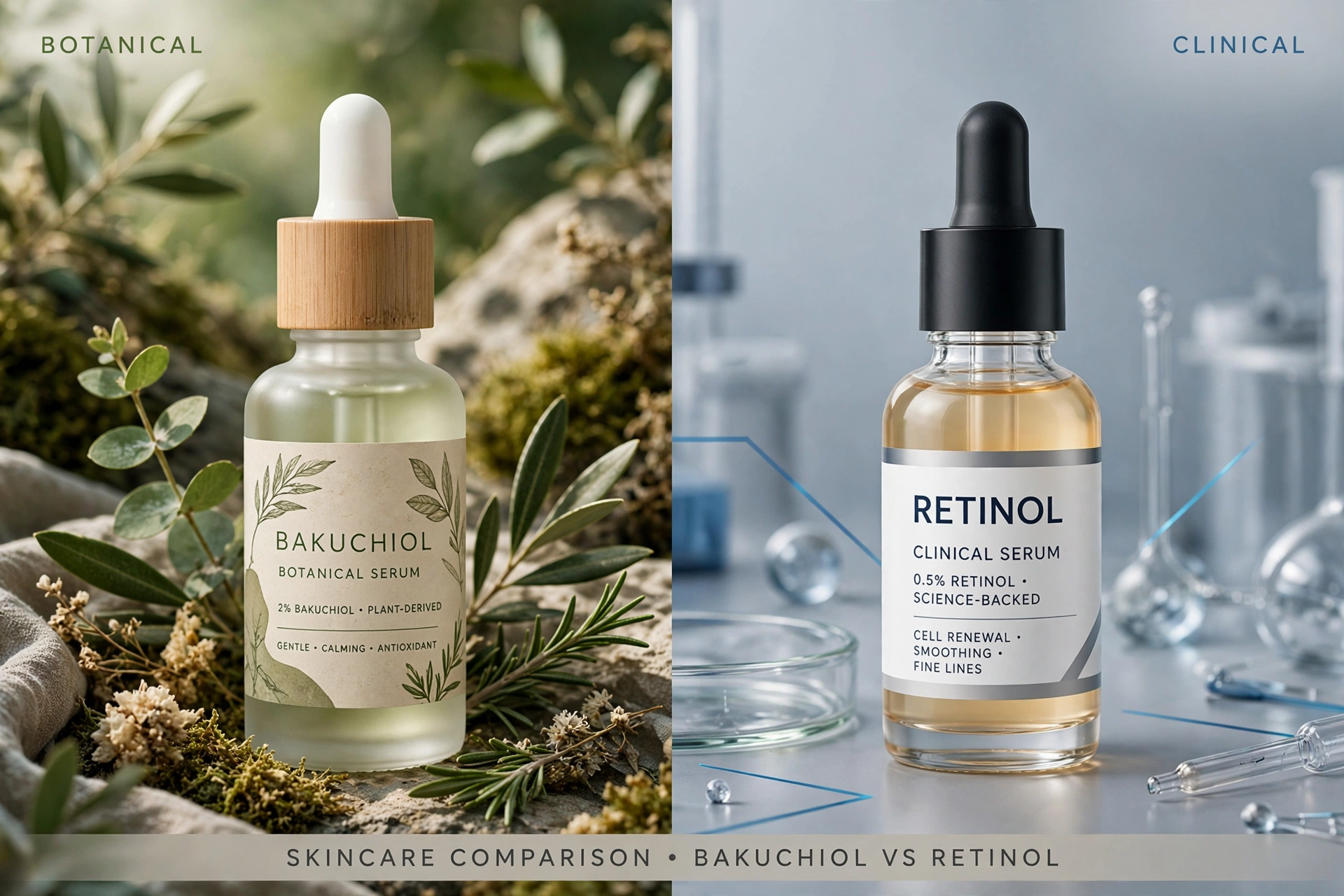
Walk into any skincare aisle in 2026 and you will face the great anti-aging debate: bakuchiol vs retinol. Retinol has been the gold standard for decades, backed by more clinical research than nearly any other cosmetic ingredient. Bakuchiol is the challenger — a plant-derived compound marketed as "nature's retinol," promising similar wrinkle-fighting results without the infamous peeling, redness, and flaking.
But is bakuchiol really a retinol replacement, or just clever marketing? The honest answer is more nuanced than either camp admits. In this guide, we compare bakuchiol vs retinol across everything that matters: how they work, what the clinical evidence actually shows, side effects, who should use which, pregnancy safety, cost, and how to use each one correctly. By the end, you will know exactly which ingredient deserves a place in your routine — or whether you even need to choose.
Retinol is a form of vitamin A and one of the most studied ingredients in all of dermatology. When applied to skin, it converts to retinoic acid, which binds to retinoid receptors in skin cells and triggers a cascade of anti-aging effects: accelerated cell turnover, stimulated collagen production, faded hyperpigmentation, unclogged pores, and improved skin texture. Decades of clinical trials support its effectiveness against fine lines, wrinkles, photoaging, and acne.
The catch — and it is a significant one — is tolerability. Retinol commonly causes a adjustment period nicknamed "retinoid uglies": dryness, peeling, redness, purging breakouts, and increased sun sensitivity. These effects are dose-dependent and usually temporary, but they cause a large percentage of users to quit before seeing results. Retinol also degrades in sunlight (which is why it is a nighttime-only ingredient), is not recommended during pregnancy, and requires careful introduction: low concentrations, gradual frequency increases, and diligent sunscreen use.
If you want to explore the retinoid family further, our retinal vs retinol comparison breaks down how retinol's stronger sibling, retinaldehyde, compares for wrinkle treatment.
Bakuchiol (pronounced buh-KOO-chee-ol) is a meroterpene compound extracted from the seeds and leaves of Psoralea corylifolia, a plant used in traditional Ayurvedic and Chinese medicine. Despite the "natural retinol" nickname, bakuchiol is not a retinoid at all — it has no structural similarity to vitamin A. The comparison exists because early research suggested it activates some of the same gene pathways involved in collagen production, without binding to retinoid receptors.
That mechanistic difference is the entire basis of bakuchiol's appeal: if it can trigger retinol-like benefits without retinoid receptors, it might deliver results without retinoid side effects. It is also photostable (safe for daytime use), generally well-tolerated by sensitive skin, and considered a safer option during pregnancy — though, as always, consult your doctor. The American Academy of Dermatology acknowledges growing interest in bakuchiol while noting that its evidence base remains far smaller than retinol's.
This is the question everyone asks, so let us be direct. Retinol wins on evidence volume — it has decades of randomized controlled trials demonstrating significant reduction in fine lines, wrinkles, and mottled pigmentation. Bakuchiol has far fewer studies, but the ones that exist are encouraging: a notable 2018 study published in the British Journal of Dermatology (indexed on ncbi.nlm.nih.gov) found that 0.5% bakuchiol used twice daily produced comparable improvements in wrinkles and hyperpigmentation to 0.5% retinol used nightly over 12 weeks.
Comparable in one study is not the same as equivalent overall. Retinol's effects on deep wrinkles and significant photoaging are better documented, and higher-strength retinoids (like tretinoin) outperform anything bakuchiol has been tested against. For early signs of aging — fine lines, dullness, uneven tone — bakuchiol appears genuinely effective. For advanced photoaging, retinol remains the stronger, better-proven choice.
Both ingredients have evidence for stimulating collagen, the structural protein whose decline causes sagging and wrinkles. Retinol's collagen-boosting effects are extensively documented across many trials. Bakuchiol has shown collagen-stimulating gene expression in laboratory and small clinical studies. In practice, consistent use of either ingredient over months improves firmness, but retinol's track record here is deeper. For an additional collagen-supporting strategy, peptide-based treatments like PDRN serums are worth exploring.
Both ingredients help fade dark spots through increased cell turnover, though by slightly different mechanisms. Retinol is the stronger, faster option for stubborn melasma and sun spots — dermatologists frequently prescribe retinoids specifically for pigmentation. Bakuchiol provides gentler, gradual brightening suitable for mild uneven tone. For a dedicated brightening routine, consider adding a vitamin C serum alongside either ingredient.
Retinol is a proven acne treatment — it normalizes cell turnover inside pores, preventing the clogs that become blackheads and pimples. Bakuchiol has shown some antibacterial and anti-inflammatory properties in lab studies, and anecdotal reports suggest it helps mild breakouts, but it is not an established acne treatment. If acne is a primary concern, retinol (or salicylic acid — see our BHA guide) is the evidence-based pick. Bakuchiol can be a supporting player for acne-prone skin that cannot tolerate retinoids.
This is where bakuchiol decisively wins. In the comparative study mentioned above, the retinol group experienced significantly more scaling, stinging, and burning than the bakuchiol group. Retinol's side effect profile — dryness, peeling, redness, purging, sun sensitivity — is well known and causes many users to abandon it. Bakuchiol is generally well-tolerated even by sensitive skin types, with minimal reports of irritation. If you have tried retinol and could not get past the adjustment period, bakuchiol is absolutely worth trying.
Retinol and all retinoids are not recommended during pregnancy due to the risk of birth defects associated with high-dose vitamin A — this is one of the clearest safety distinctions in dermatology. Bakuchiol, not being a retinoid, has no such established risk and is widely considered the safer anti-aging option during pregnancy. That said, "no established risk" is not the same as "proven safe" — human pregnancy trials do not exist for bakuchiol either. Always discuss any active ingredient with your OB-GYN during pregnancy or breastfeeding.
Retinol increases photosensitivity and degrades in UV light, making it strictly a nighttime ingredient paired with diligent daytime sunscreen. Bakuchiol is photostable and does not increase sun sensitivity, so it can be used morning and night. This is a meaningful lifestyle advantage — but it does not excuse skipping sunscreen. Daily SPF remains the single most important anti-aging step regardless of which ingredient you choose; our 2026 sunscreen guide covers the best non-greasy options.
Here the picture is mixed. Basic retinol products (like The Ordinary's retinol serums) are among the cheapest effective anti-aging treatments available — often under $10. Bakuchiol products historically commanded premium prices, though competition has brought costs down significantly by 2026, with solid options now available under $20. At the luxury end, both ingredients appear in $80+ formulations. Overall, retinol still offers the best efficacy-per-dollar, while bakuchiol's price premium has largely evaporated.
Retinol typically shows initial improvements in texture within 4–6 weeks, with significant wrinkle reduction at 12–24 weeks. Bakuchiol's timeline appears similar in the available studies — around 12 weeks for visible wrinkle and pigmentation improvement. Neither ingredient is fast; anti-aging skincare is a months-long commitment. Anyone promising overnight transformation is selling something else.
Retinol is the better choice if:
Your primary concern is established wrinkles, significant photoaging, or stubborn hyperpigmentation
You have acne alongside aging concerns (retinol treats both)
You have resilient, non-sensitive skin that can handle an adjustment period
You want the ingredient with the deepest clinical evidence base
You are not pregnant, planning pregnancy, or breastfeeding
You are committed to nightly use plus strict daytime sunscreen
Practical tip: start with a low concentration (0.25–0.3%), use it two nights per week for two weeks, then gradually increase. Apply to dry skin — damp skin increases penetration and irritation. Buffer with moisturizer if needed, and expect some flaking in weeks two through six. If your barrier becomes compromised during the adjustment, our guide on how to repair a damaged skin barrier will help you recover without abandoning the ingredient.
Bakuchiol is the better choice if:
You have sensitive, reactive, or rosacea-prone skin that cannot tolerate retinoids
You tried retinol and quit because of irritation or peeling
You are pregnant or breastfeeding (with your doctor's approval)
You want an anti-aging active you can use morning and night
Your aging concerns are early-stage: fine lines, dullness, mild uneven tone
You prefer plant-derived ingredients or want a simpler, gentler routine
Bakuchiol is also an excellent "starter" anti-aging ingredient for skincare beginners in their late twenties who want prevention without the retinoid learning curve.
You do not have to choose — many dermatologists and skincare enthusiasts use both. The most common strategy is bakuchiol in the morning (it is photostable and layers well under sunscreen) and retinol at night. This gives you round-the-clock anti-aging activity while the bakuchiol's soothing, anti-inflammatory properties may even help offset some retinol irritation.
An alternative approach: use bakuchiol on the nights you skip retinol. If you use retinol three nights per week, bakuchiol on the other four nights keeps your routine active without overloading your skin. Do not layer them in the same application unless a product is specifically formulated that way — more is not always better, and combining strong actives increases irritation risk without proportional benefit.
Start low and slow: 0.25–0.3% concentration, twice weekly, increasing gradually over 6–8 weeks.
Nighttime only: apply as part of your evening routine; UV degrades retinol.
Dry skin application: wait until skin is fully dry after cleansing to reduce irritation.
Pea-sized amount: more product means more irritation, not faster results.
Moisturize generously: follow with a barrier-supporting moisturizer. Oily types should pick a lightweight gel formula; the niacinamide in many oil-control moisturizers also calms retinol irritation — more on that in our niacinamide guide.
Sunscreen every morning: non-negotiable. Retinoid users who skip SPF undo their progress.
Be patient: commit to at least 12 weeks before judging results.
Concentration: look for 0.5–1% bakuchiol, the range used in clinical studies.
Twice daily is fine: morning and night, thanks to photostability.
Layering: apply after water-based serums, before moisturizer — same position retinol would occupy.
Pairs well with: hyaluronic acid, niacinamide, vitamin C, and peptides — layer thinnest to thickest for best absorption.
Still wear sunscreen: bakuchiol does not increase sun sensitivity, but UV is still the top cause of aging.
Give it 12 weeks: same patience requirement as retinol.
Best budget: The Ordinary Retinol 0.5% in Squalane — effective, under $10, with squalane to buffer dryness. Full details at theordinary.com.
Best for beginners: CeraVe Resurfacing Retinol Serum — encapsulated retinol with ceramides and niacinamide in a gentle base (see CeraVe's official site for details).
Best luxury: SkinCeuticals Retinol 0.5 — the dermatologist-office classic with an elegant formulation.
Best overall: Herbivore Bakuchiol Retinol Alternative Serum — the product that brought bakuchiol mainstream, with 1% bakuchiol.
Best budget: The Ordinary Bakuchiol — simple, effective, affordable.
Best sensitive-skin pick: Biossance Squalane + Phyto-Retinol Serum — bakuchiol plus squalane in an ultra-gentle base.
When shopping, check that bakuchiol appears at 0.5% or higher and that retinol products state their concentration clearly. Avoid products that hide behind "proprietary blends" without disclosing percentages.
Myth: "Bakuchiol is just as strong as prescription tretinoin." Reality: No responsible evidence supports this. Bakuchiol compares to low-strength over-the-counter retinol in limited studies — not to prescription-strength tretinoin, which remains in a different league.
Myth: "Natural means bakuchiol has no side effects." Reality: "Natural" does not mean risk-free. Bakuchiol is well-tolerated, but individual sensitivities exist — patch testing is still wise, and pregnancy use should still be discussed with a doctor.
Myth: "Retinol thins your skin." Reality: The opposite is true. Retinol initially thins the outermost dead-skin layer (causing the peeling), but over time it thickens the living dermis by stimulating collagen. Long-term retinol users have measurably thicker, healthier dermis.
Myth: "You cannot use retinol in your 20s." Reality: You can — prevention is valid. Late twenties is a reasonable time to start low-strength retinol for prevention, though sunscreen matters far more at that age. Bakuchiol is an even gentler entry point.
In the limited head-to-head research available, 0.5% bakuchiol performed comparably to 0.5% retinol for wrinkles and pigmentation over 12 weeks, with fewer side effects. However, retinol has vastly more research overall, including data on deeper wrinkles and long-term use. Think of bakuchiol as genuinely effective for mild to moderate concerns rather than a full replacement for retinol's proven power on advanced aging.
Bakuchiol is not a retinoid and carries none of vitamin A's established pregnancy risks, making it the commonly recommended anti-aging alternative during pregnancy. However, no ingredient has been proven safe through human pregnancy trials, so discuss it with your OB-GYN first — as the American Academy of Dermatology advises for any active ingredient during pregnancy. Definitely avoid all retinoids (retinol, retinal, tretinoin) while pregnant.
Retinoid purging — a temporary increase in breakouts as cell turnover accelerates — typically lasts 2–6 weeks. It differs from a bad reaction: purging appears where you normally break out and resolves on its own, while a true irritation reaction causes new redness, burning, or breakouts in unusual areas. If symptoms worsen after six weeks, scale back frequency or switch to bakuchiol.
Absolutely. If you are new to anti-aging actives, have sensitive skin, or simply do not want to manage retinol's adjustment period, starting (and staying) with bakuchiol is a completely reasonable choice. You will still get meaningful improvements in fine lines, tone, and texture. You can always graduate to retinol later if you want stronger effects.
Both ingredients degrade with exposure to light, air, and heat. Bakuchiol is more photostable than retinol (it does not break down in UV), but it still oxidizes over time. Store both in cool, dark places, keep bottles tightly closed, and respect the period-after-opening symbol (usually 6–12 months). Pump bottles preserve potency better than droppers or jars.
Vitamin C pairs excellently with bakuchiol — use vitamin C in the morning and bakuchiol morning or night. With retinol, the classic approach is vitamin C in the morning and retinol at night, which avoids layering two potent actives simultaneously. For product recommendations, look for a stabilized L-ascorbic acid or ethylated vitamin C serum from a reputable brand.
Bakuchiol, without question. Its irritation profile is dramatically milder — the comparative clinical trial found significantly less scaling, stinging, and burning with bakuchiol than retinol. Sensitive, rosacea-prone, or easily irritated skin types should start with bakuchiol. If even bakuchiol causes issues, focus on barrier repair first with guidance from our damaged skin barrier guide and fragrance-free formulas designed for reactive skin.
There is no magic age, but general guidance: sunscreen in your teens and twenties matters most; bakuchiol or low-strength retinol can start in the late twenties for prevention; thirties and beyond is when most people benefit from consistent use for correction. Genetics, sun exposure history, and skin type matter more than the calendar — someone with heavy sun damage at 30 may need retinol more than someone with protected skin at 45.
Retinol has decades of clinical proof for wrinkles, pigmentation, and acne; bakuchiol has promising but limited studies showing comparable effects to low-strength retinol.
Bakuchiol wins decisively on tolerability: far less irritation, peeling, and dryness than retinol.
Bakuchiol is photostable (usable day and night); retinol is nighttime-only and increases sun sensitivity.
Retinol is not pregnancy-safe; bakuchiol is the commonly recommended alternative (confirm with your doctor).
Choose retinol for advanced aging, acne, and maximum evidence; choose bakuchiol for sensitive skin, pregnancy, or a gentler routine.
You can use both: bakuchiol in the morning, retinol at night.
Whichever you choose, daily sunscreen is the most important anti-aging step of all.
The bakuchiol vs retinol debate does not need a single winner, because the two ingredients serve different needs. Retinol remains the heavyweight champion of evidence — nothing else over-the-counter matches its documented impact on wrinkles, pigmentation, and acne. Bakuchiol is the people's challenger — genuinely effective for early aging concerns, remarkably gentle, usable day and night, and the clear choice during pregnancy. If your skin tolerates retinol, it is still the stronger pick for serious correction. If it does not — or if simplicity and gentleness matter more to you — bakuchiol is far from a compromise. And if you cannot decide, remember the best routine of all might be both: bakuchiol by day, retinol by night, sunscreen always. Your future skin will thank you either way.
Discover the best moisturizer for oily skin in 2026 — lightweight, non-comedogenic picks that hydrate without clogging pores or causing shine.
Read More arrow_forward
The best winter skincare routine for dry skin in 2026 — hydrating layers, barrier repair tips, and dermatologist-backed product picks that work.
Read More arrow_forward
Azelaic acid for rosacea and redness explained: how it works, the best 10-20% products of 2026, how to layer it, and what results to expect.
Read More arrow_forward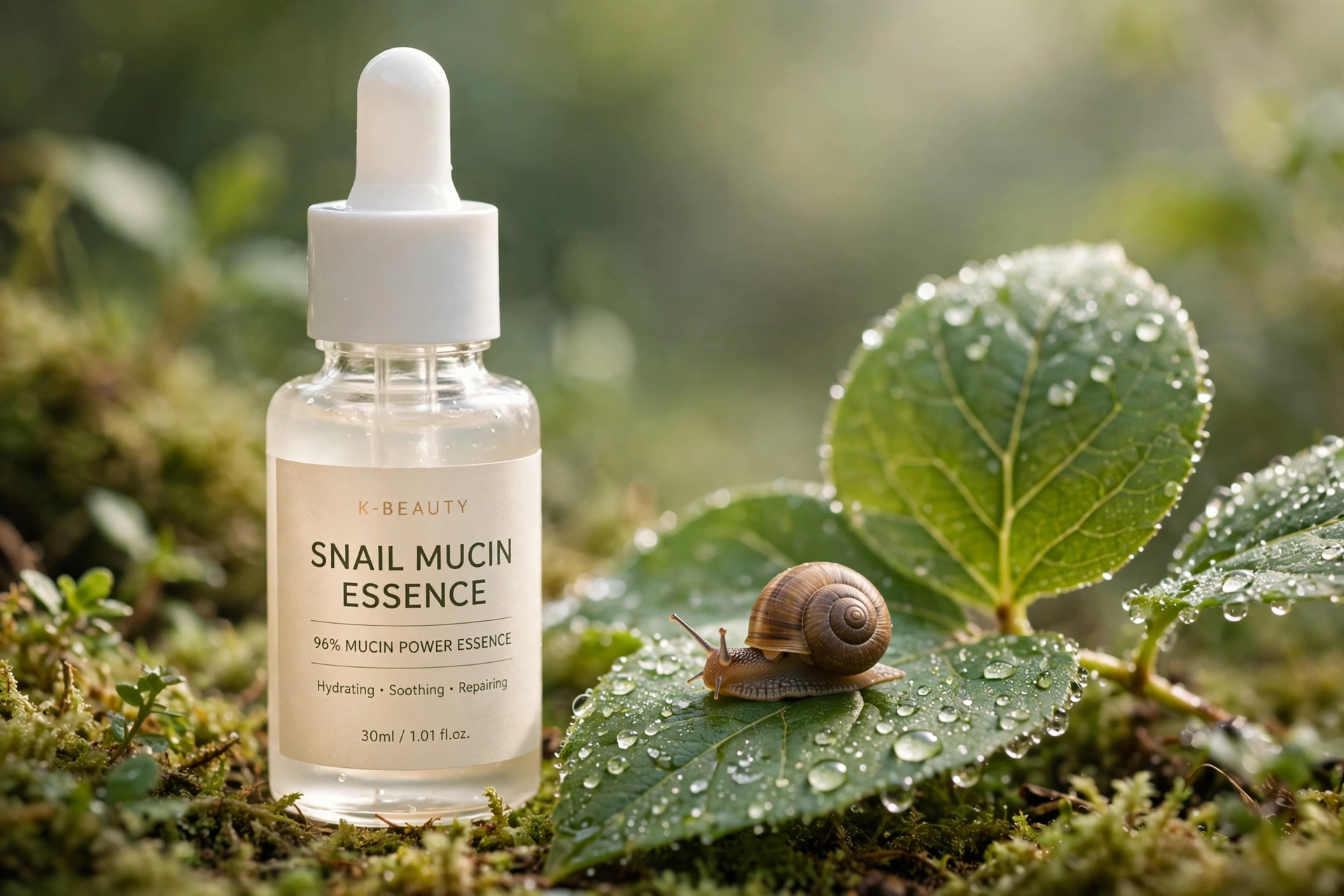
Explore snail mucin benefits — the K-beauty powerhouse that hydrates, repairs, and brightens skin. How to use it, best products, and what science says.
Read More arrow_forward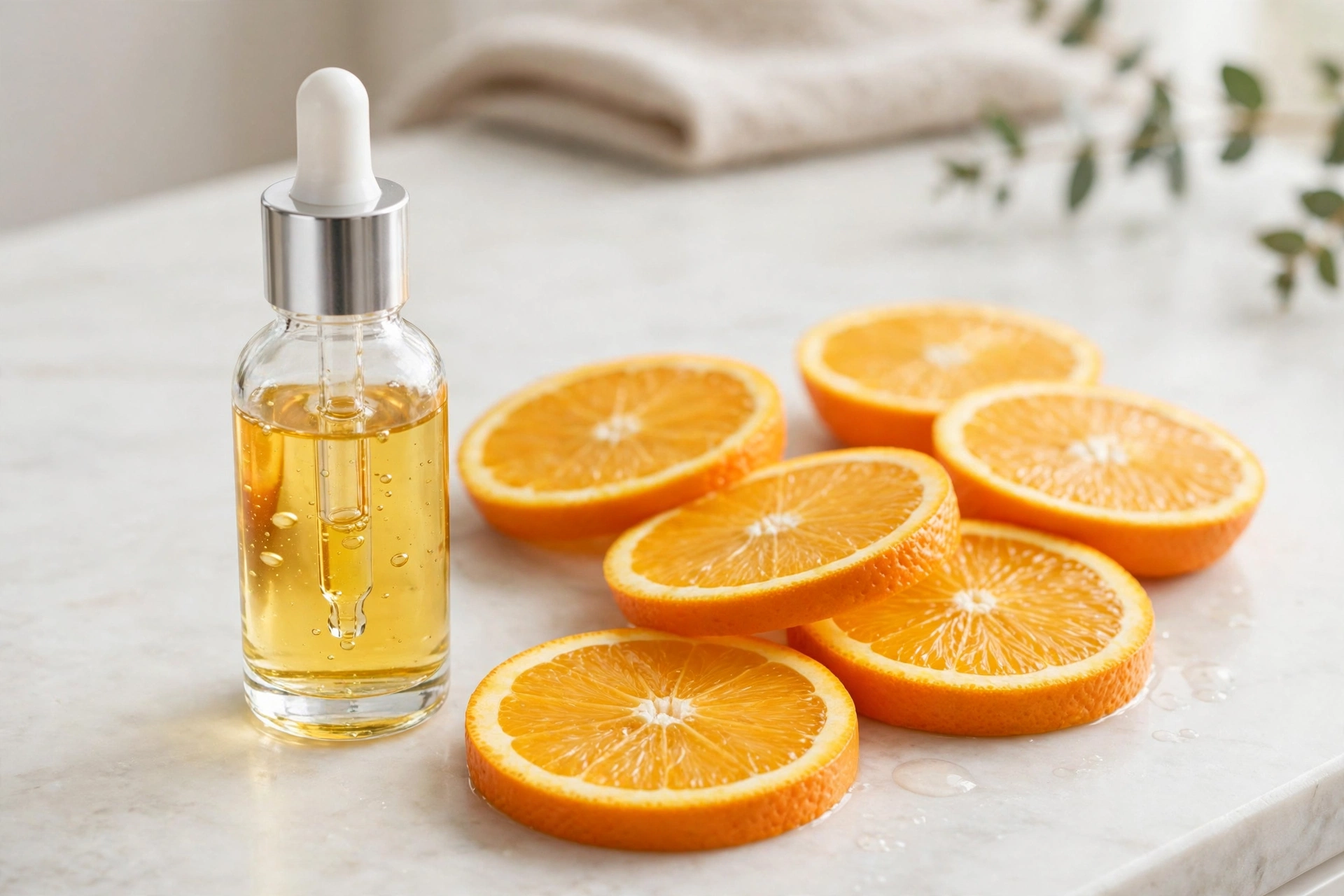
The best vitamin C serums for glowing skin in 2026 — how to choose the right formula, how to layer it, and what to avoid.
Read More arrow_forwardCalculate your Body Mass Index (BMI) in seconds. BMI is a quick screening number…
Use now arrow_forwardFind your daily calorie needs based on your age, sex, height, weight and activit…
Use now arrow_forwardFind how much water you should drink each day, in litres and glasses, based on y…
Use now arrow_forward