Niacinamide Serum Benefits: How to Use It for Pores, Oil and Dark Spots (2026 Guide)
Niacinamide serum benefits explained — how it minimizes pores, controls oil and fades dark spots, plus how to use it correctly in 2026.
Read More arrow_forwardThe best vitamin C serums for glowing skin in 2026 — how to choose the right formula, how to layer it, and what to avoid.
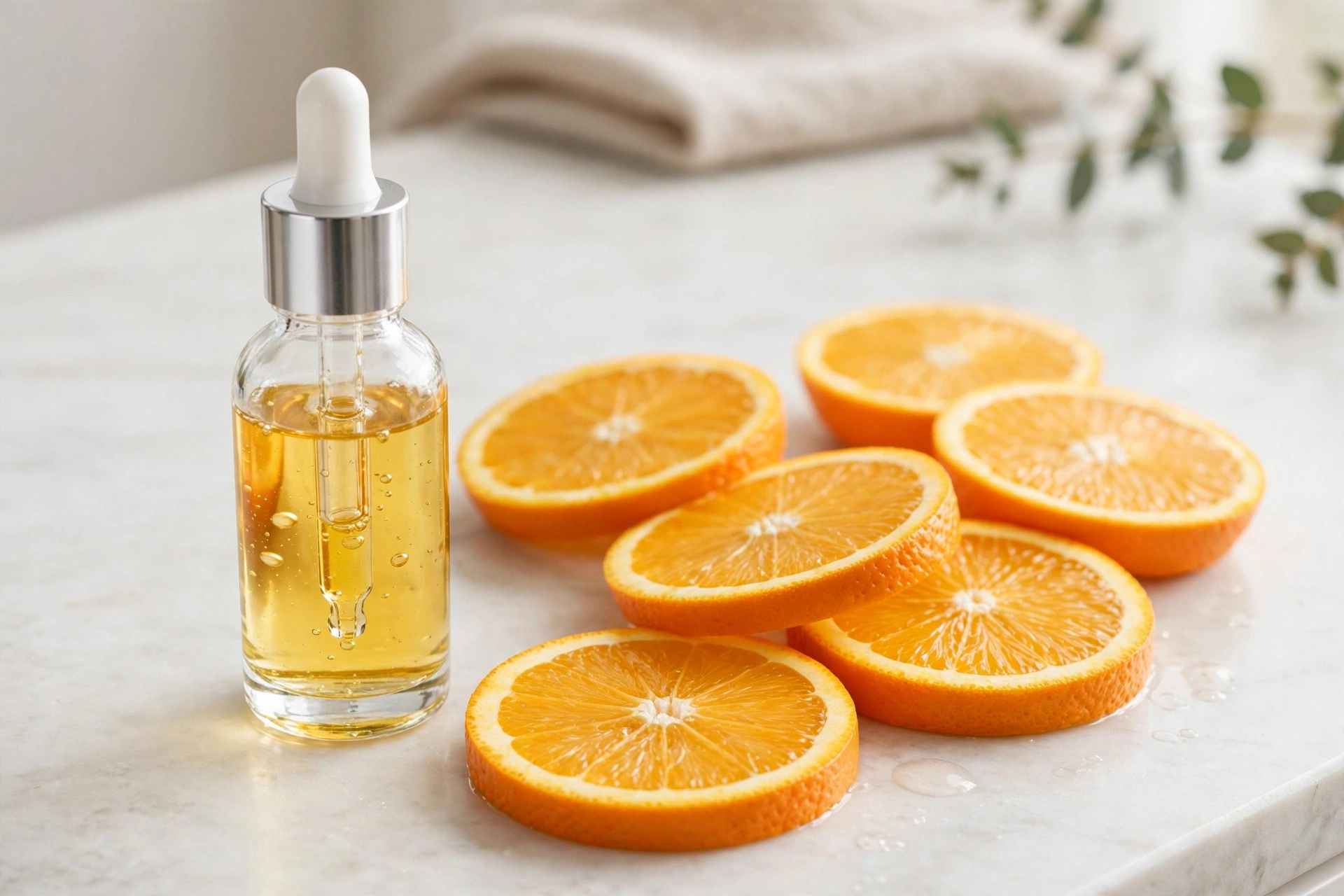
Vitamin C is the closest thing skincare has to a universal glow ingredient. Dermatologists recommend it, estheticians swear by it, and study after study confirms what the mirror eventually shows: brighter tone, faded dark spots, firmer-looking skin, and a lit-from-within radiance that no highlighter can fake. But walk into the serum aisle (or scroll for five minutes) and the paradox hits you — hundreds of vitamin C serums, wildly different formulas, and no clear way to tell which one will actually transform your skin and which will just oxidize into an expensive orange stain.
This 2026 guide cuts through the noise. You will learn how vitamin C actually works on skin, the crucial difference between L-ascorbic acid and its derivatives, how to choose the best vitamin C serum for your skin type, exactly how to layer it with the rest of your routine, and the mistakes that quietly waste your money. Let us get your glow right.
Vitamin C (ascorbic acid) is a potent antioxidant that neutralizes free radicals generated by UV exposure and pollution — the invisible damage that drives premature aging, dullness, and uneven tone. But its resume goes further than antioxidant defense:
Brightening: It inhibits tyrosinase, a key enzyme in melanin production, which fades dark spots, sun spots, and post-acne marks over time.
Collagen support: Vitamin C is a required cofactor for collagen synthesis. Topical application has been shown to improve the appearance of fine lines by supporting the skin's structural proteins.
Photoprotection boost: It does not replace sunscreen, but research shows vitamin C under sunscreen measurably increases UV defense compared to sunscreen alone. The combination is greater than either product solo.
Glow: By accelerating gentle cell turnover and evening out tone, it restores the light-reflecting smoothness we read as "glow."
This multi-tasking profile is why dermatologists consistently rank vitamin C among the few actives worth using long-term. Guidance from the American Academy of Dermatology (AAD) supports antioxidant serums as part of an evidence-based anti-aging routine, and clinical literature indexed on the National Center for Biotechnology Information (NCBI) documents vitamin C's effects on pigmentation and collagen with unusual consistency for a cosmetic ingredient.
Almost every skin type benefits, but some see dramatic results faster: dull, uneven skin; anyone with sun-induced dark spots; early fine lines; and post-acne marks that linger for months. Very sensitive or rosacea-prone skin should tread carefully with pure L-ascorbic acid formulas — the low pH that makes them effective can also sting. If your barrier is already compromised, repair it first with the steps in our guide on how to repair a damaged skin barrier before introducing a strong vitamin C.
L-ascorbic acid (L-AA) is the pure, biologically active form — the one used in most clinical studies, and therefore the one with the strongest evidence. Effective concentrations run 10–20%, formulated at a low pH (around 2.5–3.5) for penetration. The trade-offs: it oxidizes when exposed to light, heat, and air (turning dark orange and losing potency), and the acidity can irritate sensitive skin.
Choose L-AA if: your skin is resilient, your main goals are dark spots and firmness, and you will store the bottle properly and use it within 2–3 months of opening.
Derivatives are modified, more stable forms of vitamin C. They are gentler and longer-lasting in the bottle, though the clinical evidence behind each varies:
Sodium ascorbyl phosphate (SAP): Water-soluble, stable, effective at 5%+ for brightening and — notably — acne, thanks to antimicrobial properties. Excellent for oily, breakout-prone skin.
Ascorbyl glucoside: Stable and gentle; converts to ascorbic acid in skin. Good brightening at 2–5% with minimal irritation risk.
3-O-ethyl ascorbic acid: One of the better-researched derivatives — stable, penetrates well, effective for brightening near 2–5%.
Tetrahexyldecyl ascorbate (THD ascorbate): Oil-soluble, penetrates deeply, elegant in moisturizer-like formulas. A favorite for dry or sensitive skin that cannot tolerate L-AA.
Choose a derivative if: your skin is sensitive, you want a low-maintenance bottle that will not oxidize in weeks, or you are layering vitamin C with other strong actives and want to minimize irritation risk.
With L-AA, studies show benefits plateau around 20% — going higher mainly increases irritation, not results. Beginners should start at 10–15%. With derivatives, follow the formula's tested range (often 2–10%) rather than chasing the highest number on the shelf. A well-formulated 10% L-AA serum with vitamin E and ferulic acid will outperform a harsh, unstable 25% serum every time.
Look for lightweight, water-based L-AA serums (10–15%) or SAP-based formulas around 5%. SAP deserves special mention here — its antimicrobial action makes it one of the few brightening ingredients that actively helps acne-prone skin rather than just tolerating it. Avoid heavy, oil-based vitamin C formulas that can feel suffocating by midday. If enlarged pores and excess oil are also on your concern list, vitamin C pairs beautifully with niacinamide — our guide to niacinamide serum benefits explains how the two work together.
THD ascorbate or ascorbyl glucoside in a hydrating base is your safest entry point. Look for formulas that include soothing and barrier-supporting ingredients (panthenol, ceramides, centella). Patch test on the jawline for 48 hours. If even derivatives tingle uncomfortably, your barrier may need attention first — and our roundup of the best fragrance-free skincare products for sensitive skin will help you build a non-irritating base routine.
Prioritize L-AA at 15–20% with vitamin E and ferulic acid — this trio is the most studied combination for pigment correction, and the supporting antioxidants both stabilize the formula and amplify results. Pair with daily SPF 30+ without exception; fading pigment while unprotected from UV is like bailing water with a hole in the bucket. For stubborn melasma-type pigmentation, consider combining vitamin C with niacinamide or tranexamic acid, which attack pigment through complementary pathways.
L-AA 15–20% remains the evidence leader for collagen support. Consistency matters more than concentration here — daily morning application for 3–6 months is the timeframe studies use. If you are also considering retinoids for wrinkles, read our retinal vs retinol comparison to understand how the two approaches differ and complement each other.
Opaque, air-restrictive packaging — dark glass bottles or airless pumps protect against oxidation.
Supporting antioxidants — vitamin E (tocopherol) and ferulic acid stabilize L-AA and double its photoprotective effect. This combination is the dermatologist gold standard for a reason.
Appropriate pH disclosed — reputable L-AA brands state pH around 2.5–3.5.
Full ingredient transparency — brands like La Roche-Posay publish complete lists and clinical testing summaries; prefer brands that do the same.
Manufacturing or expiry dating — vitamin C has a real shelf life; a brand that dates its bottles respects the chemistry.
Clear glass bottles or jar packaging — light and air destroy vitamin C; this packaging choice tells you the brand does not understand (or does not care about) the ingredient.
"Vitamin C" far down the ingredient list with no percentage stated — likely a label-dusting amount that does nothing.
Already-orange serum on the shelf — oxidized before you even buy it. L-AA serums should be clear to pale straw; deep orange or brown means it has degraded.
Extreme percentage claims (30%+) — beyond the evidence plateau, mostly marketing, higher irritation risk.
No stability system — pure L-AA with no supporting antioxidants and no protective packaging will not survive your bathroom shelf.
Vitamin C belongs in your morning routine — its antioxidant protection is most valuable during daytime UV and pollution exposure:
Cleanser — gentle cleanse; no need to strip the skin.
Toner/essence (optional) — hydrating layers go first if you use them.
Vitamin C serum — 3–4 drops or a pea-sized amount on dry skin. Wait 60 seconds.
Other serums — hydrating serums (hyaluronic acid) or niacinamide can follow. Vitamin C first, as the lowest-pH active.
Moisturizer — seal everything in.
Sunscreen SPF 30+ — non-negotiable; vitamin C boosts sunscreen, never replaces it.
Vitamin C + sunscreen: The single most important pairing. Studies show the combination provides significantly more photoprotection than sunscreen alone.
Vitamin C + niacinamide: Safe together despite persistent myths. Use vitamin C in the morning and niacinamide in the evening for simplicity, or layer them a minute apart. Full details in our niacinamide serum benefits guide.
Vitamin C + hyaluronic acid: A classic — hydration plus antioxidant protection, zero conflict.
Vitamin C + moisturizer with ceramides: Supports the barrier while the vitamin C does its brightening work.
Vitamin C + strong AHAs/BHAs in the same routine: Both are low-pH actives; stacking them spikes irritation risk. Use acids at night, vitamin C in the morning.
Vitamin C + benzoyl peroxide: Benzoyl peroxide oxidizes vitamin C on contact, deactivating it. Never layer them; if you use both, separate by at least several hours (vitamin C morning, benzoyl peroxide night).
Vitamin C + retinoids at the same time: Not dangerous, but the pH clash reduces comfort and possibly efficacy. The standard pro split: vitamin C in the morning, retinoid at night.
Vitamin C + copper peptides: Some evidence of interaction that reduces efficacy; separate them (different times of day) to be safe.
Apply to dry skin. Water on the surface can increase penetration unpredictably and raise irritation with L-AA formulas. Pat your face dry, wait a moment, then apply.
Use it in the morning, every morning. Antioxidant protection is a daily defense strategy, not an occasional treatment.
Store it like it matters — because it does. Cool, dark place; never on a sunny bathroom shelf. Some people refrigerate L-AA serums to slow oxidation.
Watch the color. Check your serum monthly: clear to pale yellow is fine; dark orange or brown means it has oxidized — replace it. An oxidized serum is not just ineffective; degraded vitamin C can be pro-oxidant.
Finish the bottle in 2–3 months. Buy the size you will actually use up. A giant bottle that oxidizes halfway through is worse value than a small fresh one.
Sunscreen completes the job. Every brightening result vitamin C delivers depends on UV protection holding the line. SPF 30+ daily, reapplied if you are outdoors.
Photograph your progress. Take bare-skin photos in consistent lighting every 2–3 weeks. Glow builds gradually, and you will not trust your memory.
Be patient with dark spots. Surface brightening appears in 3–4 weeks; meaningful fading of established dark spots takes 8–12 weeks; deep pigmentation can take 6 months.
Yes — daily morning use is the standard recommendation and how the clinical studies are designed. Start 3–4 times per week for the first two weeks if your skin is sensitive, then build to daily.
Yes. The old warning came from flawed, decades-old test-tube experiments, not real skincare use. Modern formulations coexist fine. Easiest approach: vitamin C in the morning, niacinamide at night — or layer them a minute apart in the same routine.
Oxidation — exposure to light, heat, and air degrades L-ascorbic acid, shifting it from clear/pale yellow to orange and eventually brown. A slightly straw-tinted serum is usually still fine; dark orange or brown means potency is gone and it is time to replace the bottle.
Vitamin C does not cause purging (it is not an exfoliant that accelerates cell turnover in that way). Breakouts after starting vitamin C usually trace to the formula's base — heavy silicones, oils, or an irritating pH — rather than the vitamin C itself. Switch to a lighter, well-formulated option before giving up on the ingredient.
Vitamin C (all forms) is considered one of the safer brightening options during pregnancy, especially compared to retinoids and hydroquinone, which should be avoided. That said, always confirm with your own doctor — individual guidance beats general articles.
Morning, without question. Its core strength is neutralizing the free radicals generated by daytime UV and pollution. Nighttime use is not harmful, but you lose the main event. If you can only apply once, make it AM under sunscreen.
Initial brightness and improved texture: 3–4 weeks. Visible fading of dark spots: 8–12 weeks. Collagen-related firmness changes: 3–6 months. Anyone promising overnight transformation is selling marketing, not skincare.
Gently, and preferably with a formula designed for it — the eye area is thin and reactive to low-pH L-AA. If dark circles and puffiness are your main concern, a targeted treatment may serve you better; our review of the best caffeine eye serums for dark circles and puffiness covers options formulated for that delicate zone.
Vitamin C brightens tone, fades dark spots, supports collagen, and boosts your sunscreen's protection — the most versatile glow ingredient in skincare.
L-ascorbic acid (10–20%) has the strongest clinical evidence; derivatives (SAP, ethylated C, THD ascorbate) trade some potency for stability and gentleness.
Choose by skin type: SAP or light L-AA for oily/acne-prone; THD ascorbate or glucoside for sensitive; 15–20% L-AA with vitamin E + ferulic acid for dark spots.
Demand opaque, airless packaging, supporting antioxidants, and stated percentages — reject clear bottles, mystery concentrations, and pre-oxidized orange serums.
Apply in the morning on dry skin, before other serums and always under SPF 30+.
Separate it from strong acids, benzoyl peroxide, and retinoids (different times of day); it pairs beautifully with niacinamide, hyaluronic acid, and sunscreen.
Expect glow in weeks, spot fading in months — and replace any serum that turns dark orange.
Finding the best vitamin C serum for glowing skin is less about chasing the highest percentage or the trendiest brand, and more about matching the right form to your skin, demanding honest packaging and formulation, and layering it correctly every single morning under sunscreen. Get those fundamentals right and vitamin C delivers one of the most reliable transformations in all of skincare: clearer tone, fading spots, firmer texture, and that unmistakable glow.
Start with a formula your skin tolerates happily, use it daily, protect your progress with SPF, and give it the full 12 weeks the science asks for. Your 2026 glow is a routine away — not a miracle product away.
Niacinamide serum benefits explained — how it minimizes pores, controls oil and fades dark spots, plus how to use it correctly in 2026.
Read More arrow_forward
Best sunscreens of 2026 — mineral vs chemical compared, how to choose for your skin type, and the reapplication rules most people get wrong.
Read More arrow_forward
Salicylic acid for acne — how this BHA unclogs pores, clears blackheads and prevents breakouts. Usage guide, percentages and best formulas.
Read More arrow_forward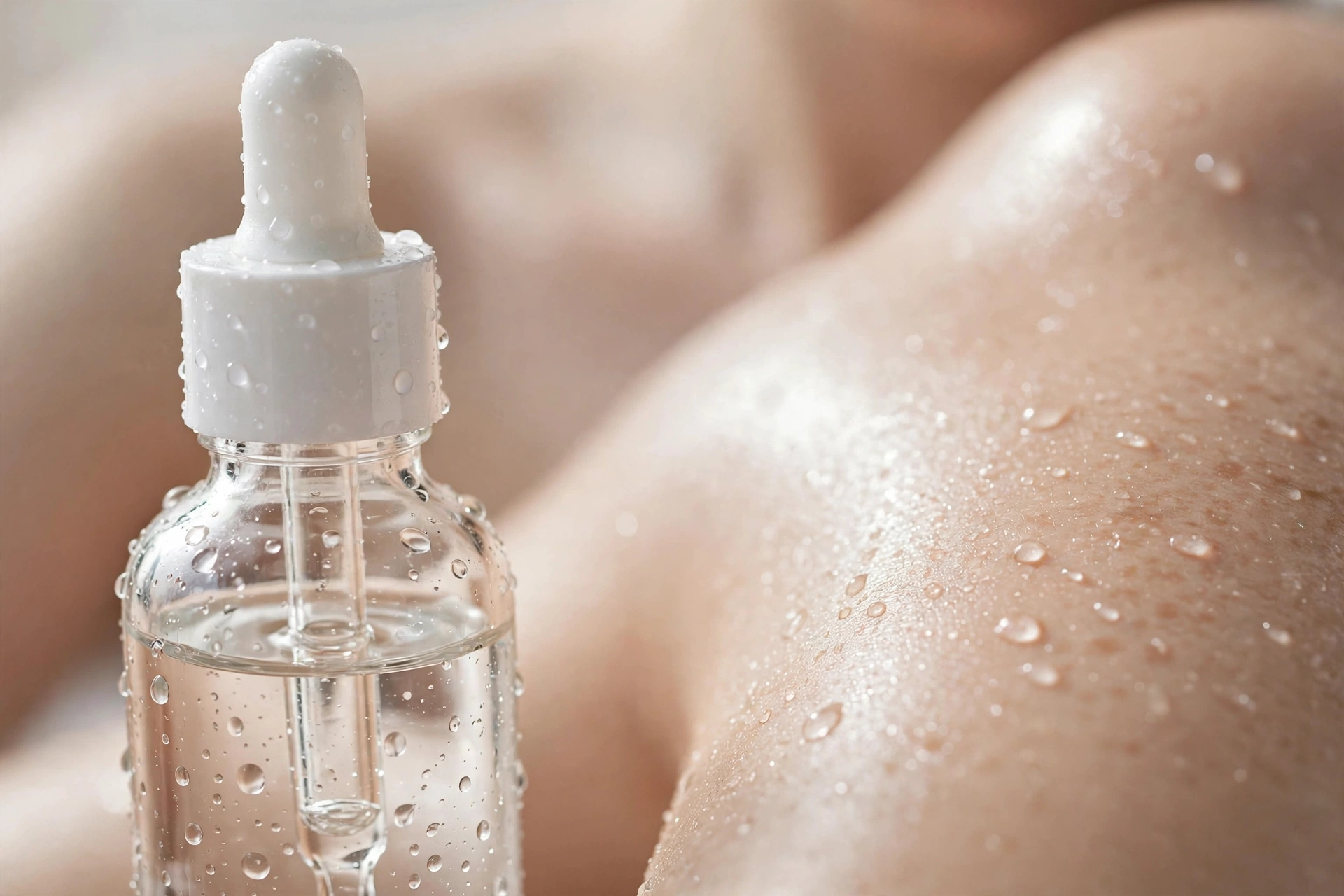
Hyaluronic acid serum guide — how it hydrates skin, the damp-skin rule, molecular weights explained, and the best formulas for 2026.
Read More arrow_forward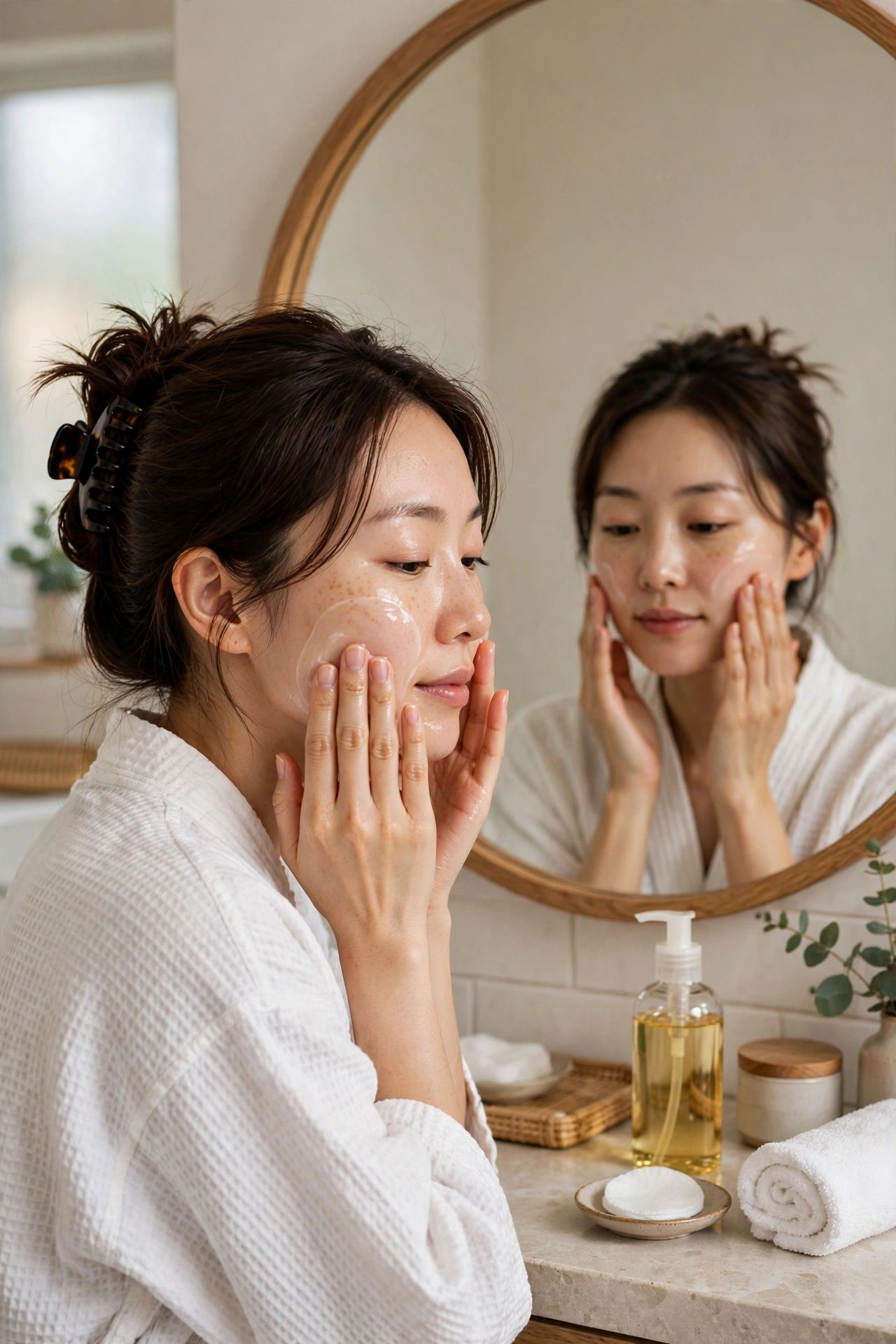
The double cleansing method explained — how oil + water-based cleansers clear pores, prevent breakouts and boost glow. Full routine for every skin type.
Read More arrow_forwardCalculate your Body Mass Index (BMI) in seconds. BMI is a quick screening number…
Use now arrow_forwardFind your daily calorie needs based on your age, sex, height, weight and activit…
Use now arrow_forwardFind how much water you should drink each day, in litres and glasses, based on y…
Use now arrow_forward