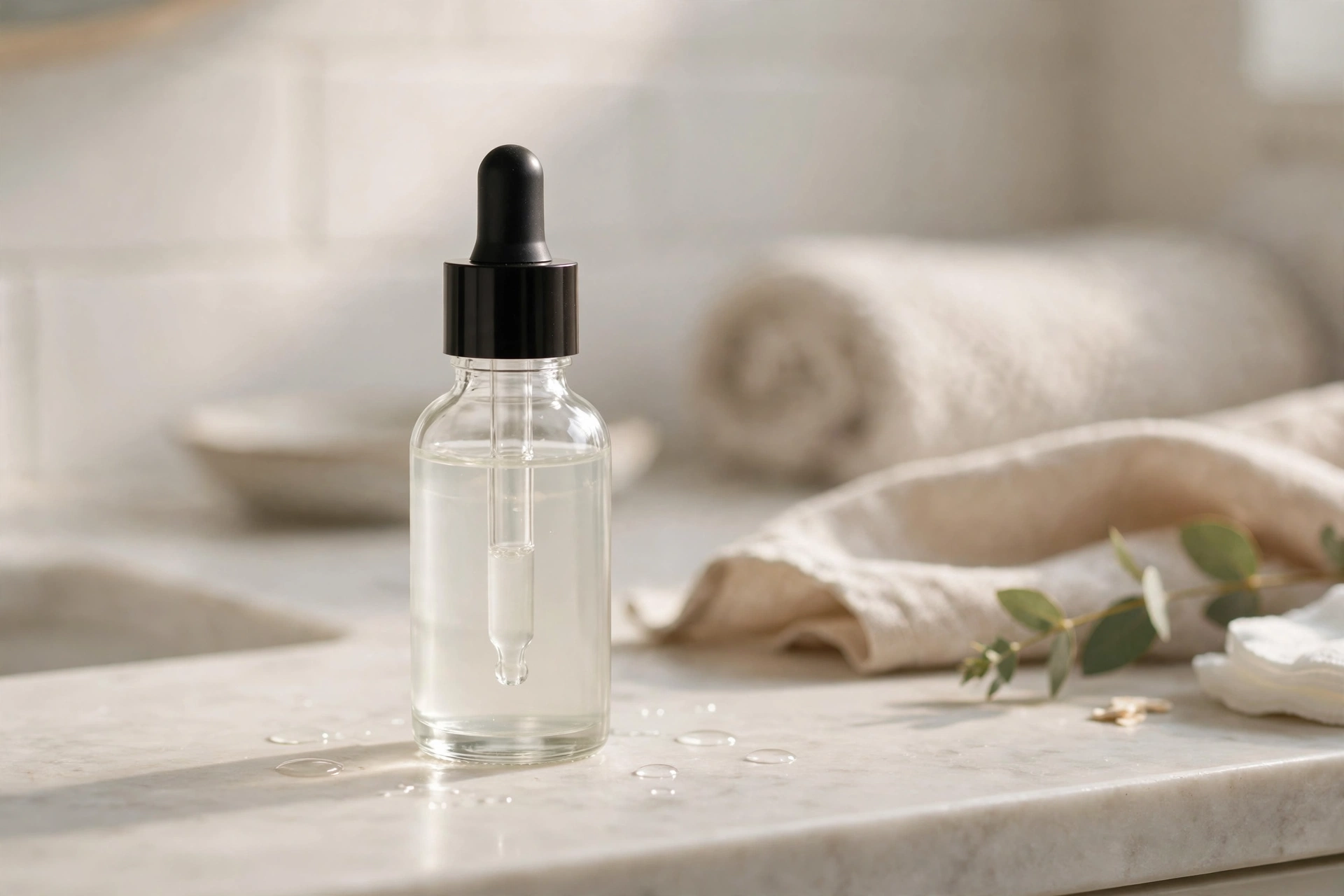
Niacinamide Serum Benefits: How to Use It for Pores, Oil and Dark Spots (2026 Guide)
Niacinamide serum benefits explained — how it minimizes pores, controls oil and fades dark spots, plus how to use it correctly in 2026.
Read More arrow_forwardBest sunscreens of 2026 — mineral vs chemical compared, how to choose for your skin type, and the reapplication rules most people get wrong.
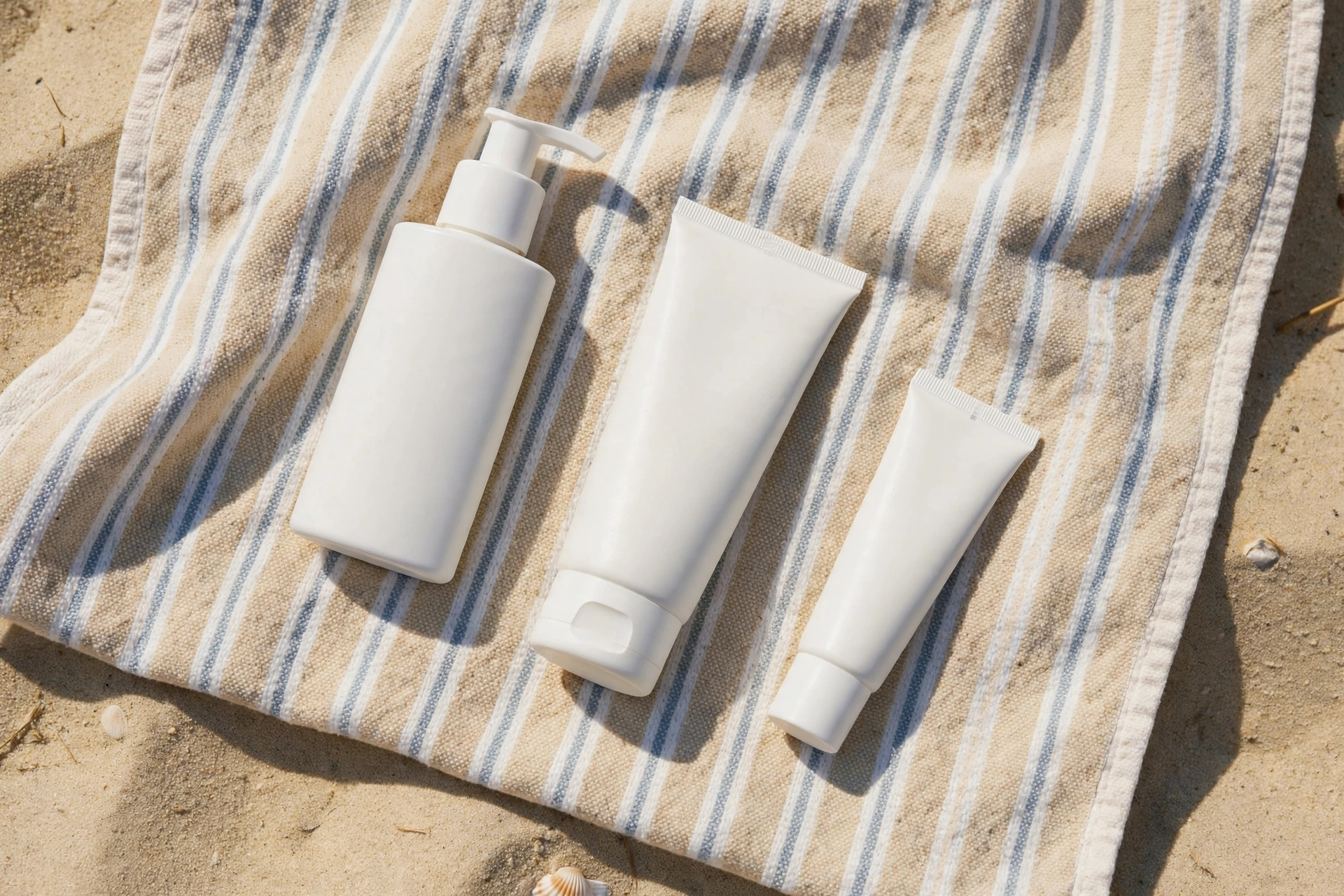
If there is one skincare product dermatologists agree is non-negotiable, it is sunscreen. Not serums, not acids, not the viral twelve-step routine — sunscreen. Ultraviolet radiation is responsible for up to 80 percent of visible facial aging and is the single biggest preventable risk factor for skin cancer, according to the American Academy of Dermatology. Yet most people still choose their sunscreen the same way they choose a snack — grabbing whatever is on sale, applying too little of it, and wondering why their pigmentation never fades.
The sunscreen shelf in 2026 looks different from even a few years ago. Mineral formulas have gotten remarkably elegant, chemical filters have gotten smarter and gentler, and hybrid formulas blur the line entirely. The mineral versus chemical debate is still the first decision you have to make, and it genuinely matters: the two types work differently, suit different skin types, and perform differently under makeup, sweat, and real-world conditions.
This guide breaks down everything you need to choose the best sunscreen in 2026 for your skin — how each type works, honest pros and cons, the best picks for oily, dry, sensitive, and acne-prone skin, how much to actually use, and the reapplication rules that separate a sunscreen that works from one that merely sits in your bathroom cabinet.
The labels sound simple — one is "natural," the other is "synthetic" — but the science underneath is worth understanding, because it explains every difference you will notice in the jar and on your face.
Mineral sunscreens (also called physical sunscreens) use inorganic UV filters — primarily zinc oxide and titanium dioxide. These minerals sit on the surface of the skin and act as tiny shields: they absorb some UV radiation and reflect or scatter the rest away from the skin. Think of them as thousands of microscopic mirrors spread across your face.
Zinc oxide is the star here because it is the only single filter that provides true broad-spectrum coverage on its own, blocking both UVA (aging rays) and UVB (burning rays) across the spectrum. Titanium dioxide is strong against UVB and short UVA but weaker at longer UVA wavelengths, which is why most modern mineral sunscreens lead with zinc oxide. For a full breakdown of how protective barriers function, see our guide on how to repair a damaged skin barrier — the two topics are deeply connected, because UV damage is one of the main things that breaks the barrier down in the first place.
Chemical (organic) sunscreens use carbon-based filters — such as avobenzone, octocrylene, octisalate, and the newer generation of filters like bemotrizinol (Tinosorb S), bisoctrizole (Tinosorb M), and mexoryl — that absorb UV radiation, convert it into a small amount of heat, and release it from the skin. Instead of sitting on the surface as a shield, they work like a sponge: UV photons go in, harmless heat comes out.
Chemical filters generally need about 15 to 20 minutes to fully activate after application, which is why the "apply before you go out" rule exists. They are also the reason chemical sunscreens can be made into featherweight, invisible textures that disappear on every skin tone — there is no mineral layer sitting on top of the skin to leave a white cast.
White cast: Mineral sunscreens are notorious for it, especially on deeper skin tones. Iron oxide-tinted mineral formulas have largely solved this for medium tones, and 2026's micronized zinc dispersions are far better than the chalky pastes of a decade ago — but truly invisible mineral coverage on very deep skin is still the hardest brief in sun care. Chemical sunscreens win here easily.
Irritation potential: Mineral filters are inert and sit on the surface, which makes them the default recommendation for sensitive, rosacea-prone, and baby skin. Chemical filters can sting eyes and occasionally trigger irritation or allergic contact dermatitis, particularly older-generation filters like oxybenzone (which has also faced environmental scrutiny). If your skin reacts to everything, our roundup of best fragrance-free skincare products for sensitive skin is worth reading alongside this guide.
Photostability: Mineral filters do not break down in sunlight — they keep shielding until they are rubbed, sweated, or swum off. Some chemical filters, notably avobenzone, degrade under UV unless stabilized with photostabilizers like octocrylene or bemotrizinol. Modern formulas handle this well, but it is the reason chemical sunscreens demand more careful reapplication.
Environmental concerns: Oxybenzone and octinoxate have been linked to coral reef damage and are banned in places like Hawaii and Palau. Mineral sunscreens marketed as "reef-safe" avoid these filters. If beach and ocean holidays are your thing, this is a real decision factor.
Texture and cosmetic elegance: Chemical and hybrid formulas still dominate here. The lightest, most serum-like, makeup-friendly SPFs on the market are chemical. Mineral textures have improved enormously but generally feel slightly heavier and can pill under makeup if you rush application.
Forget hunting for a single "best" bottle — the best sunscreen is the one you will actually wear every single day. Here is how to match the formula to your skin.
Look for: oil-free or gel-cream textures, labels like "non-comedogenic," niacinamide or silica for shine control, and SPF 30–50. Chemical or hybrid fluid formulas tend to behave best under sebum. Avoid heavy mineral pastes and coconut-oil-based "natural" SPFs, which can clog pores.
Application tip: apply to clean, moisturized skin and give it a full two minutes to set before makeup — rushing is the number one cause of pilling on oily skin.
Look for: cream or lotion textures with added humectants and emollients — hyaluronic acid, glycerin, squalane, ceramides. Mineral sunscreens in a moisturizing base work beautifully for dry skin because the richer vehicle doubles as your daytime moisturizer. Many 2026 "skincare-sunscreen hybrids" combine SPF 50 with the kind of barrier-supporting ingredients we cover in our skin barrier repair guide.
Application tip: layer from thinnest to thickest — serum, moisturizer, then sunscreen as the final step. Sunscreen always goes last in the morning routine (before makeup).
Look for: 100% mineral formulas (zinc oxide and/or titanium dioxide), fragrance-free, no drying alcohols, minimal ingredient lists. This is the one category where mineral wins outright — inert filters that do not penetrate the skin are simply less likely to trigger a reaction.
Application tip: patch-test on the jawline for 24 hours before full-face use, and avoid chemical spray sunscreens around the face if your eyes water or sting easily.
Look for: tinted mineral SPF 50+ with iron oxides. This is a detail most people miss: visible light (not just UV) can worsen melasma, and iron oxides are one of the few ingredients proven to block it. A tinted mineral sunscreen therefore does double duty — UV protection plus visible-light defense — which is exactly what stubborn pigmentation needs. Pair it with a nighttime brightening routine; if you are using actives like retinoids, our retinal vs retinol comparison will help you choose the right strength.
Look for: chemical or hybrid formulas, or tinted mineral sunscreens matched to your undertone. The white-cast problem is real and it is the main reason sunscreen compliance drops in deeper skin tones — and the myth that melanin-rich skin does not need sunscreen persists despite the evidence that UV damage, hyperpigmentation, and skin cancer affect all skin tones. Sheer chemical fluids and "invisible" gel SPFs are the easiest daily option.
Here is the uncomfortable truth behind most sunscreen disappointments: the SPF number on the bottle was measured in a lab using 2 milligrams of product per square centimeter of skin. In real life, studies consistently find people apply roughly half to a quarter of that amount — which means your "SPF 50" is performing like an SPF 12 to 25.
For the face and neck, the dermatologist-backed shortcut is the two-finger rule: squeeze a line of sunscreen along the full length of your index and middle fingers. That is roughly the right amount for face plus neck. For the full body in swimwear, you need about a shot glass full — approximately 30 milliliters.
Apply chemical sunscreen at least 15 minutes before sun exposure so the filters can form their protective film. Mineral sunscreen works immediately on application, but giving any formula a few minutes to set improves adherence and reduces transfer onto clothes and masks.
Ears, the back of the neck, the tops of feet, the backs of hands, the hairline and part line, and lips (use an SPF lip balm). Skin cancers love the spots people skip — the ears and lips are classic sites.
Sunscreen is not a morning-only product. Here is the reapplication protocol that actually maintains protection:
Every two hours of continuous sun exposure — this is the FDA-aligned baseline, and it applies whether you are at the beach or on a long outdoor lunch. Set a phone timer; nobody remembers on their own.
After swimming, sweating heavily, or toweling off — even "water-resistant" formulas. Note the wording: water-resistant, not waterproof. No sunscreen is waterproof, and the water-resistance claim is tested at 40 or 80 minutes of immersion. Reapply immediately after a swim.
Over makeup: use an SPF powder, a sunscreen mist, or a cushion compact for touch-ups. Patting (not rubbing) a mineral powder SPF over makeup every two to three hours is the most realistic office-day strategy.
Indoors near windows: UVA penetrates glass. If you sit by a sunny window all day, morning application still matters. You do not need to reapply aggressively indoors, but the morning layer counts.
Cloudy days: up to 80 percent of UV radiation penetrates cloud cover. "It's overcast" is not a skip day — it is just a less obvious burn day.
A quick glossary so labels stop being intimidating:
Zinc oxide: the gold-standard mineral filter; broad-spectrum, photostable, gentle. The backbone of most mineral SPFs.
Titanium dioxide: mineral filter, strong UVB/short-UVA coverage, often paired with zinc oxide.
Avobenzone: the most common UVA chemical filter in the US; needs photostabilizers to prevent breakdown.
Bemotrizinol (Tinosorb S) / Bisoctrizole (Tinosorb M): newer-generation European/Asian filters — broad-spectrum, highly photostable, and increasingly common in 2026's best formulas.
Octocrylene / Octisalate / Homosalate: UVB-focused chemical filters that also stabilize avobenzone.
Iron oxides: not UV filters but visible-light blockers; the reason tinted sunscreens help melasma.
Niacinamide, vitamin E, antioxidants: support ingredients that mop up free radicals — nice bonuses, not substitutes for filters.
A note on safety headlines: the FDA has called for more safety data on several chemical filters absorbed into the bloodstream, which sounds alarming out of context. The agency's position, echoed by dermatologists, remains that the proven harms of unprotected UV exposure far outweigh the theoretical risks of sunscreen ingredients — the known danger is the sun, not the sunscreen. You can read the agency's own materials at fda.gov if you want the primary source.
Keep it visible. Sunscreen buried in a drawer does not get used. Leave it next to your toothbrush or moisturizer so it becomes part of the morning sequence.
Pick a texture you enjoy. The "best" formula is the one you will reapply. If you hate how it feels, you will skip it — try samples until you find a texture you genuinely like.
Use the layering order: cleanse, treat, moisturize, protect. Sunscreen is always the last skincare step in the morning, before makeup. Actives like vitamin C go underneath; sunscreen goes on top.
Do not mix sunscreens together. Cocktailing two SPFs does not add their numbers — SPF 30 plus SPF 30 does not make SPF 60. Layering different formulas can also destabilize filters. Pick one and apply enough of it.
Replace sunscreen every year. Check the expiration date — expired sunscreen loses efficacy. That half-used bottle from two summers ago belongs in the bin.
Sprays need rubbing in. Spray sunscreens are convenient but easy to under-apply. Spray until the skin glistens, then rub in by hand, and never spray directly onto the face (spray into hands first).
Pair sunscreen with shade and clothing. Sunscreen is one pillar of photoprotection, not the whole building. A wide-brim hat, sunglasses, and seeking shade at midday multiply your protection.
Track your "why." Take a photo of your skin today. In six months of daily SPF, compare — fading pigmentation and calmer redness are the most motivating proof that the habit is working.
Neither is universally better — it depends on your skin and priorities. Mineral is gentler and better for sensitive skin, works immediately, and does not degrade in sunlight, but can leave a white cast and feel heavier. Chemical is more cosmetically elegant, invisible on all skin tones, and lighter under makeup, but needs 15 minutes to activate and can irritate very reactive skin. For most people, the best sunscreen is whichever one they will wear daily without fail.
Yes — and you should. Vitamin C is an antioxidant that neutralizes free-radical damage from UV that gets past your sunscreen, so the two are a classic complementary pair. Apply vitamin C serum first, let it absorb for a minute, then apply sunscreen on top as your final morning step.
Only if you apply enough of it — and you almost certainly do not. SPF in moisturizer or foundation is tested at the same 2 mg/cm² density, which would require roughly seven times the normal amount of foundation. Treat SPF makeup as a bonus layer, not your primary protection, and apply a dedicated sunscreen underneath.
Broad spectrum means the sunscreen protects against both UVA rays (which age the skin and penetrate glass) and UVB rays (which burn the skin). In the US, the broad-spectrum label requires proportional UVA protection relative to the SPF. Always choose a broad-spectrum formula — an SPF number alone only describes UVB protection.
Not dramatically. SPF 50 blocks about 98 percent of UVB; SPF 100 blocks about 99 percent. The bigger issue is that high-SPF labels can create a false sense of security that leads people to apply less and reapply less often. A properly applied SPF 30–50, reapplied on schedule, outperforms a carelessly applied SPF 100 every time.
Some formulas can, especially heavy or comedogenic ones on acne-prone skin — but going without sunscreen causes far worse problems, including post-inflammatory hyperpigmentation that makes every breakout leave a longer-lasting mark. Choose oil-free, non-comedogenic formulas labeled for acne-prone skin, and cleanse thoroughly at night. If a specific formula breaks you out, switch the formula, not the habit.
If you are away from windows, one morning application is generally fine. If you sit near windows, UVA comes through the glass, so the morning layer matters but aggressive reapplication is unnecessary. Reapply before heading out for lunch or the commute home if you will be in direct sun.
Reef-safe typically means the formula avoids oxybenzone and octinoxate, the two filters most strongly linked to coral damage and banned in Hawaii, Palau, and some other marine areas. Mineral sunscreens with non-nano zinc oxide are the most common reef-safe option. If you swim in the ocean, choosing one is a reasonable environmental decision — for daily city use, any broad-spectrum SPF 30+ you will wear consistently is the priority.
Mineral sunscreens (zinc oxide, titanium dioxide) shield skin by reflecting and scattering UV; chemical sunscreens absorb UV and convert it to heat. Both work when used correctly.
Choose by skin type: mineral for sensitive and rosacea-prone skin, tinted mineral with iron oxides for melasma, lightweight chemical or hybrid fluids for oily skin and deeper skin tones.
Apply enough: two finger-lengths for face and neck, a shot glass for the full body. Most people use half the tested amount.
Reapply every two hours in sun, after swimming or heavy sweating, and use SPF powder or mist for over-makeup touch-ups.
Chemical sunscreen needs 15 minutes before exposure; mineral works immediately. Up to 80 percent of UV penetrates clouds, and UVA penetrates window glass.
The best sunscreen of 2026 is the one you will wear every day — texture you enjoy beats a perfect ingredient list you never open.
The mineral versus chemical debate has no single winner, and that is actually good news — it means the 2026 sunscreen shelf has a genuinely great option for every skin type, tone, and budget. What matters is not which camp you join but whether the bottle gets opened every morning: applied generously, reapplied on schedule, and chosen in a texture you like enough to repurchase.
Start with your skin type, pick broad-spectrum SPF 30 or higher, apply the full two-finger amount, and set that two-hour reapplication timer. Do that consistently, and you will have done more for your skin's future than any serum on the market. Your thirty-years-from-now self — with fewer dark spots, less sagging, and healthier skin — will thank you for the habit you build today.
Niacinamide serum benefits explained — how it minimizes pores, controls oil and fades dark spots, plus how to use it correctly in 2026.
Read More arrow_forward
Salicylic acid for acne — how this BHA unclogs pores, clears blackheads and prevents breakouts. Usage guide, percentages and best formulas.
Read More arrow_forward
Hyaluronic acid serum guide — how it hydrates skin, the damp-skin rule, molecular weights explained, and the best formulas for 2026.
Read More arrow_forward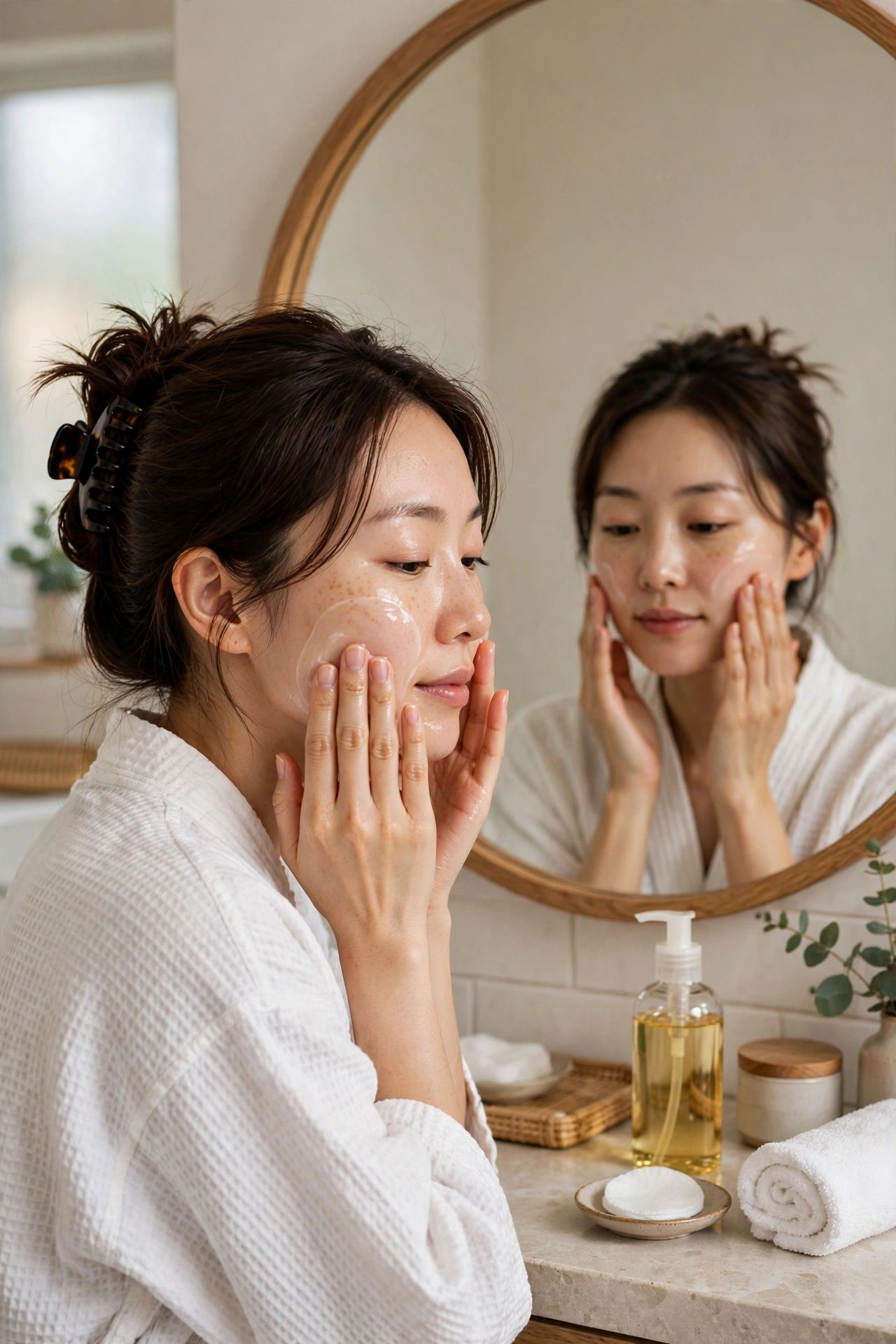
The double cleansing method explained — how oil + water-based cleansers clear pores, prevent breakouts and boost glow. Full routine for every skin type.
Read More arrow_forward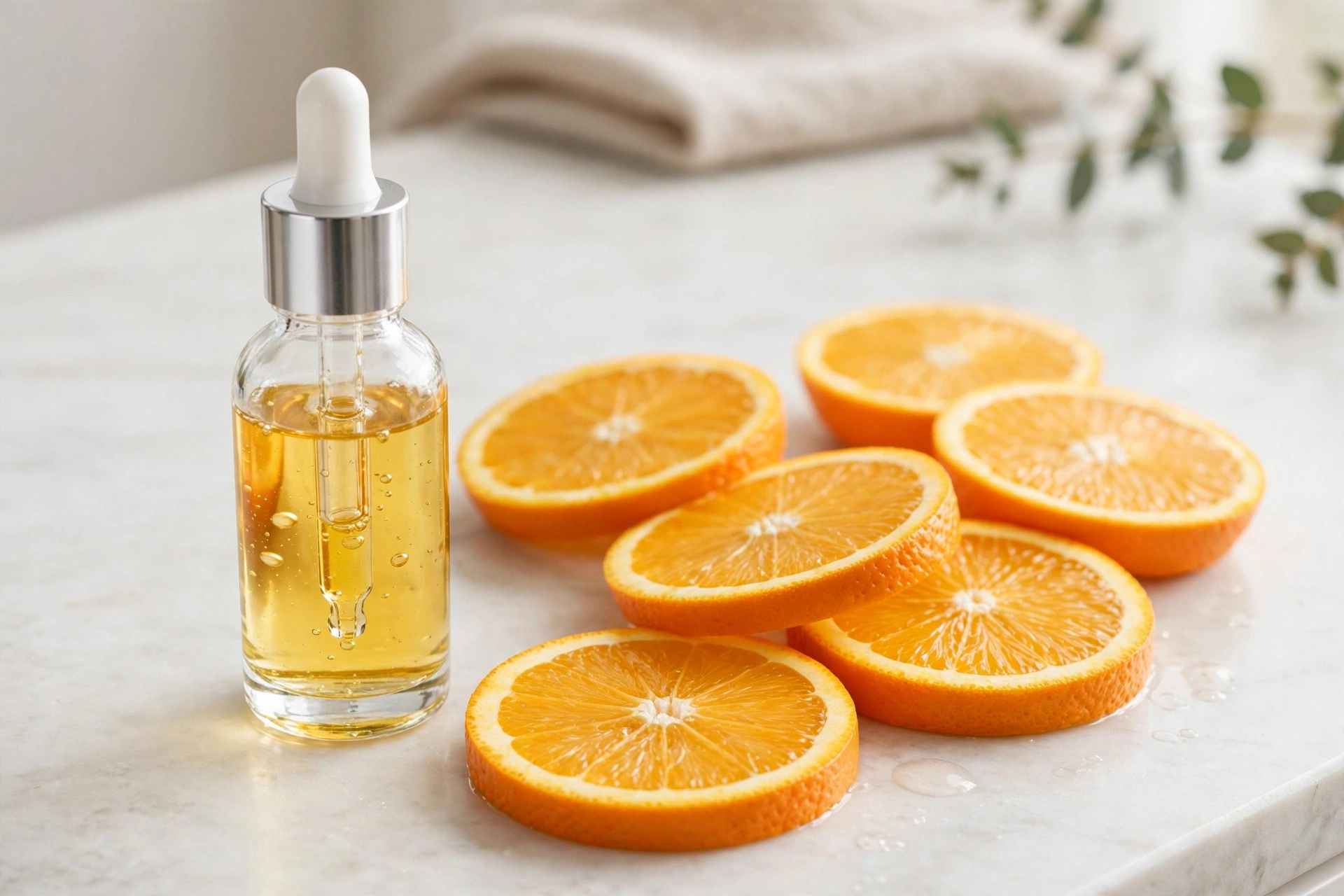
The best vitamin C serums for glowing skin in 2026 — how to choose the right formula, how to layer it, and what to avoid.
Read More arrow_forwardCalculate your Body Mass Index (BMI) in seconds. BMI is a quick screening number…
Use now arrow_forwardFind your daily calorie needs based on your age, sex, height, weight and activit…
Use now arrow_forwardFind how much water you should drink each day, in litres and glasses, based on y…
Use now arrow_forward