Niacinamide Serum Benefits: How to Use It for Pores, Oil and Dark Spots (2026 Guide)
Niacinamide serum benefits explained — how it minimizes pores, controls oil and fades dark spots, plus how to use it correctly in 2026.
Read More arrow_forwardHyaluronic acid serum guide — how it hydrates skin, the damp-skin rule, molecular weights explained, and the best formulas for 2026.
Hyaluronic acid is the most famous hydrator in skincare — and also one of the most misunderstood. It shows up in everything from $8 drugstore serums to $80 luxury drops, usually with the claim that it "holds 1,000 times its weight in water." That statistic is real, but it has spawned a decade of confusion: people applying hyaluronic acid serum to bone-dry skin in arid climates, then wondering why their face feels tighter instead of plumper.
Here is the truth: hyaluronic acid is a humectant, which means it pulls water toward itself — from the air, from the deeper layers of your skin, or from the dampness you deliberately leave on your face after cleansing. Which direction the water flows determines whether your serum hydrates or dehydrates you. Get the technique right and hyaluronic acid is genuinely one of the best-value ingredients in skincare; get it wrong and it is just expensive water that evaporates.
This 2026 guide covers everything: what hyaluronic acid actually does in the skin, the molecular-weight science that separates good formulas from mediocre ones, the damp-skin rule, exact layering order with other actives, how to choose the best hyaluronic acid serum for your skin type, and the mistakes that make this beloved ingredient backfire.
Hyaluronic acid (HA) is a glycosaminoglycan — a long-chain sugar molecule that occurs naturally throughout the human body, with roughly half of the body's supply residing in the skin. In young, healthy skin, it sits in the dermis acting like a water reservoir, keeping tissue hydrated, cushioned, and resilient. It also plays roles in wound healing and tissue repair, which is why dermatologists have studied it for decades beyond cosmetics — it is used in dermal fillers, eye surgery, and joint injections.
The catch: the skin's natural hyaluronic acid content declines with age, with studies estimating a significant drop by middle age. Less hyaluronic acid means less water held in the skin, which translates directly to the visible signs we associate with dehydrated aging skin — fine lines that look worse by afternoon, a dull or papery texture, and makeup that settles into every crease.
Topical hyaluronic acid cannot replace the deep dermal supply (the molecules are mostly too large to penetrate that far), but it does something extremely useful at the surface: it draws water into the upper layers of the skin and holds it there, plumping the stratum corneum, smoothing the appearance of fine dehydration lines, and creating the hydrated base that makes every product layered on top perform better. Research published on PubMed Central has documented measurable improvements in skin hydration and elasticity from topical hyaluronic acid formulations.
One more thing worth knowing: despite the word "acid," hyaluronic acid is not an exfoliating acid. It does not dissolve dead skin cells like glycolic or salicylic acid. The name is a chemistry technicality — in skincare behavior, it is a gentle hydrator suitable for nearly everyone, including sensitive skin. If your skin barrier is compromised and everything stings, read our guide on how to repair a damaged skin barrier first — hydrating a broken barrier is step one, and HA is an ideal ingredient for the job.
Not all hyaluronic acid is the same, and this is where product quality genuinely diverges. Hyaluronic acid molecules come in different sizes, measured in Daltons (Da), and size determines where in the skin each molecule can act:
Large molecules that sit on the skin's surface, forming a breathable hydrating film. They are excellent at preventing transepidermal water loss (TEWL) — water evaporating out of your skin — and they give that immediate smooth, cushioned feel. Most of the hyaluronic acid in basic serums is this type.
Penetrates slightly into the upper epidermis, contributing to hydration a layer or two down. A good supporting player.
Small fragments that can reach deeper into the epidermis. Research suggests these smaller weights may do more than hydrate — some studies link them to signaling effects that support skin repair and elasticity. This is the premium tier of HA formulation.
The best hyaluronic acid serums in 2026 use multi-weight (multi-molecular-weight) formulas — blends of high, medium, and low molecular weight HA, sometimes listed as "sodium hyaluronate crosspolymer," "hydrolyzed hyaluronic acid," or "sodium acetylated hyaluronate." A serum advertising "5 types of hyaluronic acid" or "triple-weight HA" is signaling exactly this.
Ignore the percentage wars. A 2% multi-weight formula will outperform a 5% single-weight formula in real hydration performance. More importantly, very high concentrations of pure HA can feel sticky and may actually draw water less efficiently — formulation quality beats raw percentage every time. Also check what else is in the bottle: the best formulas pair HA with glycerin, panthenol (vitamin B5), ceramides, or niacinamide, which support the barrier while HA hydrates.
This is the single most important section of this guide. Hyaluronic acid is a humectant — it grabs water from wherever it can find it. Applied to damp skin, it pulls that surface water into your skin and locks it in: hydration. Applied to completely dry skin in a dry environment, there is no surface water to grab, so it can pull moisture upward from the deeper layers of your skin instead — and then that moisture evaporates. The result is the paradox of hyaluronic acid making skin feel drier.
Cleanse as normal.
Do not towel-dry completely — leave your face visibly damp, or mist with water or a hydrating toner.
Apply 3–4 drops (or 1–2 pumps) of hyaluronic acid serum to the damp skin, pressing gently.
Within 60 seconds, seal with moisturizer — this is non-negotiable. The moisturizer's occlusive ingredients trap the water the HA has gathered.
In the morning, finish with sunscreen.
That sealing step is what most routines miss. Hyaluronic acid without a moisturizer on top is like filling a bucket with a hole in it. This damp-skin-then-seal approach mirrors standard dermatology advice — the American Academy of Dermatology likewise recommends applying moisturizer to damp skin to lock in hydration. In dry or air-conditioned climates, or in winter when indoor heating drops humidity below 30 percent, sealing becomes even more critical — consider running a humidifier at night if your skin is chronically dehydrated despite good products.
If you live somewhere arid, layer a hydrating toner or essence under your HA serum to guarantee there is water available on the surface, and choose a richer moisturizer to seal. Some people in desert climates prefer applying HA serum, then immediately layering a facial oil or a ceramide cream over it. The principle never changes: water first, humectant second, occlusive seal third.
Hyaluronic acid plays well with almost everything, which is why it earns a permanent slot in most routines. The general rule is thinnest to thickest, and water-based before oil-based:
Morning routine: cleanser → hydrating toner (optional) → hyaluronic acid serum on damp skin → vitamin C serum (or other treatment) → moisturizer → sunscreen. HA and vitamin C are a superb pair — hydration plus antioxidant protection.
Evening routine: cleanser → hydrating toner (optional) → hyaluronic acid serum on damp skin → treatment serum (retinoid, exfoliating acid, or peptide serum) → moisturizer → facial oil (optional).
This combination is genuinely synergistic. Retinoids can cause dryness and flaking, especially in the adjustment weeks; hyaluronic acid buffers that dehydration without interfering with the retinoid's action. Apply HA first on damp skin, wait a minute, then apply your retinoid, then moisturize. If you are choosing between retinoid types, our retinal vs retinol guide breaks down which strength suits your skin.
Apply vitamin C first (it prefers a lower pH and direct skin contact), then HA, then moisturizer. Or simplify: many modern vitamin C serums already include hyaluronic acid in the formula.
No conflict whatsoever — niacinamide and HA are frequently formulated together. Niacinamide supports the barrier and regulates sebum while HA hydrates, making the pair excellent for oily-but-dehydrated skin.
Apply the exfoliant first on dry skin, wait a few minutes, then dampen slightly and apply HA. Do not apply strong acids and HA simultaneously in a panic-layer — give the acid its moment, then hydrate.
Peptide serums like copper peptides or PDRN formulas layer beautifully over or under HA. If you are exploring regenerative ingredients beyond hydration, our guide to PDRN serum benefits covers the salmon-DNA ingredient that has become 2026's other big hydration-and-repair story.
With hundreds of options, here is the decision framework:
Choose a lightweight, water-based serum — ideally oil-free and non-comedogenic. A simple multi-weight HA with glycerin and panthenol is perfect; you do not need a rich formula. Seal with a gel moisturizer rather than a heavy cream. HA will not clog pores — dehydration, on the other hand, can trigger excess oil production as the skin overcompensates, so oily skin needs hydration too.
Choose a serum that pairs HA with barrier-supporting ingredients — ceramides, squalane, or cholesterol — and seal with a cream moisturizer. Consider layering two hydrating steps (toner plus serum) in winter. Dry skin benefits enormously from consistent HA use because the ingredient directly addresses the water deficit at the heart of dryness.
Choose fragrance-free formulas with short ingredient lists. Pure hyaluronic acid is one of the least irritating actives in skincare, which is why it is a staple in routines for reactive skin. Our roundup of fragrance-free skincare for sensitive skin includes several HA serums that meet this bar.
Choose multi-weight formulas with low molecular weight HA or oligo-HA, and look for supporting ingredients like peptides or niacinamide. Manage expectations honestly: HA plumps dehydration lines beautifully but does not rebuild collagen — for structural firmness, pair it with retinoids or volumizing treatments. Our guide to Volufiline for lips and cheeks covers a complementary option for volume loss.
Here is the industry's open secret: hyaluronic acid is a cheap raw ingredient, and excellent serums exist at every price point. A well-formulated $10 serum with multi-weight HA, glycerin, and panthenol will hydrate as well as a $70 one for most people. Pay more only for genuinely superior formulation — better weight blends, elegant texture, thoughtful supporting ingredients — not for the brand name or the percentage on the label.
Applying to dry skin in dry air. The number one mistake — covered above. Damp skin, always, then seal.
Skipping moisturizer. HA is not a moisturizer by itself; it is a hydration step that needs an occlusive seal. Serum alone, especially in air conditioning, can leave skin worse off.
Using too much. Three to four drops cover the whole face. Flooding the skin with a thick layer increases stickiness without increasing hydration — and wastes product.
Expecting it to replace drinking water. Topical HA hydrates the skin's surface layers; it does not hydrate you systemically. Drink water for your body, use HA for your skin — they are different jobs.
Layering it over heavy occlusives. If you apply a thick balm or facial oil first, the water-based HA serum cannot reach damp skin underneath. Water-based always goes before oils and balms.
Judging it after one use in winter. HA needs consistent use and proper sealing to show results. Give any new serum two to three weeks of correct technique before deciding it "doesn't work."
Ignoring the rest of the barrier. HA hydrates, but if your barrier is damaged — over-exfoliated, raw, stinging — hydration alone will not fix it. Barrier repair with ceramides and cholesterol comes first; HA supports the process. If you want to go deeper on the science, DermNet NZ publishes excellent dermatologist-reviewed explainers on how humectants, emollients, and occlusives each work in a moisturizer.
Keep a facial mist on your vanity. A quick spritz before serum guarantees damp skin even if you towel-dried a minute ago. Thermal spring water or plain purified water both work.
Apply within 60 seconds of cleansing. The "golden minute" after washing is when skin is naturally damp and most receptive. Do not cleanse, scroll your phone for ten minutes, then apply serum to a dry face.
Press, don't rub. Gently press the serum into damp skin with palms rather than dragging it. Less friction, better absorption, happier skin.
Extend it to neck and chest. These areas show dehydration and aging just as fast as the face and are chronically neglected. Two extra drops cover the neck and upper chest.
Use it twice daily. HA is gentle enough for morning and night use — there is no "too much" frequency concern, only technique concerns.
In summer humidity, you can go lighter on the seal. When ambient humidity is high, HA has abundant water to draw from the air, and a lightweight gel moisturizer suffices. Adjust your seal to the season.
Store it properly. Keep serum away from direct sunlight and heat; a cool, dark drawer is fine. Refrigeration is unnecessary but harmless.
Patch-test new formulas. Even gentle ingredients can occasionally react with individual skin — test on the jawline for 24 hours before full-face use, especially with sensitive skin.
It can feel that way if misused. As a humectant, HA pulls water toward itself — if your skin is dry and the air is dry, it may draw moisture from deeper skin layers that then evaporates. The fix is the damp-skin rule: apply to damp skin and seal with moisturizer within a minute. Used correctly, HA is one of the most reliably hydrating ingredients in skincare.
There is no magic number. Most effective serums contain 0.5% to 2% hyaluronic acid in multi-weight blends. Higher is not automatically better — very high concentrations can feel sticky and may perform worse. Judge a serum by its weight blend (high, medium, and low molecular weight) and its supporting ingredients, not by the percentage on the front label.
Yes — they are an excellent combination. Retinol can cause dryness and peeling, and hyaluronic acid counteracts exactly that without reducing retinol's effectiveness. Apply HA to damp skin first, wait about a minute, then apply retinol, then seal with moisturizer. This buffering technique makes retinoids tolerable for many people who otherwise quit during the adjustment phase.
Topical hyaluronic acid is generally considered safe during pregnancy — it is a substance the body produces naturally, it is non-irritating, and minimal systemic absorption occurs. That said, always check with your own doctor about any skincare ingredient during pregnancy, since individual circumstances vary.
Surface hydration effects — plumper, smoother-feeling skin — are often visible within days of correct use. Improvements in fine dehydration lines typically take two to four weeks of consistent twice-daily application. HA does not remodel collagen, so set expectations around hydration and texture rather than structural lifting.
Absolutely — it is one of the best makeup-prep steps. Well-hydrated skin holds foundation more evenly and prevents the cakey, crease-settling look of dehydrated skin. Let the serum absorb for a minute, apply moisturizer, wait another minute or two, then proceed with primer or SPF and makeup.
Sodium hyaluronate is the salt form of hyaluronic acid — it is what is actually in most serums, because it is more stable and penetrates slightly better than pure hyaluronic acid. On an ingredient list, "sodium hyaluronate" is the label-friendly version of the same hydrating molecule. Hydrolyzed hyaluronic acid and sodium acetylated hyaluronate are smaller, modified versions used for deeper delivery.
Both — but adjust your technique. In humid summers, HA thrives: abundant airborne moisture means you can use a lighter sealing moisturizer. In dry winters with indoor heating, HA needs more help: apply to extra-damp skin, consider a hydrating toner underneath, and seal with a richer cream. The ingredient works year-round; the supporting routine changes with the season.
Hyaluronic acid is a humectant that holds up to 1,000 times its weight in water, drawing moisture into the skin's upper layers to plump and smooth.
The damp-skin rule is everything: apply HA to damp skin and seal with moisturizer within 60 seconds, or it can pull water out of your skin instead.
Multi-weight formulas (high, medium, and low molecular weight HA) outperform single-weight serums regardless of percentage — ignore the percentage wars.
HA layers well with nearly everything: apply before retinoids to buffer dryness, after vitamin C, and alongside niacinamide and peptides without conflict.
Choose by skin type — lightweight and oil-free for oily skin, barrier-supporting blends for dry skin, fragrance-free for sensitive skin — and do not overpay; excellent HA serums exist at every price.
Common mistakes: applying to dry skin, skipping moisturizer, using too much product, and layering it over heavy oils.
Hyaluronic acid earned its fame honestly — few ingredients hydrate as effectively, tolerate as many skin types, and play as nicely with other actives. But its reputation has suffered from a decade of bad technique: dry-skin application, skipped moisturizers, and percentage marketing that obscures what actually matters in a formula.
The fix is refreshingly simple. Damp skin, three to four drops of a good multi-weight serum, moisturizer within the minute. Do that twice a day and hyaluronic acid does exactly what the label promises — plumper, smoother, more resilient skin that makes everything else in your routine work better.
Pick a well-formulated serum at whatever price feels comfortable, master the damp-skin rule, and let this quiet workhorse do what it does best. Your skin's water reservoir will thank you — visibly, within weeks.
Niacinamide serum benefits explained — how it minimizes pores, controls oil and fades dark spots, plus how to use it correctly in 2026.
Read More arrow_forward
Best sunscreens of 2026 — mineral vs chemical compared, how to choose for your skin type, and the reapplication rules most people get wrong.
Read More arrow_forward
Salicylic acid for acne — how this BHA unclogs pores, clears blackheads and prevents breakouts. Usage guide, percentages and best formulas.
Read More arrow_forward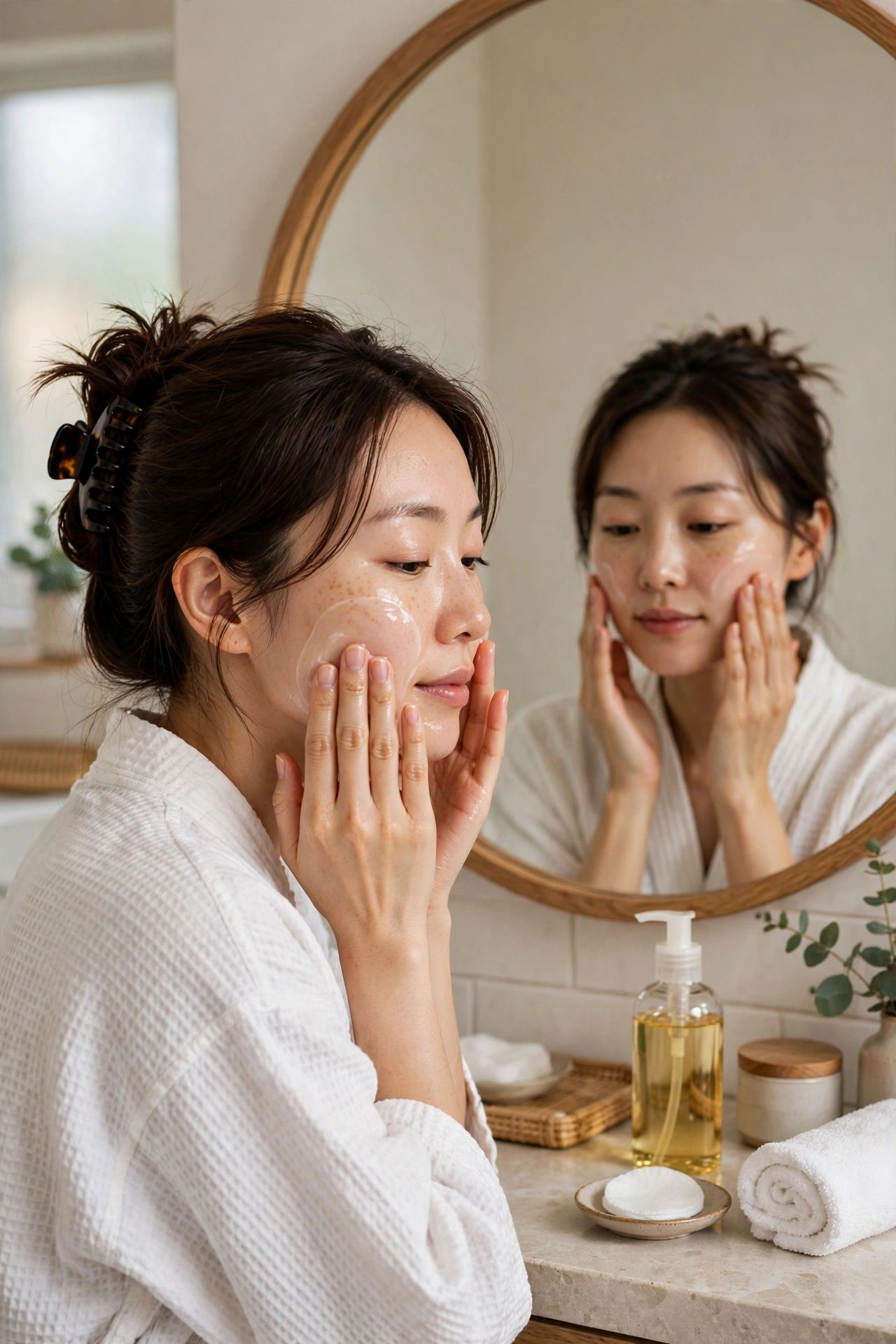
The double cleansing method explained — how oil + water-based cleansers clear pores, prevent breakouts and boost glow. Full routine for every skin type.
Read More arrow_forward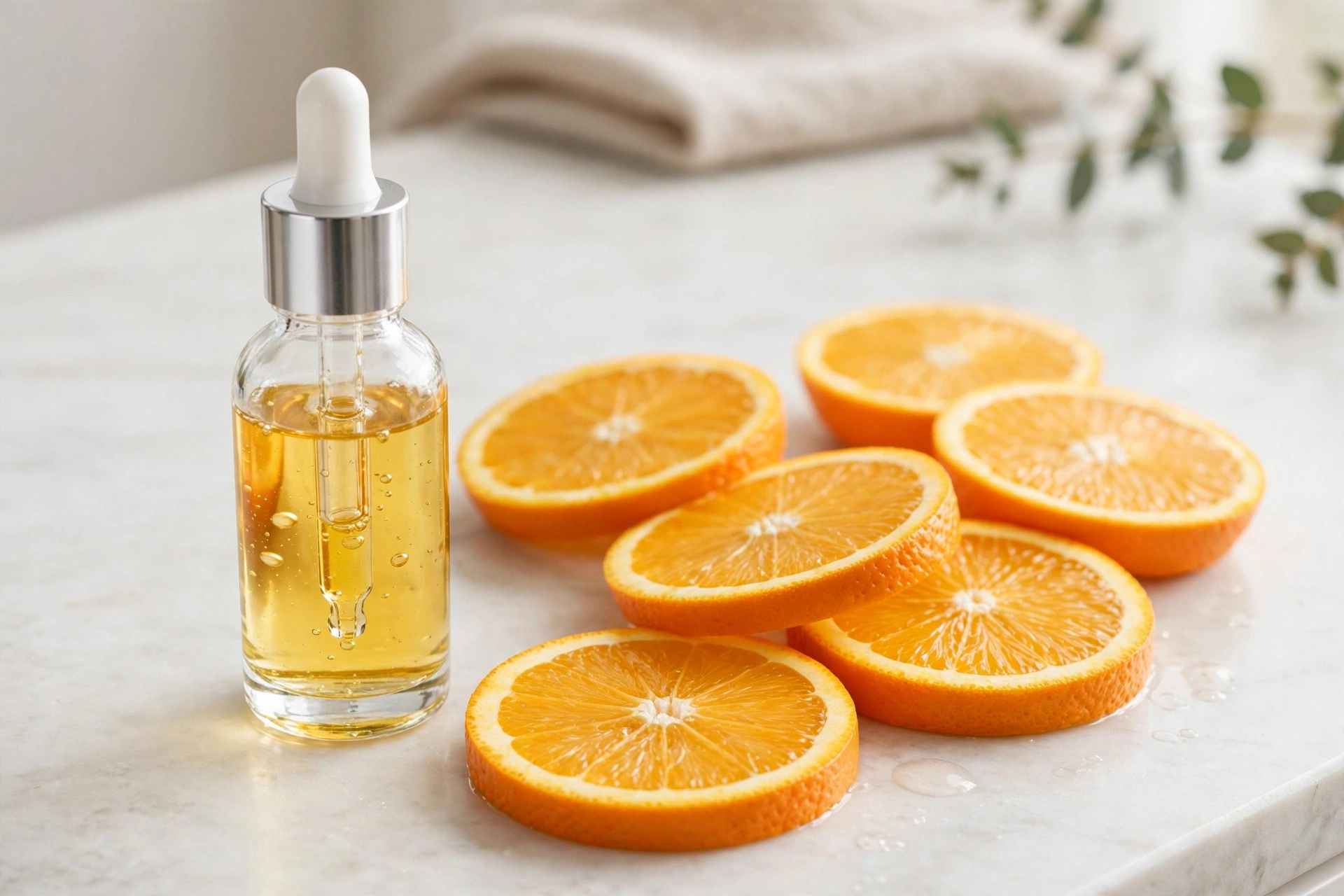
The best vitamin C serums for glowing skin in 2026 — how to choose the right formula, how to layer it, and what to avoid.
Read More arrow_forwardCalculate your Body Mass Index (BMI) in seconds. BMI is a quick screening number…
Use now arrow_forwardFind your daily calorie needs based on your age, sex, height, weight and activit…
Use now arrow_forwardFind how much water you should drink each day, in litres and glasses, based on y…
Use now arrow_forward