Best Sunscreens 2026: Mineral vs Chemical and How to Pick Yours
Best sunscreens of 2026 — mineral vs chemical compared, how to choose for your skin type, and the reapplication rules most people get wrong.
Read More arrow_forwardNiacinamide serum benefits explained — how it minimizes pores, controls oil and fades dark spots, plus how to use it correctly in 2026.
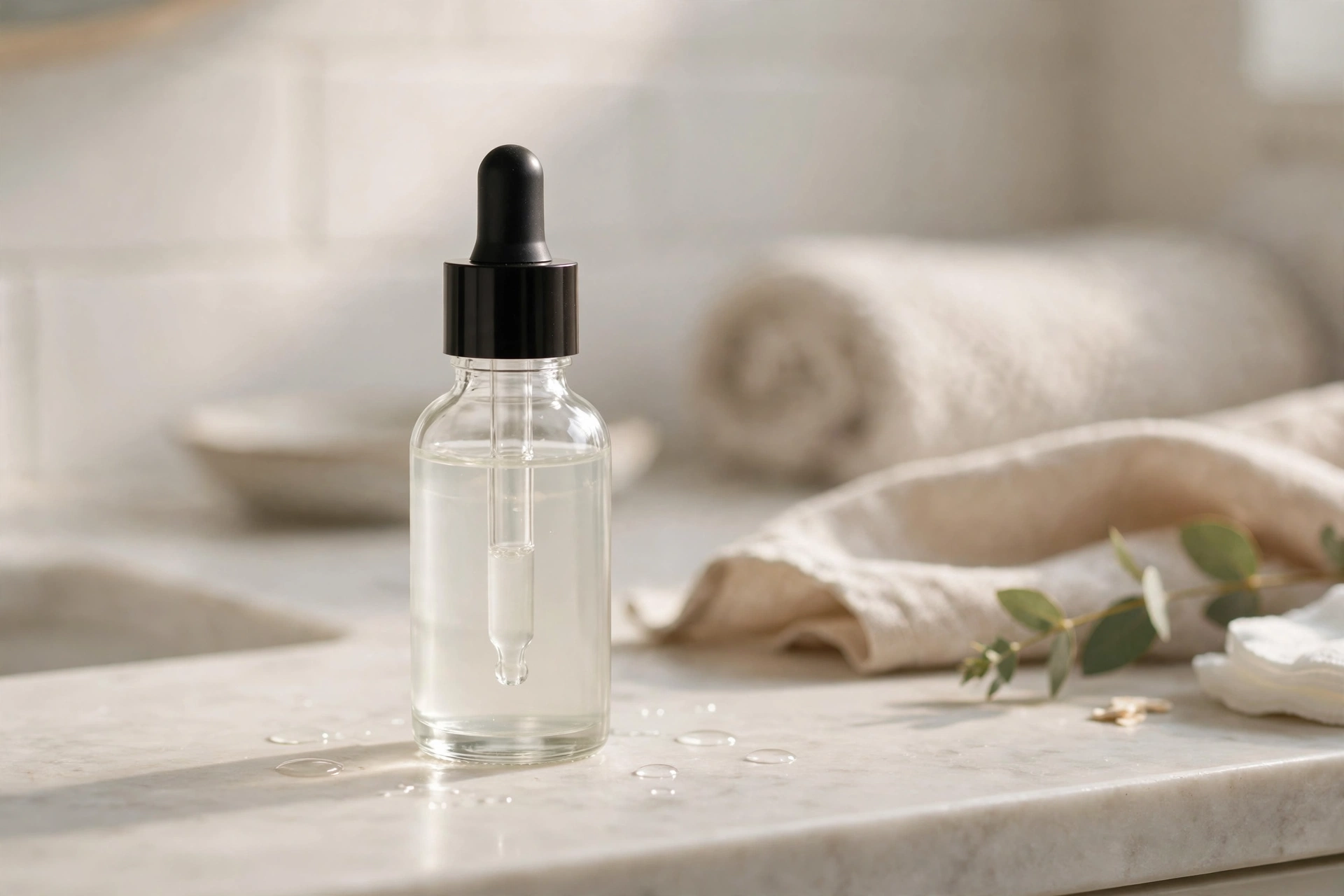
Few skincare ingredients earn their hype as honestly as niacinamide does. While many trendy actives flash across social media and fade within a season, niacinamide serum benefits have been documented in dermatological research for decades — and the ingredient keeps winning over oily, congested, and uneven skin tones year after year. If your pores look enlarged by midday, your T-zone turns shiny no matter what primer you use, or old acne marks refuse to fade, this is the ingredient your routine has been missing.
In this complete 2026 guide, we break down exactly how niacinamide works at the cellular level, which concentration actually delivers results, how to layer it with the rest of your routine, and the mistakes that stop people from seeing the payoff. By the end, you will know how to use a niacinamide serum correctly for visible, lasting change in your pores, oil production, and dark spots.
Niacinamide is a form of vitamin B3 (nicotinamide), a water-soluble vitamin that plays a critical role in cellular energy metabolism. In skin, it acts as a precursor to NAD+ and NADP+ — coenzymes that power DNA repair, cell turnover, and the synthesis of ceramides and fatty acids that make up your skin barrier. This is why niacinamide is not just a "brightening" ingredient; it is a foundational skin-function ingredient.
Research published on the National Center for Biotechnology Information (NCBI) has shown that topical niacinamide at concentrations of 2–5% improves skin barrier function by increasing ceramide and free fatty acid levels in the stratum corneum, reducing transepidermal water loss, and calming inflammation. In plain terms: stronger barrier, less redness, less water escaping from your skin, and a healthier environment for everything else in your routine to work properly.
Unlike harsh acids that force change through controlled damage, niacinamide works with your skin's biology. It does not exfoliate, so there is no peeling or stinging during the adjustment period for most people. That gentleness is part of why dermatologists recommend it so often — including through guidance published by the American Academy of Dermatology (AAD) on managing common concerns like enlarged pores and uneven tone.
You will see niacinamide serums ranging from 5% to 20%. Here is the honest breakdown:
2–5%: Effective for barrier support, hydration, and mild redness. Great for sensitive skin or beginners.
5–10%: The sweet spot backed by the most clinical evidence for pores, oil control, and dark spots. This is where most people should start and stay.
10–20%: Can deliver stronger results for stubborn hyperpigmentation, but higher is not always better — some people experience irritation, flushing, or dryness above 10%.
If you are new to niacinamide, start with a 10% serum and use it once daily for two weeks before deciding whether to go to twice daily. More product, more often, is not a shortcut — consistency over 8–12 weeks is what the studies measure, and that is when most people see their pores look tighter and dark spots visibly lighter.
Let us be clear about one thing no serum can do: shrink your pores permanently. Pore size is largely genetic and determined by your skin type and age. But "minimize" is not a marketing word here — it is a visible, achievable outcome, and niacinamide achieves it through three mechanisms.
First, by regulating sebum production, niacinamide keeps pores from stretching under the weight of excess oil and oxidized sebum plugs. A pore packed with oxidized oil looks darker and larger; keep it clear and it looks refined. Second, niacinamide improves skin elasticity by supporting collagen-adjacent structural proteins, so the skin around each pore stays firm rather than slack — slack skin makes pores look bigger, especially on the cheeks and nose as we age. Third, its anti-inflammatory action calms the micro-irritation that makes pores appear rough and textured.
Pair this with proper cleansing and you compound the effect. If your pores are also dealing with congestion and blackheads, consider pairing your niacinamide with gentle exfoliation — and if your skin feels tight, rough, or reactive underneath it all, read our guide on how to repair a damaged skin barrier first, because actives work poorly on a compromised barrier.
Expect the first subtle changes around week 3–4: makeup sits better, pores look less "open" in photos. The meaningful, comment-worthy difference typically lands between weeks 8 and 12 of daily use. Photograph your bare skin in the same lighting every two weeks — our brains adapt to gradual change and you will underestimate your progress without a record.
Oily skin is not a curse to punish with harsh astringents — it is usually skin overproducing sebum because it is dehydrated, barrier-compromised, or hormonally driven. Niacinamide addresses oil at the source: studies show it downregulates sebaceous gland activity, reducing sebum excretion rates measurably after a few weeks of use.
The crucial difference between niacinamide and oil-control products like alcohol toners or clay masks is that niacinamide reduces oil while strengthening the barrier. Stripping products trigger rebound oiliness — your skin panics and produces more oil to compensate. Niacinamide tells the glands to calm down while keeping hydration intact, so you get matte that lasts instead of a cycle of tight-then-greasy.
If your skin is very oily, apply niacinamide serum to slightly damp skin after cleansing and before moisturizer. Damp skin improves penetration of water-soluble actives. You can use it both morning and evening. In the morning, follow with a lightweight gel moisturizer and sunscreen — niacinamide does not replace sunscreen, and UV exposure worsens the dark spots you are trying to fade. For product recommendations that will not clog oily or sensitive skin, see our roundup of the best fragrance-free skincare products for sensitive skin.
A common mistake: layering niacinamide under heavy occlusive creams and then blaming the serum for breakouts. If you are acne-prone, keep the rest of your routine light and non-comedogenic, and give the serum 4–6 weeks before judging.
Niacinamide lightens dark spots through a mechanism different from vitamin C or hydroquinone: it inhibits the transfer of melanosomes (melanin packages) from melanocytes to surrounding skin cells. The pigment is still produced, but less of it reaches the visible surface layers. This makes niacinamide one of the safest long-term options for melasma-prone and post-inflammatory hyperpigmentation (PIH) — the dark marks left after acne heals.
Clinical comparisons have found 4–5% niacinamide comparable to 4% hydroquinone for melasma improvement, without hydroquinone's irritation and rebound risks. For everyday dark spots and acne marks, the 10% serums most people buy deliver visible fading in 8–12 weeks when paired with diligent sunscreen use. No brightening ingredient can outrun unprotected sun exposure — SPF 30+ every morning is non-negotiable.
Niacinamide plays well with most brightening actives, which is rare and valuable:
With vitamin C: Safe to use together despite old myths. Apply vitamin C in the morning (antioxidant protection) and niacinamide in the evening, or layer vitamin C first, wait a minute, then niacinamide. If you want to explore vitamin C in depth, our guide to the best vitamin C serums for glowing skin covers formulas and layering in detail.
With alpha arbutin or tranexamic acid: Excellent combination for stubborn dark spots — they attack pigmentation through complementary pathways.
With retinoids: Use niacinamide in the morning and retinoid at night, or apply niacinamide first as a buffer. It actually reduces retinoid irritation. For help choosing between retinoid strengths, see our retinal vs retinol comparison for wrinkles.
With AHAs/BHAs: Alternate nights rather than stacking, especially if your skin is sensitive. Exfoliating acids plus niacinamide in one routine can cause flushing in reactive skin.
Because niacinamide boosts ceramide production, it measurably strengthens the skin barrier. People with rosacea-prone or easily flushed skin often find their baseline redness calms within a month. This barrier benefit is also why niacinamide is a smart companion to stronger actives — it raises your skin's tolerance ceiling.
Long-term niacinamide use supports collagen production and improves dermal structure, softening fine lines — particularly the dehydration-etched lines around the eyes and mouth. It will not replace retinoids for deep wrinkles, but as a daily maintenance active it keeps texture smooth and resilient. If dark circles and puffiness are your main eye concern rather than lines, our review of the best caffeine eye serums for dark circles and puffiness pairs well with a niacinamide routine.
By regulating sebum, calming inflammation, and supporting barrier function, niacinamide reduces the frequency of clogged pores and inflammatory breakouts. It is not a spot treatment — do not expect it to zap an active pimple overnight — but as a daily preventive it meaningfully lowers breakout frequency for oily and combination skin.
Cleanser — gentle, pH-balanced; no need for harsh foaming cleansers.
Niacinamide serum — 3–4 drops or a pea-sized amount, pressed into slightly damp skin.
Moisturizer — lightweight gel or lotion for oily skin; richer cream for dry skin.
Sunscreen SPF 30+ — every single morning. This protects your dark-spot progress.
Double cleanse if you wore sunscreen/makeup (oil cleanser or balm, then gentle cleanser).
Niacinamide serum — same application as morning.
Treatment (optional) — on alternate nights, your exfoliant or retinoid instead of doubling up.
Moisturizer — seal everything in.
If your skin flushes easily, try this: apply a light layer of moisturizer first, wait 60 seconds, then apply niacinamide, then moisturizer again. Buffering slightly reduces penetration but dramatically reduces the chance of niacinamide flush (a temporary redness some people get, especially with high-percentage formulas).
Patch test first. Apply a small amount behind your ear or on your jawline for 48 hours. Niacinamide allergies are rare, but flushing or sensitivity to a formula's other ingredients is possible.
Give it 8–12 weeks. This is the single biggest predictor of success. Most people who say "niacinamide did nothing" used it for two weeks.
Do not mix it with too many actives at once. Introduce one new active at a time, two weeks apart, so you know what is helping and what is irritating.
Store it properly. Niacinamide is stable — no fridge needed — but keep it away from direct sunlight and heat to preserve the formula.
Watch the formula, not just the percentage. A well-formulated 10% serum with soothing ingredients (zinc PCA, panthenol) outperforms a harsh 20% serum. CeraVe and similar dermatologist-developed brands publish their full ingredient lists — read them.
Use enough product. A thin, stingy layer under-doses the active. Three to four drops for the full face is the standard.
Sunscreen is part of the treatment. For dark spots especially, skipping SPF erases weeks of progress in a single sunny afternoon.
Yes — niacinamide is designed for daily, even twice-daily use. It is one of the few actives with no required "rest days." Start once daily for the first two weeks, then move to twice daily if your skin tolerates it well.
Absolutely. The old warning about niacinamide and vitamin C forming niacin (causing flushing) came from outdated studies using unstable, heated formulations. Modern serums are fine together. For maximum benefit, use vitamin C in the morning and niacinamide in the evening, or layer them a minute apart.
Niacinamide itself is non-comedogenic and actually helps prevent clogged pores by regulating sebum. If you break out after starting a niacinamide serum, the culprit is usually another ingredient in the formula (heavy silicones, coconut derivatives) or over-layering with occlusive products. Switch to a simpler formula before blaming niacinamide.
Most studies and user reports converge on 8–12 weeks of consistent daily use for visible fading of post-acne marks and sun spots, always paired with daily sunscreen. Deeper melasma may take 3–6 months. If you see zero change after 12 diligent weeks, consider adding tranexamic acid or consulting a dermatologist.
For most people, no — 10% is the most researched and widely tolerated concentration. But if your skin is very sensitive or rosacea-prone, start with 5% for a month first. Signs it is too strong: persistent flushing, stinging, or new dryness that does not resolve in a week.
Yes, gently. Niacinamide can help with under-eye darkness caused by pigmentation and improve fine lines. Avoid getting it directly in your eyes, and if you have a dedicated eye concern like puffiness, pair it with a targeted formula — see our caffeine eye serum guide for options.
It helps with the dark marks acne leaves behind (post-inflammatory hyperpigmentation) and prevents new breakouts, but it does not remodel indented or pitted scars — those need procedures like microneedling or lasers. For texture-focused repair ingredients, look into PDRN (polydeoxyribonucleotide) serums, which support skin regeneration at the cellular level.
Both is ideal, but if you must choose one, choose morning: its antioxidant and sebum-regulating effects protect and mattify you through the day, and it layers beautifully under sunscreen and makeup.
Niacinamide (vitamin B3) is one of the most evidence-backed skincare ingredients for pores, oil control, and dark spots.
The 5–10% concentration range delivers the best balance of results and tolerability for most people.
It minimizes the appearance of pores by regulating sebum, supporting elasticity, and calming inflammation — it cannot permanently shrink them.
It fades dark spots by blocking melanin transfer to surface skin cells, making it a safe long-term brightening option.
Layer it after cleansing and before moisturizer; it pairs well with vitamin C, retinoids, and hydrating ingredients.
Visible results take 8–12 weeks of consistent use — patience is part of the formula.
Daily SPF 30+ is mandatory, especially when treating dark spots.
Niacinamide serum benefits are not hype — they are some of the best-documented effects in cosmetic dermatology. Fewer visible pores, calmer oil production, fading dark spots, a stronger barrier, and smoother texture, all from a single affordable ingredient that suits nearly every skin type. The formula for success is simple: pick a well-formulated 5–10% serum, apply it consistently morning and night, wear sunscreen daily, and give it a full 12 weeks.
If you build your routine around these fundamentals rather than chasing every new launch, your skin will thank you — and your 2026 shelfie will have one less half-empty bottle of disappointment on it. Start simple, stay consistent, and let the science do the work.
Best sunscreens of 2026 — mineral vs chemical compared, how to choose for your skin type, and the reapplication rules most people get wrong.
Read More arrow_forward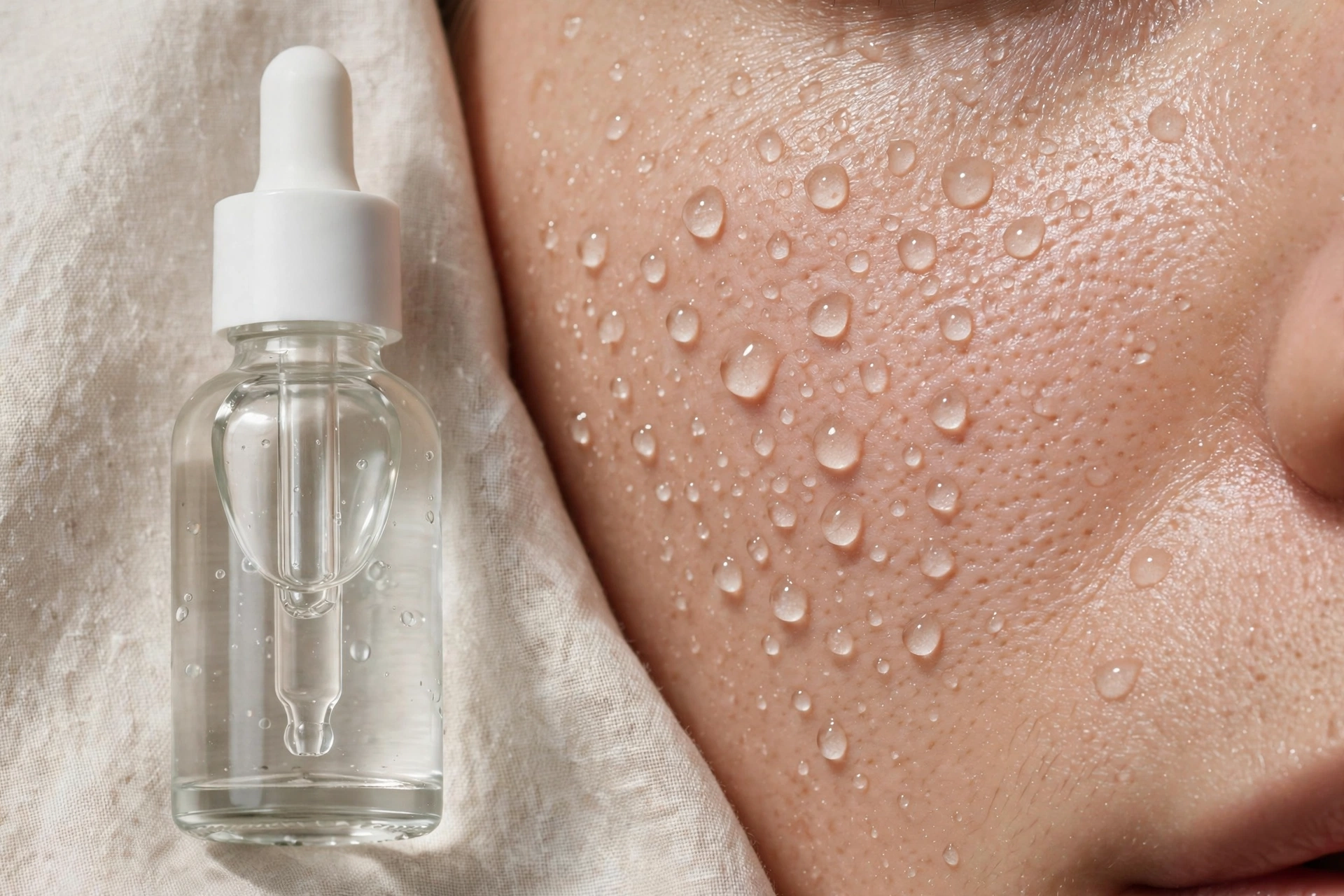
Salicylic acid for acne — how this BHA unclogs pores, clears blackheads and prevents breakouts. Usage guide, percentages and best formulas.
Read More arrow_forward
Hyaluronic acid serum guide — how it hydrates skin, the damp-skin rule, molecular weights explained, and the best formulas for 2026.
Read More arrow_forward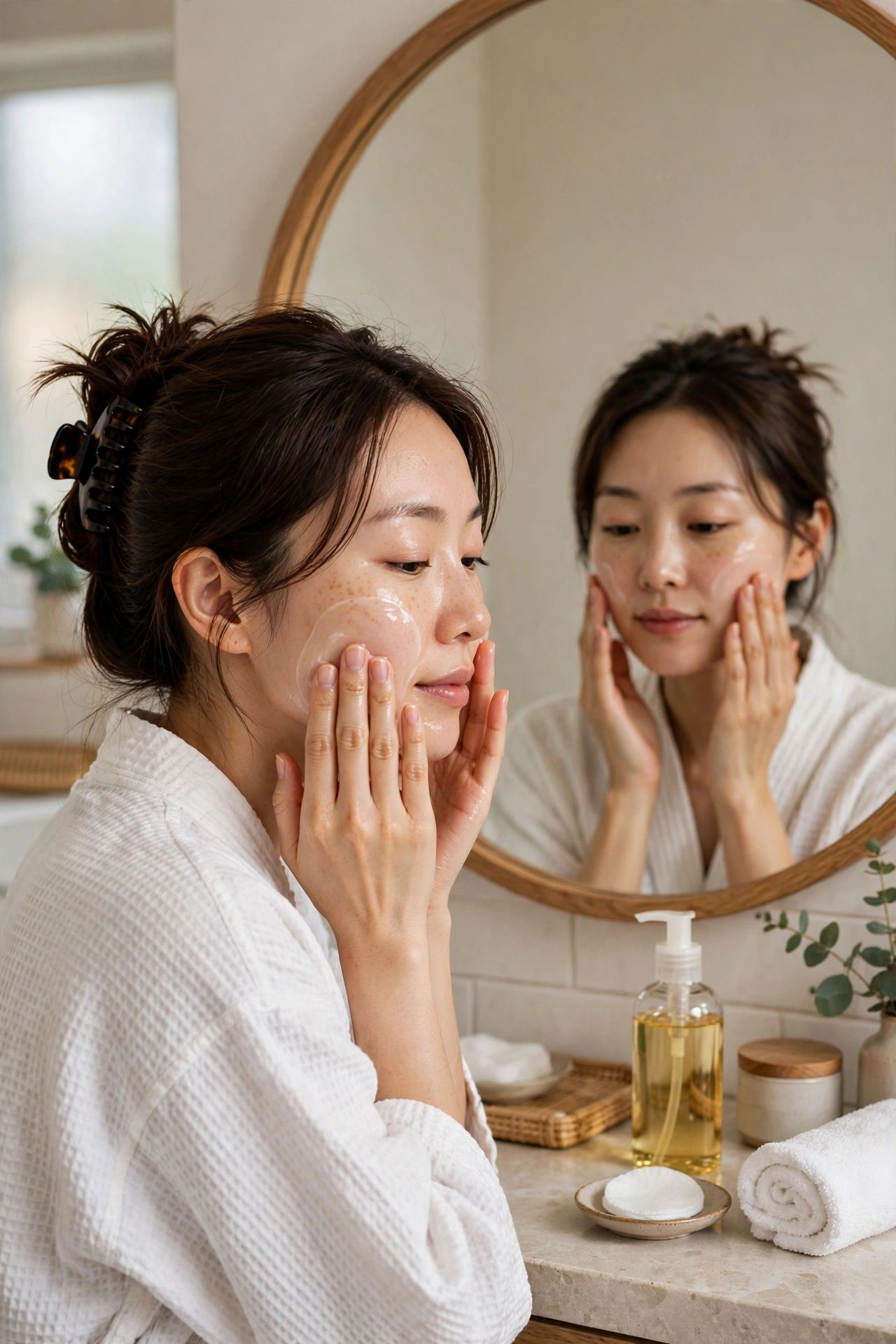
The double cleansing method explained — how oil + water-based cleansers clear pores, prevent breakouts and boost glow. Full routine for every skin type.
Read More arrow_forward
The best vitamin C serums for glowing skin in 2026 — how to choose the right formula, how to layer it, and what to avoid.
Read More arrow_forwardCalculate your Body Mass Index (BMI) in seconds. BMI is a quick screening number…
Use now arrow_forwardFind your daily calorie needs based on your age, sex, height, weight and activit…
Use now arrow_forwardFind how much water you should drink each day, in litres and glasses, based on y…
Use now arrow_forward