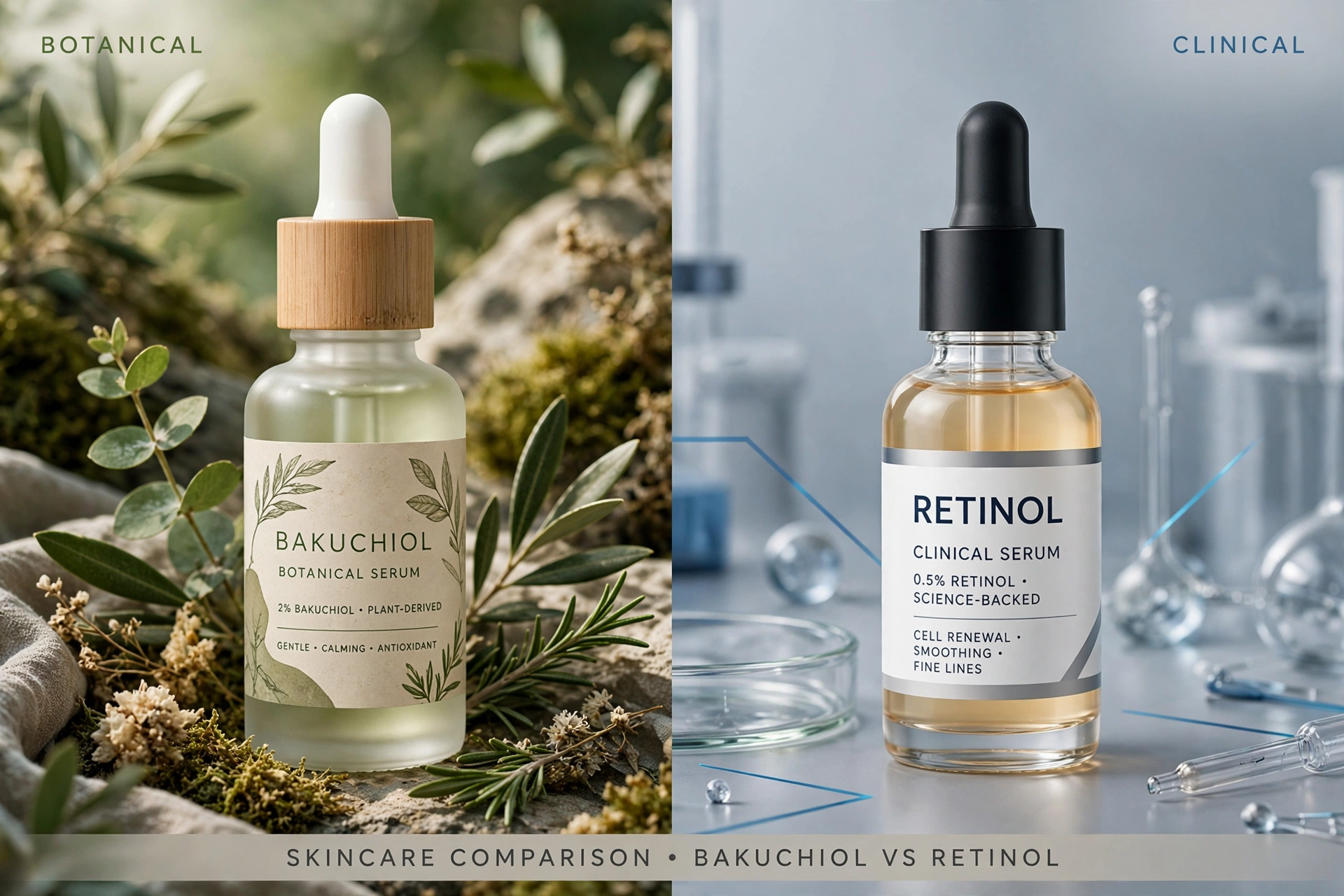
Bakuchiol vs Retinol: Which Anti-Aging Ingredient Is Right for You? (2026)
Bakuchiol vs retinol: compare effectiveness, side effects, and who should use which. Our 2026 guide helps you choose the right anti-aging ingredient.
Read More arrow_forwardAzelaic acid for rosacea and redness explained: how it works, the best 10-20% products of 2026, how to layer it, and what results to expect.
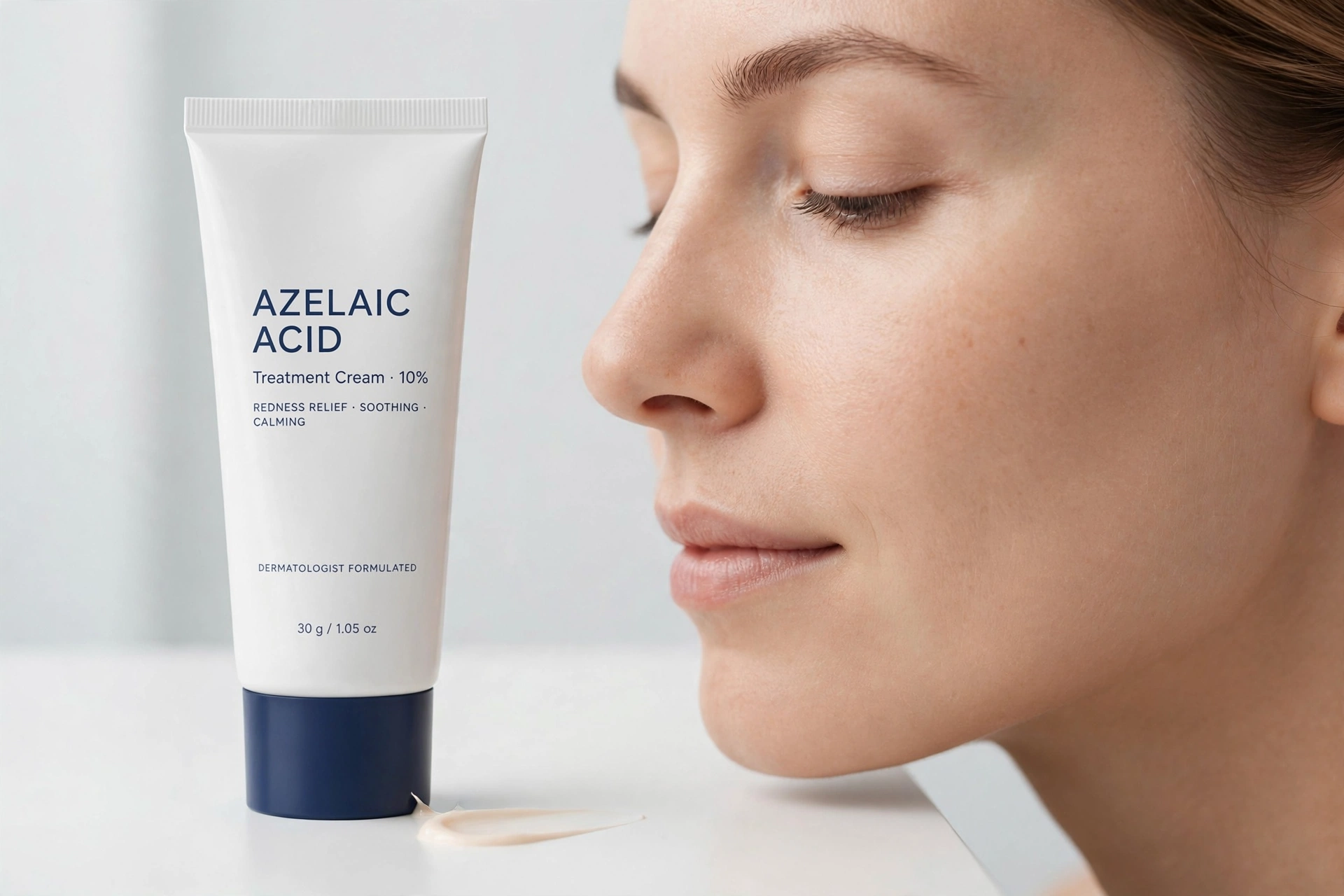
If you have rosacea — or even just persistent facial redness that no "calming" moisturizer seems to touch — you have probably been told to avoid active ingredients entirely. For years, the standard advice for red, reactive skin was to use as little as possible: gentle cleanser, bland moisturizer, sunscreen, done. But there is one active ingredient that dermatologists consistently recommend for rosacea rather than against it: azelaic acid. It calms inflammation, reduces redness, clears the bumps that often come with rosacea, fades post-inflammatory marks, and — unlike most actives — it is genuinely well-tolerated by sensitive, redness-prone skin.
Azelaic acid has quietly become one of the most recommended ingredients in dermatology for rosacea management, with prescription-strength 15-20% formulations used as first-line treatments for years. The over-the-counter 10% versions have made it accessible to everyone, and in 2026 the range of well-formulated options has never been better. This complete guide covers everything: what azelaic acid actually does for rosacea and redness, how it compares to other treatments, the best products at every price point, exactly how to layer it into your routine, what results to realistically expect, and the mistakes that cause people to give up too early.
Azelaic acid is a naturally occurring dicarboxylic acid found in grains like barley, wheat, and rye — and it is also produced naturally by the yeast that lives on healthy human skin. In skincare, it is used in concentrations ranging from 10% (over the counter) to 15-20% (prescription, depending on your country). Despite being classified as an acid, it does not behave like the exfoliating acids most people know. Glycolic acid and salicylic acid work primarily by dissolving the bonds between dead skin cells; azelaic acid's main talents are anti-inflammatory, antimicrobial, and pigment-regulating.
That distinction matters enormously for rosacea-prone skin. Traditional exfoliating acids can trigger flushing and irritation in reactive skin — which is exactly why rosacea sufferers are told to avoid them. Azelaic acid, by contrast, calms the very inflammation that drives rosacea symptoms. It is one of the rare ingredients that treats while it soothes.
Rosacea is a complex condition involving chronic inflammation, an overreactive immune response in the skin, overgrowth of Demodex mites (microscopic organisms that live on everyone's skin but proliferate in rosacea), and visible blood vessel dilation. Azelaic acid addresses several of these mechanisms at once, which is why clinical research supports it so strongly:
Anti-inflammatory action. Azelaic acid suppresses the production of pro-inflammatory cytokines and reduces the activity of reactive oxygen species in the skin. In plain terms, it turns down the internal alarm system that keeps rosacea skin red, hot, and reactive. Multiple clinical trials summarized on ncbi.nlm.nih.gov show significant reductions in inflammatory lesions and erythema (redness) with 15% azelaic acid gel.
Antimicrobial effects. Azelaic acid inhibits the growth of the bacteria and Demodex-associated microbes implicated in rosacea's papules and pustules — those acne-like bumps that appear on rosacea-prone cheeks, nose, and chin. This is a key reason it helps the bumpy subtype of rosacea (papulopustular rosacea), not just the redness.
Redness and visible blood vessels. By calming the underlying inflammation, azelaic acid gradually reduces background redness. It will not erase established visible capillaries (only laser treatments do that), but it meaningfully reduces the diffuse pink-red flush that makes rosacea skin look constantly irritated.
Pigment regulation. Azelaic acid inhibits tyrosinase, the enzyme that drives melanin production — which means it also fades the dark marks and post-inflammatory hyperpigmentation left behind by rosacea flares and bumps. It does this selectively, affecting only overactive melanocytes, so it does not bleach surrounding skin. This makes it one of the safest brightening ingredients for sensitive skin.
Gentle keratolytic effect. At higher concentrations, azelaic acid mildly normalizes how skin cells shed, keeping pores clearer without the harshness of stronger exfoliants. This contributes to smoother texture over time.
Understanding where azelaic acid fits among rosacea treatments helps set expectations and build the right routine:
Vs. metronidazole (prescription). Metronidazole cream/gel has been a rosacea staple for decades. Clinical comparisons generally show 15% azelaic acid performing as well as or slightly better than metronidazole for inflammatory lesions, with the added benefit of helping pigmentation. Many dermatologists now reach for azelaic acid first.
Vs. ivermectin (prescription, Soolantra). Ivermectin targets Demodex mites directly and is highly effective for papulopustular rosacea. Azelaic acid and ivermectin are sometimes used together — they address different mechanisms and complement each other well. If your rosacea is primarily bumpy rather than just red, ask your dermatologist about this combination.
Vs. niacinamide. Niacinamide is azelaic acid's best friend, not its rival. Niacinamide strengthens the barrier and calms redness through a different pathway (boosting ceramide production and reducing inflammation). They layer beautifully together — niacinamide in the morning, azelaic acid at night, or both in the same routine. Our niacinamide serum benefits guide explains why this pairing is a redness-fighting powerhouse.
Vs. vitamin C. Vitamin C brightens and supports collagen but can sting rosacea-prone skin, especially L-ascorbic acid formulas. Azelaic acid offers similar brightening benefits with far better tolerance. If vitamin C irritates you, azelaic acid is the gentler path to the same goals — and our best vitamin C serums guide includes gentler derivatives for those who want to try both.
Vs. retinoids. Retinoids are the gold standard for aging but are notoriously tricky for rosacea — they frequently cause flushing and irritation during the adjustment period. Azelaic acid is far better tolerated and can actually be used alongside a gentle retinoid once skin is accustomed.
10% (over the counter): The sweet spot for most people starting out. Effective for mild-to-moderate redness, general sensitivity, and maintenance. Available without prescription worldwide. Results are real but take a little longer than prescription strengths.
15% (prescription in most countries): The most clinically studied concentration for rosacea — this is the strength used in the majority of rosacea trials. If OTC 10% is not enough after 3 months of consistent use, this is the logical next step via your dermatologist.
20% (prescription): The strongest option, sometimes prescribed for stubborn cases. More effective but also more likely to cause initial tingling and dryness.
Start with 10% unless your dermatologist directs otherwise. You can always step up; you cannot undo the irritation of starting too strong.
Best overall (10%): The Ordinary Azelaic Acid Suspension 10% — the product that introduced most people to the ingredient. Affordable, widely available, and effective. The silicone-heavy texture pills under some products, so it works best as a last-step-before-moisturizer at night. Available at theordinary.com.
Best elegant formula: Paula's Choice 10% Azelaic Acid Booster — a lightweight, layerable formula with salicylic acid and licorice root that plays well under moisturizer and makeup. Pricier, but the texture is far superior for daytime use.
Best for very sensitive skin: Dermatica or Apostrophe-style compounded formulas aside, look for 10% azelaic acid in a cream base with ceramides and no fragrance. Several K-beauty brands now offer azelaic acid paired with centella asiatica, which adds extra calming for reactive skin.
Best prescription-strength: Finacea 15% gel (available by prescription in the US, UK, and EU) remains the clinical gold standard for rosacea. If your redness is moderate to severe, a dermatologist visit for Finacea is genuinely worth it — insurance often covers it for diagnosed rosacea.
Best budget: Beyond The Ordinary, several drugstore brands have launched 10% azelaic acid creams in 2025-2026. Compare ingredient lists: you want azelaic acid high on the list, no denatured alcohol, no heavy fragrance, and ideally some niacinamide or ceramides alongside.
Azelaic acid is versatile — it can be used morning, night, or both. For rosacea management, most dermatologists recommend starting once daily (evening is simplest) and building to twice daily if your skin tolerates it.
Order of application: Cleanser → hydrating toner (optional) → water-based serums (niacinamide, hyaluronic acid) → azelaic acid → moisturizer → sunscreen (morning). Azelaic acid typically goes after lightweight serums and before (or mixed into) moisturizer. Because many 10% formulas have a thick, silicone-like texture, applying it just before moisturizer minimizes pilling.
The sandwich method for sensitive skin: If you experience tingling, apply moisturizer first, wait a minute, then apply azelaic acid on top. This buffers the initial sensation without meaningfully reducing effectiveness. After 2-3 weeks, most people can switch to applying it directly on skin.
Week 1-2: Apply a pea-sized amount every other evening. Expect mild tingling or warmth for 5-15 minutes after application — this is normal and fades as your skin adjusts. If you get persistent burning, redness that worsens, or itching, scale back to twice a week.
Week 3-4: Move to nightly application if the tingling has subsided. You can now try a morning application too, always followed by sunscreen.
Month 2+: Twice-daily use is the clinical standard for rosacea. Maintain consistently — azelaic acid works cumulatively, and stopping resets your progress.
Excellent pairings: Niacinamide (barrier support + extra redness calming), hyaluronic acid or glycerin hydrating layers (counteract any dryness), ceramides (barrier repair — see our guide on how to repair a damaged skin barrier), sunscreen (non-negotiable — rosacea skin is UV-sensitive and sun is a top rosacea trigger).
Use with caution: Direct acids (glycolic, lactic) and strong retinoids in the same routine — layering multiple actives over rosacea-prone skin invites irritation. If you use vitamin C or retinoids, alternate nights rather than stacking. Our salicylic acid guide covers how to keep breakouts under control without overwhelming sensitive skin.
Avoid: Physical scrubs, denatured alcohol toners, and heavily fragranced products — all common rosacea triggers that undermine azelaic acid's calming work. The American Academy of Dermatology's rosacea care guidance lists the full set of triggers worth avoiding.
Azelaic acid rewards patience. Here is what clinical studies and real-world use show:
Weeks 1-2: Mild tingling on application, possibly slight dryness. No visible improvement yet — this is normal.
Weeks 4-6: Early calming. Background redness starts looking less angry; skin feels less reactive to temperature changes and mild triggers. Bumps (if present) begin to reduce.
Weeks 8-12: The turning point. Clinical trials show significant improvement in inflammatory lesions and erythema by week 12 with consistent twice-daily 15% use. Most users report visibly calmer, more even-toned skin and fewer flares.
Months 4-6: Full results. Continued improvement in redness, texture, and post-inflammatory marks. This is maintenance territory — keep using it to hold your gains.
What it will not do: Erase visible spider veins or telangiectasia (those need laser), cure rosacea permanently (it manages, not cures — stopping treatment usually means gradual return of symptoms over weeks to months), or work overnight. Anyone promising instant rosacea reversal is selling something.
While this guide focuses on rosacea, azelaic acid's versatility is worth noting — it is one of the few ingredients that simultaneously addresses multiple concerns, which makes it excellent value:
Acne and clogged pores: Its antimicrobial and mild keratolytic properties make it effective for mild to moderate acne, especially the inflammatory kind. It is a strong option for people who cannot tolerate benzoyl peroxide or strong retinoids.
Melasma and dark spots: Azelaic acid is one of the few brightening ingredients considered safe during pregnancy (unlike retinoids and hydroquinone), and it is frequently recommended for melasma management. Its selective action on overactive melanocytes means it fades discoloration without lightening surrounding skin.
General redness and sensitivity: Even without diagnosed rosacea, persistent facial redness — from a damaged barrier, over-exfoliation, or just reactive skin — responds well to azelaic acid's anti-inflammatory action. If your redness came from overdoing actives, pair it with a gentle barrier-repair routine focused on ceramides and minimal actives.
Perioral dermatitis (with caution): Some dermatologists use azelaic acid for perioral dermatitis, but this condition is finicky — get a proper diagnosis first, as the wrong treatment can worsen it.
Quitting during the tingling phase. The mild stinging in weeks 1-2 is the number one reason people abandon azelaic acid — right before it starts working. Unless you have persistent burning or worsening redness, push through with the sandwich method and reduced frequency. The tingling almost always fades.
Using too much. A pea-sized amount covers the full face. Azelaic acid formulas are concentrated; slathering on extra does not speed results, it just increases irritation risk.
Expecting overnight results. Azelaic acid is a slow, cumulative treatment. Judging it at week 3 is like judging a gym routine after four sessions. Commit to 12 weeks before deciding.
Layering it with too many actives. Rosacea skin + azelaic acid + glycolic acid + retinol + vitamin C in one routine is a recipe for a flare. Simplify: azelaic acid plus hydrating, barrier-supporting basics. Add other actives back one at a time, on alternate nights, only after redness is under control.
Skipping sunscreen. UV exposure is one of the strongest rosacea triggers and it also drives the pigmentation azelaic acid is trying to fade. Using azelaic acid without daily SPF 30+ is like bailing water with a hole in the boat. Choose a mineral formula if chemical filters sting — our 2026 sunscreen guide compares the gentlest options.
Stopping once skin improves. Rosacea is chronic. Azelaic acid manages it; it does not cure it. Most people who stop see symptoms creep back within weeks to months. Think of it as a long-term maintenance treatment, like brushing your teeth.
Yes — it is one of the safest active ingredients for sensitive, rosacea-prone skin, and it is frequently recommended by dermatologists specifically for reactive skin types. The initial tingling is normal and temporary. True allergic reactions are rare. That said, "sensitive skin" covers a wide range: if your skin reacts to nearly everything, start with twice-weekly application using the sandwich method (moisturizer first, azelaic acid on top) and build up slowly.
Yes — twice-daily use is the clinical standard for rosacea treatment and is well-tolerated long-term once your skin has adjusted. The key is the adjustment period: start every other night, build to nightly over 2-4 weeks, then add mornings if desired. Long-term daily use is safe; dermatologists prescribe it for months to years of continuous use.
Expect early calming at 4-6 weeks, significant improvement by 8-12 weeks, and full results at 4-6 months of consistent use. Clinical trials of 15% azelaic acid show meaningful reductions in inflammatory lesions and redness by week 12. Patience is essential — this is a marathon ingredient, not a sprint.
Absolutely — this is one of the best combinations in skincare for redness. Niacinamide strengthens the skin barrier and calms inflammation through a different pathway than azelaic acid, so they complement rather than compete. You can layer them (niacinamide serum first, azelaic acid after) or use niacinamide in the morning and azelaic acid at night. Many azelaic acid formulas already include niacinamide.
Yes. Azelaic acid inhibits tyrosinase, the enzyme behind melanin production, which fades post-inflammatory hyperpigmentation — the dark marks left after breakouts and rosacea flares. It works selectively on overactive pigment cells, so it evens tone without bleaching surrounding skin. For indented or pitted scars (texture rather than color), it helps less — those respond better to retinoids, microneedling, or professional treatments.
Azelaic acid is one of the few active ingredients generally considered safe during pregnancy — it is even used to treat melasma (pregnancy-related pigmentation) when retinoids and hydroquinone are off the table. However, "generally considered safe" is not the same as medical advice: always confirm with your own doctor or dermatologist before starting any active ingredient while pregnant or breastfeeding.
No — and it is important to be honest about this. Azelaic acid reduces diffuse background redness and inflammation-driven flushing, but it cannot remove established telangiectasia (visible tiny blood vessels) or the thickened nose tissue of advanced rosacea. Those require in-office treatments like pulsed-dye laser or KTP laser. What azelaic acid does excellently is calm everything around those vessels, which often makes them far less noticeable.
Start with 10% OTC. It is effective for mild-to-moderate redness, lets you test tolerance cheaply, and works well as long-term maintenance. Step up to prescription 15% (like Finacea) if: you have diagnosed moderate-to-severe rosacea, 10% has not delivered enough improvement after 3 months of consistent twice-daily use, or your dermatologist recommends it. The 15% gel has the strongest clinical evidence behind it — it is the formulation used in most rosacea trials.
Azelaic acid is a dermatologist-recommended first-line treatment for rosacea — anti-inflammatory, antimicrobial, redness-reducing, and pigment-correcting in one ingredient.
It calms rosacea through multiple mechanisms: suppressing inflammatory signals, controlling Demodex-associated microbes, reducing background redness, and fading post-flare dark marks.
Start with 10% over the counter; consider prescription 15% (Finacea) for moderate-to-severe rosacea or if 10% is insufficient after 3 months.
Build tolerance gradually: every other night for 2 weeks, then nightly, then twice daily. Use the sandwich method (moisturizer first) if tingling bothers you.
Best pairings: niacinamide, hydrating layers, ceramides, and daily SPF 30+. Avoid stacking with strong acids and retinoids in the same routine.
Realistic timeline: early calming at 4-6 weeks, significant improvement by 12 weeks, full results at 4-6 months. It manages rosacea; it does not cure it — long-term use maintains results.
It will not erase visible blood vessels (those need laser), but it dramatically calms the redness and reactivity around them.
Do not quit during the tingling phase, do not use more than a pea-sized amount, and never skip sunscreen — UV is a top rosacea trigger.
Azelaic acid for rosacea and redness is one of those rare skincare recommendations where the hype and the science actually agree. It is well-studied, dermatologist-trusted, genuinely tolerated by reactive skin, and it addresses rosacea from multiple angles at once — inflammation, bumps, redness, and lingering pigmentation. No single ingredient does all of that while remaining this gentle.
The formula for success is straightforward: pick a well-formulated 10% product (or see your dermatologist for 15% if your rosacea is moderate to severe), introduce it gradually, pair it with barrier-supporting basics and daily sunscreen, and give it the full 12 weeks before judging. Resist the urge to layer it with every other active you own — rosacea rewards simplicity.
If persistent redness has made you afraid of active ingredients, azelaic acid is the exception that proves the rule: the active that calms instead of provokes. Your skin has been asking for exactly this kind of help. Now you know how to give it.
Bakuchiol vs retinol: compare effectiveness, side effects, and who should use which. Our 2026 guide helps you choose the right anti-aging ingredient.
Read More arrow_forward
Discover the best moisturizer for oily skin in 2026 — lightweight, non-comedogenic picks that hydrate without clogging pores or causing shine.
Read More arrow_forward
The best winter skincare routine for dry skin in 2026 — hydrating layers, barrier repair tips, and dermatologist-backed product picks that work.
Read More arrow_forward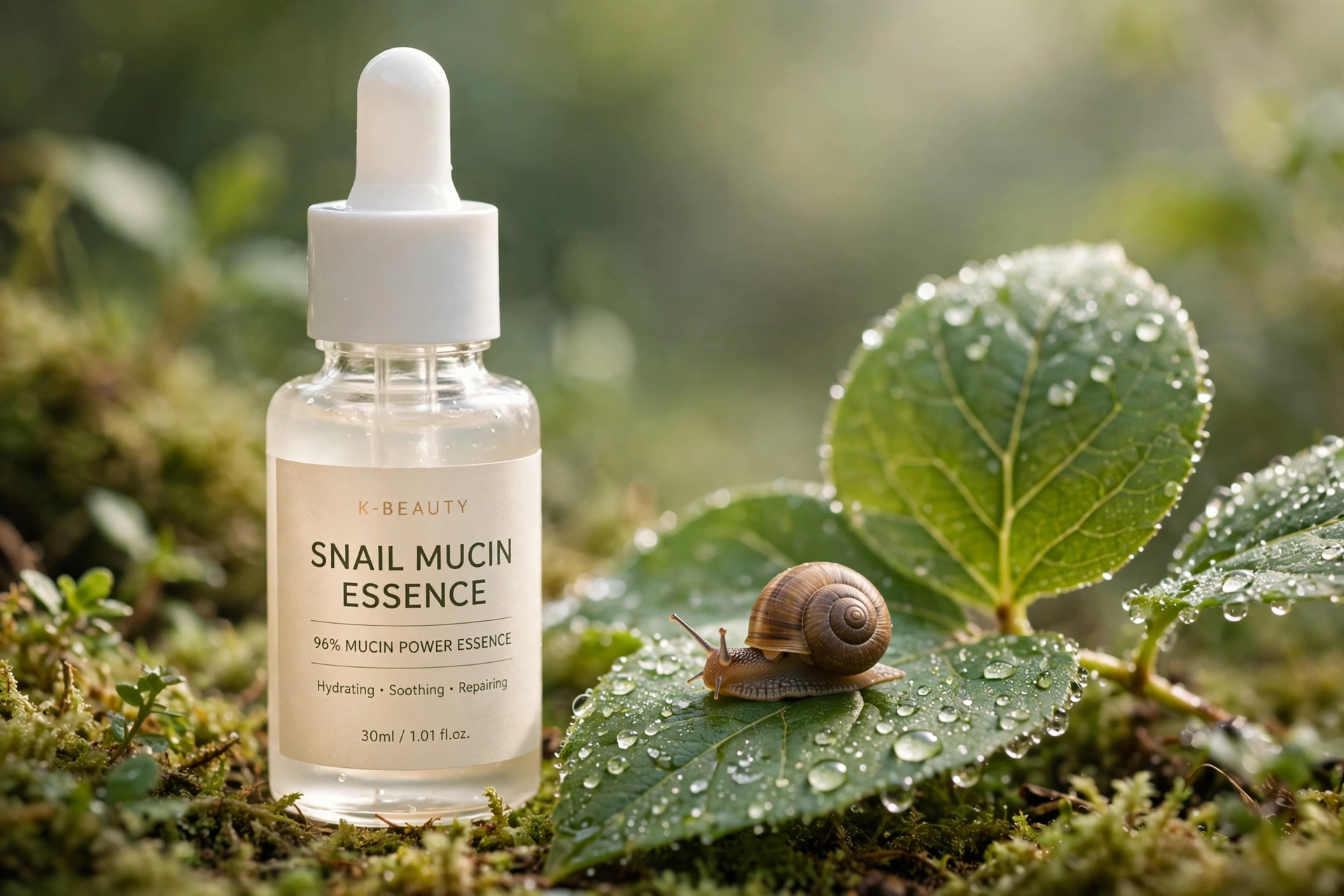
Explore snail mucin benefits — the K-beauty powerhouse that hydrates, repairs, and brightens skin. How to use it, best products, and what science says.
Read More arrow_forward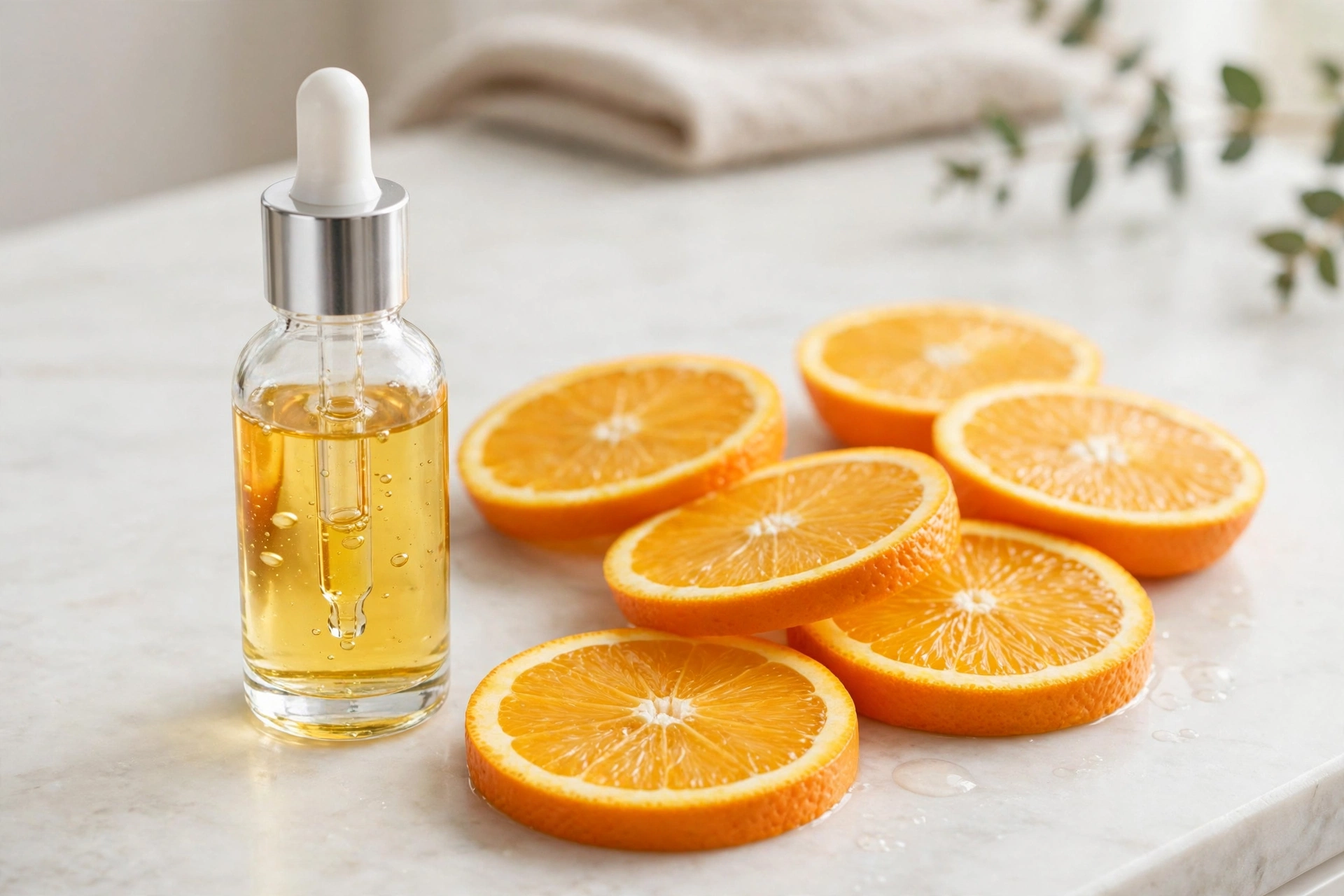
The best vitamin C serums for glowing skin in 2026 — how to choose the right formula, how to layer it, and what to avoid.
Read More arrow_forwardCalculate your Body Mass Index (BMI) in seconds. BMI is a quick screening number…
Use now arrow_forwardFind your daily calorie needs based on your age, sex, height, weight and activit…
Use now arrow_forwardFind how much water you should drink each day, in litres and glasses, based on y…
Use now arrow_forward