Bakuchiol vs Retinol: Which Anti-Aging Ingredient Is Right for You? (2026)
Bakuchiol vs retinol: compare effectiveness, side effects, and who should use which. Our 2026 guide helps you choose the right anti-aging ingredient.
Read More arrow_forwardExplore snail mucin benefits — the K-beauty powerhouse that hydrates, repairs, and brightens skin. How to use it, best products, and what science says.
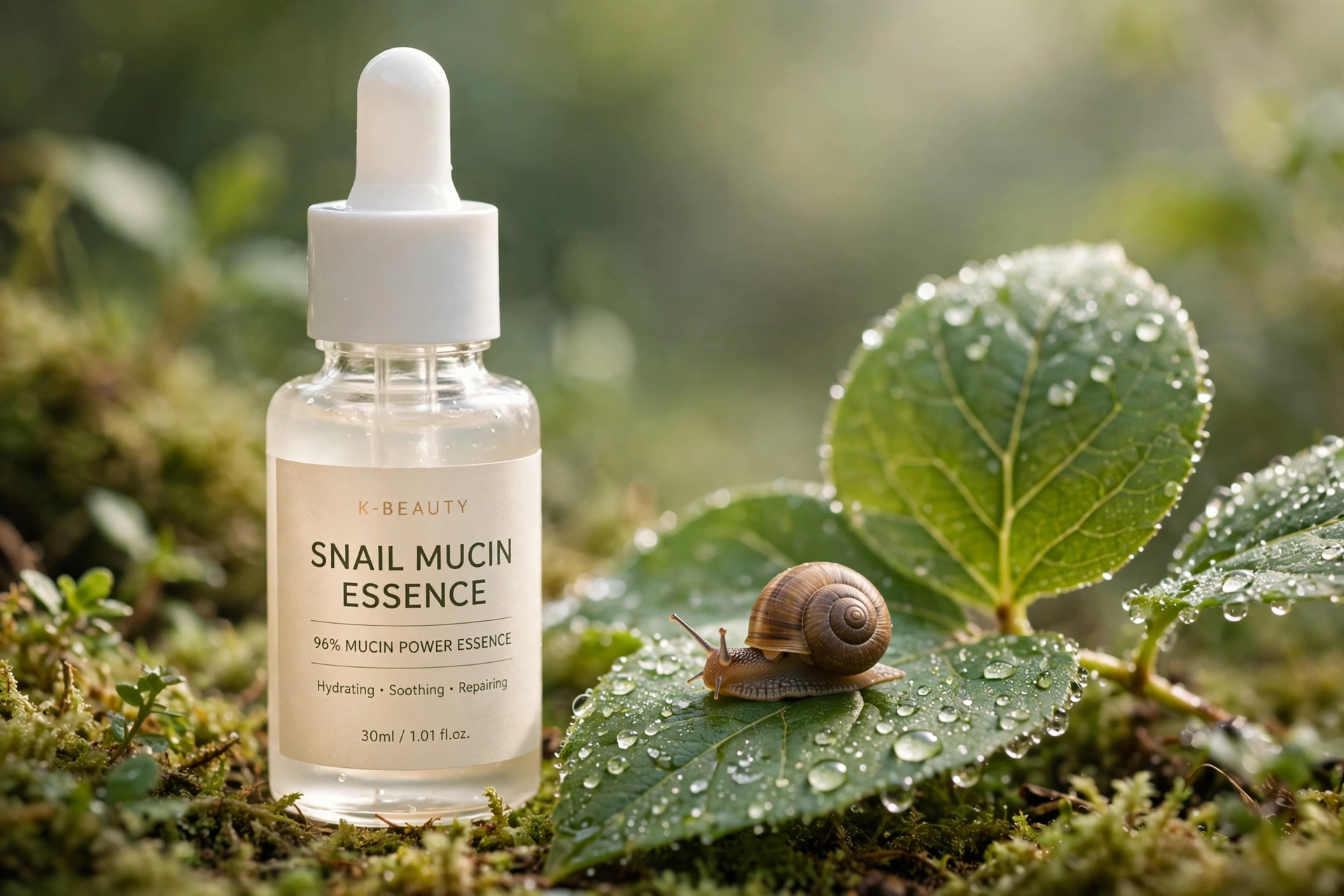
A decade ago, the idea of putting snail secretion on your face sounded like a dare. Today, snail mucin is one of the most beloved ingredients in K-beauty — and increasingly in Western skincare too — with millions of devotees swearing it transformed their skin. But what are the real snail mucin benefits, and does the science back up the hype? In this 2026 guide, we break down exactly what snail mucin does, how to use it in your routine, which products are worth buying, and what dermatologists actually think.
Whether you are dealing with dryness, dullness, acne scars, or early signs of aging, snail mucin might be the multitasking ingredient your routine is missing. Let us get into it.
Snail mucin — more formally called snail secretion filtrate — is the substance snails produce to protect and repair their own soft bodies as they move across rough surfaces. Cosmetic-grade snail mucin is collected from farmed snails (typically the common garden snail, Cryptomphalus aspersa) in cruelty-free conditions: the snails crawl over textured surfaces in dark, quiet environments, and the mucin they leave behind is collected, filtered, and purified. No snails are harmed in the process used by reputable K-beauty brands.
What makes this secretion interesting for skincare is its composition. Snail mucin naturally contains a cocktail of skin-friendly compounds: glycoproteins, hyaluronic acid, glycolic acid, allantoin, collagen, elastin, and antimicrobial peptides. In other words, it is not a single active ingredient — it is a complex blend that hydrates, gently exfoliates, soothes, and supports skin repair all at once. That multitasking nature is a big part of why the snail mucin benefits list is so long.
Let us separate marketing claims from evidence. Here are the benefits with the strongest support, from both research and extensive real-world use.
The headline snail mucin benefit is hydration. The mucin's natural hyaluronic acid and glycoprotein content act as powerful humectants, drawing moisture into the skin and holding it there. Unlike some hydrating serums that feel wet and then vanish, snail mucin forms a slightly occlusive, breathable film that slows transepidermal water loss — meaning the hydration actually lasts for hours. People with dehydrated skin often notice a visible plumping effect within days of consistent use. For an even deeper hydration strategy, you can layer snail mucin with a dedicated hyaluronic acid serum — the two humectants complement each other beautifully.
Snail secretion has a long folk-medicine history for wound care, and modern research gives that tradition some backing. Studies indexed on ncbi.nlm.nih.gov have investigated snail mucin's effects on skin regeneration, finding that its allantoin, collagen, and glycolic acid content may support the skin's natural repair processes. In practical terms, users report that snail mucin helps calm irritation, speeds the fading of post-acne marks, and supports recovery after over-exfoliation. If your barrier is compromised from too many actives, snail mucin pairs well with a dedicated barrier-repair routine — see our guide on how to repair a damaged skin barrier.
One of the most celebrated snail mucin benefits is its ability to fade hyperpigmentation. The glycolic acid naturally present in the filtrate provides very gentle chemical exfoliation, encouraging cell turnover that gradually lifts dark spots and post-inflammatory marks from old breakouts. It will not work as fast as a dedicated vitamin C serum or prescription retinoid, but it is far gentler — making it ideal for sensitive or easily irritated skin. For a more targeted brightening approach, consider pairing it with a vitamin C serum.
Snail mucin contains natural peptides, collagen, and elastin — the structural proteins that keep skin firm and bouncy. While topical collagen molecules are too large to penetrate deeply, the peptides and hydrating factors in snail mucin can improve the appearance of fine lines through intense hydration and by supporting the skin's surface structure. Consistent users frequently report plumper, more supple-looking skin. If firming is your primary goal, snail mucin works well alongside peptide treatments such as PDRN serums — our PDRN serum benefits guide explains how these regenerative ingredients compare.
Allantoin, one of snail mucin's key components, is a well-established soothing agent used in products for sensitive and compromised skin. Snail mucin essences are frequently recommended for calming redness, irritation from retinoids, and general sensitivity. If your skin reacts to everything, a simple snail mucin essence may be one of the few "active" products it tolerates — and you can explore more fragrance-free options for reactive skin.
Ask any snail mucin devotee what sold them, and most will mention the glow. The combination of deep hydration, gentle exfoliation, and barrier support produces that coveted "glass skin" effect K-beauty is famous for — skin that looks lit from within rather than coated in highlighter. This is not an instant cosmetic effect; it builds over two to four weeks of consistent use as hydration levels and cell turnover improve.
Snail mucin is one of the easiest actives to incorporate because it plays well with almost everything. Here is how to do it right.
Snail mucin essences and serums have a distinctive slightly viscous, stretchy texture — thicker than a watery toner, thinner than a serum. Apply it after cleansing and toning but before heavier serums and moisturizer. The classic order: cleanser → toner → snail mucin essence → treatment serums → moisturizer → sunscreen (AM). Because of its texture, it works best on slightly damp skin — press, do not rub, a pea-sized amount over the face and neck.
Start with once daily (evening is ideal) for the first week, then increase to twice daily if your skin loves it. A pea-sized to dime-sized amount is enough for the full face — snail mucin is concentrated, and over-applying just leaves a tacky film. Most people see initial hydration benefits within days and more significant improvements in texture and tone after four to eight weeks.
Hyaluronic acid: layering humectants multiplies hydration.
Niacinamide: combines beautifully for pore appearance and tone — learn more in our niacinamide serum benefits guide.
Vitamin C (morning): snail mucin at night plus vitamin C in the morning is a glow-boosting dream team.
Retinoids: snail mucin buffers the dryness and irritation retinoids can cause. Curious about gentler vitamin A options? Compare retinal vs retinol to find your fit.
Moisturizer on top: always seal snail mucin with a moisturizer. Oily types should choose a lightweight, oil-free gel moisturizer to lock in the hydration without grease.
Snail mucin itself is gentle, but if you layer it with strong exfoliating acids (high-percentage AHAs/BHAs) in the same routine, you may overdo it. Space strong exfoliants and snail mucin across different routines (acids in the morning, snail mucin at night) if your skin is sensitive. Also note: if you have a dust mite allergy, proceed with caution — some people with mite allergies report sensitivity to snail mucin, as the proteins share similarities.
The market is flooded with snail mucin products, but quality varies enormously. The percentage of snail secretion filtrate matters — look for it high on the ingredient list, ideally 90%+ in essences.
The product that started the Western snail mucin craze remains the benchmark. With 96% snail secretion filtrate, it delivers maximum potency at a drugstore-friendly price. The texture is famously stretchy and viscous, it layers well under everything, and the results — hydration, glow, fading marks — are consistently reported. If you buy one snail mucin product, make it this one.
A gentler introduction combining snail mucin with bee venom and niacinamide. It is slightly less viscous than the COSRX, making it more approachable if the classic snail texture puts you off, and the added niacinamide gives extra brightening benefits.
The companion cream with 92% snail secretion filtrate works as a lightweight moisturizer or as a sealing layer over the essence. Oily and combination skin types often use it as their full moisturizer step.
Mizon's ampoule format delivers a concentrated dose with additional peptide and adenosine firming ingredients. It is pricier, but fans of the brand consider it the most cosmetically elegant snail formula available.
Skip products where "snail secretion filtrate" appears near the end of a long ingredient list — you are paying for marketing, not mucin. Also be wary of snail mucin products loaded with added fragrance or drying alcohols, which undermine the soothing benefits. And always buy from authorized retailers: counterfeit K-beauty is a real problem on third-party marketplaces.
Snail mucin is excellent for oily skin because it hydrates without oil and its gentle exfoliating action helps keep pores clear. It will not clog pores — it is non-comedogenic — and many acne-prone users find it helps fade the marks breakouts leave behind. Pair it with a BHA treatment for active breakouts; our salicylic acid for acne guide covers the ideal routine.
Dry skin types may find snail mucin essence alone insufficient — layer it under a richer moisturizer to seal in the hydration. The occlusive film snail mucin forms is light, so a cream on top makes the hydration last through the night.
Snail mucin is one of the best-tolerated "active" ingredients for reactive skin, thanks to its soothing allantoin content. Still, patch test first — sensitivities are individual. Start with three to four nights per week and build up.
For anti-aging concerns, snail mucin works best as a supporting player rather than the star. Combine it with proven anti-aging actives like retinoids or peptides. Our PDRN serum guide covers another regenerative ingredient that pairs well with snail mucin in mature routines.
This is the most common ethical question about the ingredient. Snail mucin is not vegan, since it is an animal-derived secretion — vegans avoiding all animal products will want to skip it. As for cruelty-free status: reputable brands collect mucin without harming the snails, using methods certified by organizations like the Korea Cosmetic Association. However, standards vary, so if this matters to you, buy from established brands that publish their collection practices. Vegan alternatives with similar hydrating-repair profiles include beta-glucan serums and polyglutamic acid formulations.
Snail mucin delivers deep hydration, supports skin repair, gently exfoliates to fade dark spots and acne marks, soothes irritation, and promotes a dewy glow. Its natural cocktail of hyaluronic acid, glycolic acid, allantoin, peptides, collagen, and elastin makes it a true multitasker — hydrating like a humectant serum, calming like a sensitive-skin treatment, and brightening like a mild exfoliant, all in one step.
Hydration and plumping effects are often noticeable within a few days. Improvements in skin texture, glow, and the fading of dark spots typically take four to eight weeks of consistent twice-daily use. Skin cell turnover takes about 28 days, so any ingredient working through exfoliation and repair needs at least one full cycle to show meaningful results. Take a photo on day one to track progress objectively.
Yes — snail mucin is gentle enough for daily, even twice-daily, use by most skin types. Start with once daily for a week to confirm your skin tolerates it, then increase to morning and evening. Because it is non-comedogenic and fragrance-free in most formulations, it is one of the safest daily actives available. If you experience any stinging or redness, scale back and patch test.
Snail mucin is non-comedogenic and generally does not clog pores. In fact, its mild exfoliating action can help keep pores clear. However, any new product can cause a reaction in sensitive individuals, and the slightly occlusive film means you should always apply it to clean skin — trapping sunscreen, makeup residue, or dirt underneath could contribute to congestion. This is why thorough evening cleansing matters; the double cleansing method is ideal if you wear SPF and makeup daily.
Yes to both, with smart layering. Use vitamin C in the morning and snail mucin at night, or layer vitamin C first, wait a few minutes, then apply snail mucin. With retinoids, snail mucin is an excellent buffer — apply snail mucin first, let it absorb, then apply your retinoid, or use snail mucin on alternate nights. It helps counteract the dryness and flaking retinoids commonly cause.
Snail mucin itself has no known pregnancy contraindications and is generally considered a gentle ingredient. However, always check the full ingredient list of the specific product — some snail mucin formulations include retinoids, high-percentage acids, or other actives that are not pregnancy-safe. When in doubt, consult your dermatologist or OB-GYN, as the American Academy of Dermatology advises for any new skincare ingredient during pregnancy.
That stretchy, viscous texture is completely normal — it is the nature of concentrated snail secretion filtrate. The COSRX 96 essence famously stretches between your fingers like melted mozzarella. If the texture bothers you, try patting it onto damp skin (it absorbs faster) or switch to a lower-filtrate formula like the Benton essence, which has a lighter feel. The sliminess absorbs within a minute or two and should not leave lasting tackiness once sealed with moisturizer.
Snail mucin can help fade post-inflammatory hyperpigmentation (the dark or red marks left after breakouts) through gentle exfoliation and by supporting skin repair. It is less effective on indented or pitted scars (atrophic scarring), which typically require professional treatments like microneedling or lasers. For active breakouts, pair snail mucin's repair benefits with a proven acne treatment — our salicylic acid guide is a good starting point.
Snail mucin (snail secretion filtrate) is a multitasking K-beauty ingredient containing hyaluronic acid, glycolic acid, allantoin, peptides, and collagen.
Top snail mucin benefits: deep hydration, skin repair, fading dark spots, soothing irritation, and a dewy glow.
It suits nearly all skin types, including oily, sensitive, and acne-prone skin — it is non-comedogenic.
Apply to damp skin after toner and before heavier serums; seal with moisturizer.
Look for 90%+ snail secretion filtrate high on the ingredient list; COSRX 96 remains the benchmark.
Visible results take 4–8 weeks of consistent use; hydration benefits appear within days.
It is not vegan; cruelty-free status depends on the brand's collection practices.
Snail mucin earned its cult status the hard way — through results, not just novelty. Few ingredients hydrate as deeply while simultaneously calming, repairing, and brightening, and fewer still do it so gently that even sensitive skin types can use them daily. Whether you are chasing glass skin, fading stubborn post-acne marks, or simply want a hydration step that actually lasts, the snail mucin benefits are real and well worth the small leap of faith the texture requires. Start with a proven 96% filtrate essence, give it a full month, and judge the glow for yourself.
Bakuchiol vs retinol: compare effectiveness, side effects, and who should use which. Our 2026 guide helps you choose the right anti-aging ingredient.
Read More arrow_forward
Discover the best moisturizer for oily skin in 2026 — lightweight, non-comedogenic picks that hydrate without clogging pores or causing shine.
Read More arrow_forward
The best winter skincare routine for dry skin in 2026 — hydrating layers, barrier repair tips, and dermatologist-backed product picks that work.
Read More arrow_forward
Azelaic acid for rosacea and redness explained: how it works, the best 10-20% products of 2026, how to layer it, and what results to expect.
Read More arrow_forward
The best vitamin C serums for glowing skin in 2026 — how to choose the right formula, how to layer it, and what to avoid.
Read More arrow_forwardCalculate your Body Mass Index (BMI) in seconds. BMI is a quick screening number…
Use now arrow_forwardFind your daily calorie needs based on your age, sex, height, weight and activit…
Use now arrow_forwardFind how much water you should drink each day, in litres and glasses, based on y…
Use now arrow_forward