Bakuchiol vs Retinol: Which Anti-Aging Ingredient Is Right for You? (2026)
Bakuchiol vs retinol: compare effectiveness, side effects, and who should use which. Our 2026 guide helps you choose the right anti-aging ingredient.
Read More arrow_forwardThe best winter skincare routine for dry skin in 2026 — hydrating layers, barrier repair tips, and dermatologist-backed product picks that work.
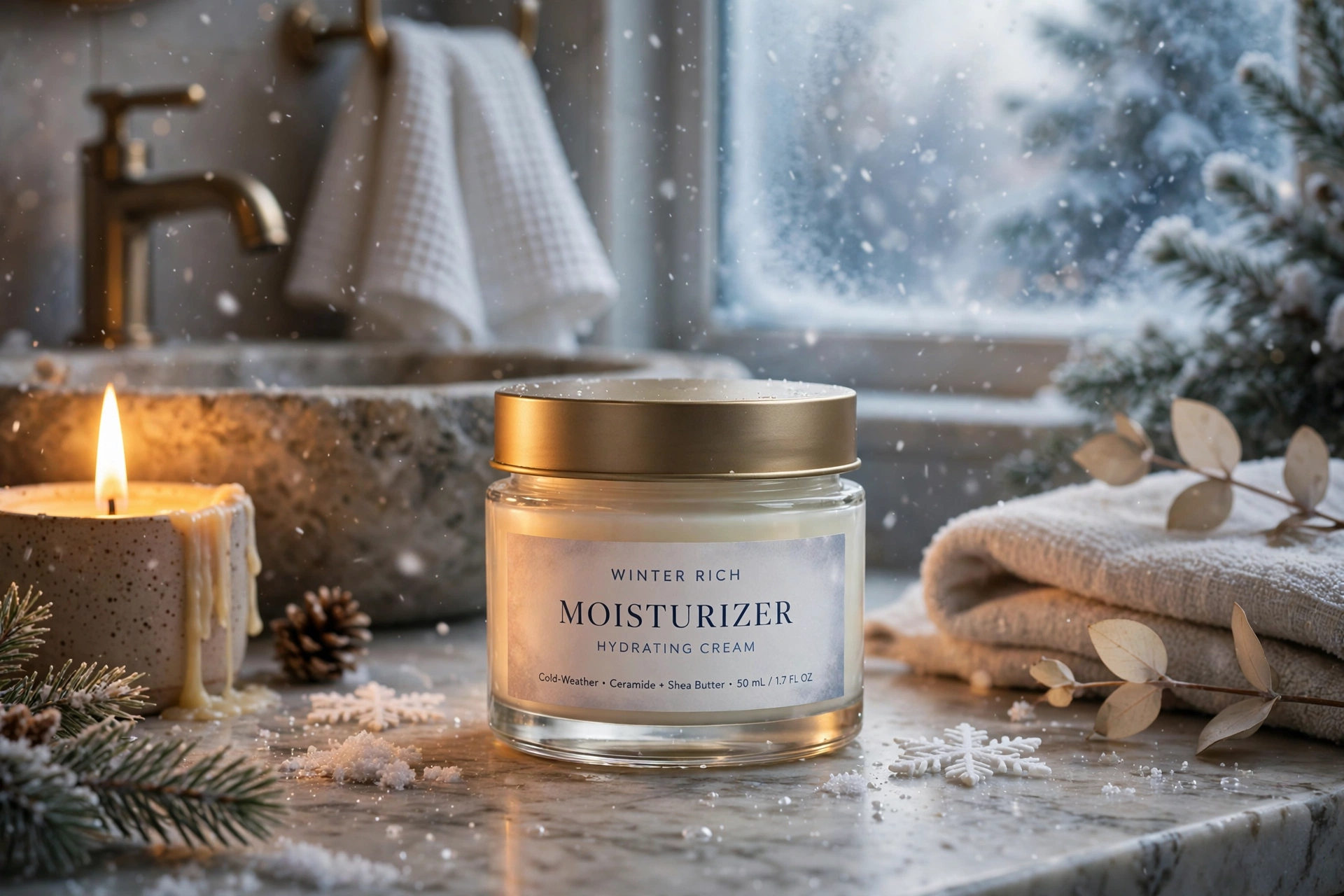
Winter has a way of turning even normal skin into a desert. The moment the temperature drops, indoor heating kicks on, and the air loses its humidity, your skin starts sending distress signals — tightness after cleansing, flaky patches around the nose and mouth, makeup that cakes instead of melting in, and that rough, papery texture that no amount of water-drinking seems to fix. If this sounds familiar, your skin is not broken. It is simply dehydrated and asking for a smarter winter skincare routine for dry skin — one built around layering hydration, protecting the skin barrier, and sealing everything in before the cold air can steal it back.
The good news is that winter dryness is one of the most fixable skin concerns out there. Unlike hormonal acne or genetic dark circles, winter dehydration responds beautifully to the right routine, applied consistently. In this 2026 guide, we will walk you through exactly how to build a winter skincare routine for dry skin that delivers lasting hydration — morning and evening steps, the ingredients that matter most, the mistakes that make winter skin worse, dermatologist-backed product picks, and answers to the questions everyone asks when their skin starts flaking in December.
Before building the routine, it helps to understand what winter actually does to your skin. Three things happen at once when the season changes.
First, cold air holds far less moisture than warm air. When outdoor temperatures drop, the absolute humidity plummets, which means the air literally pulls water out of your skin through transepidermal water loss (TEWL). Dermatologists at the American Academy of Dermatology explain that low humidity is one of the top environmental triggers for dry, itchy winter skin.
Second, indoor heating makes it worse. Forced-air furnaces, radiators, and even cozy fireplaces create an environment with humidity levels that can dip below 20 percent — drier than the Sahara. You escape the cold outside only to sit in a warm, moisture-sucking room for eight hours.
Third, winter habits sabotage the barrier. Long, hot showers feel amazing in January, but hot water strips the natural lipids (ceramides, cholesterol, and fatty acids) that hold your skin cells together. Harsh foaming cleansers, over-exfoliation with strong acids, and skipping moisturizer because your skin "feels fine" in the morning all chip away at the barrier until it can no longer hold water in.
The result is a damaged skin barrier — microscopic cracks in your skin's protective wall that let moisture escape and irritants get in. That is why winter skin does not just feel dry; it often feels sensitive, red, and reactive too. If your barrier feels compromised, our guide on how to repair a damaged skin barrier walks you through the full recovery process.
The single most important principle of any winter skincare routine for dry skin is this: apply products from thinnest to thickest texture, and let each layer absorb before adding the next. Hydration is not about one miracle cream — it is about stacking water-attracting ingredients (humectants) underneath water-sealing ingredients (occlusives), so moisture gets pulled into the skin and then locked there.
Think of it like getting dressed for winter. You would not wear just a coat — you wear a base layer, a sweater, and then the coat. Your winter skincare routine works the same way:
Hydrating base layers — toners, essences, and serums with humectants like hyaluronic acid, glycerin, and beta-glucan that draw water into the skin.
Treatment and nourishment — serums with barrier-supporting ingredients like niacinamide, ceramides, and squalane.
The seal — a rich moisturizer, and at night an occlusive layer like a facial oil or sleeping mask, that locks everything underneath in place.
This layering approach is why understanding hyaluronic acid serums is essential winter reading — hyaluronic acid only works properly when applied to damp skin and sealed with a moisturizer, a detail most people get wrong.
Morning routines in winter should be short, gentle, and focused on protection. You are not removing a full day of sunscreen and pollution — you are preparing your skin to face cold air, wind, and indoor heating. Four to five steps is plenty.
Skip the harsh morning cleanse. In winter, washing dry skin twice a day with a foaming cleanser is one of the fastest routes to a stripped barrier. Instead, use a creamy, non-foaming cleanser with a slightly acidic pH (around 5.5) that removes overnight oil without touching your natural lipids. Look for formulas with glycerin, ceramides, or colloidal oatmeal. CeraVe's Hydrating Facial Cleanser is a classic budget-friendly option that dermatologists recommend for exactly this purpose.
Pro tip: If your skin feels comfortable when you wake up, you can skip cleanser entirely and just rinse with lukewarm water. Many dermatologists endorse the water-only morning rinse for dry skin types in winter.
This is the step that transforms winter skin. Apply a hydrating toner or essence to damp skin immediately after cleansing — within 60 seconds, the famous "60-second rule." Humectants like hyaluronic acid and glycerin need water to work; applied to damp skin, they pull that water into your skin instead of pulling moisture out of it. Pat in 2-3 thin layers rather than one heavy one for deeper hydration.
Niacinamide (vitamin B3) is a winter hero for dry skin. Research published on ncbi.nlm.nih.gov shows that niacinamide increases ceramide and fatty acid production in the skin, strengthening the barrier and reducing water loss. A 5% niacinamide serum calms redness, supports the barrier, and plays well with every other winter ingredient. Our in-depth niacinamide serum benefits guide covers how to pick the right concentration and layer it correctly.
Your morning moisturizer in winter should be noticeably richer than your summer one. Look for creams (not lotions or gels) containing ceramides, cholesterol, squalane, and shea butter. These ingredients mimic your skin's natural lipid structure and physically patch the cracks in a winter-damaged barrier. Apply a generous amount — a full finger-length for the face, more if your neck and ears get dry.
UV rays do not take the winter off. Up to 80% of UV rays penetrate clouds, and snow reflects up to 80% of UV back onto your skin — meaning winter sun exposure can be surprisingly intense. Choose a moisturizing sunscreen (SPF 30+) rather than a mattifying one, and consider mineral formulas with added hydrating ingredients if your skin is reactive. Our comparison of the best sunscreens of 2026, mineral vs chemical, will help you find one that hydrates instead of drying you out.
Nighttime is when the real repair happens. Your skin's barrier function naturally ramps up its recovery processes while you sleep, so your evening routine can be richer, more layered, and more treatment-focused than your morning one.
Double cleansing is not just for heavy makeup wearers — in winter, the first cleanse with an oil or balm dissolves sunscreen and the day's grime without stripping, and the second cleanse with a gentle cream cleanser finishes the job. The key word is gentle: your second cleanser should never foam aggressively. Our double cleansing method guide explains the exact technique and the best balm-to-cream pairings for dry skin.
Repeat the damp-skin hydrating toner step from the morning. At night you can be even more generous — 3 to 4 thin layers patted in one after another. This is called the "7-skin method" in K-beauty (though 3-4 layers is plenty), and it is one of the most effective ways to flood dry winter skin with water.
Evening is the time for your active treatments — the step where you address your specific concerns beyond dryness:
For dullness and uneven tone: a vitamin C serum (10-15% ascorbic acid or a gentler derivative) brightens and supports collagen — see our roundup of the best vitamin C serums for glowing skin for winter-appropriate picks.
For fine lines: a gentle retinoid like retinal (one conversion step from retinoic acid, making it stronger than retinol but often better tolerated) — check a retinal vs retinol comparison to decide which suits dry, winter-stressed skin.
For persistent dryness and sensitivity: skip strong actives entirely and use a ceramide or peptide serum instead. Winter is not the season to be aggressive.
Important winter rule: If your barrier is already damaged — stinging, redness, flaking — pause all exfoliating acids and retinoids until your skin calms down. Repair first, treat later.
Your night moisturizer should be the heaviest product in your routine — a true cream or balm texture. Ingredients to look for: ceramides, squalane, shea butter, colloidal oatmeal, and panthenol (pro-vitamin B5). Apply it while your skin is still slightly damp from the toner layers.
This final occlusive step is what separates a decent winter routine from a great one. A few drops of facial oil (squalane, jojoba, or rosehip) pressed over your moisturizer, or a sleeping mask applied as the last step 2-3 nights per week, creates a physical barrier that dramatically reduces overnight water loss. You will wake up with skin that still feels supple instead of tight and papery.
With hundreds of ingredients marketed for dry skin, focus on the ones with real evidence behind them:
Hyaluronic acid — holds up to 1,000 times its weight in water. Best in serums and toners applied to damp skin, always sealed with moisturizer. In very dry climates (indoor heating counts), unsealed hyaluronic acid can actually pull water out of your skin — so the seal step is non-negotiable.
Glycerin — the underrated humectant. Cheaper than hyaluronic acid, extremely well-studied, and effective even in low humidity. If a product lists glycerin in the first five ingredients, it will hydrate.
Ceramides — the mortar between your skin cells' bricks. Winter-depleted skin is often ceramide-depleted skin. Research on ncbi.nlm.nih.gov confirms that topical ceramides measurably improve barrier function and reduce water loss.
Niacinamide — boosts the skin's own ceramide production, calms redness, and regulates oil without drying. The 4-5% range is ideal for dry, sensitive winter skin.
Squalane — a lightweight-yet-effective emollient that mimics the skin's natural squalene. It seals in moisture without feeling greasy, making it perfect for layering under or over moisturizer.
Colloidal oatmeal — soothes itching and irritation while supporting the barrier. Excellent in cleansers and creams for winter-eczema-prone skin.
Urea (5-10%) — both a humectant and a gentle keratolytic, meaning it hydrates while dissolving flaky, rough patches. A 10% urea cream on flaky shins, elbows, and even the face (at 5%) is a winter game-changer.
Hot showers and long baths. Keep water lukewarm and showers under 10 minutes. Hot water dissolves your skin's protective lipids faster than almost anything else.
Over-exfoliating. Cut back on AHAs, BHAs, and scrubs to once a week or less in winter. If you use salicylic acid for breakouts, use it sparingly and gently so you do not wreck a dry winter barrier.
Skipping moisturizer on "good" days. Winter dryness is cumulative. Moisturize every single morning and night, even when your skin feels fine.
Applying hyaluronic acid to dry skin. Without damp skin underneath and an occlusive on top, it can backfire in dry air.
Using the same lightweight summer moisturizer. If your gel moisturizer worked in July, it will not survive January. Switch to a cream.
Licking chapped lips. Saliva evaporates and leaves lips drier. Use a lanolin or ceramide lip balm and reapply often.
Ignoring indoor humidity. A bedroom humidifier set to 40-50% humidity can do as much for your skin as a new serum. It is the highest-ROI winter skincare purchase most people never make.
You do not need a 12-step routine or luxury prices to fix winter dryness. These are the categories that matter, with standout picks at every budget:
Gentle cleanser: CeraVe Hydrating Facial Cleanser (drugstore hero with ceramides and hyaluronic acid) or La Roche-Posay Toleriane Hydrating Gentle Cleanser for very reactive skin.
Hydrating toner: A glycerin or hyaluronic acid-based toner without denatured alcohol or heavy fragrance. K-beauty options like the I'm From Rice Toner layer beautifully for the multi-layer technique.
Niacinamide serum: The Ordinary Niacinamide 10% + Zinc 1% remains the budget benchmark. For drier skin that finds 10% too strong, a 5% formula from Paula's Choice or Good Molecules is gentler.
Rich moisturizer: CeraVe Moisturizing Cream (the tub — ceramides, hyaluronic acid, petrolatum seal) is the dermatologist-recommended workhorse. For a more elegant texture, Weleda Skin Food or La Roche-Posay Lipikar Balm AP+ deliver serious barrier support.
Facial oil: The Ordinary 100% Plant-Derived Squalane — affordable, non-comedogenic, and perfect as a final occlusive layer.
Sunscreen: A hydrating SPF 30+ mineral or chemical formula — see the sunscreen section above for what to look for in a winter-friendly option.
Lip treatment: Lanolin-based balms (Lanolips) or ceramide lip treatments worn overnight under a thin layer of petroleum jelly.
Humidifier: Any cool-mist humidifier for the bedroom, run nightly at 40-50% humidity. This single purchase often outperforms a new serum.
If you have eczema (atopic dermatitis), winter is flare season. Keep routines minimal — cleanser, moisturizer, prescription treatment if you have one — and moisturize within three minutes of bathing to trap water. Colloidal oatmeal products and thick ceramide creams are your best friends. If flares are severe, see a dermatologist rather than layering more products — the American Academy of Dermatology publishes specific winter eczema guidance worth reading.
Winter acne on dry skin is usually a barrier problem, not an oil problem. Resist the urge to attack breakouts with drying treatments. Keep your hydrating layers, use salicylic acid sparingly (2-3 times per week maximum, short-contact or low-strength), and spot-treat rather than applying harsh actives all over. Our salicylic acid for acne guide shows how to balance breakout control with barrier protection.
Winter dryness is not just a face problem. Switch to a sulfate-free body wash, apply body cream (not lotion) to damp skin right after showering, and consider a 10% urea cream for rough elbows, knees, and heels. For a flaky scalp, a gentle exfoliating scalp serum used weekly plus a moisturizing shampoo makes a visible difference.
Once a week is plenty for most dry skin types in winter, and some people do better exfoliating even less — every 10 to 14 days. Use a gentle chemical exfoliant (a low-strength lactic acid or PHA) rather than a physical scrub, and always follow with your full hydrating routine. If your skin stings, flakes, or turns red after exfoliating, you are doing it too often or with too strong a product. Remember: in winter, protecting the barrier matters more than chasing glow through exfoliation.
You rarely need to replace everything. The smartest approach is to keep your core products and make three winter swaps: switch to a gentler cleanser, upgrade to a richer moisturizer, and add a hydrating toner layer plus an occlusive final step at night. Your treatment serums (vitamin C, niacinamide) can usually stay — just watch how your skin responds and dial back actives if sensitivity increases.
Yes, but technique matters enormously. Hyaluronic acid is a humectant — it grabs water from wherever it can find it. Applied to damp skin and sealed under a moisturizer and occlusive, it pulls water into your skin beautifully. Applied to dry skin with nothing on top in a heated, low-humidity room, it can pull water out of your deeper skin layers instead. The rule is simple: damp skin underneath, cream and oil on top, every time.
Tightness right after moisturizing usually means one of three things: your cleanser is too stripping (switch to a cream cleanser), you are not layering enough hydration underneath the moisturizer (add hydrating toner layers on damp skin), or your moisturizer is not rich enough for winter (switch from lotion to cream, or add a facial oil on top). Tightness is your skin telling you water is escaping faster than your routine can replace it.
Absolutely. UV radiation is present year-round, penetrates cloud cover, and reflects off snow — skiers and winter runners can burn surprisingly fast. Beyond burning, UVA rays (the aging rays) are constant regardless of season and break down collagen even on overcast days. A moisturizing SPF 30+ every morning is one of the highest-value steps in any winter skincare routine for dry skin.
For very dry skin, plain petrolatum (Vaseline) remains the gold standard occlusive — it reduces transepidermal water loss by up to 98%, more than any fancy ingredient. The "slugging" technique (a thin layer of petrolatum over your night routine 2-3 times per week) sounds extreme but is remarkably effective for winter dryness. If petrolatum feels too heavy, squalane oil or a ceramide sleeping mask are lighter alternatives that still seal effectively.
With a consistent barrier-focused routine, most people feel improvement within 3-5 days and see visible repair (less flaking, less redness, better makeup application) within 2-3 weeks. Deeply damaged barriers — raw, stinging, persistently red skin — can take 4-6 weeks of gentle, minimal care to fully recover. Consistency beats product-hopping: pick a simple routine and give it at least three weeks before judging results.
They can support, but not replace, a good topical routine. Omega-3 fatty acids (from fish or flaxseed) support the skin's lipid barrier from within, and staying hydrated helps overall — but no amount of water-drinking fixes a stripped barrier if you are still using harsh cleansers and skipping moisturizer. Think of nutrition as the foundation and your winter skincare routine as the structure built on it.
Winter dryness comes from low humidity, indoor heating, and hot-water habits stripping your skin barrier — fix the barrier and the dryness follows.
Layer products thinnest to thickest: hydrating toner on damp skin, treatment serum, rich cream moisturizer, occlusive seal at night.
Morning routine: gentle cleanser, hydrating toner, niacinamide serum, rich ceramide moisturizer, hydrating SPF 30+.
Evening routine: gentle double cleanse, multiple hydrating toner layers, treatment serum, heavy night cream, facial oil or sleeping mask.
Hero ingredients for winter: hyaluronic acid and glycerin (humectants), ceramides and niacinamide (barrier builders), squalane and petrolatum (sealants), urea (for flaky patches).
Cut exfoliation back to once a week or less, never apply hyaluronic acid to dry unsealed skin, and keep showers lukewarm and short.
A bedroom humidifier at 40-50% humidity is one of the highest-ROI winter skincare investments you can make.
If your barrier is damaged (stinging, redness, persistent flaking), pause all actives and focus on gentle repair for 2-4 weeks.
A winter skincare routine for dry skin does not need to be complicated or expensive — it needs to be consistent, layered, and barrier-first. The formula is simple: hydrate on damp skin, nourish with barrier-supporting ingredients like ceramides and niacinamide, and seal everything in with a rich cream and an occlusive layer at night. Add a humidifier, keep your showers lukewarm, and give your skin a break from aggressive exfoliation until spring.
Start tonight with the three highest-impact changes: a gentler cleanser, hydrating toner layers on damp skin, and a facial oil or sleeping mask as your final step. Within a week, the tightness fades. Within three, the flaking stops and your skin starts looking like itself again — calm, supple, and glowing despite the cold. Winter may be harsh, but with the right routine, your skin does not have to suffer through it.
Bakuchiol vs retinol: compare effectiveness, side effects, and who should use which. Our 2026 guide helps you choose the right anti-aging ingredient.
Read More arrow_forward
Discover the best moisturizer for oily skin in 2026 — lightweight, non-comedogenic picks that hydrate without clogging pores or causing shine.
Read More arrow_forward
Azelaic acid for rosacea and redness explained: how it works, the best 10-20% products of 2026, how to layer it, and what results to expect.
Read More arrow_forward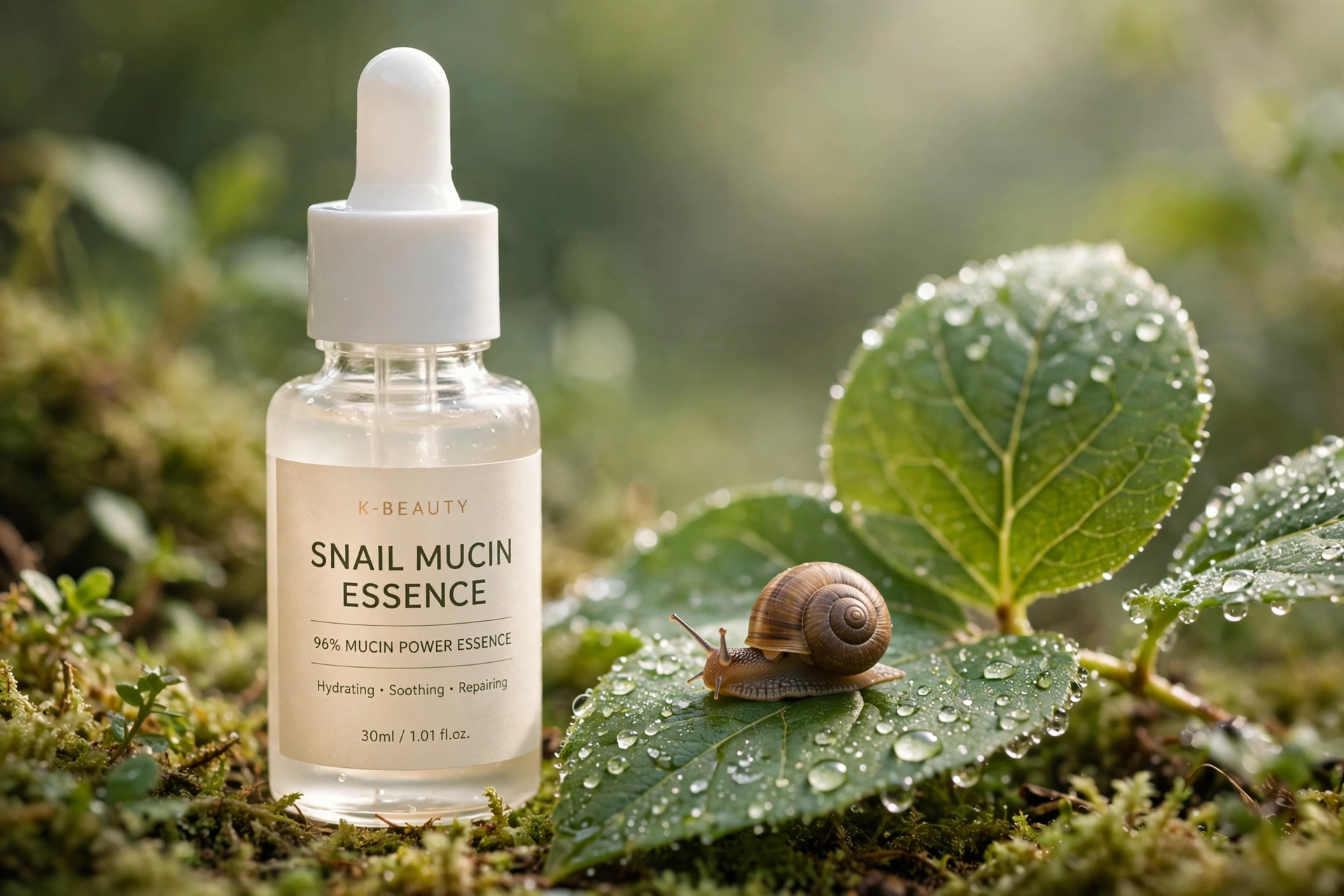
Explore snail mucin benefits — the K-beauty powerhouse that hydrates, repairs, and brightens skin. How to use it, best products, and what science says.
Read More arrow_forward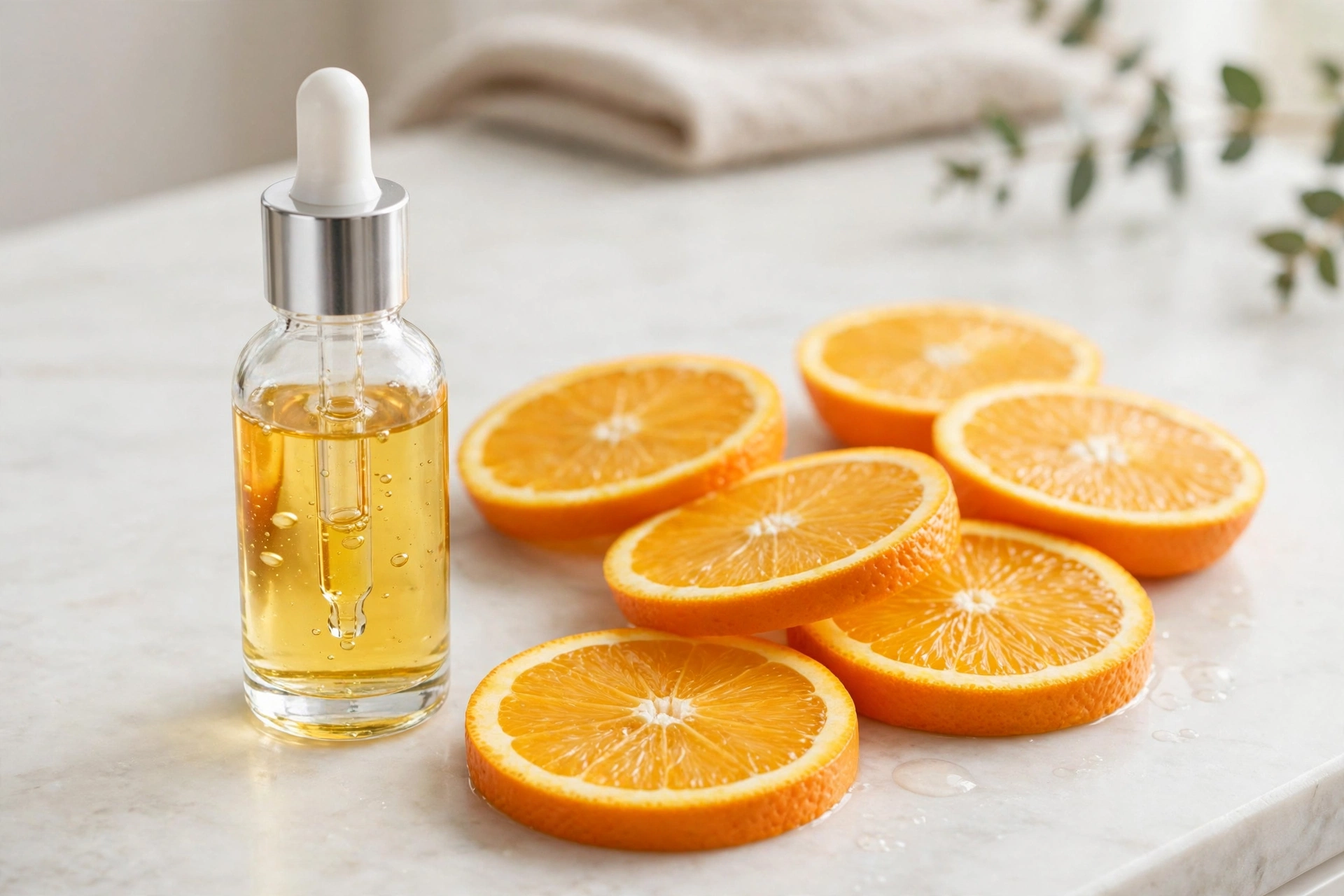
The best vitamin C serums for glowing skin in 2026 — how to choose the right formula, how to layer it, and what to avoid.
Read More arrow_forwardCalculate your Body Mass Index (BMI) in seconds. BMI is a quick screening number…
Use now arrow_forwardFind your daily calorie needs based on your age, sex, height, weight and activit…
Use now arrow_forwardFind how much water you should drink each day, in litres and glasses, based on y…
Use now arrow_forward