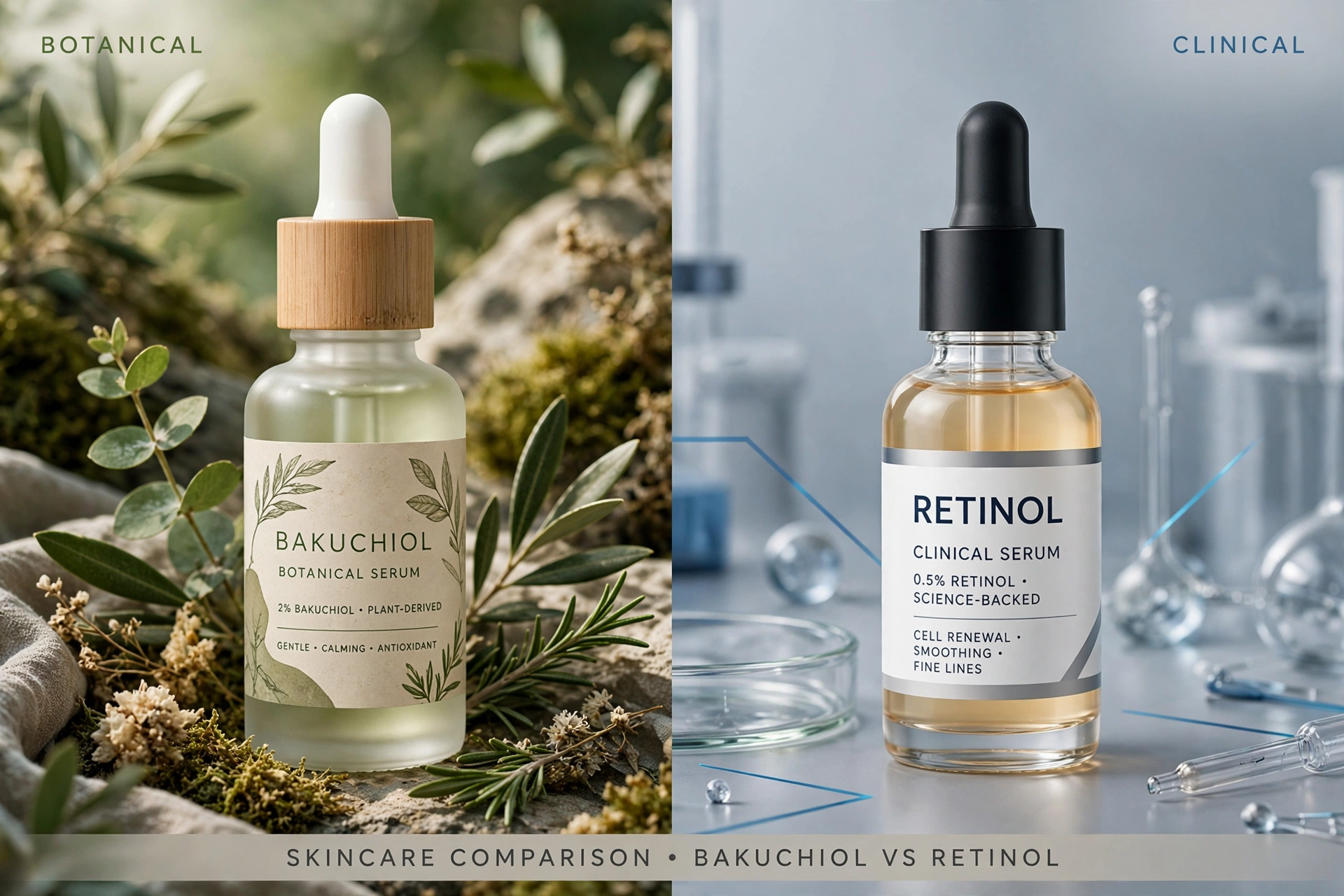
Bakuchiol vs Retinol: Which Anti-Aging Ingredient Is Right for You? (2026)
Bakuchiol vs retinol: compare effectiveness, side effects, and who should use which. Our 2026 guide helps you choose the right anti-aging ingredient.
Read More arrow_forwardDiscover the best moisturizer for oily skin in 2026 — lightweight, non-comedogenic picks that hydrate without clogging pores or causing shine.
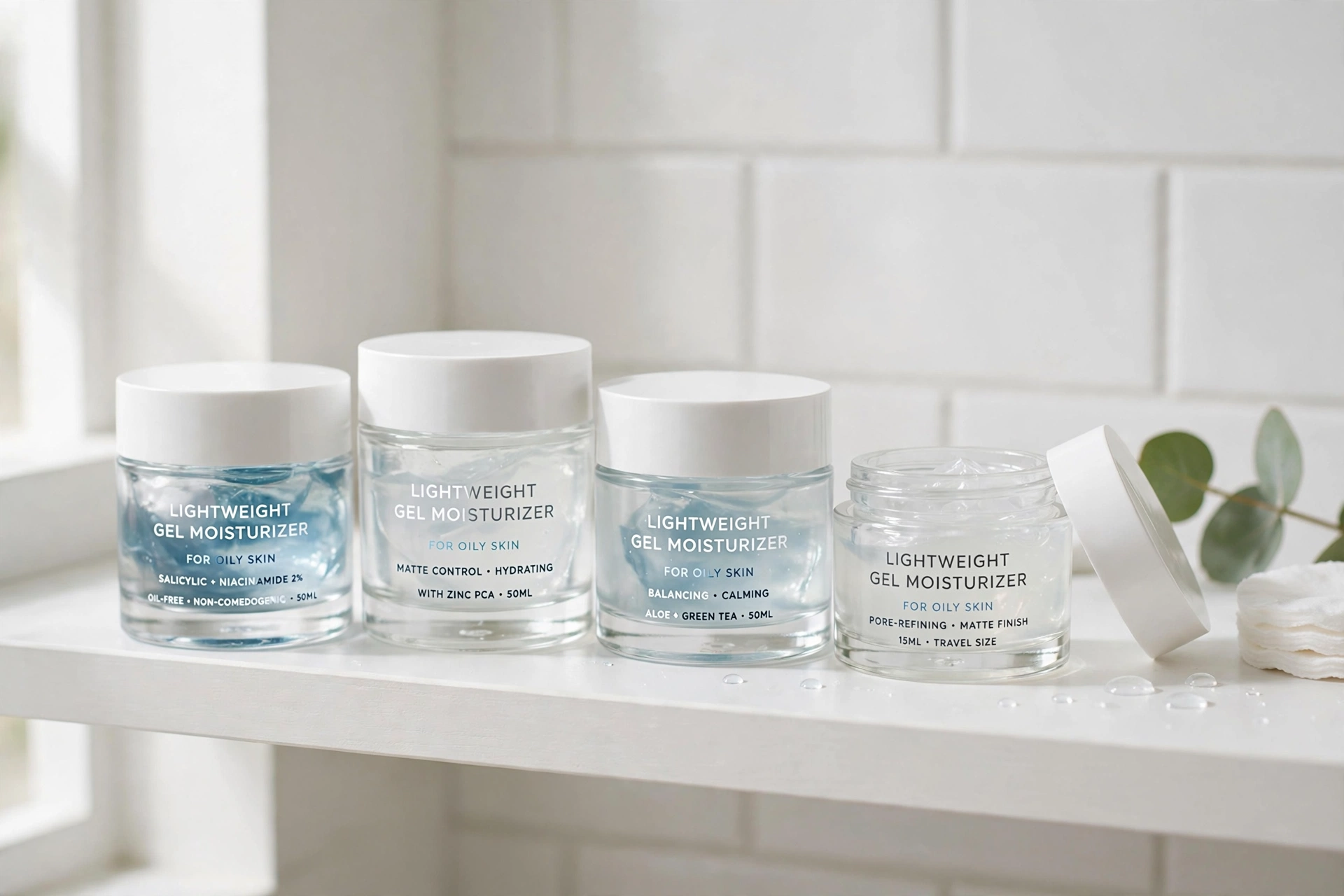
If you have oily skin, you have probably heard the same bad advice for years: skip the moisturizer. Your face is already shiny enough, right? Wrong. Skipping moisturizer is one of the fastest ways to make oily skin even oilier, because dehydrated skin compensates by pumping out more sebum. The real solution is finding the best moisturizer for oily skin — one that delivers lightweight, oil-free hydration without clogging pores, triggering breakouts, or leaving you looking like a glazed donut by noon.
In 2026, the moisturizer market for oily skin has never been better. Gel textures have gotten more elegant, oil-free formulas now hydrate more effectively, and ingredients like niacinamide, hyaluronic acid, and salicylic acid are showing up in moisturizers specifically engineered to keep shine under control. This guide walks you through everything: how to choose, what ingredients to look for (and avoid), and the top lightweight picks worth your money this year.
It sounds counterintuitive, but oily skin is often dehydrated skin in disguise. Your sebaceous glands produce oil (sebum), but oil is not the same as water. Skin can be simultaneously oily and dehydrated — producing excess sebum on the surface while the deeper layers are crying out for water. When you skip moisturizer, your skin senses the lack of hydration and responds by producing even more oil, creating a vicious cycle of shine, clogged pores, and breakouts.
Dermatologists describe a feedback loop that many oily-skinned people unknowingly fuel. Harsh cleansers strip the skin, no moisturizer follows, and the skin barrier becomes compromised. The barrier — your skin's protective outer layer — relies on a healthy balance of lipids and moisture to function. When it is damaged, transepidermal water loss increases, and sebaceous glands go into overdrive to compensate. The result? More shine, more congestion, and a weaker barrier that is more vulnerable to irritation and acne.
A proper oil-free moisturizer breaks this cycle by giving the skin the water-based hydration it needs, so the oil glands can finally relax. If your skin feels tight, flaky, or irritated despite being shiny, that is a textbook sign your barrier needs help. For a deeper dive into restoring it, check out our guide on how to repair a damaged skin barrier.
You will see the word "non-comedogenic" on nearly every moisturizer marketed to oily skin. The term means the product is formulated to avoid clogging pores. While there is no universal regulatory standard for the claim, reputable brands test their formulas on the comedogenicity scale and design products with lightweight emollients and humectants rather than heavy occlusives like cocoa butter or coconut oil. As a rule of thumb, look for gel, gel-cream, or water-based lotion textures — and always patch test a new product along your jawline for a few days before committing it to your full routine.
The best moisturizer for oily skin is not just about texture — it is about what is inside the jar or tube. These are the powerhouse ingredients that make a real difference for oily, combination, and acne-prone skin types.
Hyaluronic acid is a humectant that can hold up to 1,000 times its weight in water, making it ideal for oily skin because it delivers intense hydration without any oiliness. It draws moisture into the skin and keeps it there, plumping fine lines and leaving a smooth, non-greasy finish. Research published on ncbi.nlm.nih.gov has documented hyaluronic acid's effectiveness as a hydrating and skin-plumping agent. If you want to layer it under your moisturizer for an extra hydration boost, our hyaluronic acid serum guide explains exactly how to use it for maximum benefit.
Niacinamide (vitamin B3) is arguably the single best ingredient for oily skin in a moisturizer. It helps regulate sebum production, visibly tightens enlarged pores, strengthens the skin barrier, and calms redness — all in one ingredient. Multiple studies support its sebum-reducing effects at concentrations of 2–5%, which is why so many 2026 gel moisturizers feature it prominently. To understand the full range of what this multitasker can do, read our complete niacinamide serum benefits guide.
A moisturizer with a low concentration of salicylic acid does double duty: it hydrates while gently exfoliating inside the pore lining, dissolving the oil and dead skin cells that cause blackheads and whiteheads. Salicylic acid is oil-soluble, which means it can penetrate through sebum to keep pores clear — a unique advantage for oily skin. The American Academy of Dermatology notes that salicylic acid is one of the most effective over-the-counter ingredients for acne-prone skin. For a full breakdown of how BHAs work, see our salicylic acid for acne guide.
Glycerin and aloe vera: classic lightweight humectants that hydrate without heaviness.
Green tea extract: an antioxidant with anti-inflammatory and mild sebum-regulating properties.
Zinc PCA: helps control oil production and has antibacterial benefits.
Ceramides (in light doses): support the barrier without the heaviness of rich creams — ideal in gel-cream formulas.
Squalane (in small amounts): a lightweight, non-comedogenic oil that mimics skin's natural lipids.
Just as important as what to look for is what to skip. Heavy, pore-clogging ingredients can undo all the good work of an otherwise excellent formula.
Coconut oil, cocoa butter, wheat germ oil, and lanolin rank high on the comedogenicity scale and are best avoided in daily moisturizers for oily skin. Mineral oil is a debated ingredient — highly refined cosmetic-grade mineral oil is technically non-comedogenic, but many oily-skinned people prefer to avoid it in favor of lighter alternatives. As a general principle, if a moisturizer feels like it is sitting on top of your skin twenty minutes after application, it is probably too heavy for your skin type.
Added fragrance (listed as "parfum" or "fragrance") is a common irritant that can trigger sensitivity and breakouts, especially when the barrier is already compromised. If your skin is reactive as well as oily, consider switching to a fragrance-free formula. Drying alcohols like denatured alcohol or SD alcohol give a quick matte feel but strip the skin and worsen the dehydration-oil cycle over time. Fatty alcohols like cetyl alcohol, on the other hand, are perfectly fine — they are moisturizing, not drying.
After reviewing ingredient lists, textures, user feedback, and dermatologist recommendations, these are the standout moisturizers for oily skin this year. They are organized by category so you can find the right match for your budget and specific concerns.
Neutrogena Hydro Boost Water Gel remains the gold standard for a reason. Its hyaluronic acid–powered gel formula absorbs in seconds, delivers lasting hydration, and layers beautifully under sunscreen and makeup. The oil-free, non-comedogenic formula suits nearly every oily skin type, and the price point makes it easy to repurchase. Neutrogena's official product page at neutrogena.com details the full ingredient list. For daytime use, always follow with sunscreen — our roundup of the best sunscreens of 2026 will help you pick a non-greasy SPF that will not pill over your moisturizer.
CeraVe PM Facial Moisturizing Lotion is a drugstore hero that punches far above its price. It contains niacinamide, ceramides, and hyaluronic acid in a lightweight lotion texture that hydrates without shine. Despite the "PM" name, many oily-skinned people use it morning and night. Check the details on CeraVe's official site. At under fifteen dollars for a generous bottle, it is the best value moisturizer for oily skin in 2026.
La Roche-Posay Effaclar Mat is specifically formulated for oily, blemish-prone skin, with sebum-regulating ingredients and a mattifying finish that keeps shine at bay for hours. If breakouts are your main concern alongside oiliness, pairing this with a BHA treatment is a winning combination — our salicylic acid guide shows you how to layer them correctly.
Belif The True Cream Aqua Bomb (and its 2026 updated formula) delivers the famous Korean "aqua bomb" experience — an ultra-lightweight gel-cream that floods skin with hydration and dries down to a fresh, non-tacky finish. K-beauty gel moisturizers remain ahead of the curve on elegant textures for oily skin.
The Ordinary Natural Moisturizing Factors + HA now comes in an updated formula with added niacinamide, making it a superb affordable option for oil control plus hydration. The Ordinary's transparent ingredient philosophy makes it easy to know exactly what you are putting on your skin. For a stronger niacinamide treatment to layer underneath, see our niacinamide serum benefits guide.
Tatcha The Water Cream is the splurge-worthy pick — a water-burst moisturizer with Japanese botanicals that refines pores and delivers a soft-matte finish. It is expensive, but a little goes a long way, and oily-skinned reviewers consistently repurchase it.
Even the best moisturizer for oily skin will underperform if applied incorrectly. Follow these steps to get the most out of your product.
Use a pea-sized to dime-sized amount — more is not better with oily skin. Apply to slightly damp skin within 60 seconds of cleansing or toning; damp skin absorbs humectant-rich moisturizers far more effectively, a technique dermatologists call "soak and seal." In the morning, let the moisturizer absorb for two to three minutes before applying sunscreen to prevent pilling.
The golden rule of layering is thinnest to thickest: cleanser, toner, treatments and serums (like vitamin C or niacinamide), moisturizer, then sunscreen in the morning. If you use a vitamin C serum in the morning, apply it before your moisturizer so the antioxidant can penetrate properly. At night, your moisturizer is the final step unless you use a sleeping mask or facial oil — which most oily skin types can skip.
Your moisturizer works best on properly cleansed skin. If you wear sunscreen and makeup daily (and you should wear sunscreen), the double cleansing method — an oil cleanser followed by a water-based cleanser — ensures pores are truly clear so your lightweight moisturizer can absorb instead of sitting on top of residual grime.
For most oily skin types, one good lightweight moisturizer works for both morning and night. However, there are cases where splitting makes sense. In the morning, prioritize oil-free, mattifying formulas that layer well under SPF and makeup. At night, you can use a slightly richer gel-cream, especially if you use exfoliating actives like retinoids or AHAs that increase dryness. If you are using a retinoid at night, a barrier-supporting moisturizer is non-negotiable — and if you are curious about gentler alternatives, compare retinal vs retinol to see which vitamin A derivative suits your skin.
Skipping moisturizer entirely: the number one mistake, as discussed — it worsens oil production.
Over-cleansing: washing more than twice a day or using harsh sulfates strips the barrier and triggers rebound oiliness.
Using too much product: a thick layer of even a lightweight moisturizer can clog pores; a dime-sized amount is plenty.
Applying moisturizer to dry skin: humectants need water to work with — apply to damp skin.
Skipping sunscreen: UV damage thickens skin and enlarges pores over time, making oiliness look worse. A non-greasy SPF is essential; see our 2026 sunscreen guide.
Constant blotting with harsh papers: occasional blotting is fine, but aggressive blotting throughout the day can irritate skin.
Yes — absolutely. Oily skin needs water-based hydration just like every other skin type. Skipping moisturizer typically causes dehydrated skin to produce even more oil to compensate. The key is choosing an oil-free, non-comedogenic gel or gel-cream formula rather than a heavy cream. Look for humectants like hyaluronic acid and glycerin, which hydrate without adding oil.
The best moisturizer for oily, acne-prone skin combines lightweight hydration with pore-clearing or calming ingredients. Look for formulas containing niacinamide (regulates sebum), salicylic acid (keeps pores clear), or ceramides (support the barrier). La Roche-Posay Effaclar Mat and CeraVe PM are excellent starting points. Avoid heavy occlusives like coconut oil and cocoa butter, and introduce only one new product at a time so you can identify any triggers.
A moisturizer can cause breakouts if it contains comedogenic ingredients, heavy oils, or irritating fragrance — but a well-formulated oil-free moisturizer should not. If you break out after starting a new moisturizer, check the ingredient list for common culprits like isopropyl myristate, coconut oil, or wheat germ oil. Patch test new products on your jawline for several days, and remember that purging only happens with exfoliating actives, not with basic moisturizers.
Gel and gel-cream textures are generally better for oily skin because they are water-based, absorb quickly, and do not leave a greasy residue. Traditional creams contain more oils and occlusives, which can feel heavy and clog pores on oily skin types. That said, in very dry climates or winter months, some oily-skinned people benefit from a slightly richer gel-cream at night. Let your skin's feel guide you.
Twice daily — morning and night — is the standard recommendation. In the morning, moisturizer preps skin for sunscreen and makeup; at night, it supports barrier repair while you sleep. If your skin feels comfortable with a single application, that is fine too, but never skip it entirely. Always apply to slightly damp skin for best absorption.
Many people with oily skin do well switching formulas seasonally. In hot, humid summer months, an ultra-lightweight water gel is usually enough. In winter, when indoor heating and cold air increase water loss, a gel-cream with ceramides provides extra barrier support without heaviness. Pay attention to how your skin feels rather than following a rigid calendar.
A hyaluronic acid serum is a great complement to a moisturizer, but it should not replace one entirely. Serums deliver concentrated actives, while moisturizers seal in hydration and support the barrier with emollients and occlusives (even lightweight ones). For oily skin, the ideal routine is a hyaluronic acid serum followed by a light gel moisturizer — our hyaluronic acid serum guide explains the ideal layering technique.
Niacinamide has solid research behind its sebum-regulating effects. Studies show that topical niacinamide at 2–5% concentrations can significantly reduce sebum excretion rates over several weeks of consistent use. It also minimizes the appearance of enlarged pores and strengthens the skin barrier. It is not an overnight fix — expect visible improvement in oil control after 4–8 weeks of daily use.
Oily skin still needs moisturizer — skipping it triggers rebound oil production and barrier damage.
The best moisturizer for oily skin is oil-free, non-comedogenic, and gel or gel-cream textured.
Look for hyaluronic acid, niacinamide, salicylic acid, glycerin, and green tea extract on the ingredient list.
Avoid coconut oil, cocoa butter, heavy fragrance, and drying alcohols.
Apply a dime-sized amount to damp skin twice daily, thinnest to thickest in your routine.
Top 2026 picks range from budget (CeraVe PM) to luxury (Tatcha The Water Cream), with Neutrogena Hydro Boost as the best all-rounder.
Always pair your morning moisturizer with a non-greasy sunscreen.
Finding the best moisturizer for oily skin in 2026 comes down to a simple formula: lightweight texture plus smart ingredients minus pore-clogging heaviness. Whether you choose the tried-and-true Neutrogena Hydro Boost, the budget-friendly CeraVe PM, or a K-beauty aqua bomb, the most important step is simply using one consistently — morning and night, on damp skin. Give any new moisturizer four to six weeks to show its full oil-balancing effects, introduce products one at a time, and remember that hydration and oil control are partners, not opposites. Your skin will thank you with fewer breakouts, less midday shine, and a healthier barrier that keeps everything in balance.
Bakuchiol vs retinol: compare effectiveness, side effects, and who should use which. Our 2026 guide helps you choose the right anti-aging ingredient.
Read More arrow_forward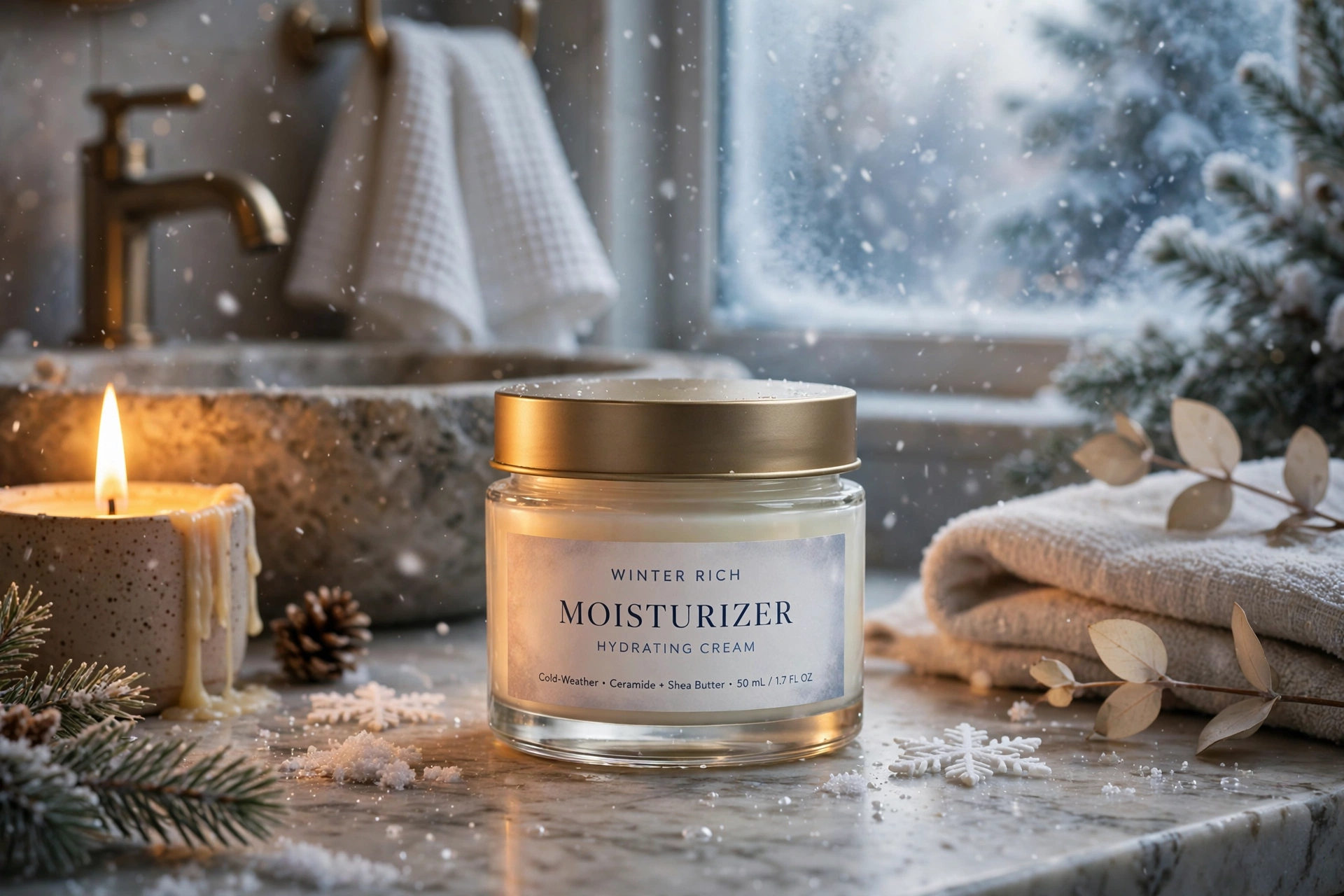
The best winter skincare routine for dry skin in 2026 — hydrating layers, barrier repair tips, and dermatologist-backed product picks that work.
Read More arrow_forward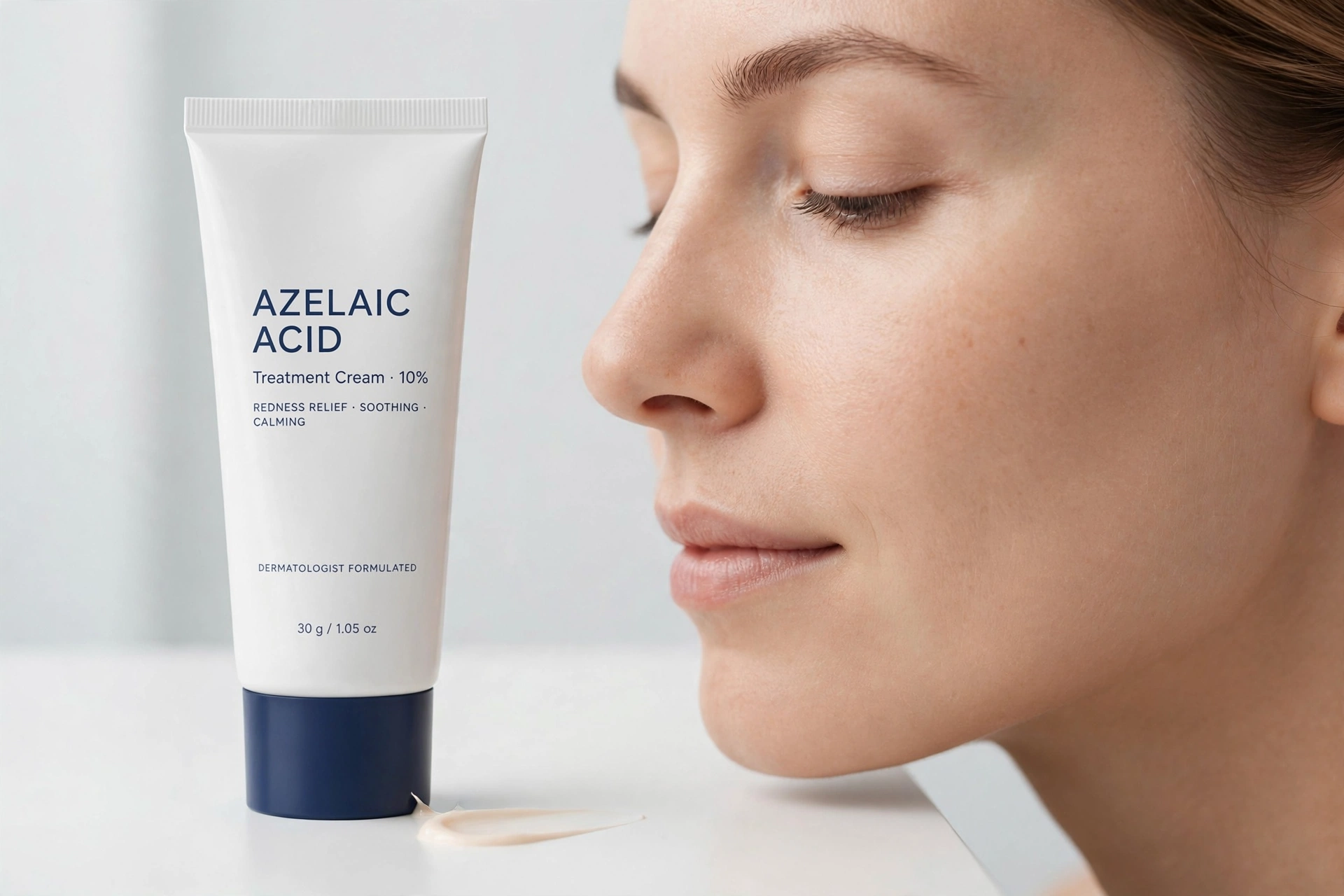
Azelaic acid for rosacea and redness explained: how it works, the best 10-20% products of 2026, how to layer it, and what results to expect.
Read More arrow_forward
Explore snail mucin benefits — the K-beauty powerhouse that hydrates, repairs, and brightens skin. How to use it, best products, and what science says.
Read More arrow_forward
The best vitamin C serums for glowing skin in 2026 — how to choose the right formula, how to layer it, and what to avoid.
Read More arrow_forwardCalculate your Body Mass Index (BMI) in seconds. BMI is a quick screening number…
Use now arrow_forwardFind your daily calorie needs based on your age, sex, height, weight and activit…
Use now arrow_forwardFind how much water you should drink each day, in litres and glasses, based on y…
Use now arrow_forward