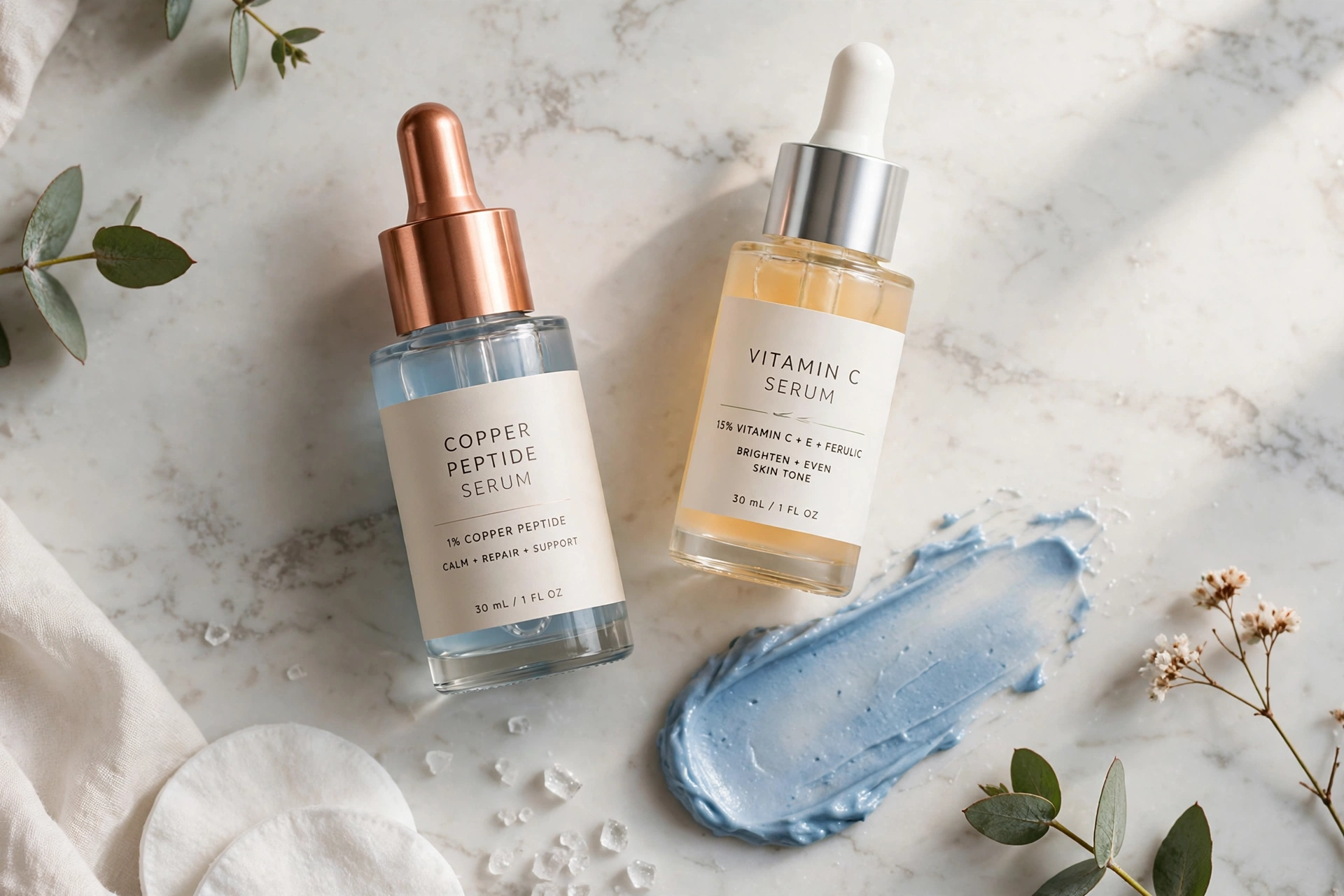
Can You Use Copper Peptides and Vitamin C Together UK? A Firming Guide
Can copper peptides and vitamin C be layered safely? A UK firming guide on order, routines, and who should skip the mix.
Read More arrow_forwardLearn whether glycolic and salicylic acid can be combined in the UK, including alternation schedules, safe layering and the best Boots and Superdrug picks.
If you have been asking, can you use glycolic acid and salicylic acid together uk, you are not alone — this is one of the most searched exfoliation questions in Britain, because both acids promise smoother, clearer skin but work in very different ways. The short answer is yes, you can use them both in the same routine, but how you combine them matters enormously. Used carelessly on the same night, they can over-exfoliate, damage your skin barrier and leave you red, flaky and more breakout-prone than when you started. Used thoughtfully, alternating them across the week, they are a genuinely powerful team: glycolic acid sweeps away surface dullness while salicylic acid dives into pores to clear blackheads and congestion from within.
This guide explains the safest way to use both acids, whether you should alternate or layer them, how often each skin type should exfoliate, and which UK products from Boots, Superdrug and Cult Beauty make the routine easy. It also covers the warning signs of over-exfoliation, what to do if you have already overdone it, and how to protect your skin with barrier repair and sunscreen, which is non-negotiable whenever acids are involved.
## Can You Use Glycolic Acid and Salicylic Acid Together UK? The Short Answer
Yes, you can use glycolic acid and salicylic acid together in the UK, but for most people the safest approach is to alternate them on different nights rather than layering them in the same routine. Glycolic acid is an alpha hydroxy acid (AHA) that works on the skin's surface, loosening the bonds between dead skin cells so they shed more easily. Salicylic acid is a beta hydroxy acid (BHA) that is oil-soluble, so it can travel inside pores, dissolve sebum plugs and calm inflammation. Because they target different layers of skin, they complement each other beautifully — but because both are exfoliants, using them together doubles the exfoliation load on your barrier in a single evening.
Dermatologists generally advise beginners and sensitive skin types to keep them on separate nights, for example glycolic acid on Mondays and Thursdays and salicylic acid on Wednesdays and Saturdays, with rest nights in between. Experienced users with oily, resilient skin sometimes layer them — typically a salicylic acid product first, followed by glycolic acid — but even then, this should be occasional rather than nightly, and only with low percentages. If you are ever unsure, alternation is the answer: you still get the benefits of both acids across the week without the risk of stripping your barrier in one go. The [British Association of Dermatologists](https://www.bad.org.uk/) advises that overuse of exfoliating acids is a common cause of irritant dermatitis, which is why a measured schedule beats an aggressive one every time.
UK conditions make this caution even more relevant. Cold wind, central heating and hard water already stress British skin through autumn and winter, so an exfoliation routine that feels fine in summer can suddenly become too much in November. Start conservatively, watch how your skin responds for a full two weeks before changing anything, and remember that more exfoliation is not better — the goal is steady, gentle renewal, not a dramatic peel every night.
## How Glycolic Acid and Salicylic Acid Work Differently
Understanding the difference between these two acids is the key to combining them safely. Glycolic acid has the smallest molecular size of any AHA, which means it penetrates quickly and effectively, but also that it can be irritating, particularly at higher percentages. It works by dissolving the "glue" between dead cells on the surface, revealing fresher skin underneath, improving dullness, rough texture, fine lines and post-acne marks. It is water-soluble, so it works best on the surface rather than inside pores, and it also acts as a humectant, drawing moisture into the skin when used at sensible strengths.
Salicylic acid works differently. Because it is oil-soluble, it can mix with the sebum inside your pores and dissolve the plugs that cause blackheads, whiteheads and congestion, especially around the nose, chin and forehead. It is also anti-inflammatory, which is why it suits acne-prone and red, angry breakouts better than most other acids. Unlike glycolic acid, it does not primarily target surface dullness, so the two acids genuinely cover different jobs. That is why so many people want both: glycolic acid for glow and texture, salicylic acid for clear pores.
The important point is that their different mechanisms do not cancel each other out, but their irritation potential adds up. Both acids lower the skin's pH temporarily and both accelerate shedding, so combining them in one routine is effectively a double-strength exfoliation session. This is why the method of combination — alternate versus layer — matters more than the mere fact of using both. For a broader map of how ingredient pairings work, our [skincare ingredient combinations guide](https://www.glowmagzine.com/blog/skincare-ingredient-combinations-guide-uk/) explains which combinations are safe, which need caution, and which should never share a routine.
## How to Use Glycolic Acid and Salicylic Acid Together UK Safely
The safest, most effective routine for most UK skin types is alternation. Here is a practical weekly template you can adapt to your own skin.
### Alternate Nights: The Gold-Standard Schedule
A simple beginner schedule looks like this: Monday, glycolic acid; Tuesday, rest; Wednesday, salicylic acid; Thursday, rest; Friday, glycolic acid; Saturday, rest; Sunday, salicylic acid or rest, depending on how your skin feels. That gives you two sessions of each acid per week with rest days between every active night. On rest nights, focus on hydration and barrier support: a gentle cleanser, a ceramide moisturiser and nothing else active. Oily, resilient skin can eventually move to three sessions of each per week, but only after at least a month of comfortable twice-weekly use.
Start with low percentages. For glycolic acid, look for 5 to 7 percent in a leave-on toner or serum; for salicylic acid, 1 to 2 percent is the standard effective range, and higher is rarely better. Use one acid product per active night, not two products containing the same acid layered together. Apply to clean, dry skin in the evening, wait a few minutes, then follow with a plain, fragrance-free moisturiser. If you are also using retinol, keep it on separate nights from both acids until your skin is fully adjusted, because combining retinol with acids is one of the fastest routes to irritation. Our guide to whether you can [mix AHA and BHA with retinol](https://www.glowmagzine.com/blog/aha-bha-and-retinol-together-uk/) covers that three-way combination in detail.
### Can You Layer Them in the Same Routine?
Layering is possible but should be reserved for experienced users with oily, non-sensitive skin who have already tolerated each acid separately for several weeks. If you do layer, apply salicylic acid first, because it needs to reach inside pores, then wait ten to fifteen minutes before applying glycolic acid on top, and keep both percentages low. Never layer two strong products — for example, a 10 percent glycolic peel plus a 2 percent salicylic treatment — in one evening, and never layer them nightly. Once a week at most is a sensible ceiling for layering, with alternation on other nights.
A smarter middle ground for many people is split-face or zoned use: salicylic acid only on the oily T-zone where blackheads cluster, and glycolic acid on the cheeks and forehead where dullness and texture are the concern. This gives each area exactly what it needs without doubling exfoliation anywhere. It is particularly useful if you get congestion on your forehead but dryness on your cheeks, a very common UK combination skin pattern.
### Morning Rules: Sunscreen Is Non-Negotiable
Both acids increase sun sensitivity by thinning the outer layer of dead cells, so daily broad-spectrum sunscreen is essential, even in British winter. UV penetrates cloud cover, and the whole point of exfoliation is to reveal fresh skin that is more vulnerable to sun damage. Use SPF 30 at minimum, SPF 50 if you are fair, use acids regularly, or have post-inflammatory marks you are trying to fade. Apply sunscreen every morning as the last step of your routine, and reapply if you are outdoors for long periods. Skipping sunscreen while using acids is the single fastest way to undo their brightening benefits and worsen pigmentation.
## Can You Use Glycolic Acid and Salicylic Acid Together UK Every Day?
For the vast majority of people, no — using either acid every day is already a lot, and using both daily is almost certain to over-exfoliate. Daily glycolic acid use suits only a small minority with very oily, resilient skin using low percentages, and daily salicylic acid is generally only recommended as a targeted spot treatment rather than a full-face leave-on. Combining them daily would mean your barrier never gets a recovery window, and the result is usually increased breakouts, not fewer, because a damaged barrier is more vulnerable to bacteria and inflammation.
A useful mental model is that exfoliation is like exercise: the benefit comes from the recovery, not from the session itself. Your skin needs rest nights to rebuild its barrier, produce new lipids and calm any low-level inflammation. If you exfoliate daily, you are constantly breaking down faster than you rebuild, and skin becomes sensitised, shiny in an unhealthy way, and reactive to products that never bothered it before. Two to three active nights per week per acid, with rest days between, delivers the glow and clarity most people want without the damage. If your skin is dry, sensitive or mature, once a week per acid may be plenty.
There are exceptions worth noting. A gentle salicylic acid cleanser used for sixty seconds and rinsed off is far milder than a leave-on 2 percent treatment, and many people use such a cleanser daily without issue, even alongside a weekly glycolic toner. The distinction is contact time and concentration: rinse-off products at low strength are a different category from leave-on treatments. Similarly, if you have fungal acne on the forehead, which thrives in oily, humid conditions, salicylic acid can be particularly helpful, and our guide on treating fungal acne on the forehead explains how to combine it with antifungal care safely.
## Best Glycolic and Salicylic Acid Products in the UK
The UK market is well stocked for both acids at every budget, so you do not need to import anything. For glycolic acid, The Ordinary Glycolic Acid 7% Toning Solution, around £9 at Boots and Superdrug, is the classic budget option and an excellent starting point, though its 7 percent strength means sensitive skin should start with twice-weekly use. Pixi Glow Tonic, around £18 at Boots, is a gentler 5 percent glycolic toner with aloe and ginseng that suits beginners and dry skin better. At the premium end, Alpha-H Liquid Gold, around £49 at Cult Beauty, is a cult favourite 5 percent glycolic treatment with liquorice extract for brightening.
For salicylic acid, CeraVe SA Smoothing Cleanser, around £12 at Boots and Superdrug, is a gentle rinse-off starting point that combines salicylic acid with ceramides for barrier support. Paula's Choice Skin Perfecting 2% BHA Liquid Exfoliant, around £36 at Cult Beauty and Boots, is the benchmark leave-on salicylic treatment and a favourite of dermatologists worldwide. The Ordinary Salicylic Acid 2% Solution, around £7 at Boots, is the budget leave-on alternative. When choosing, avoid products that combine high percentages of both acids in a single formula unless you are experienced, and always patch test a new acid on your jawline for three nights before full-face use.
Dermatology guidance from [DermNet NZ](https://dermnetnz.org/), a trusted dermatologist-reviewed resource, explains that chemical exfoliants should be introduced one at a time so that any reaction can be traced to a single product. That principle applies doubly here: start one acid, use it happily for two weeks, then add the second on alternate nights. If irritation appears, you will know exactly which change caused it.
## Warning Signs of Over-Exfoliation and How to Recover
Over-exfoliation is common and recoverable, but recognising it early saves weeks of discomfort. Warning signs include persistent redness, stinging when you apply plain water or moisturiser, flaking or peeling that does not settle, a tight, shiny appearance, new breakouts in areas you do not normally break out, and products that previously felt fine suddenly burning. If several of these appear together, you have almost certainly overdone it.
Recovery is simple but requires discipline: stop all acids, retinoids and vitamin C immediately, and switch to a bare-bones routine of gentle cleanser, ceramide-rich moisturiser and sunscreen for at least one to two weeks. Do not try to "scrub away" the flaking, and do not add new soothing actives on top of irritated skin — simplicity is the treatment. Once skin feels completely calm for several days, reintroduce one acid at a time, once a week, and build up far more slowly than before. Our guide on [how to repair a damaged skin barrier](https://www.glowmagzine.com/blog/how-to-repair-damaged-skin-barrier-uk/) has a full recovery plan, and if redness or burning persists beyond two weeks, the NHS advises seeking GP or pharmacist advice, with [NHS skin condition guidance](https://www.nhs.uk/conditions/) a sensible starting point.
One more caution: never use glycolic or salicylic acid immediately before or after professional treatments such as chemical peels, microneedling, laser or even facial waxing, unless your practitioner specifically advises it. These treatments already create controlled injury to the skin, and adding home acids on top dramatically increases the risk of burns, pigmentation and prolonged redness. As a rule, pause acids for at least a week before and after any in-clinic procedure.
## Frequently Asked Questions
### Can I use glycolic acid in the morning and salicylic acid at night?
Yes, this is a legitimate way to use both acids on the same day without layering them, and some people prefer it. However, glycolic acid in the morning still increases sun sensitivity for the whole day, so sunscreen becomes even more critical. For most people, alternate nights remain simpler and gentler than a morning-and-night split.
### Which acid should I start with if I have both dullness and blackheads?
Start with salicylic acid if blackheads and congestion bother you most, or glycolic acid if dullness and rough texture are your main concern. Use your first choice alone for two weeks, then add the second on alternate nights. Starting both at once makes it impossible to tell which one your skin likes or dislikes.
### Can I use glycolic and salicylic acid together if I have sensitive skin?
Sensitive skin can use both, but with extra caution: lower percentages, once a week each, never layered, and always buffered with a ceramide moisturiser. Patch test carefully, and if you have rosacea or eczema, speak to a dermatologist first, as acids can trigger flare-ups in reactive skin. A gentler vitamin C serum for sensitive skin covers milder brightening alternatives if acids prove too much.
### Do glycolic and salicylic acid cancel each other out?
No, they do not cancel each other out chemically. They work at different depths — glycolic on the surface, salicylic inside pores — so their benefits are complementary. The risk of combining them is not cancellation but over-exfoliation, which is why scheduling and frequency matter more than the combination itself.
### Can I use niacinamide with glycolic and salicylic acid?
Yes, niacinamide pairs well with both acids and can actually reduce redness from exfoliation. It is a calming, barrier-supporting ingredient that fits easily into the same routine, either in your moisturiser or as a separate serum. Our guide to using [niacinamide and vitamin C together](https://www.glowmagzine.com/blog/niacinamide-and-vitamin-c-together-uk/) explains how niacinamide behaves alongside other strong actives.
### How long before I see results from using both acids?
Clearer pores from salicylic acid often improve within two to four weeks, while glycolic acid's brightening and texture benefits usually take four to eight weeks. Be patient and resist the urge to increase frequency if results feel slow; over-exfoliation will set you back further than a steady routine ever will.
### Should I stop acids in winter?
You do not need to stop them entirely, but many UK skincare lovers reduce frequency in winter, when cold air and central heating already strain the barrier. Dropping from three sessions a week to two, and leaning on ceramide moisturisers, is a sensible seasonal adjustment. Our [winter skincare routine for sensitive skin](https://www.glowmagzine.com/blog/winter-skincare-routine-for-sensitive-skin-uk/) has a full cold-weather plan.
## Key Takeaways
- Glycolic acid (AHA) exfoliates the surface for glow and texture; salicylic acid (BHA) works inside pores to clear blackheads and congestion.
- Yes, you can use both, but alternating nights is safer than layering them in the same routine for most people.
- Start with low percentages — 5 to 7 percent glycolic, 1 to 2 percent salicylic — and introduce one acid at a time.
- Keep two to three active nights per week per acid maximum, with rest nights focused on hydration and barrier repair.
- Layering is only for experienced, oily, non-sensitive skin, once a week at most, salicylic first with a ten to fifteen minute wait.
- Daily broad-spectrum SPF 30 or 50 is essential whenever you use either acid, even on cloudy UK days.
- Warning signs of over-exfoliation include stinging, persistent redness and flaking — recover with a bare-bones ceramide routine for one to two weeks.
## Conclusion
So, can you use glycolic acid and salicylic acid together uk? Yes — and when you alternate them sensibly across the week, they are one of the most effective combinations for skin that is both dull and congested. The secret is not a clever product but a sensible schedule: low percentages, one acid at a time to start, rest nights for barrier recovery, and sunscreen every single morning. Avoid the temptation to layer strong versions nightly, watch for the early signs of over-exfoliation, and give the routine six to eight weeks to show its full effect. With affordable UK options from Boots, Superdrug and Cult Beauty and a little patience, you can enjoy clearer pores and a brighter, smoother complexion without damaging the barrier that keeps your skin healthy in the first place.
Can copper peptides and vitamin C be layered safely? A UK firming guide on order, routines, and who should skip the mix.
Read More arrow_forward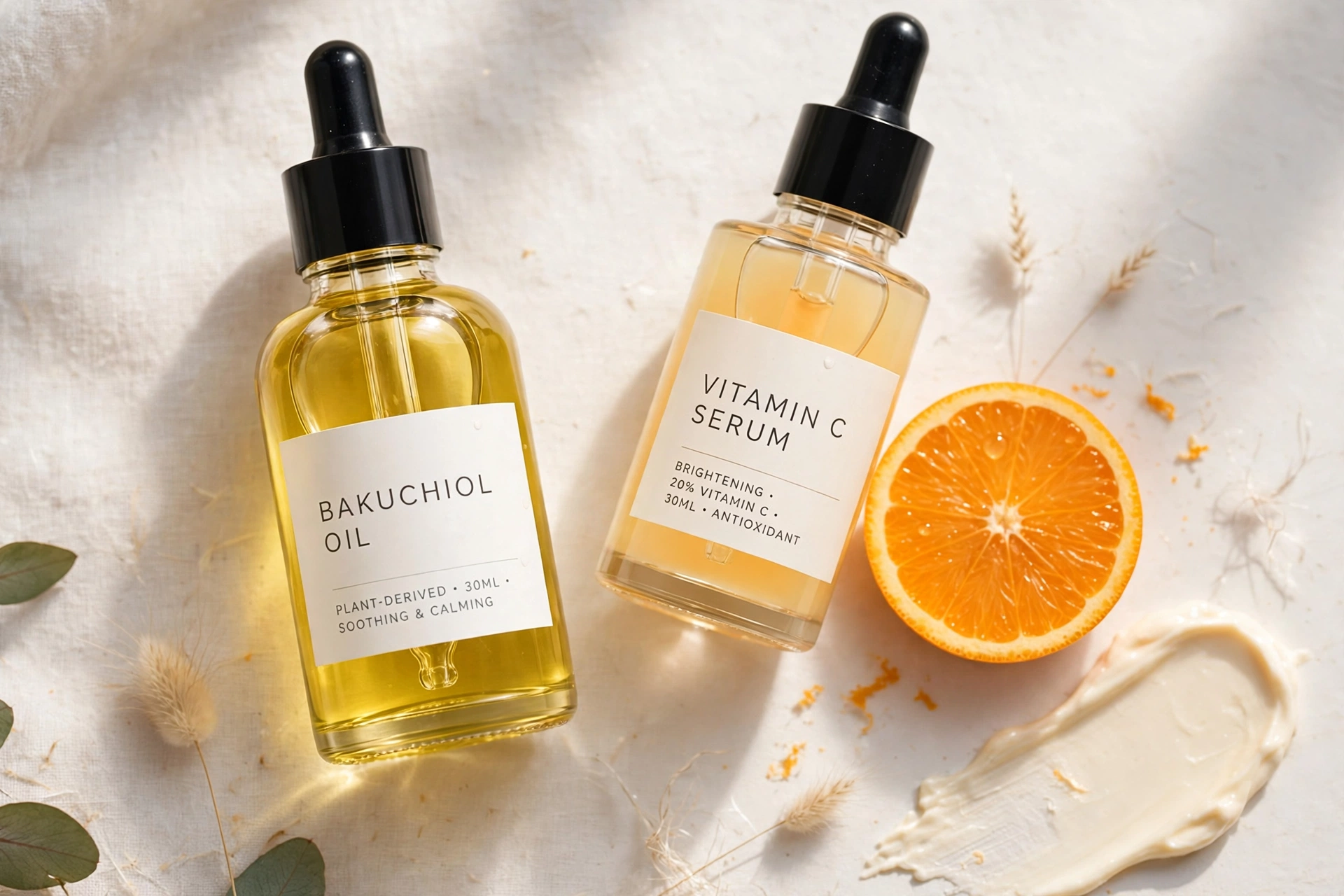
A gentle UK guide to pairing bakuchiol with vitamin C: layering order, AM/PM routines, who should avoid it, and how to get glow without irritation.
Read More arrow_forward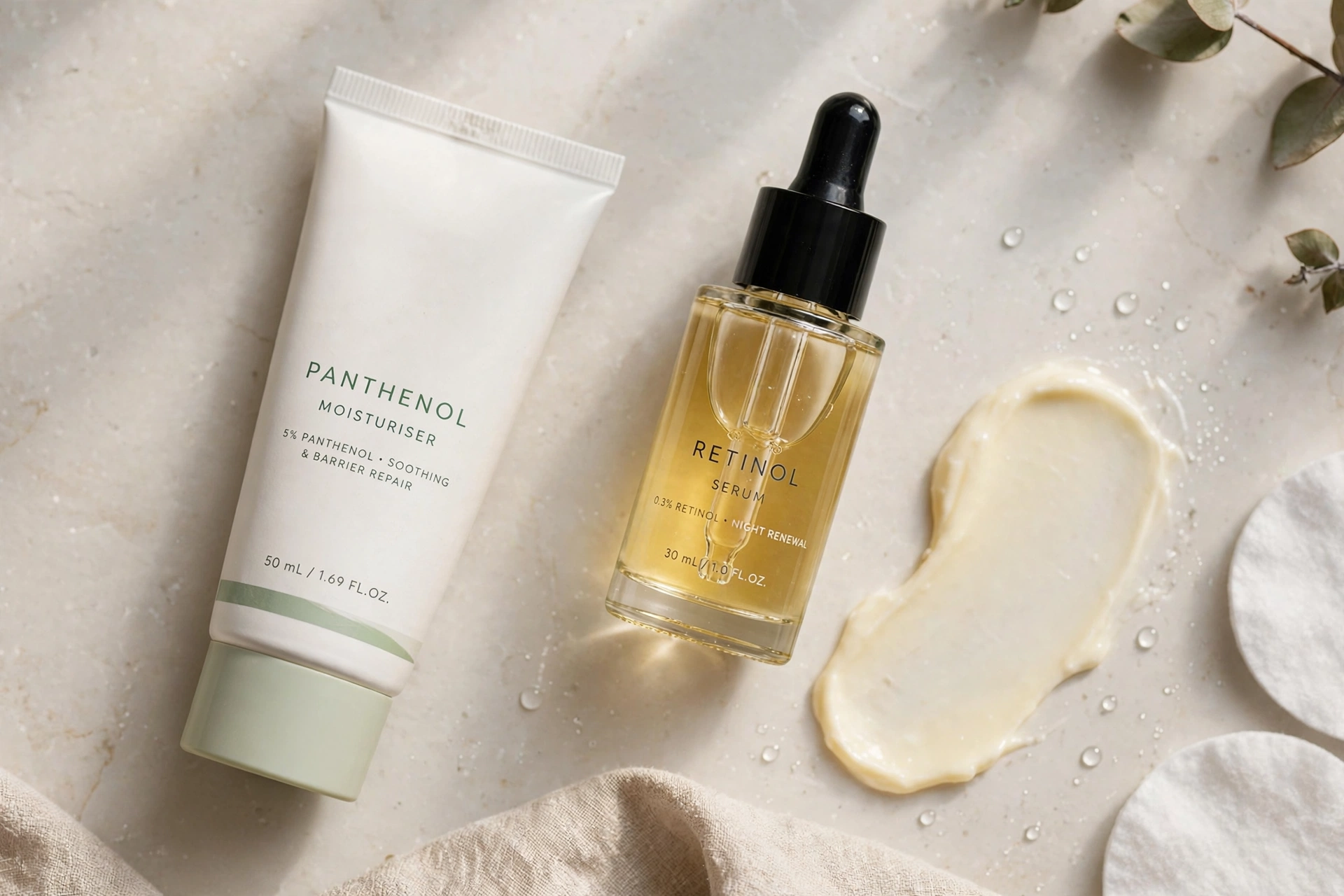
A calm-skin UK guide to pairing panthenol with retinol: layering order, AM/PM routines, who should avoid it, and how to keep irritation low.
Read More arrow_forward
Discover how urea and salicylic acid work together for smoother, softer skin, plus UK layering tips, strengths, and routines for dry or bumpy skin.
Read More arrow_forward
Can you use bakuchiol and retinol together UK? Yes — this gentle pairing guide explains layering order, routines and who should avoid it.
Read More arrow_forwardCalculate your Body Mass Index (BMI) in seconds. BMI is a quick screening number…
Use now arrow_forwardFind your daily calorie needs based on your age, sex, height, weight and activit…
Use now arrow_forwardFind how much water you should drink each day, in litres and glasses, based on y…
Use now arrow_forward