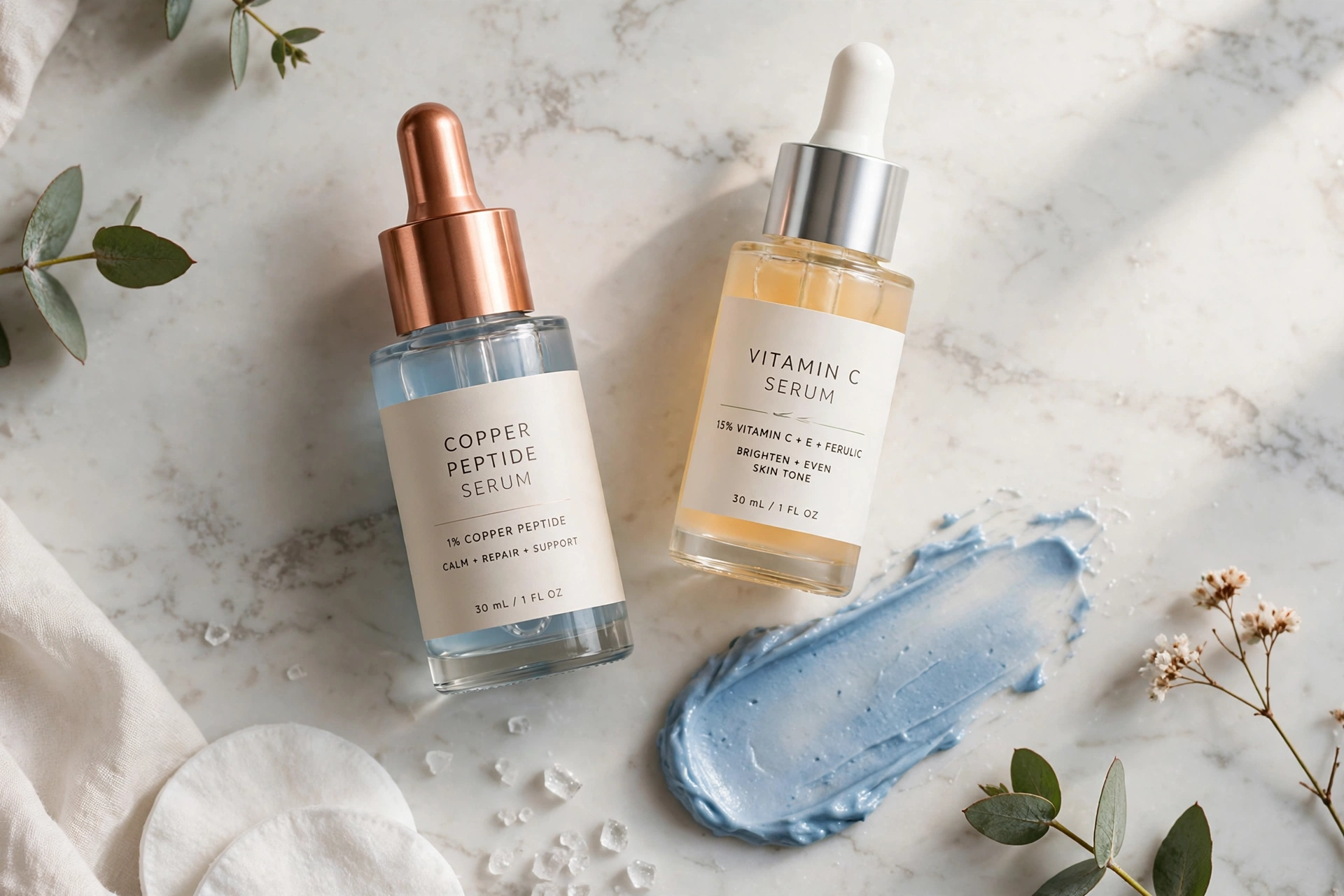
Can You Use Copper Peptides and Vitamin C Together UK? A Firming Guide
Can copper peptides and vitamin C be layered safely? A UK firming guide on order, routines, and who should skip the mix.
Read More arrow_forwardDiscover how urea and salicylic acid work together for smoother, softer skin, plus UK layering tips, strengths, and routines for dry or bumpy skin.
If you struggle with rough patches, bumpy arms, dry shins or flaky elbows, you have probably wondered about the question: can you use urea and salicylic acid together uk skincare shoppers ask so often in Boots, Superdrug and Cult Beauty aisles. The short answer is yes, for most people these two ingredients can work beautifully as a team, provided you choose sensible strengths, introduce them gradually and support your skin barrier with a good moisturiser. Urea hydrates and softens hardened skin, while salicylic acid loosens the bonds between dead skin cells so that roughness can shed more easily. Used together, they tackle texture from two directions at once, which is why this pairing has become a favourite for keratosis pilaris, callused feet, rough knees and generally dry, uneven skin across the UK.
That does not mean you should pile on the strongest versions of both on day one. British weather, with its cold winters, central heating, hard water in many areas and frequent shifts between damp and dry air, already stresses the skin barrier. A thoughtful routine matters more than a strong one. This guide explains what each ingredient does, how to layer them safely, which strengths suit different skin types, what to avoid, and how to shop for suitable products in the UK without overspending. Whether you want smoother legs before a holiday, softer hands through winter or a gentler way to manage bumpy skin on your upper arms, you will find a practical routine here that you can adapt to your own skin.
It is also worth setting expectations honestly. No over-the-counter pairing will transform skin overnight, and persistent, painful, inflamed or spreading skin problems deserve a pharmacist or GP check rather than a new cream alone. But for everyday roughness, dryness and mild bumpiness, urea and salicylic acid together are one of the most reliable, affordable and well-understood combinations available on the UK high street. The key is patience, consistency and barrier support, not intensity.
Can You Use Urea and Salicylic Acid Together UK? The Short Answer
Yes, you can use urea and salicylic acid together, and dermatologists and formulators frequently combine them in the same product for exactly this reason. Urea is a humectant and, at higher strengths, a keratolytic, which means it draws water into the skin and helps soften thickened, scaly areas. Salicylic acid is a beta hydroxy acid that works inside pores and on the skin surface to dissolve the glue holding dead cells together. Together they hydrate, soften and exfoliate, so skin feels smoother and looks more even, often faster than either ingredient would manage alone.
The pairing works best when you treat it as a gradual programme rather than a one-off treatment. Start with lower strengths, use the combination two or three times a week, and watch how your skin responds for at least two weeks before increasing frequency. If your skin feels tight, stings for more than a few minutes, becomes red or starts flaking heavily, scale back. That is not failure; it is useful feedback. Skin that is already irritated, sunburnt, broken or eczema-prone in a particular patch should be left alone until it calms, and you should never apply strong exfoliating combinations to open cuts or freshly shaved, sore skin.
What Each Ingredient Does
Urea is naturally present in healthy skin as part of its natural moisturising factor, the mixture that keeps the outer layer supple. When applied in skincare, low strengths of around five percent mainly hydrate, while strengths of ten percent and above also help break down rough, thickened skin. That dual action is rare and valuable: many exfoliants dry skin out, but urea replaces moisture at the same time. It is particularly helpful for dry legs, elbows, heels and hands, and for conditions where skin becomes thick and scaly.
Salicylic acid, by contrast, is oil-soluble, so it can work within pores as well as on the surface. It is best known for spot-prone skin, but at body-care strengths it is equally useful for rough texture, clogged hair follicles and flaky patches. It encourages dead cells to shed in a more orderly way, which reduces bumpiness and helps moisturisers penetrate better afterwards. On the face it is usually used at lower strengths, while body products may use higher strengths because body skin is thicker and more tolerant.
Why They Work Well Together
Think of urea as the softener and salicylic acid as the loosener. Urea draws water into hardened skin and makes it more pliable, so salicylic acid can work more evenly and with less irritation than it might on dry, tight skin. In turn, salicylic acid clears away the surface build-up that can stop urea and other moisturisers from sinking in properly. The result is a virtuous cycle: softer skin exfoliates more comfortably, and better-exfoliated skin absorbs hydration more effectively.
This synergy is why you will find the two combined in many UK foot creams, body lotions for rough skin and treatments for bumpy arms. Buying a single combined product is often the simplest and safest route, because the manufacturer has already balanced the strengths and pH. If you prefer to layer two separate products, the same principles apply, but you need to be more careful about total strength and frequency, as described below.
Understanding Urea Strengths and Skin Types
Not all urea products are the same, and strength matters more than brand. In the UK you will generally see urea listed at five, ten, twenty or sometimes twenty-five percent, with foot-specific products at the higher end. Choosing the right strength for your area and skin type prevents most problems before they start, and it saves money because you will not need to replace a product that proves too strong.
For everyday dryness on the body, a five to ten percent urea cream is an excellent starting point. It hydrates well, softens mild roughness and is usually tolerated daily, even by sensitive skin. For stubborn roughness on elbows, knees, heels and shins, ten to twenty percent is more effective, though you may want to use it every other day at first. Twenty percent and above is best reserved for very thick, callused areas such as heels, and it should not be used on the face, on delicate skin or on broken areas unless a clinician has advised it.
Low-Strength Urea for Daily Hydration
Low-strength urea is ideal if your main complaint is dryness rather than thick roughness. It sits comfortably under other products, works well after a shower when skin is slightly damp, and pairs easily with a plain fragrance-free moisturiser on top if you need extra comfort. People with sensitive or eczema-prone skin often do best here, using urea as a hydrator first and adding salicylic acid only occasionally and only on the specific rough patches that need it, rather than all over.
Apply low-strength urea to clean, slightly damp skin and let it sink in for a minute before dressing. In winter, when UK homes are heated and air is dry, sealing it with a richer cream or ointment on very dry areas can make a noticeable difference. You do not need a complicated routine: cleanse gently, apply urea, and moisturise if needed. Consistency beats complexity every time.
High-Strength Urea for Thick, Rough Areas
High-strength urea is a workhorse for heels, calluses and long-standing rough patches, but it deserves respect. It can sting on cracked skin, so check for splits before applying, and avoid using it immediately after shaving or exfoliating aggressively. Use it in the evening, when you can wear socks or soft clothing over treated feet, and give it time to work overnight. Many people find that a few nights a week is enough, with a gentler moisturiser on the other nights to keep the barrier comfortable.
If you have diabetes, poor circulation, neuropathy or any condition affecting healing in your feet, do not use strong keratolytic products without professional advice. The same caution applies to children and to anyone using prescription skin treatments. For everyone else, patch testing a new high-strength product on a small area for a few days is a sensible habit that prevents a widespread reaction.
Salicylic Acid Explained for UK Skin
Salicylic acid has a long track record in UK skincare, from spot treatments to body washes and leave-on lotions. Its oil-soluble nature makes it useful where other acids struggle, particularly for bumpy skin caused by blocked follicles, oily areas and rough patches on the chest, back and upper arms. It also has mild anti-inflammatory properties, which can help calm the redness that sometimes accompanies bumpiness.
On the body, salicylic acid is commonly found at around two percent in leave-on products, which is a sensible, effective level for most adults. Body washes may rinse off too quickly to exfoliate deeply, so a leave-on lotion or cream usually gives better results for texture. On the face, lower strengths and less frequent use are wise, especially if you already use retinoids or other exfoliating acids. For this guide, the focus is mainly on body skin, where the urea and salicylic acid pairing shines, but the same caution about total exfoliation applies everywhere.
How Often Should You Exfoliate With Salicylic Acid?
For body skin, two to three times a week is a good starting frequency. Daily use is possible once your skin has adapted and shows no irritation, but it is not necessary for good results, and daily strong exfoliation can gradually weaken the barrier, especially in winter. Listen to your skin: smoothness that lasts between applications is a sign your frequency is right, while persistent tightness, redness or peeling suggests you should reduce frequency or strength.
Season matters in the UK. Many people tolerate more frequent exfoliation in summer, when skin is warmer and more humid, and need to scale back in winter, when cold air and indoor heating dry skin out. If you are on holiday in strong sun, be extra careful: freshly exfoliated skin is more sun-sensitive, so daily broad-spectrum sunscreen on exposed areas is essential, even on cloudy British summer days.
Face Versus Body: Different Rules
Body skin is thicker, oilier in places and generally more resilient than facial skin, so products designed for feet or body should never be transferred to the face. Facial skin, especially around the eyes and mouth, needs gentler strengths, smaller amounts and more barrier support. If you want to use this pairing on your face, choose facial products specifically formulated for that purpose, introduce them one at a time, and stop if you notice stinging, peeling or breakouts that worsen rather than improve. When in doubt, keep strong combinations for the body and use a separate, gentler facial routine.
Can You Use Urea and Salicylic Acid Together UK Every Day?
Daily use is possible for some people, but it is not the best starting point, and for many it is unnecessary. A better question is whether your skin actually needs daily exfoliation, and in most cases the answer is no. Two to four times a week, combined with daily gentle moisturising, usually delivers smoother skin with far less risk of irritation. If you do move to daily use, keep the strengths modest, use the combination only on the areas that need it, and keep a plain, fragrance-free moisturiser in your routine for barrier support.
Think of daily use as something you earn through tolerance, not something you start with. Begin with alternate days for two weeks. If your skin stays comfortable, with no redness, stinging or unusual flaking, you can try increasing to four or five times a week. If irritation appears, drop back immediately; skin often recovers within a few days of gentler care. There is no prize for the strongest routine, only for the routine you can sustain comfortably for months, because texture improves gradually and needs maintenance.
Morning Versus Evening Routines
Evening is usually the best time for this pairing on the body. You can apply it after a warm shower, let it absorb, and wear soft clothing or socks over treated areas overnight, which helps the ingredients work without rubbing off. Morning application is fine too, provided you follow with sunscreen on any exposed skin, because exfoliated skin is more vulnerable to ultraviolet damage. In the UK, where sun can be deceptively strong even through cloud, this matters from spring through early autumn and on bright winter days as well.
A simple evening routine looks like this: shower with lukewarm water and a gentle, fragrance-free wash, pat skin until slightly damp rather than fully dry, apply your urea and salicylic acid product to rough areas only, wait a minute or two, then apply a plain moisturiser over the top if your skin feels tight. On non-exfoliation nights, just cleanse and moisturise. This rhythm gives your skin active nights and recovery nights, which is how most people get the best long-term results.
Sample Weekly Routine
Weekly routine: Monday — Urea and salicylic acid on rough areas, after shower, on slightly damp skin. Tuesday — Gentle moisturiser only, barrier recovery night. Wednesday — Gentle moisturiser only, focus on hydration. Thursday — Urea and salicylic acid on rough areas, check for any irritation first. Friday — Gentle moisturiser only, barrier recovery night. Saturday — Urea and salicylic acid if skin feels comfortable, optional third active night. Sunday — Rich moisturiser and rest, no exfoliation, extra comfort. This is a starting template, not a prescription. Some people do well with two active nights, others with three or four. Adjust based on your skin's response, the season and the area you are treating. Heels may tolerate more frequent use than upper arms, for example, and winter may call for fewer active nights than summer.
Layering Order and Application Tips
If you are using two separate products rather than one combined formula, order and timing matter. As a general rule, apply the thinner, more active product first and the richer moisturiser second, allowing a minute or two between layers so each can absorb. Many people apply salicylic acid first, wait briefly, then apply urea cream, then finish with a plain moisturiser if needed. Others prefer urea first to hydrate and soften, followed by salicylic acid. Either order can work; what matters most is not layering too many strong actives at once and not rubbing aggressively, which can irritate skin mechanically as well as chemically.
Avoid stacking this pairing with other strong exfoliants on the same night. Glycolic acid, lactic acid at high strengths, strong retinoids on the same area, and harsh physical scrubs all increase the total exfoliation load and raise the risk of redness and peeling. If you use a retinoid elsewhere in your routine, keep it on different nights or different areas until you know your skin tolerates the combination. Similarly, avoid applying the pairing straight after a hot bath, vigorous towelling or shaving, when skin is already sensitised. Lukewarm water, gentle patting and a short wait before application all help.
Practical tips make a real difference. Use a pea-sized amount per area rather than a thick layer; more product does not mean faster results, only more irritation risk. Wash your hands after applying strong body products, especially before touching your face. Keep treated areas out of direct sun where possible, and use sunscreen daily on exposed skin. Store products as directed, keep lids closed, and check expiry dates, because old or contaminated products can irritate even tolerant skin. If you are trying a new product, patch test on the inside of your forearm for two or three days before wider use.
For readers managing bumpy skin on the arms, our guide to the best body lotion for keratosis pilaris offers product-type advice that pairs well with this ingredient guide, while the skincare ingredient combinations guide explains how urea and salicylic acid fit alongside other popular pairings. If dryness is your main concern, the advice on how to repair a damaged skin barrier will help you build in recovery nights that keep exfoliation comfortable.
Who Should Avoid This Combination
Most healthy adults can use urea and salicylic acid together safely, but some people should be cautious or seek advice first. If you have eczema, psoriasis, rosacea or dermatitis that is currently flaring, avoid applying exfoliating combinations to affected areas until the flare settles. Broken, cracked, sunburnt or recently treated skin, including skin after laser, chemical peels or waxing, should also be left alone. People who are pregnant should discuss new strong skincare ingredients with a pharmacist, GP or midwife, particularly for large-area body use, and should avoid applying strong products to the abdomen unless advised otherwise.
Children's skin is thinner and more sensitive, so adult-strength urea and salicylic acid products are not suitable for young children without medical advice. Anyone with diabetes, circulation problems or reduced sensation in the feet should get professional guidance before using strong keratolytic creams on their feet. People taking prescription skin treatments, including topical steroids, retinoids or acne medication, should check for interactions, because combining treatments can increase irritation or reduce effectiveness. If you are ever unsure, a quick chat with a UK pharmacist is free, practical and often more useful than hours of online searching.
It is also important to recognise warning signs and stop promptly. Mild tingling for a minute or two can be normal when starting a new active, but persistent burning, swelling, blistering, spreading redness, weeping or a rash that worsens over several days is not normal and warrants stopping the product and seeking advice. Do not try to push through irritation in the hope that skin will toughen up; irritated skin usually needs rest, gentle cleansing and plain moisturiser, not more exfoliation. For general information about skin conditions and when to seek care, the NHS skin conditions pages and the British Association of Dermatologists provide reliable, UK-focused guidance.
Shopping in the UK: Budget, Mid-Range and Premium Choices
You do not need to spend a lot to get good results with this pairing. In the UK, effective urea and salicylic acid products are available across budget, mid-range and premium price bands, and the price band often reflects texture, fragrance, packaging and brand positioning more than raw effectiveness. A budget pharmacy cream can be just as effective as a premium one if the strengths and formulation suit your skin, so focus on the ingredient list and your skin's response rather than the price tag alone.
Budget options from Boots and Superdrug own brands, as well as well-known pharmacy ranges, are an excellent starting point for body care, where you need larger amounts and will use a product up relatively quickly. Look for clear urea and salicylic acid percentages on the label, fragrance-free versions if you have sensitive skin, and pump or tube packaging that keeps the product hygienic. Mid-range options, often found at Boots, Superdrug and Cult Beauty, may offer nicer textures, added ceramides or niacinamide for barrier support, and more elegant scents, which can make a routine more enjoyable and therefore easier to stick with. Premium options tend to focus on sophisticated formulations, additional soothing ingredients and luxurious textures; they can be lovely, but they are not necessary for results.
When comparing products, check a few practical details. First, is the product designed for face or body, and does that match where you intend to use it? Second, are the strengths appropriate for your starting point, or would a gentler version be wiser? Third, does it contain fragrance or essential oils that might irritate sensitive skin? Fourth, is the pack size sensible for body use, where you will need more product than for the face? Finally, read recent UK reviews for texture and absorption, but remember that individual skin varies, so a product that suits one person may not suit another. Buying a smaller size first, when available, is a sensible way to test tolerance before committing to a large tube.
If you want to explore related routines, the best winter skincare routine for rosacea-prone skin shows how to balance active ingredients with barrier care in cold weather, and the best winter moisturiser for combination skin is useful if your face and body need different levels of richness through the season.
Frequently Asked Questions
Can you use urea cream and salicylic acid on the same day?
Yes, you can use them on the same day, either in a single combined product or layered separately, provided you start gradually and watch for irritation. Many people use the combination two to three evenings a week at first, with plain moisturiser on other nights. If your skin stays comfortable, you can increase frequency slowly. Avoid using them on broken, sunburnt or freshly shaved skin, and always follow with sunscreen on exposed areas during the day.
Is urea or salicylic acid better for keratosis pilaris?
Both help, but in different ways, which is why they are often used together. Urea hydrates and softens the rough bumps, while salicylic acid helps unblock follicles and smooth the surface. For many people with keratosis pilaris on the upper arms or thighs, a combined approach gives better results than either ingredient alone. Consistency over several weeks matters more than strength, and gentle, regular use beats aggressive scrubbing, which can worsen redness.
Can I use urea and salicylic acid on my face?
You can, but only with facial products formulated for that purpose and at gentler strengths than body products. Facial skin is thinner and more reactive, so body-strength creams, especially high-percentage urea foot creams, should never be used on the face. Introduce facial actives one at a time, use them less frequently than body products, and stop if you notice stinging, peeling or increased breakouts. If you use retinoids or prescription acne treatments, check with a pharmacist or clinician first.
How long does it take to see smoother skin?
Most people notice softer skin within one to two weeks of regular use, with visible smoothness improving over four to six weeks. Thick calluses and long-standing roughness may take longer, and maintenance is needed to keep results, because skin continuously renews itself. If you see no improvement after six to eight weeks of consistent, correct use, consider whether the strengths, frequency or product type need adjusting, or whether a pharmacist or GP should assess the area.
Can I use this combination if I have sensitive skin?
Sensitive skin can often tolerate this pairing if you choose low strengths, start with once or twice a week, and prioritise fragrance-free formulas with barrier-supporting moisturisers. Patch test first, apply only to the areas that need it, and keep recovery nights in your routine. If you have eczema or dermatitis, avoid active areas during flares and seek advice before starting a new exfoliating routine. For background on sensitive skin conditions, DermNet NZ offers detailed, dermatologist-reviewed information.
Should I use sunscreen with urea and salicylic acid?
Yes, sunscreen is essential on any exposed, exfoliated skin. Salicylic acid and urea both encourage surface renewal, which can leave newer skin more vulnerable to ultraviolet damage. Use a broad-spectrum sunscreen daily on exposed areas, reapply when outdoors for long periods, and be particularly careful in spring and summer, on holiday and on bright winter days when sun reflects off water or snow. This habit protects your results as well as your long-term skin health.
Can I combine urea and salicylic acid with retinol?
It is possible, but not on the same area on the same night when you are starting out. Retinol and exfoliating acids together increase irritation risk, so most people do better alternating nights or using retinol on the face and the urea and salicylic acid pairing on the body. If you want to combine them, introduce one routine first, let your skin adapt for several weeks, then add the second slowly, with plenty of moisturiser and sunscreen. If irritation appears, separate them again.
What should I do if my skin becomes red or peels?
Stop the active products, switch to gentle cleansing and a plain, fragrance-free moisturiser, and give your skin several days to recover. Avoid hot water, scrubs, other acids and retinoids until redness and peeling settle. Do not pick or scrub flaking skin, as this can cause further irritation. If redness spreads, blisters, weeps or does not improve within a few days, seek advice from a pharmacist or GP, especially if the area is painful or you have an underlying health condition.
Key Takeaways
Urea hydrates and softens rough skin, while salicylic acid loosens dead cells and smooths texture, making them a strong team for dry, bumpy or callused areas.
Start low and slow: two to three evenings a week, modest strengths, and only on the areas that need treatment.
Evening application after a lukewarm shower, on slightly damp skin, usually works best, with plain moisturiser on recovery nights.
Body-strength products should never be used on the face; choose gentler facial formulas for facial skin.
Daily sunscreen on exposed areas is essential when using exfoliating ingredients.
Budget pharmacy options can work just as well as premium ones if the strengths and formulation suit your skin.
Stop and rest your skin if you notice persistent redness, burning, peeling or swelling, and seek advice if it does not settle.
Patience and consistency over four to six weeks deliver better results than aggressive, short-term use.
Conclusion
Urea and salicylic acid together offer a practical, affordable and well-understood route to smoother skin for many UK shoppers, from dry shins and rough elbows to bumpy arms and callused heels. The combination works because each ingredient covers the other's weakness: urea hydrates while it softens, and salicylic acid clears the build-up that blocks moisture. Used thoughtfully, with sensible strengths, gradual introduction, barrier-supporting moisturisers and daily sunscreen, it can transform texture over a few weeks without drama or expense.
The most important habits are simple ones. Choose strengths that match your skin and the area you are treating, start with a few evenings a week, listen to irritation rather than pushing through it, and keep your routine consistent through seasonal changes. Shop by ingredient and tolerance rather than price band alone, and remember that a product you enjoy using and can afford to repurchase will always outperform an expensive cream that sits unused. If your skin problem is painful, spreading, inflamed or not improving, professional advice is the right next step, not a stronger cream. For everyday roughness and dryness, however, this pairing remains one of the best-value tools in UK skincare, and with a little patience it can leave your skin noticeably smoother, softer and more comfortable all year round.
Can copper peptides and vitamin C be layered safely? A UK firming guide on order, routines, and who should skip the mix.
Read More arrow_forward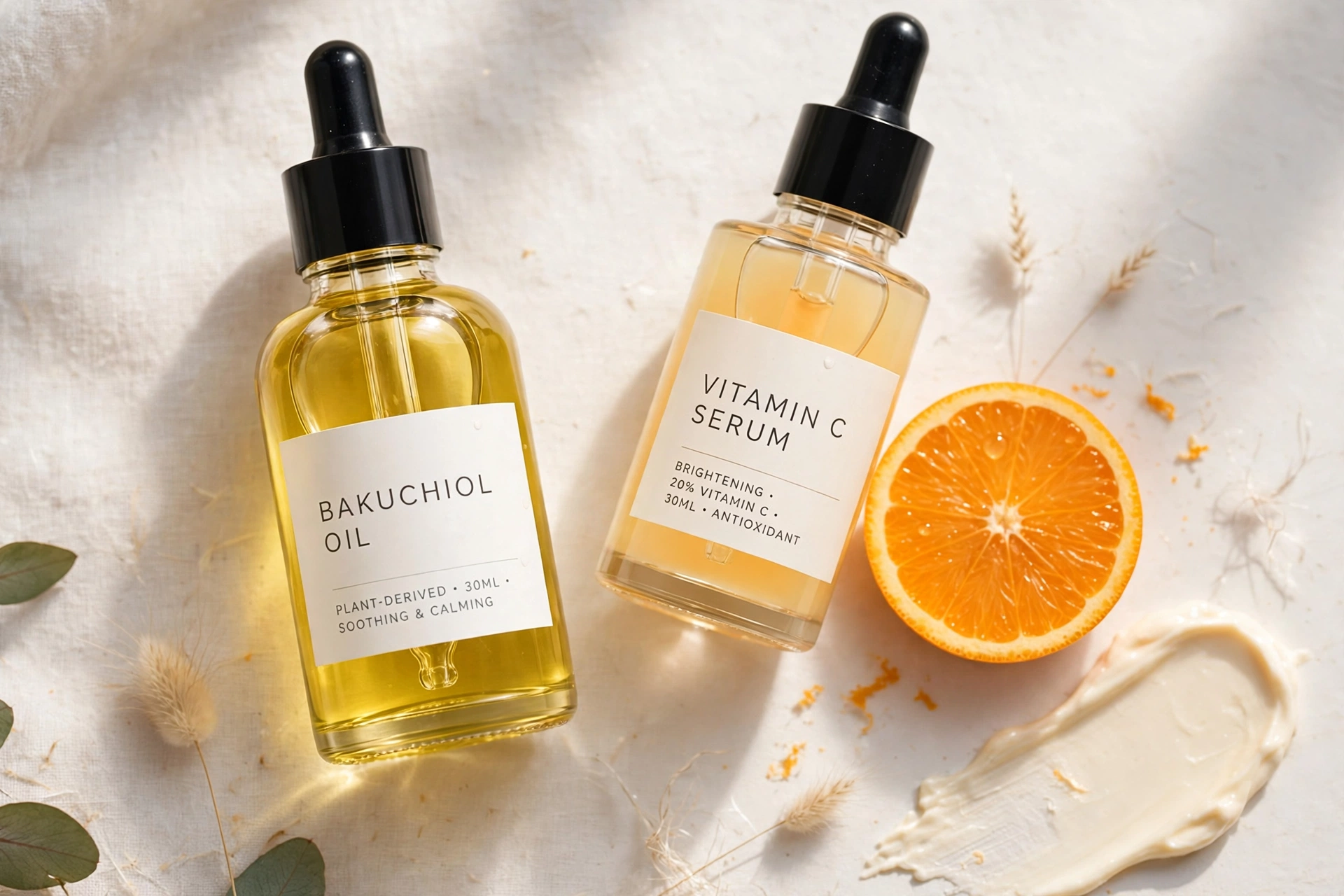
A gentle UK guide to pairing bakuchiol with vitamin C: layering order, AM/PM routines, who should avoid it, and how to get glow without irritation.
Read More arrow_forward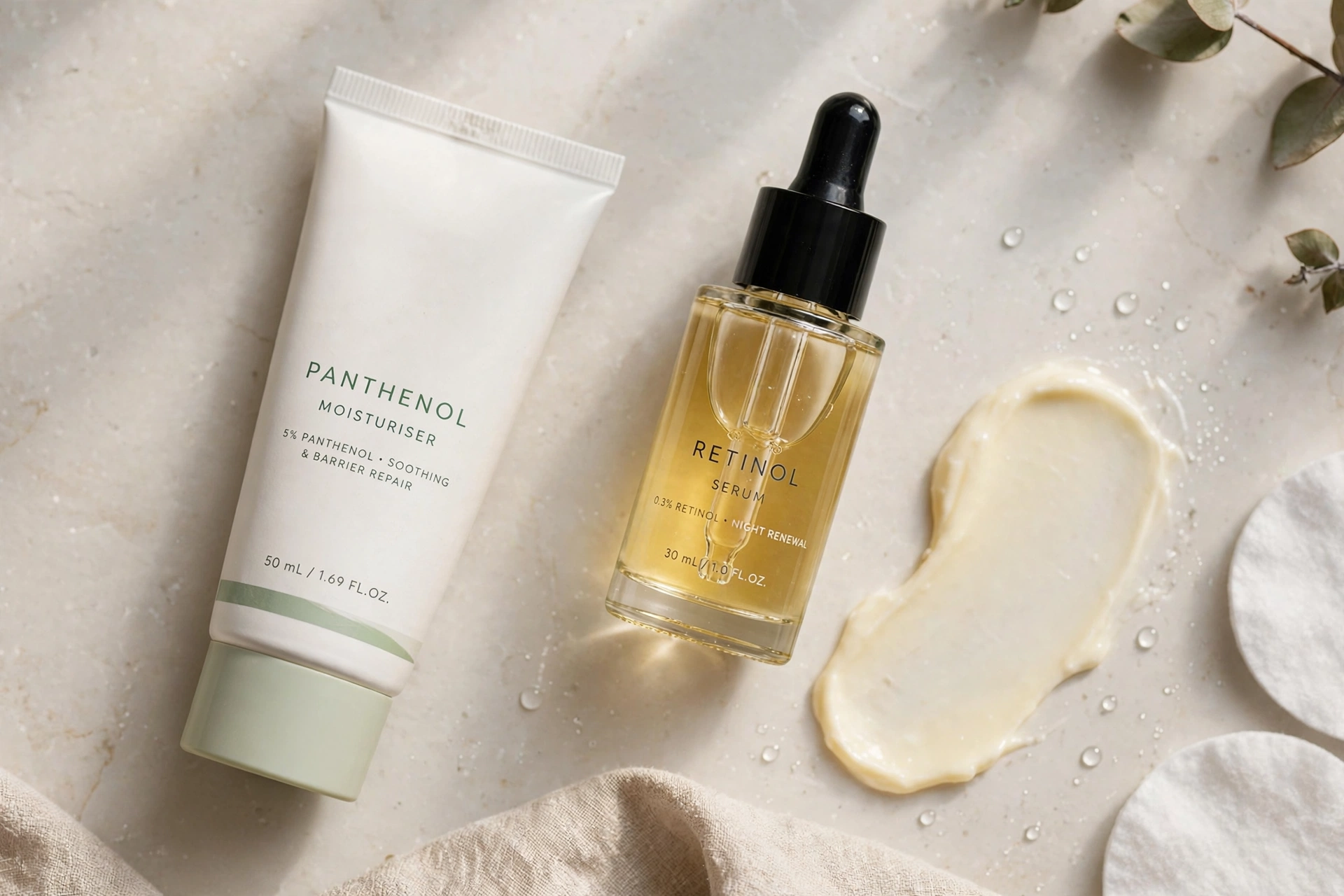
A calm-skin UK guide to pairing panthenol with retinol: layering order, AM/PM routines, who should avoid it, and how to keep irritation low.
Read More arrow_forward
Can you use bakuchiol and retinol together UK? Yes — this gentle pairing guide explains layering order, routines and who should avoid it.
Read More arrow_forward
Learn whether glycolic and salicylic acid can be combined in the UK, including alternation schedules, safe layering and the best Boots and Superdrug picks.
Read More arrow_forwardCalculate your Body Mass Index (BMI) in seconds. BMI is a quick screening number…
Use now arrow_forwardFind your daily calorie needs based on your age, sex, height, weight and activit…
Use now arrow_forwardFind how much water you should drink each day, in litres and glasses, based on y…
Use now arrow_forward