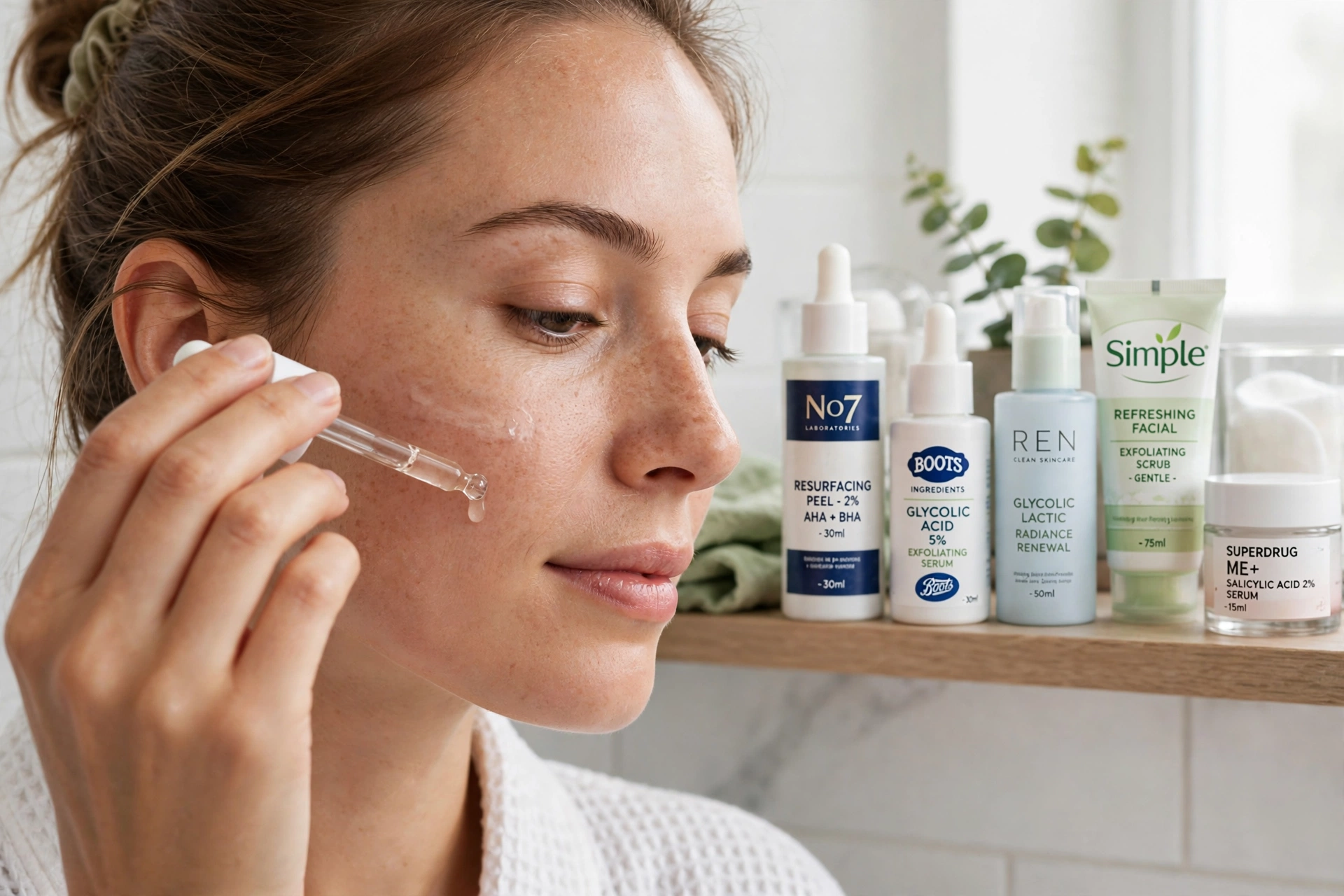
How to Get Rid of Closed Comedones UK: A Clear-Skin Guide
Struggling with stubborn under-skin bumps? This UK guide explains what closed comedones are, what causes them and the routine that clears them.
Read More arrow_forwardLearn how to get rid of sebaceous filaments UK gently, with salicylic acid, retinoids and a realistic routine — no squeezing or pore-strip damage.
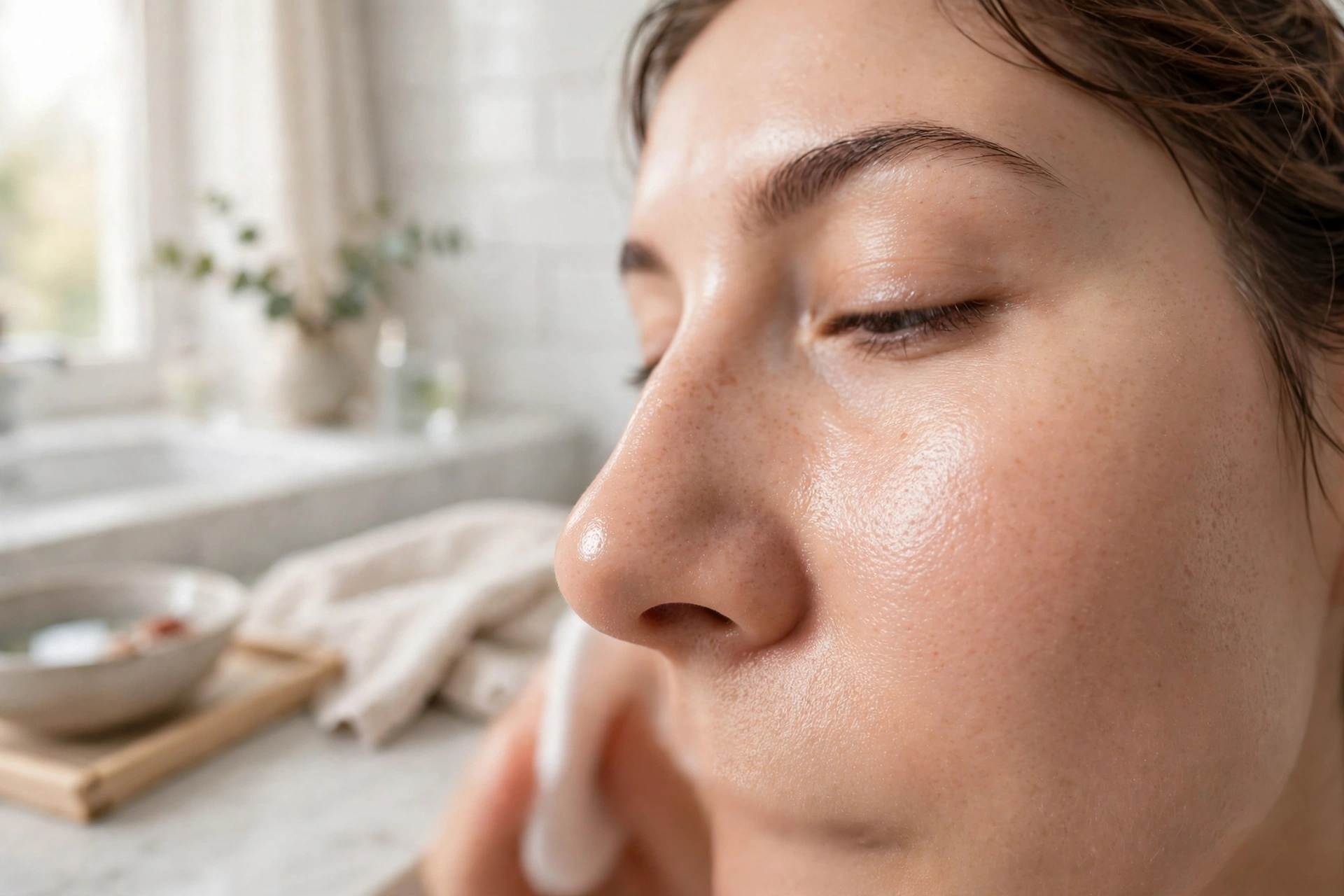
If you have been searching for how to get rid of sebaceous filaments uk, you have probably noticed those tiny grey or yellowish dots on your nose and wondered whether they are blackheads. They are not dirt, and they are not a sign that your skin is unclean. Sebaceous filaments are a normal part of how your skin works, and while you cannot remove them permanently, you can make them far less visible with the right ingredients and a consistent routine. This guide explains what they are, which products genuinely help, what to avoid, and how to build a realistic morning and evening routine using products you can buy at Boots, Superdrug or Cult Beauty. You will also find honest timelines, typical UK prices and advice on when it is worth speaking to a dermatologist instead of trying yet another product.
The most important thing to understand before you spend any money is that sebaceous filaments are not a flaw to be cured. Every person with normal, functioning skin has them, and they return even after the most careful routine. The goal is not empty pores. The goal is pores that look smaller, cleaner and smoother because the oil inside them is flowing freely instead of sitting oxidised at the surface. Once you accept that, you can stop chasing harsh treatments that damage your skin barrier and start using the gentle, proven ingredients that actually keep filaments looking faint.
Sebaceous filaments are tiny, hair-like structures that line the inside of your pores. They are made mostly of sebum, the natural oil your skin produces, mixed with dead skin cells. Their job is to help sebum travel from the oil gland to the surface of your skin, where it keeps the skin supple and protected. When the filament is working well, you barely notice it. When oil and dead cells build up and the top of the filament is exposed to air, it can darken slightly and become visible as a small grey, yellowish or skin-coloured dot.
They are most noticeable on the nose, chin and forehead, because those areas have the highest density of oil glands. People with oily or combination skin tend to see them more clearly, and they often become more visible with age, as skin loses elasticity and pores appear larger. Sun damage can make the same thing happen, because ultraviolet light breaks down the collagen that keeps pores looking tight. None of this means your skin is dirty. Washing your face more aggressively will not remove filaments, and in many cases it makes them look worse by stripping the skin and triggering more oil production.
It also helps to know that filaments are not the same as enlarged pores filled with makeup or sunscreen residue, although leftover product can make them stand out. A proper evening cleanse matters here. If you wear makeup or SPF during the day, a gentle first cleanse followed by a water-based cleanser helps remove the surface layer that darkens the appearance of filaments. If your skin often feels tight, red or reactive after cleansing, your barrier may need attention first, and our guide on how to repair a damaged skin barrier explains how to calm things down before adding any active ingredient.
Sebaceous filaments and blackheads are constantly confused, and the confusion matters, because treating filaments like blackheads leads people to squeeze, strip and scrub their skin for no benefit. A blackhead is a clogged pore. A plug of sebum and dead skin has hardened, the pore is blocked, and the surface has turned dark through oxidation. A sebaceous filament is not a blockage at all. It is a normal structure doing its normal job, and the pore beneath it is open and functioning.
The easiest way to tell them apart is to look closely in natural light, ideally with a normal mirror rather than a magnifying one. Filaments usually appear as a cluster of small, fairly uniform dots, often grey or yellowish, spread across the nose. Blackheads tend to be larger, darker, more raised and more scattered. If you press the skin gently, a blackhead may feel like a firm bump, while filaments feel flat and smooth. Another useful test is time. A blackhead that is properly treated will eventually clear and stay clear for a while. Filaments fade with treatment and then gradually return, because the oil gland keeps producing sebum.
Feature
Sebaceous Filaments
Blackheads
Colour
Grey, yellowish or skin-toned
Dark brown or black at the surface.
Size
Tiny and fairly uniform
Larger, raised and more noticeable.
Pattern
Clustered across the nose and chin
Scattered, often single spots.
Cause
Normal oil flow through the pore
A hardened plug blocking the pore.
After treatment
Fades, then gradually returns
Clears and stays clear for longer
Understanding this difference saves you from the most common mistake in skincare, which is attacking normal skin as though it were a problem. Filaments respond to gentle, regular care. Blackheads sometimes need targeted treatment or professional extraction. If you are unsure which one you are dealing with, a pharmacist at Boots or Superdrug can usually help you tell the difference, and a dermatologist can confirm it in a single appointment.
Genetics play the largest role. If your parents have visible filaments and oily skin, you are more likely to have them too, and no product will change your pore size permanently. Hormones also matter. Androgens increase sebum production, which is why filaments often look worse during puberty, around periods, during pregnancy and at times of stress. This is also why they can seem to appear overnight. A surge in oil production makes the contents of each pore more visible, even though the filaments were there all along.
Ageing is another factor. As collagen and elastin decline, the skin around each pore becomes less firm, so pores look wider and their contents look darker. Sun exposure speeds this up, which is one more reason daily sunscreen matters for people who care about the appearance of their pores. Dehydrated skin can also make filaments look worse, because dry surface cells cling to the pore opening and create a rougher, duller finish. Drinking water alone will not fix this, but a good moisturiser and a gentle routine will.
Certain habits make filaments more visible as well. Heavy, occlusive makeup and thick creams can sit on the pore opening and darken its appearance. Skipping your evening cleanse leaves sunscreen and makeup residue on the skin, which has the same effect. Over-exfoliating is a less obvious culprit. When the barrier is damaged, the skin often produces more oil to compensate, and the pores look more noticeable rather than less. For mature skin, where dryness and sensitivity are already common, this balance is even more delicate, and a dedicated skincare routine for women over 50 in the UK can help you choose gentler products that still keep pores looking clear.
There is no single product that removes sebaceous filaments for good, but three ingredient groups have the best evidence for making them less visible. They work in different ways, they can be combined carefully, and they are all easy to find in the UK at Boots, Superdrug or Cult Beauty. The key is to introduce one at a time, use it consistently for several weeks, and resist the urge to add everything at once.
Salicylic acid, also known as BHA, is the most useful ingredient for sebaceous filaments, because it is oil-soluble. That means it can travel into the pore itself, dissolve the mixture of oil and dead skin, and help the filament look paler and less noticeable. A 2% concentration is the standard strength in over-the-counter products, and it suits most skin types when used two or three times a week to start.
You can use salicylic acid as a cleanser or as a leave-on treatment. A cleanser is the gentler starting point, because it only stays on the skin briefly. The CeraVe SA Smoothing Cleanser, typically around £10 to £13 at Boots, is a popular option, and our round-up of the best salicylic acid cleansers available in the UK compares several more. A leave-on liquid, such as the Paula's Choice Skin Perfecting 2% BHA Liquid Exfoliant at around £35 from Cult Beauty, or The Ordinary Salicylic Acid 2% Solution at around £6.50, gives a stronger effect and suits people whose filaments are very visible. Whichever form you choose, apply it to clean, dry skin and follow with moisturiser. If your skin feels tight, flaky or sore, reduce the frequency rather than adding more product. Salicylic acid can also be combined with other hydrating ingredients, and if you are curious about layering, read our guide to using urea and salicylic acid together before you mix them in the same routine.
Retinoids, the family that includes retinol and retinal, help by increasing cell turnover. Skin cells renew themselves more quickly, dead cells are less likely to collect inside the pore, and over time the skin around the pore looks firmer and smoother. This is a slow effect. Most people need eight to twelve weeks of regular use before they see a clear change, but the improvement tends to last as long as you keep using the product.
Start with a low strength, such as 0.1% to 0.3% retinol, and use it two or three evenings a week. The Ordinary Retinol 0.2% in Squalane costs around £7, while the CeraVe Resurfacing Retinol Serum is typically £15 to £18 at Boots and Superdrug. Medik8 Crystal Retinal, available at Cult Beauty from around £39, is a popular next step once your skin is used to retinol. In the UK, adapalene is prescription-only, so if you want to try it, speak to your GP or pharmacist rather than ordering it from an unverified seller online. Retinoids can make skin more sensitive to sunlight, so daily sunscreen is essential while you use them, and they should not be used during pregnancy. If you already use exfoliating acids, check whether you can safely combine them first, because our guide on whether you can mix AHA/BHA with retinol explains which pairings work and which ones irritate most skin.
Niacinamide, or vitamin B5's well-known partner vitamin B3, does not dissolve pore contents the way salicylic acid does, but it supports the whole routine. It helps regulate oil production, strengthens the skin barrier and reduces the redness that can make pores look worse. A 4% to 5% concentration is enough for most people, and higher strengths are not necessarily better. The Ordinary Niacinamide 10% + Zinc 1% serum, around £6 at Boots and Superdrug, is the best-known budget option, although many people find a 5% formula gentler for daily use.
Niacinamide is one of the easiest ingredients to fit into a routine, because it works well in the morning and the evening, and it pairs comfortably with salicylic acid, retinoids and vitamin C. Apply it after cleansing and before moisturiser, and give it a few weeks before judging the result. Its effect on filaments is subtle and indirect, but for people whose skin is easily irritated, it is often the ingredient that makes the stronger actives tolerable.
Clay masks deserve a brief mention here, because they are often marketed as a fix for filaments. A clay mask can absorb surface oil and make pores look temporarily smaller for a few hours, which is fine before an event, but it does not change the filament itself. Use one once a week at most, never on the same evening as a strong acid or retinoid, and always follow with moisturiser.
A routine that works is one you can actually follow every day. The version below uses only four or five steps, costs well under £60 for the full set if you choose budget options, and gives each active ingredient its own space so your skin is not overwhelmed. Introduce new products one at a time, with at least a week between each addition, so you can tell which one is helping and which one is irritating your skin.
Start with a gentle cleanse. If your skin feels comfortable, lukewarm water alone is enough in the morning, or use a mild gel cleanser. Follow with a niacinamide serum on damp skin, then a light moisturiser. If your skin is oily, a gel-cream moisturiser is usually enough. Finish with sunscreen, every single day, even when it is cloudy. In the UK, sunscreens are regulated as cosmetic products and must show an SPF and a UVA rating, so look for the star rating or the UVA circle logo on the pack. A broad-spectrum SPF 30 or higher is the minimum, and SPF 50 is a sensible choice if you use retinoids. The Eucerin Oil Control Sun Gel-Creme SPF 50+, typically £12 to £15 at Boots, suits oily skin well, and the La Roche-Posay Anthelios UVMune 400 range, around £18, is a popular alternative. Sunscreen also protects the collagen that keeps pores looking tight, so it is doing more for your filaments than any single active ingredient.
In the evening, remove makeup and sunscreen first. A simple cleansing balm or micellar water works well, followed by your usual water-based cleanser. On two or three evenings a week, use a salicylic acid product after cleansing, either a BHA cleanser or a leave-on liquid, and let it absorb for a minute before moisturising. On the other evenings, use your retinoid instead, starting with two or three nights a week and building up only if your skin stays comfortable. Never use a strong acid and a retinoid on the same night when you are starting out. Finish with a moisturiser that suits your skin type, and add a thin layer of a richer cream on dry areas if needed. If your skin feels sore, flaky or unusually red, skip the actives for a few nights and use only cleanser, moisturiser and sunscreen until it settles. That pause is part of the routine, not a failure of it.
Consistency matters more than intensity. A gentle routine followed every day will outperform an aggressive routine followed for a week and then abandoned because the skin is irritated. Keep your products in one place, keep the routine short, and take a photo in the same light once a month if you want an honest record of progress. Daily mirror checks make change almost impossible to see, because filaments fade gradually rather than disappearing overnight.
Squeezing is the most common mistake, and the most damaging. Pressing filaments out with your fingers or a metal extractor can push oil deeper into the pore, break tiny blood vessels, cause scarring and introduce bacteria that lead to a painful spot. The pore often looks worse afterwards, because the surrounding skin is swollen and red. If a pore is genuinely blocked and painful, leave it alone or see a professional rather than forcing it.
Pore strips are the second trap. They can pull out the visible tip of a filament, which feels satisfying, but the filament reforms within days, and frequent use can irritate the skin, remove healthy surface cells and trigger more oil production. An occasional strip before a special occasion is unlikely to cause lasting harm, but using them several times a week is counterproductive. Harsh physical scrubs with rough particles, strong at-home peels and DIY treatments such as lemon juice, baking soda or undiluted essential oils are best avoided entirely. They damage the barrier, increase sensitivity and make pores look larger over time. The NHS offers sensible general advice on looking after skin and when to seek help, and its pages are a reliable starting point if you are unsure whether a home treatment is safe. You can read the NHS guidance on skin care at NHS.
Over-exfoliating deserves a special warning, because it is easy to do by accident. If you use a salicylic acid cleanser, a BHA toner, a retinoid and a scrub in the same week, you are almost certainly doing too much. Signs of over-exfoliation include stinging when you apply moisturiser, persistent redness, flaking, breakouts in unusual places and skin that feels shiny but tight. The fix is simple, if unglamorous. Stop all actives, use only a gentle cleanser and a plain moisturiser for one to two weeks, and reintroduce one active at a time. Your filaments will still be there when you return, and your skin will be in a far better state to benefit from treatment.
Honest timelines matter, because unrealistic expectations are the main reason people abandon a good routine. With salicylic acid used two or three times a week, most people notice their filaments looking paler and less obvious within three to four weeks. With a retinoid, visible improvement usually takes eight to twelve weeks, and the best results appear after three to six months of steady use. Niacinamide contributes gradually over four to eight weeks, mostly by improving the overall texture and oil balance of the skin.
These timelines assume you are using the products consistently and not sabotaging them with squeezing or over-exfoliation. They also assume you are using sunscreen daily, because sun damage works against everything else you are doing. Remember that filaments are a normal, recurring feature of skin. Even a perfect routine does not remove them forever. It keeps them faint, and that maintenance is the result. If you stop the routine entirely, the filaments will gradually become visible again over a few weeks. That is not a sign that the products failed. It is a sign that they were working.
Most sebaceous filaments can be managed at home, but there are times when professional advice is worth the cost. See a dermatologist if your pores are painful, swollen or repeatedly infected, if you have scarring from squeezing, or if you are unsure whether you have filaments, blackheads, acne or rosacea, because each condition needs a different approach. You should also seek help if you have tried a gentle routine with salicylic acid and a retinoid for twelve weeks with no improvement at all, or if over-the-counter products consistently irritate your skin.
A dermatologist can offer prescription-strength retinoids, professional chemical peels or other in-clinic treatments that are not available over the counter, and can confirm whether a prescription is appropriate for you. The British Association of Dermatologists is a useful place to find a qualified specialist and reliable information about skin conditions, and you can explore its resources at British Association of Dermatologists. The American Academy of Dermatology also publishes clear, evidence-based guidance on caring for pores and choosing skincare products, which you can read at American Academy of Dermatology. A single consultation can save you months of trial and error, and it is often the most cost-effective step if you have already spent money on products that did not help.
No, they cannot go away permanently, because they are a normal part of how your pores work. The oil glands keep producing sebum, so the filaments reform over time even after the most effective treatment. What you can do is keep them much less visible with regular use of salicylic acid, a retinoid and daily sunscreen. Think of it as maintenance, like brushing your teeth, rather than a one-time cure.
Pore strips can remove the visible tip of a filament, so the nose looks clearer for a day or two, but they do not change the filament itself and it returns quickly. Frequent use can irritate the skin and strip away healthy surface cells, which may make pores look worse over time. An occasional strip before an event is fine for most people, but it is not a treatment and should not replace a proper routine.
Yes, squeezing usually makes them worse. Pressing on the skin can push oil deeper into the pore, damage small blood vessels, cause scarring and introduce bacteria that lead to breakouts. The area often looks redder and more noticeable afterwards, even if a small amount of oil comes out. It is better to let active ingredients do the work gradually than to force the contents out by hand.
Salicylic acid usually works faster, because it goes directly into the pore and dissolves the oil and dead skin that make filaments visible. Retinol works more slowly, but it improves cell turnover and the firmness of the skin around the pore, which gives a longer-lasting improvement. Most people get the best results from using both, on alternate evenings, rather than choosing only one. If you have sensitive skin, start with salicylic acid and add retinol later.
Yes, niacinamide and salicylic acid work well together and are often found in the same product. Niacinamide is gentle, supports the skin barrier and helps balance oil production, while salicylic acid clears inside the pore. Apply the salicylic acid product first, let it absorb for a minute, then apply niacinamide and moisturiser. If you are new to either ingredient, introduce them in separate weeks so you can tell how your skin reacts to each one.
Two or three times a week is enough for most people when using a 2% salicylic acid product. Daily exfoliation is rarely necessary and often leads to irritation, redness and a damaged barrier, which can make pores look larger. If your skin feels tight, sore or flaky, reduce the frequency to once a week until it settles. Always follow exfoliation with moisturiser and use sunscreen the next morning.
No, sebaceous filaments are not acne. They are a normal feature of healthy skin and appear on people who never get spots. Acne involves blocked pores, inflammation and bacteria, and it produces blackheads, whiteheads or painful spots. Filaments are flat, painless and fairly uniform, and they do not become infected on their own. If you have painful or inflamed spots alongside visible filaments, that is a separate issue and may need acne treatment.
The best sunscreen is a broad-spectrum SPF 30 or higher that you enjoy using every day, because consistency matters more than the brand. Gel or fluid formulas, such as the Eucerin Oil Control range or La Roche-Posay Anthelios, suit oily and filament-prone skin because they do not feel heavy or leave a thick residue on the pores. Apply it as the last step of your morning routine and reapply if you spend a long time outdoors. Sunscreen also protects the collagen that keeps pores looking tight.
Sebaceous filaments are normal, oil-carrying structures inside your pores, not dirt and not blackheads.
You cannot remove them permanently, but you can make them far less visible with a consistent routine.
Salicylic acid is the most effective over-the-counter ingredient, because it works inside the pore itself.
Retinoids improve cell turnover and pore appearance over eight to twelve weeks of regular use.
Niacinamide supports the routine by balancing oil and strengthening the skin barrier.
Never squeeze filaments and avoid frequent pore strips, harsh scrubs and over-exfoliation.
Use sunscreen every day, because sun damage makes pores look larger and works against your routine.
See a dermatologist if pores are painful, scarred or unchanged after twelve weeks of gentle treatment.
Learning how to get rid of sebaceous filaments uk is really about learning to work with your skin rather than against it. The filaments themselves are normal, and the people with the smoothest-looking skin are usually the ones with the simplest, most consistent routines, not the ones using the most products. A gentle cleanser, salicylic acid two or three times a week, a low-strength retinoid on alternate evenings, niacinamide for support and daily sunscreen will do more for your pores than any harsh scrub, strip or squeezing session ever will. Start with one active ingredient, give it at least a month, protect your skin barrier, and judge the result in the same light once a month rather than in a magnifying mirror every morning. If you follow that approach, your filaments will fade into the background, your skin will feel calmer and healthier, and you will have a routine you can keep up for years rather than a quick fix that lasts a weekend.
Struggling with stubborn under-skin bumps? This UK guide explains what closed comedones are, what causes them and the routine that clears them.
Read More arrow_forward
Learn how to get rid of milia around eyes safely in the UK — gentle at-home care, professional removal costs, prevention and when to see a GP.
Read More arrow_forward
Winter skincare for sensitive skin UK: routines, barrier repair and rosacea tips for cold weather, with UK product picks from Boots, Superdrug and Cult Beauty.
Read More arrow_forward
How to treat acne scars UK — at-home options, professional treatments, costs and timelines for fading marks and smoothing scars, explained step by step.
Read More arrow_forward
A simple skincare routine for women over 50 uk — gentle morning and evening steps for menopause skin, hydration, retinol and daily SPF.
Read More arrow_forwardCalculate your Body Mass Index (BMI) in seconds. BMI is a quick screening number…
Use now arrow_forwardFind your daily calorie needs based on your age, sex, height, weight and activit…
Use now arrow_forwardFind how much water you should drink each day, in litres and glasses, based on y…
Use now arrow_forward