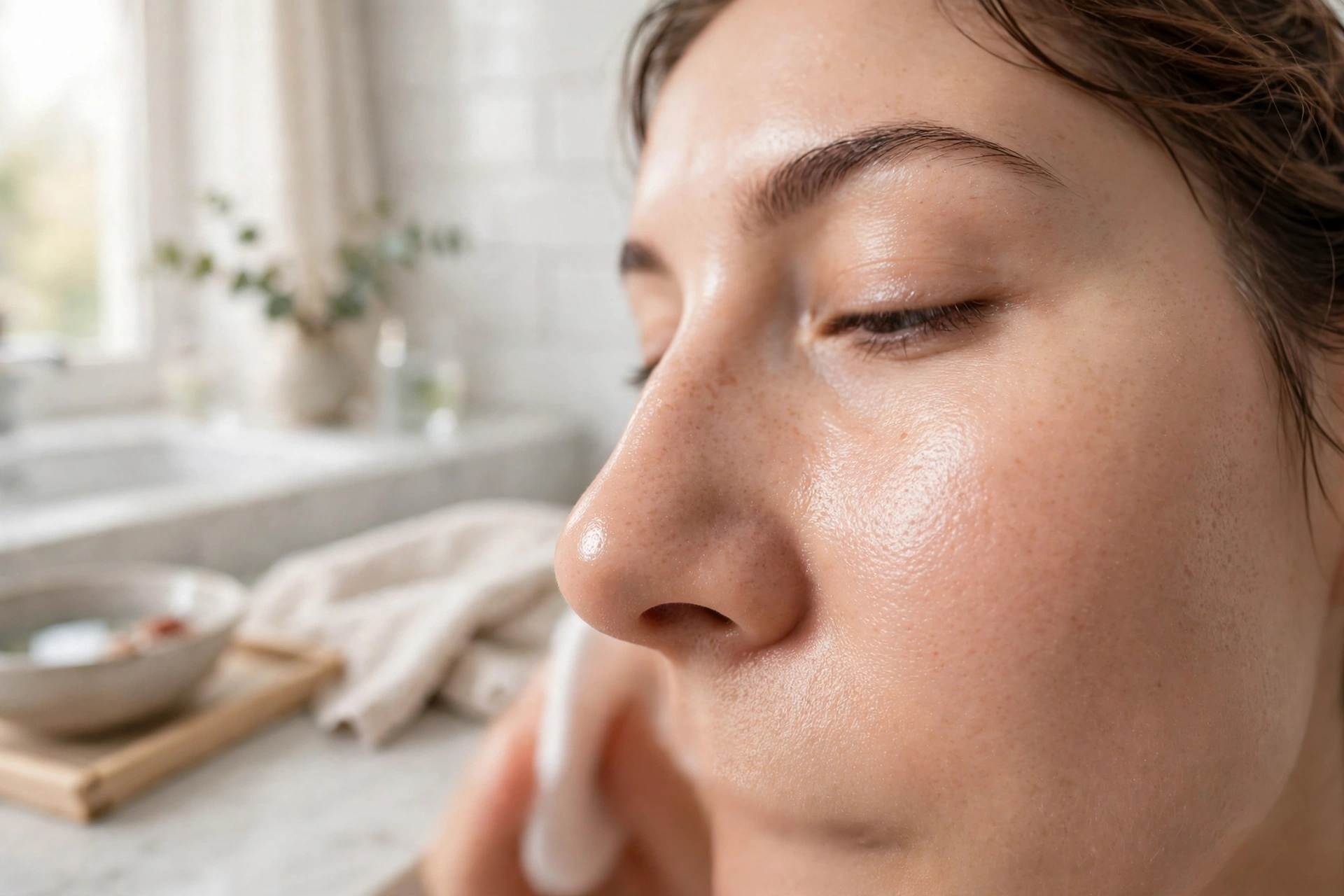
How to Get Rid of Sebaceous Filaments UK: A Smooth-Skin Guide
Learn how to get rid of sebaceous filaments UK gently, with salicylic acid, retinoids and a realistic routine — no squeezing or pore-strip damage.
Read More arrow_forwardStruggling with stubborn under-skin bumps? This UK guide explains what closed comedones are, what causes them and the routine that clears them.
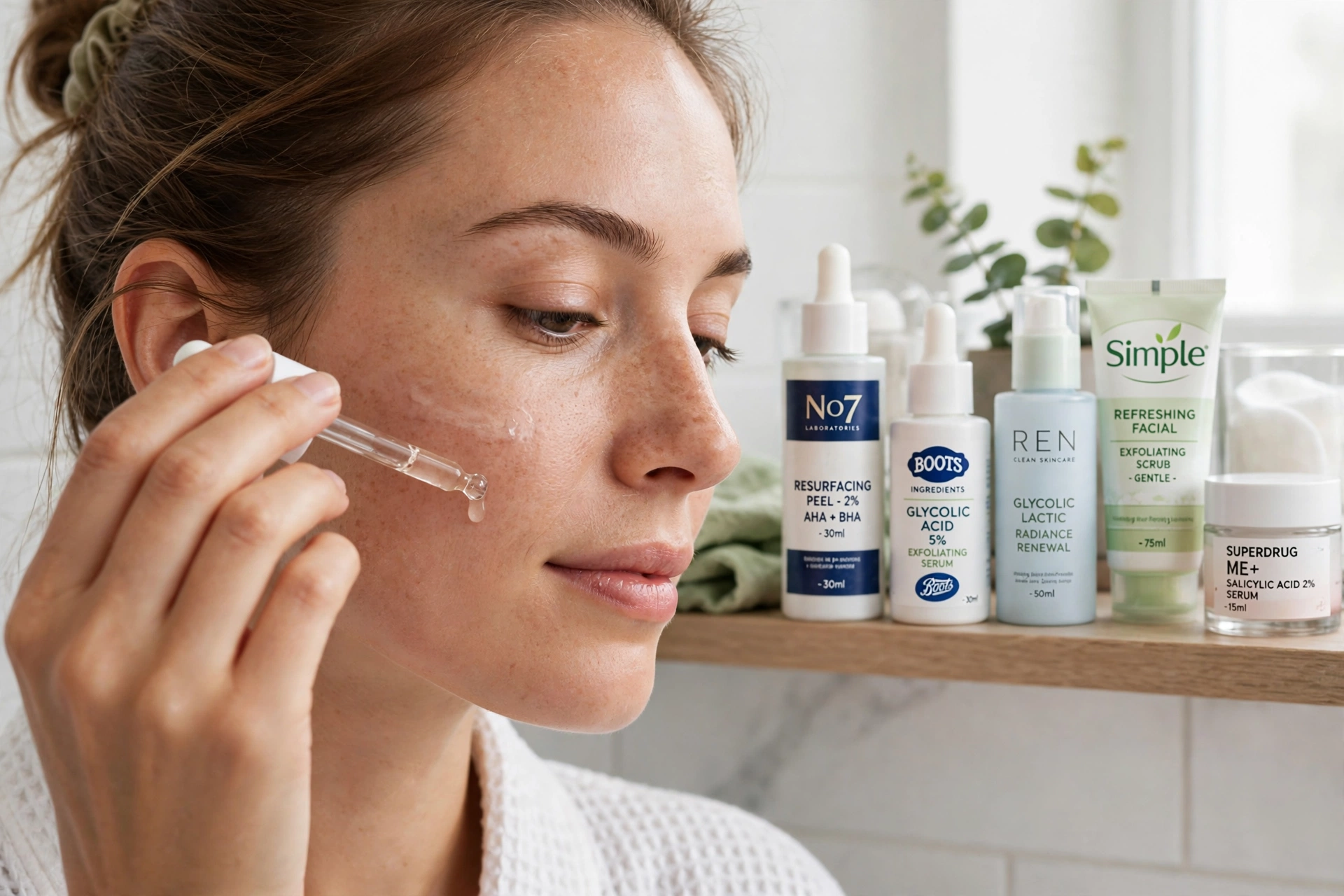
If you have ever run your fingers over your forehead or cheeks and felt a cluster of tiny, stubborn bumps under the skin that never quite come to a head, you already know the frustration of closed comedones. Learning how to get rid of closed comedones uk routines can actually clear them is less about buying the harshest scrub on the shelf and more about understanding what is happening inside the pore. These little bumps are one of the most common skin concerns in the UK, and they are also one of the most misunderstood — many people treat them like blackheads or spots, which only makes them worse.
Closed comedones are clogged pores that stay sealed beneath the surface of the skin. Unlike a blackhead, there is no dark opening, and unlike a whitehead, there is no obvious pus-filled tip. They simply sit there, flesh-coloured and slightly raised, often in clusters across the forehead, chin and cheeks. They are not usually painful or inflamed, which is why people often ignore them for months — but they can linger for weeks or even months, and if they become irritated they can turn into the red, inflamed spots that everyone dreads.
The good news is that closed comedones respond very well to the right routine, and you do not need expensive clinic treatments to clear them. With a gentle exfoliant, a retinoid or a combination of the two, plus a simple, consistent routine, most people see a real difference within six to twelve weeks. This guide explains what closed comedones are, what causes them, which ingredients actually work, what to avoid, and the exact morning and evening routines to follow — with UK product picks and realistic prices from Boots, Superdrug and Cult Beauty.
A closed comedone is a pore that has become blocked by a mixture of sebum, dead skin cells and sometimes skincare or makeup residue, with a thin layer of skin sealing the top. Because the pore is closed, the contents are not exposed to air, so they do not oxidise and turn dark the way a blackhead does. Instead, they appear as small, skin-coloured bumps, usually one to two millimetres across, that feel slightly rough or bumpy when you run a hand over the skin.
They are a form of non-inflammatory acne, which means they are not red, swollen or painful in their early stages. That is an important distinction, because it changes how you should treat them. Harsh spot treatments designed for angry, inflamed breakouts will not help closed comedones much, and they can irritate the surrounding skin, which can push a quiet bump into becoming an inflamed spot. The goal is to gently unclog the pore from the inside, not to attack the surface.
Closed comedones most often appear where the skin produces the most oil: the forehead, the nose, the chin and the upper cheeks. They can also appear along the jawline and on the chest and back. They are common in teenagers and young adults, but they affect people of all ages, and many adults in their thirties and forties deal with them too, especially when a new product, a change in the weather or a hormonal shift triggers extra oil production.
Blackheads and closed comedones are both clogged pores, but the key difference is whether the pore is open or closed. A blackhead is an open comedone: the pore is open at the surface, the trapped sebum and dead skin are exposed to air, and they oxidise and turn dark. A closed comedone is sealed, so the contents stay pale and the bump stays flesh-coloured. Blackheads are often easier to extract, but closed comedones respond better to leave-on exfoliating ingredients that work inside the pore over time.
Whiteheads are also closed comedones in the technical sense, but the term usually refers to a small, raised bump with a visible white tip that is close to breaking through the surface. Closed comedones, by contrast, sit deeper and flatter, with no visible head at all. Milia are different again: they are tiny, hard, white cysts filled with keratin, usually found around the eyes, and they do not respond to the same treatments. If your bumps are very hard, pearly white and clustered around the eyes, they are more likely milia, and exfoliating acids will not shift them — a dermatologist can remove them safely instead.
The single most effective approach is to use ingredients that normalise how skin cells shed inside the pore and dissolve the oil and debris blocking it. That means chemical exfoliants and retinoids, used consistently and patiently, rather than physical scrubs or squeezing. Scrubbing the surface of the skin does almost nothing for a blockage that sits beneath the surface, and it can damage the skin barrier and cause more breakouts.
The two workhorses for closed comedones are salicylic acid, which is oil-soluble and can get inside the pore to dissolve the blockage, and retinoids, which speed up cell turnover so dead skin cells do not pile up and clog the pore in the first place. Used together — on alternate nights, or with one in the morning and one at night — they are the most reliable over-the-counter combination available in the UK. Azelaic acid is a gentler third option that calms redness and helps keep pores clear, and it pairs well with both.
What matters most is consistency. Closed comedones did not appear overnight, and they will not disappear overnight either. The skin takes around four to six weeks to renew itself, so any new routine needs at least that long before you judge it. Many people give up after two weeks because the bumps look the same, but the real change usually starts around week four and builds from there. Stick with the routine, take a photo once a month in the same light, and let the results build gradually.
It is also worth knowing that things can look slightly worse before they look better. When you start a retinoid or a salicylic acid product, the increased cell turnover can push existing blockages to the surface, and some closed comedones may briefly become small spots. This is often called purging, and it usually settles within four to six weeks. If new breakouts keep appearing after eight weeks, or if the irritation is severe, the product may simply be too strong, and you should slow down rather than push through.
Choosing the right active ingredients is the heart of clearing closed comedones. You do not need all of them at once — one exfoliant and one retinoid is enough to start — but it helps to understand what each one does so you can build a routine that suits your skin.
Salicylic acid is a beta hydroxy acid, and it is the single best ingredient for getting inside an oily pore. Because it is oil-soluble, it can travel down into the pore and dissolve the mixture of sebum and dead skin cells that forms the blockage. It also has mild anti-inflammatory properties, which helps keep the bump from turning into a red, angry spot.
In the UK, salicylic acid is widely available in cleansers, toners and leave-on serums at Boots and Superdrug, usually in strengths of 0.5 to 2 percent. A leave-on product works better than a wash-off cleanser for closed comedones, because it stays on the skin long enough to work inside the pore. Start with two or three evenings a week and build up to daily use if your skin tolerates it. If you are already using other exfoliating acids, our guide on can you mix AHA BHA with retinol UK explains how to combine them safely without over-exfoliating.
Retinoids are vitamin A derivatives, and they are the most proven long-term treatment for comedonal acne. They work by speeding up cell turnover, which stops dead skin cells from sticking together and blocking the pore, and by reducing the stickiness of the cells lining the pore. Over time, they also improve skin texture, fade post-blemish marks and soften fine lines, which makes them a good investment for adult skin too.
Over-the-counter options in the UK include retinol serums and retinal products from brands such as The Ordinary, CeraVe, La Roche-Posay and Medik8, widely available at Boots, Superdrug and Cult Beauty. Prescription-strength adapalene and tretinoin are available from a GP or dermatologist and are more powerful, so they are worth discussing if over-the-counter retinol has not worked after three months. Start with a low strength, use a pea-sized amount for the whole face two or three nights a week, and increase slowly. Expect some dryness and flaking in the first few weeks — that is normal, and it settles as the skin adjusts.
Azelaic acid is a gentler option that deserves more attention for closed comedones. It normalises cell turnover, reduces the growth of acne-causing bacteria and calms redness, which makes it particularly useful if your bumps are easily irritated or if your skin is sensitive. It is available over the counter at 10 percent strength in the UK and on prescription at 15 to 20 percent. It can be used morning and night, and it pairs well with both salicylic acid and retinoids. If you want to know more about how it works alongside other brightening ingredients, our guide on can you use azelaic acid and vitamin C together UK covers the pairing in detail.
Niacinamide, or vitamin B3, does not unclog pores directly, but it supports the routine in several useful ways. It helps regulate oil production, strengthens the skin barrier and reduces the redness that can follow exfoliation. A 5 percent niacinamide serum used daily can make the skin more tolerant of salicylic acid and retinoids, which means you can use the actives that actually clear the bumps more consistently. It also helps fade the marks left behind when a closed comedone does become a spot. Our guide on can you use mandelic acid and niacinamide together UK explains another gentle pairing that works well for sensitive, congestion-prone skin.
Closed comedones form when the normal shedding of skin cells inside the pore goes wrong. Instead of shedding cleanly, dead skin cells stick together, mix with sebum and block the opening. Several factors make this more likely. Excess oil production is the biggest one, which is why closed comedones are common in teenagers and in adults with oily or combination skin. Hormonal changes — puberty, the menstrual cycle, pregnancy, perimenopause and starting or stopping hormonal contraception — can all increase oil production and trigger a flare-up.
Skincare and makeup products can also contribute. Heavy, oily moisturisers, thick foundations and hair products that sit on the forehead can all block pores, especially if they are not removed properly at the end of the day. Look for products labelled non-comedogenic, which means they have been formulated to be less likely to block pores, and always remove makeup thoroughly before bed. Dirty pillowcases, phone screens pressed against the cheek and touching the face throughout the day can transfer oil and bacteria onto the skin too.
Diet and lifestyle play a smaller role than many people think, but they are not irrelevant. High-glycaemic foods and dairy are linked to increased oil production in some people, though the evidence is not strong enough to recommend a strict diet change for everyone. Poor sleep and stress can raise cortisol levels, which can in turn increase oil production. The most useful lifestyle changes are the simple ones: change your pillowcase twice a week, clean your phone screen regularly, and keep your hands off your face.
The British Association of Dermatologists provides clear, evidence-based information about acne and its causes, and it is a good first port of call if you want to understand the medical background before choosing products. The American Academy of Dermatology also publishes practical guidance on comedonal acne and which over-the-counter ingredients are supported by evidence.
Knowing what not to do is just as important as knowing what to use, because the wrong habits can turn a few quiet bumps into a full breakout.
First, do not squeeze or pick them. Closed comedones have no opening, so squeezing does not remove the blockage — it pushes it deeper, damages the pore wall and invites inflammation and infection. What was a small, invisible bump can become a red, painful spot that leaves a mark for weeks. If a bump is really bothering you, a hydrocolloid patch or a warm compress is a safer way to deal with it.
Second, do not over-exfoliate. It is tempting to use a strong acid every night, plus a scrub, plus a peeling mask, but that strips the skin barrier and triggers more oil production and more breakouts. One exfoliating product, used consistently, beats three used aggressively. If your skin feels tight, stings when you apply moisturiser or starts flaking, you are overdoing it — cut back to two or three nights a week and focus on barrier repair. Our guide on how to repair damaged skin barrier UK explains how to rebuild the barrier with ceramides and gentle moisturisers.
Third, avoid heavy, occlusive products on congested areas. Thick balms, heavy oils such as coconut oil and very rich creams can trap sebum and dead skin cells inside the pore. That does not mean you should skip moisturiser — dehydrated skin produces more oil, not less — but choose a light, gel-cream or lotion formula rather than a thick butter, especially on the forehead and chin where closed comedones cluster.
Finally, avoid switching products every week. Skincare needs time to work, and constantly changing your routine makes it impossible to know what is helping and what is hurting. Give any new product at least four weeks before deciding whether it works, and introduce only one new active at a time so you can identify the culprit if irritation appears.
Here is a simple, realistic routine that you can start tomorrow. It uses affordable UK products, takes less than five minutes morning and night, and it is designed to be sustainable — because the routine you actually follow every day is the one that works.
Start with a gentle cleanser. A low-pH gel or cream cleanser removes overnight oil without stripping the skin. If your skin is very oily, a cleanser with a small amount of salicylic acid can help, but a plain gentle cleanser is fine too — the heavy lifting in this routine comes from the leave-on products, not the wash.
Next, apply a niacinamide serum if you use one, followed by a light, non-comedogenic moisturiser. In the morning, your priority is hydration and protection, so keep the active ingredients light and let the evening routine do the exfoliating work. If you use azelaic acid, the morning is a good time for it, because it layers well under moisturiser and sunscreen.
Finish with sunscreen, every single day, even when it is cloudy. This step is non-negotiable when you are using exfoliating acids or retinoids, because they make the skin more sensitive to UV, and sun exposure can worsen post-blemish marks. In the UK, sunscreen is regulated as a cosmetic, but you should still look for broad-spectrum protection with SPF 30 or higher and a good UVA star rating. A lightweight, non-comedogenic formula will not clog your pores, and many UK sunscreens are now designed specifically for blemish-prone skin.
The evening is when the real work happens. Start with a thorough cleanse — a double cleanse if you wore makeup or sunscreen during the day. Use a micellar water or gentle oil cleanser first, followed by your usual cleanser, so that no residue is left sitting on the skin overnight.
Then apply your active treatment. On retinoid nights, apply a pea-sized amount of retinol or retinal to dry skin, avoiding the corners of the nose and mouth where irritation is most likely. On alternate nights, apply your salicylic acid product instead. This alternating pattern gives you the benefits of both ingredients without overloading the skin. If your skin is sensitive, you can apply moisturiser first and the active on top — the sandwich method — which slows absorption and reduces dryness.
Finish with a moisturiser that suits your skin type. A gel-cream is usually enough for oily skin, while combination skin may prefer a slightly richer cream in the colder months. If your skin feels dry or tight after starting a retinoid, a moisturiser with ceramides, squalane or urea can help a great deal. Our guide on can you use urea and retinol together UK explains how urea can buffer the dryness that retinoids cause.
A simple weekly schedule looks like this: Monday, Wednesday and Friday are retinoid nights; Tuesday, Thursday and Saturday are salicylic acid nights; Sunday is a rest night with just cleanser and moisturiser. After four to six weeks, if your skin is tolerating everything well, you can increase the frequency. Keep the routine steady and resist the urge to add new products every week.
Patience is the hardest part of treating closed comedones, because results are slow and gradual. Most people notice the first changes after four to six weeks: fewer new bumps appearing, and the existing ones feeling slightly flatter or less noticeable. Real, visible clearing usually takes eight to twelve weeks of consistent use, and for some people it takes three to four months before the skin looks truly smooth.
This timeline reflects how skin works. The skin renews itself roughly every four to six weeks, so an ingredient that normalises cell turnover needs at least one full cycle before the pore starts clearing properly. Deeper blockages that have been sitting under the skin for months can take longer, because they have to work their way to the surface and out. That is why taking a monthly photo in the same light is so useful — the day-to-day changes are almost invisible, but the month-to-month difference is usually obvious.
If you have been consistent for twelve weeks and seen no improvement at all, it is worth changing something. You may need a stronger retinoid, a prescription option such as adapalene, or a different exfoliant. If things are getting worse after eight weeks, with new inflamed spots appearing in areas where you never had them before, stop the new products and let your skin settle, then reintroduce them one at a time. And if the bumps are very deep, widespread or painful, professional help will get you further than another over-the-counter product.
Most closed comedones can be managed with over-the-counter products, but there are clear signs that it is time to get professional help. Book a GP appointment if your closed comedones are widespread across the face, chest and back, if they keep turning into painful, inflamed spots, if they are leaving scars or dark marks, or if over-the-counter treatments have not helped after three months of consistent use.
A GP can prescribe stronger treatments, including topical retinoids such as adapalene or tretinoin, combination creams and, in some cases, oral medication. If your acne is severe, scarring or not responding to first-line treatments, your GP can refer you to a dermatologist on the NHS. Private dermatology is also an option if you want a faster appointment, and many UK clinics offer an initial consultation for around £150 to £250.
It is also worth seeing a GP if your breakouts started suddenly in adulthood, especially alongside other symptoms such as irregular periods, excess facial hair or hair thinning, because these can occasionally point to a hormonal condition that needs investigation. The NHS website has clear guidance on when acne needs medical attention and what treatments are available, and it is the most reliable starting point before you book an appointment.
You do not need to spend a fortune to clear closed comedones. The UK high street and Cult Beauty stock excellent options at every price point, and the products below are all widely available and well reviewed.
For salicylic acid, the CeraVe Blemish Control Cleanser, usually around £12 at Boots and Superdrug, is a good starting point, but for a leave-on treatment, The Ordinary Salicylic Acid 2% Solution, usually around £6.50, is hard to beat on price. Paula's Choice 2% BHA Liquid Exfoliant, usually around £35 at Cult Beauty, is the premium favourite and lasts for months because you only need a small amount. The Inkey List Beta Hydroxy Acid Serum, usually around £11 at Boots and Cult Beauty, is another solid mid-range option.
For retinoids, CeraVe Resurfacing Retinol Serum, usually around £16 at Boots, is a gentle first retinol that suits beginners. The Ordinary Retinol 0.2% in Squalane, usually around £7, is the cheapest way to start, while Medik8 Crystal Retinal, usually from around £39 at Cult Beauty, is a step up for people who want a retinal formula that works faster with less irritation. La Roche-Posay Retinol B3 Serum, usually around £38 at Boots, is a good option if your skin is sensitive, because it includes soothing ingredients alongside the retinol.
For azelaic acid, The Ordinary Azelaic Acid Suspension 10%, usually around £9.50 at Boots and Superdrug, is the best-value option, and The Inkey List Azelaic Acid Serum, usually around £13, is a lighter alternative that layers well under moisturiser. For a moisturiser, CeraVe PM Facial Moisturising Lotion, usually around £13 at Boots, is non-comedogenic, contains ceramides and niacinamide, and suits almost every skin type. For sunscreen, La Roche-Posay Anthelios UVMune 400 Invisible Fluid SPF50+, usually around £19 at Boots, is a lightweight, non-greasy formula that works well under makeup and does not clog pores.
When you buy, check the strength and start low. A 2 percent salicylic acid product used three times a week will do more for your skin than a strong peel used once and abandoned because it stung. The same applies to retinoids — start with the lowest strength, build up slowly, and remember that consistency beats intensity every time.
Closed comedones are pores blocked by sebum and dead skin cells, sealed beneath a thin layer of skin. They form when skin cells inside the pore stick together instead of shedding normally, often because of excess oil, hormonal changes or heavy skincare and makeup products. They are a mild form of acne, and they are very common on the forehead, chin and cheeks.
No, you should not squeeze closed comedones. Because the pore is sealed, squeezing pushes the blockage deeper, damages the pore wall and can turn a small, painless bump into a red, inflamed spot that may leave a mark. Leave-on exfoliants such as salicylic acid and retinoids are the safe way to clear them over time.
Most people see the first improvements after four to six weeks of consistent treatment, with visible clearing in eight to twelve weeks. Deeper blockages can take three to four months. The skin renews itself roughly every four to six weeks, so any routine needs at least one full cycle before you judge it, and patience matters more than using stronger products.
Both work well, and they work best together. Salicylic acid dissolves the oil and debris inside the pore, while retinol speeds up cell turnover so the pore does not clog again. A good approach is to alternate them on different nights, or to use salicylic acid in the morning and retinol at night, so your skin gets the benefits of both without irritation.
Some do, but many linger for weeks or months, and they can turn into inflamed spots if they become irritated. Without treatment, new ones often form as fast as old ones clear, so the skin never looks fully smooth. A simple routine with a gentle exfoliant and a retinoid is usually enough to break that cycle and keep the pores clear long term.
A closed comedone can become inflamed and develop into a papule, pustule or, rarely, a deeper cyst if bacteria multiply inside the blocked pore and the pore wall ruptures. This is more likely if you squeeze the bump or use harsh, irritating products on it. Keeping the skin calm, avoiding picking and using gentle exfoliants reduces the chance of a quiet bump turning into a painful spot.
Avoid heavy, pore-clogging ingredients such as coconut oil, thick balms and very rich creams on congested areas, and avoid using several strong exfoliants at the same time. Physical scrubs with rough particles can damage the skin barrier and worsen congestion. Choose products labelled non-comedogenic, and introduce only one new active at a time so you can spot what irritates your skin.
See your GP if the bumps are widespread, keep turning into painful spots, are leaving scars or dark marks, or have not improved after three months of consistent over-the-counter treatment. A GP can prescribe stronger retinoids such as adapalene or tretinoin, and can refer you to a dermatologist if needed. Sudden adult-onset breakouts alongside other symptoms such as irregular periods should also be checked.
Closed comedones are sealed, clogged pores that appear as small, flesh-coloured bumps, most often on the forehead, chin and cheeks.
Salicylic acid and retinoids are the two most effective ingredients, because they clear the blockage from inside the pore and stop it forming again.
Azelaic acid and niacinamide are gentler supporting ingredients that calm redness and help the skin tolerate stronger actives.
Never squeeze closed comedones — it pushes the blockage deeper and can turn a quiet bump into an inflamed spot.
Avoid over-exfoliating and heavy, oily products, which damage the skin barrier and make congestion worse.
Follow a simple AM/PM routine: gentle cleanse, active treatment in the evening, light moisturiser and SPF 30 or higher every morning.
Expect the first improvements in four to six weeks and visible clearing in eight to twelve weeks, with patience mattering more than stronger products.
See a GP if the bumps are widespread, scarring or unchanged after three months, because prescription retinoids may be needed.
Closed comedones are frustrating, but they are also one of the most treatable skin concerns — and you do not need expensive treatments or a ten-step routine to clear them. A gentle cleanser, a salicylic acid product, a low-strength retinoid and a light moisturiser, used consistently morning and night, will clear most closed comedones within two to three months. Add daily sunscreen to protect your progress, avoid squeezing and over-exfoliating, and give the routine time to work.
The key is patience. Your skin renews itself on a four-to-six-week cycle, so the changes happen gradually, and the people who see the best results are the ones who stick with a simple routine rather than chasing the next new product. Start low, build up slowly, take a monthly photo to track your progress, and if nothing has improved after three months, talk to your GP about prescription-strength options. Clear, smooth skin is a realistic goal — it just takes a steady routine and a little time.
Learn how to get rid of sebaceous filaments UK gently, with salicylic acid, retinoids and a realistic routine — no squeezing or pore-strip damage.
Read More arrow_forward
Learn how to get rid of milia around eyes safely in the UK — gentle at-home care, professional removal costs, prevention and when to see a GP.
Read More arrow_forward
Winter skincare for sensitive skin UK: routines, barrier repair and rosacea tips for cold weather, with UK product picks from Boots, Superdrug and Cult Beauty.
Read More arrow_forward
How to treat acne scars UK — at-home options, professional treatments, costs and timelines for fading marks and smoothing scars, explained step by step.
Read More arrow_forward
A simple skincare routine for women over 50 uk — gentle morning and evening steps for menopause skin, hydration, retinol and daily SPF.
Read More arrow_forwardCalculate your Body Mass Index (BMI) in seconds. BMI is a quick screening number…
Use now arrow_forwardFind your daily calorie needs based on your age, sex, height, weight and activit…
Use now arrow_forwardFind how much water you should drink each day, in litres and glasses, based on y…
Use now arrow_forward