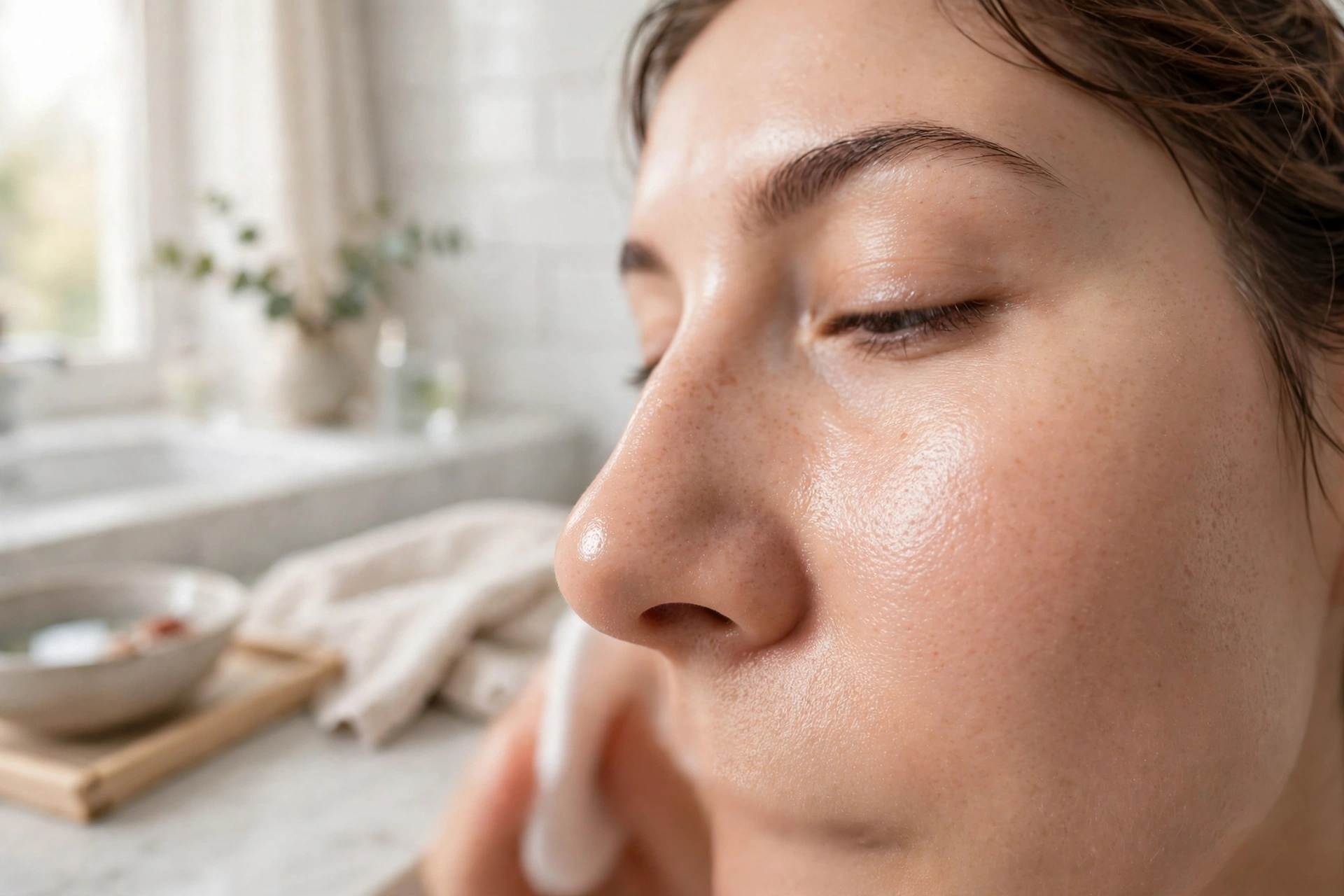
How to Get Rid of Sebaceous Filaments UK: A Smooth-Skin Guide
Learn how to get rid of sebaceous filaments UK gently, with salicylic acid, retinoids and a realistic routine — no squeezing or pore-strip damage.
Read More arrow_forwardLearn how to stop retinol peeling in winter uk with seven steps that calm flaking, protect your skin barrier and keep retinol working in cold weather.
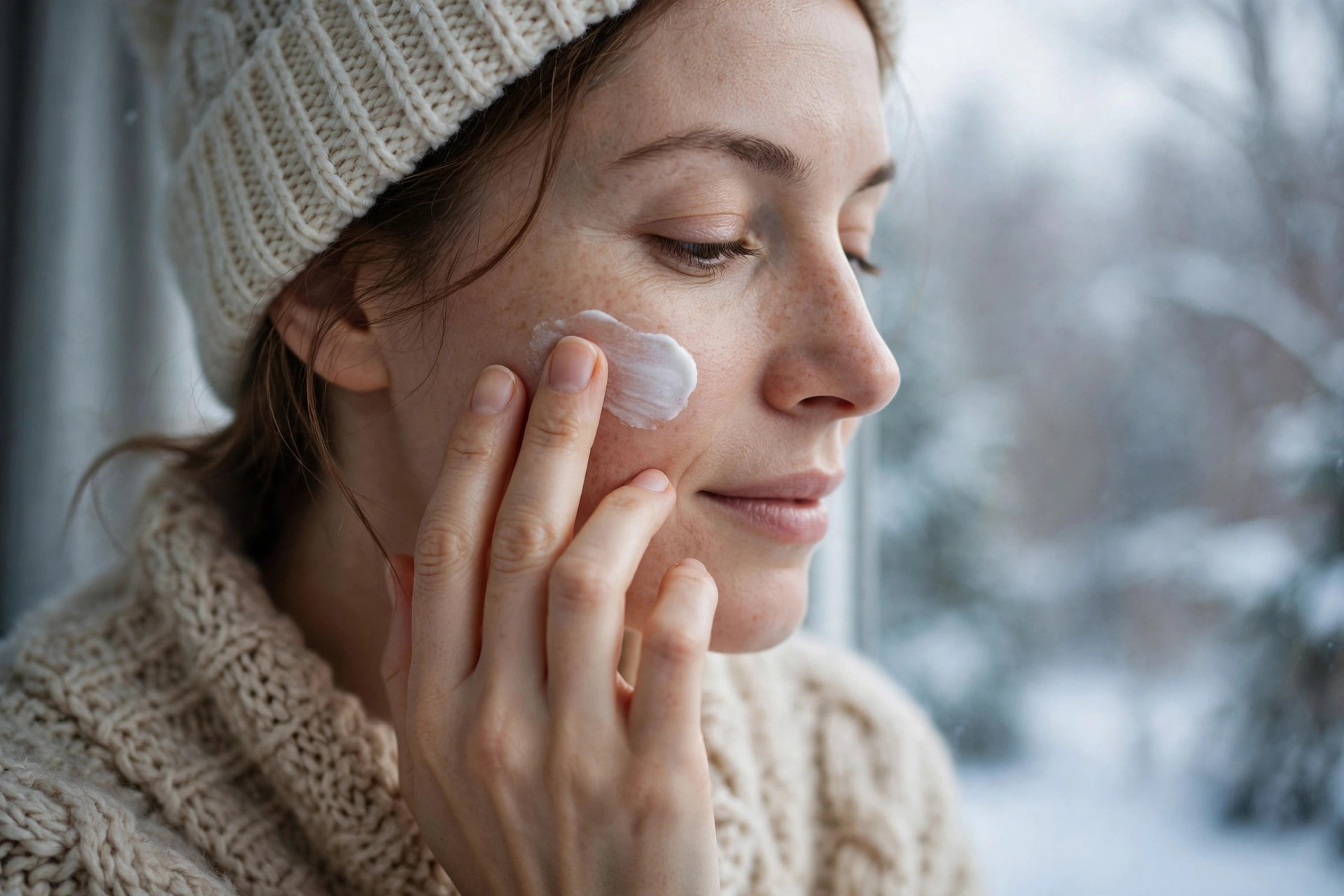
If you are wondering how to stop retinol peeling in winter uk, you are not alone, and you do not need to give up retinol altogether. Cold air outside, dry heated air inside, shorter days and less humidity all make skin more fragile in winter, and retinol speeds up skin cell turnover, which can bring flaking to the surface faster than your barrier can keep up. The result is often tightness, visible peeling around the nose, chin and jawline, and makeup that sits unevenly no matter how carefully you apply it. The good news is that winter peeling is usually a sign that your routine needs adjusting, not that retinol is wrong for you. With a gentler application method, a stronger moisture barrier and a few sensible pauses, most people can keep using retinol through the coldest months with far less flaking. This guide walks through why winter makes peeling worse, a practical seven-step routine you can start tonight, what to pause and what to keep, and the mistakes that quietly undo your progress. It is written for UK readers, with shopping and weather context that reflects real British winters, from damp cold mornings to centrally heated homes and offices.
Retinol peeling can feel alarming the first time it happens, especially if your skin was comfortable on the same product in summer. Remember that some mild flaking when you start retinol, increase the strength or use it more often is common, and it often settles as skin adjusts. Winter, however, stacks several challenges at once. Your skin produces less of its own comfortable oil layer in cold weather, water evaporates from the surface more quickly, and hot showers, harsh cleansers and strong exfoliants strip away even more protection. If you then apply retinol to dry, already stressed skin, peeling can become more visible and soreness can follow. The aim of this guide is not to chase perfectly smooth skin overnight. It is to reduce peeling steadily, protect your barrier, and keep retinol benefits going at a pace your winter skin can actually tolerate.
Why Retinol Peeling Gets Worse in Winter
Winter changes the environment your skin lives in, and retinol changes how quickly skin renews itself. Put those two together and peeling becomes much more likely. Outside, cold wind and low humidity draw moisture from the skin surface. Inside, central heating and long hot showers do much the same thing, even though you feel warm and comfortable. Skin that is already a little dehydrated cannot shed its loosened surface cells invisibly, so they gather as visible flakes instead. At the same time, retinol encourages newer skin cells to reach the surface sooner, which means there are simply more loose cells to manage. When the barrier is healthy and well moisturised, that turnover looks like a gentle glow. When the barrier is dry and irritated, it looks like peeling.
Another winter factor is that many people unknowingly increase irritation without changing their retinol at all. A foaming cleanser that felt fine in July can feel stripping in January. A strong acid toner used twice a week in summer may be too much when combined with retinol in winter. Even small habits add up: washing with very hot water, rubbing skin dry with a rough towel, skipping moisturiser on busy mornings, or layering a fragranced product over freshly applied retinol. None of these habits is a failure, and none of them means you must stop skincare altogether. They are simply signals that winter calls for a softer routine. Understanding this helps you fix peeling at its cause, rather than covering flakes with heavier makeup or scrubbing them away, both of which usually make the problem worse.
It is also worth knowing that peeling does not always mean your retinol is too strong. Sometimes the strength is right but the frequency is too high for winter, or the surrounding routine is too active. Sometimes the product is fine but it is being applied to damp, freshly exfoliated or irritated skin, which increases absorption and irritation. And sometimes the real problem is a weakened barrier from several products working against each other. That is why the steps below focus on the whole routine, not just the retinol tube. By buffering, spacing out use, moisturising properly and removing competing irritants, you give skin the support it needs to tolerate renewal without visible flaking.
How to Stop Retinol Peeling in Winter UK: The 7-Step Calm-Skin Routine
Step 1: Cut back before you stop. The first move is almost always to reduce frequency, not to throw the product away. If you use retinol nightly, drop to two or three nights a week for two to three weeks and watch how your skin responds. If you use it three nights a week, drop to one or two. This gives your barrier time to recover while keeping retinol in your routine. Many people find that a lower winter frequency still delivers visible benefits over time, because consistency over months matters more than nightly use during a difficult few weeks. Keep a simple note of which nights you apply it, so you can tell whether peeling improves as frequency falls, rather than guessing from memory.
Step 2: Use the sandwich method on retinol nights. Apply a light layer of plain, fragrance-free moisturiser first, wait a few minutes, apply a pea-sized amount of retinol, wait again, then finish with another layer of moisturiser. This buffer slows absorption slightly and gives skin a protective cushion, which often reduces peeling and stinging without cancelling the benefits. Use only a pea-sized amount for the whole face, and avoid the corners of the nose, the corners of the mouth and the eye area unless your product is specifically designed for those zones. Those delicate areas peel first and take longest to calm down, so protecting them from the start saves a lot of discomfort later.
Step 3: Cleanse gently and skip the hot water. In winter, your cleanser should leave skin feeling comfortable, not tight or squeaky. Choose a gentle, fragrance-free cream, milk or non-foaming cleanser, use lukewarm water, and pat skin dry with a soft towel instead of rubbing. Cleanse once in the evening to remove sunscreen, makeup and the day, and on many winter mornings a rinse with lukewarm water followed by moisturiser is enough, especially if your skin feels dry. If you wear heavy sunscreen or makeup, a gentle first cleanse followed by your usual gentle cleanser is kinder than scrubbing hard with a single harsh product. This one change alone often reduces peeling noticeably within a week, because skin starts each retinol night from a calmer baseline.
Step 4: Moisturise like winter actually matters. A light summer gel is rarely enough in a British winter. Look for a fragrance-free moisturiser with barrier-supporting ingredients such as ceramides, glycerin, squalane or panthenol, and use enough of it. A thin smear will not protect skin through a cold commute and a heated office. Apply moisturiser while skin is still slightly damp after cleansing, and reapply a little more on very dry days if needed. For very dry or flaky patches, a slightly richer cream at night, or a thin layer of a plain occlusive balm over moisturiser on non-retinol nights, can help seal in moisture. Think of moisturiser as the main treatment for peeling, with retinol as the guest that needs a comfortable host.
Step 5: Pause competing actives for two weeks. Strong exfoliating acids, vitamin C in a potent formula, benzoyl peroxide and abrasive scrubs can all increase peeling when combined with retinol in winter. You do not need to banish them forever, but pausing the strongest ones for two weeks while your barrier recovers often makes a dramatic difference. If you love an acid product, bring it back slowly on a night when you are not using retinol, and only if your skin feels calm. Combining retinol with other actives is a place where good ingredient knowledge pays off, and reading about how squalane and retinol work together can help you choose gentler pairings that support rather than stress your barrier.
Step 6: Protect skin during the day, even when it is grey. Winter sun in the UK is weaker than summer sun, but ultraviolet light still reaches your skin on cloudy days, and retinol can make skin more sensitive to sunlight. Apply a broad-spectrum sunscreen every morning as the last step of your routine, and reapply if you spend a long time outdoors. Choose a gentle, fragrance-free formula if your skin is peeling, and apply it carefully over flaky areas rather than rubbing hard. Daily sunscreen also protects the newer skin that retinol reveals, which helps your results last and reduces the risk of irritation building up through the winter months.
Step 7: Treat flakes kindly and give it time. Do not scrub, pick or peel flakes off, however tempting it is. Let them shed naturally, keep the area moisturised, and use a soft, damp cloth very gently if you need to smooth makeup. If a patch is sore, red or cracked, skip retinol on that area until it feels comfortable again, and focus on plain moisturiser and sunscreen. Most winter peeling improves within two to four weeks of a gentler routine, but skin that has been irritated for a long time may need longer. Patience here is not passive. It is the treatment, because a barrier that is allowed to heal will tolerate retinol far better than a barrier that is constantly pushed.
What to Pause and What to Keep Using
When peeling starts, it helps to sort your routine into three groups: keep, pause and protect. Keep your gentle cleanser, your fragrance-free moisturiser and your daily sunscreen. These are the foundation, and removing them usually makes peeling worse. Pause strong exfoliating acids, potent vitamin C serums, scrubs, facial brushes and any new active product you introduced at the same time as the peeling began. If you are unsure which product is causing trouble, pausing one product at a time for a week is more informative than stopping everything at once, because you can see what actually changes. Protect means adding barrier support: a plain moisturiser with ceramides or panthenol, and on very dry nights a richer cream or a thin occlusive layer over moisturiser on areas that are not sore or broken.
You can also keep using soothing, non-active products that your skin already tolerates, such as a simple hydrating serum with glycerin or hyaluronic acid applied under moisturiser. The key test is simple: if a product stings, burns or leaves skin redder after application, it is not helping right now, however popular it is. Put it aside for winter and revisit it in spring when your barrier is stronger. If peeling is paired with persistent redness, swelling, blistering or skin that cracks and bleeds, that is different from ordinary mild flaking, and you should seek medical advice rather than trying to push through. General guidance on skin conditions is available from the NHS skin conditions pages and a GP or dermatologist can advise whether your symptoms need in-person assessment.
For readers who want to understand barrier recovery in more depth, our guide to repairing a damaged skin barrier explains the signs of barrier damage and the order in which to rebuild it. Pairing that knowledge with a calmer retinol schedule is often the fastest route back to comfortable skin, because it addresses both the cause of peeling and the weakness that lets it continue.
You do not need an expensive routine to stop winter peeling, and you do not need to buy a whole new shelf of products. In the UK, gentle fragrance-free moisturisers, cleansers and sunscreens are widely available at Boots and Superdrug, as well as from Cult Beauty for more specialist brands, and the best choice is usually the simplest formula your skin tolerates. Look for short ingredient lists, fragrance-free labelling, and barrier-friendly ingredients rather than long lists of botanical extracts and essential oils, which can irritate peeling skin. Price tiers vary widely: budget supermarket and pharmacy own-brand options can work just as well as mid-range or premium products, so choose by tolerance and texture, not by price tag. Avoid inventing expectations about a single miracle ingredient, and be wary of any product that promises overnight results.
When choosing a retinol product itself for winter, consider a lower strength or a gentler encapsulated or granactive formula if your current product consistently causes peeling despite buffering and reduced frequency. A pea-sized amount is enough for the whole face, and more product does not mean faster results, only more irritation. If you use a prescription-strength retinoid, do not change its strength or frequency without advice from the clinician who prescribed it, and follow their guidance over general skincare advice. For over-the-counter retinol, a gradual approach works best: start low, go slow, and increase only when your skin has been calm for several weeks. Readers exploring gentler combinations may also find our guide to using panthenol alongside retinol useful, because panthenol is one of the soothing ingredients that often sits comfortably in a winter routine.
Texture matters in winter too. A lightweight lotion that disappears in minutes may suit oily skin in summer but leave combination or dry skin exposed in January. A cream that feels slightly rich at night is often a better winter choice, even for combination skin, as long as it does not block pores or feel heavy during the day. If you have combination skin, you can use a lighter moisturiser on the T-zone and a richer cream on cheeks and around the mouth, where peeling usually appears first. Our advice on winter moisturiser choices for combination skin gives practical ways to mix textures without buying duplicate products.
Mistakes That Make Winter Retinol Peeling Worse
The most common mistake is scrubbing flakes away. Exfoliating a peeling face with a grainy scrub, a rough cloth or a strong acid feels productive in the moment, but it removes skin that was not ready to shed and leaves newer, more sensitive skin exposed. That newer skin then peels again, creating a cycle that can last for weeks. A second mistake is increasing retinol to fix dullness caused by flaking. If skin looks dull because it is dry and flaky, the fix is moisture and barrier care, not more cell turnover. A third mistake is layering too many new products at once in January, often after festive shopping, so that when peeling starts nobody can tell which product caused it. Introduce one new product at a time, with at least a week between changes, and your skin will tell you far more clearly what it likes.
Other quiet mistakes include washing with very hot water, spending a long time in hot showers, and skipping sunscreen because it is cold or cloudy. Hot water strips natural oils and makes the barrier more fragile, while skipped sunscreen leaves retinol-revealed skin unprotected. Sleeping in a very dry, overheated bedroom can also worsen morning flaking, so consider keeping the bedroom a little cooler and using a humidifier if your home is extremely dry, although this is a comfort measure rather than a medical treatment. Finally, avoid applying retinol immediately after a hot shower, a steam treatment or an exfoliating mask, when skin is warm, damp and more absorbent. Wait until skin is cool, dry and calm, then apply your buffered routine as described above. Authoritative information about retinoids and skin sensitivity can be found through DermNet NZ which is a useful reference when you want to check general facts rather than rely on social media claims.
How to Stop Retinol Peeling in Winter UK When Peeling Keeps Coming Back
If you have reduced frequency, buffered your application, moisturised well and paused competing actives for two weeks, and peeling still returns every time you use retinol, it is time to step back further rather than push harder. Drop to once a week for a month, and use the other nights for barrier repair only. Check whether another product in your routine contains a hidden active, such as an acid in a toner, a fragranced essential oil in a face oil, or a strong vitamin C in a morning serum that you had forgotten about. Sometimes the culprit is not the retinol at all, but a cleanser or toner that has become too harsh for winter. Simplifying to cleanser, moisturiser and sunscreen for a week can be surprisingly revealing, and many people discover that their skin calms dramatically once the hidden irritant is removed.
It also helps to think seasonally. A routine that works in October may be too strong in February, when cold, wind and indoor heating have had months to wear the barrier down. Adjusting for the season is not a setback, it is good skincare. You can return to a stronger routine in spring, when humidity rises and skin is naturally more resilient, and you will often find that the progress you protected through winter pays off then. Keep notes through the season: which frequency worked, which moisturiser felt best, and which combinations caused trouble. That record becomes your personal winter playbook, and it is far more valuable than any generic routine, because it reflects your skin, your home and your climate. For a broader view of how ingredients interact, our skincare ingredient combinations guide explains which pairings tend to support each other and which ones commonly increase irritation.
If peeling is severe, painful, widespread or does not improve after several weeks of a very gentle routine, seek professional advice. A pharmacist, GP or dermatologist can check whether something else is contributing, such as eczema, a reaction to another product, or a need to change a prescribed treatment. General information from the British Association of Dermatologists can help you understand when professional advice is appropriate, but it does not replace personal medical advice. Do not start a prescription retinoid, an oral treatment or a strong in-clinic procedure to fix peeling without professional guidance, and do not continue a product that consistently causes pain, swelling or broken skin.
Key Takeaways
Reduce retinol frequency first, rather than stopping altogether, and give the lower frequency two to three weeks to work.
Buffer with moisturiser before and after retinol, use a pea-sized amount, and protect delicate areas around the nose, mouth and eyes.
Cleanse gently with lukewarm water, moisturise generously with a fragrance-free barrier cream, and wear sunscreen every morning.
Pause strong acids, scrubs and potent vitamin C for two weeks while your barrier recovers, then reintroduce products one at a time.
Never scrub flakes away, and seek professional advice if peeling is severe, painful or does not improve with a gentle routine.
Frequently Asked Questions
Should I stop retinol completely if my skin is peeling in winter?
Not usually. Mild peeling often improves when you reduce frequency, buffer with moisturiser and pause competing actives, without stopping retinol entirely. Stopping completely can mean losing progress and then facing the same adjustment period again when you restart. If peeling is painful, widespread or paired with swelling or broken skin, pause retinol and seek professional advice instead of pushing through.
How long does winter retinol peeling usually last?
With a gentler routine, many people notice less flaking within one to two weeks and a clear improvement within two to four weeks. Skin that has been irritated for a long time, or that is also dealing with eczema or a harsh routine, may need longer. If there is no improvement after several weeks of a very simple, gentle routine, it is worth checking whether another product or an underlying skin condition is contributing.
Can I still use retinol every night in winter if my skin is used to it?
Some people can, especially if their skin is oily, resilient and well moisturised, but nightly use is not a goal in itself. If nightly use causes visible peeling, tightness or soreness, it is a sign that winter conditions have changed what your skin can tolerate. A lower frequency that keeps skin calm will usually give better-looking results than nightly use that leaves skin flaky and irritated.
Is the sandwich method less effective than applying retinol directly?
The sandwich method can slow absorption slightly, which is exactly why it reduces irritation, but it does not cancel the benefits of retinol. Most people still see gradual improvement in texture and tone with buffered application, and they are more likely to stay consistent because their skin feels comfortable. Consistency over months matters more than a slightly faster absorption on a single night.
What moisturiser is best to use with retinol in winter?
A fragrance-free moisturiser with barrier-supporting ingredients such as ceramides, glycerin, squalane or panthenol is a good starting point. Choose a texture that suits your skin type: a cream for dry skin, a lotion or a layered approach for combination skin, and enough product to leave skin feeling comfortable rather than tight. The best moisturiser is the one your skin tolerates daily, not necessarily the most expensive one.
Should I exfoliate to remove retinol flakes?
No, not while skin is actively peeling. Scrubbing or using a strong acid on flaking skin removes cells before they are ready to shed and exposes more sensitive skin underneath, which often leads to more peeling. Let flakes shed naturally, keep skin moisturised, and only consider a very gentle exfoliant later, on a non-retinol night, once skin has been calm for a while.
Do I need sunscreen in the UK in winter when using retinol?
Yes. Ultraviolet light reaches skin even on cloudy winter days, and retinol can increase sun sensitivity. A broad-spectrum sunscreen applied every morning protects newer skin, helps results last, and reduces the chance of irritation building up. Choose a gentle, fragrance-free formula if your skin is peeling, and apply it softly rather than rubbing flaky areas.
When should I see a GP or dermatologist about retinol peeling?
Seek advice if peeling is severe or painful, if skin cracks, bleeds, blisters or swells, if redness spreads or does not settle, or if peeling does not improve after several weeks of a gentle routine. A professional can check for other causes, review any prescribed treatments, and advise whether a different product or a pause is needed. This article gives general information only and does not replace personal medical advice.
Conclusion
Winter retinol peeling is frustrating, but it is usually fixable without abandoning retinol. Reduce frequency, buffer your application, cleanse gently, moisturise generously, pause competing actives and protect your skin with daily sunscreen, and give your barrier two to four weeks to recover. Treat flakes kindly, adjust for the season rather than fighting it, and keep notes on what works for your skin so next winter is easier. If peeling stays severe or painful despite a very gentle routine, seek professional advice rather than pushing through. With a calmer winter routine, retinol can keep working for you through the coldest months, leaving skin smoother, more comfortable and better prepared for spring.
Learn how to get rid of sebaceous filaments UK gently, with salicylic acid, retinoids and a realistic routine — no squeezing or pore-strip damage.
Read More arrow_forward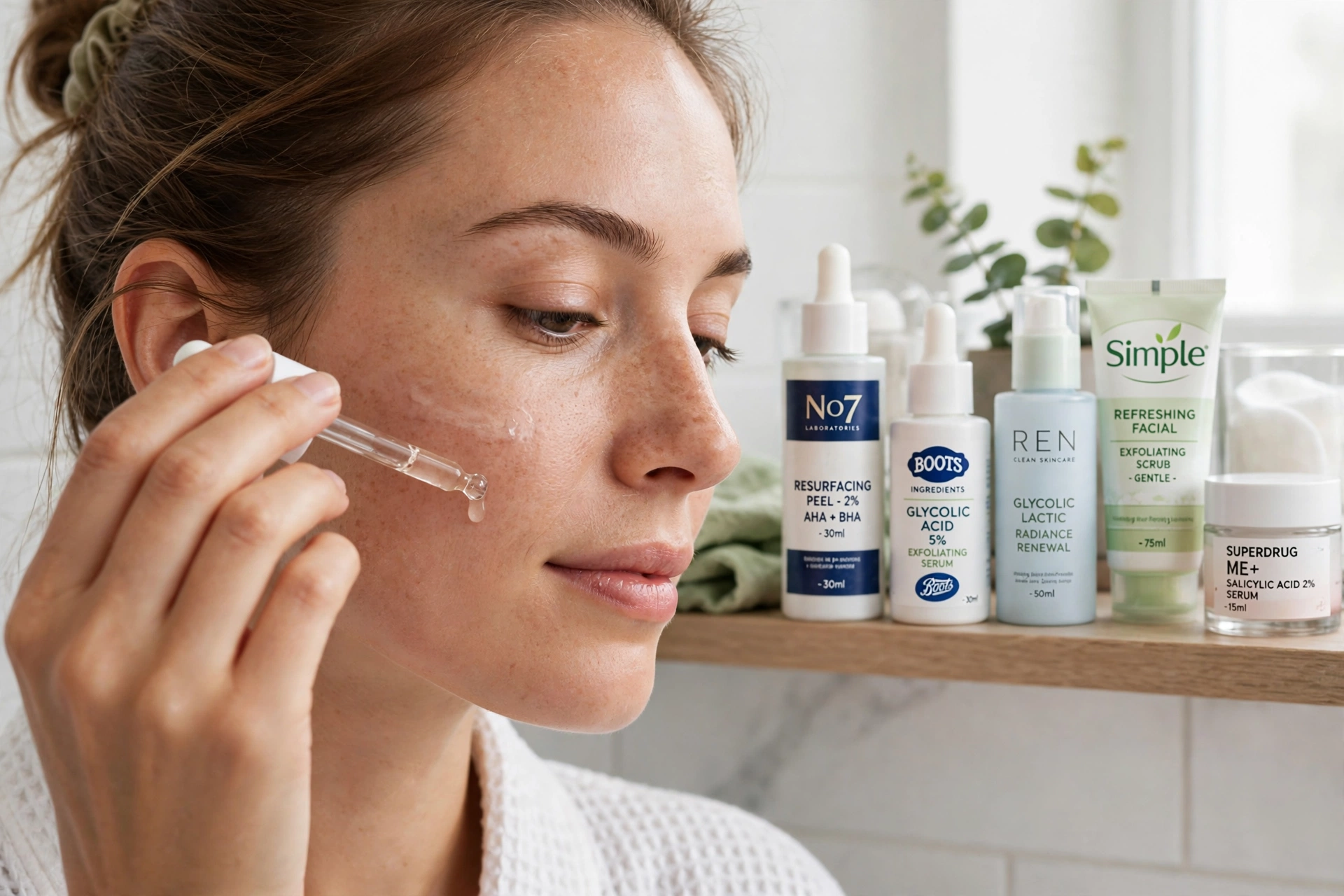
Struggling with stubborn under-skin bumps? This UK guide explains what closed comedones are, what causes them and the routine that clears them.
Read More arrow_forward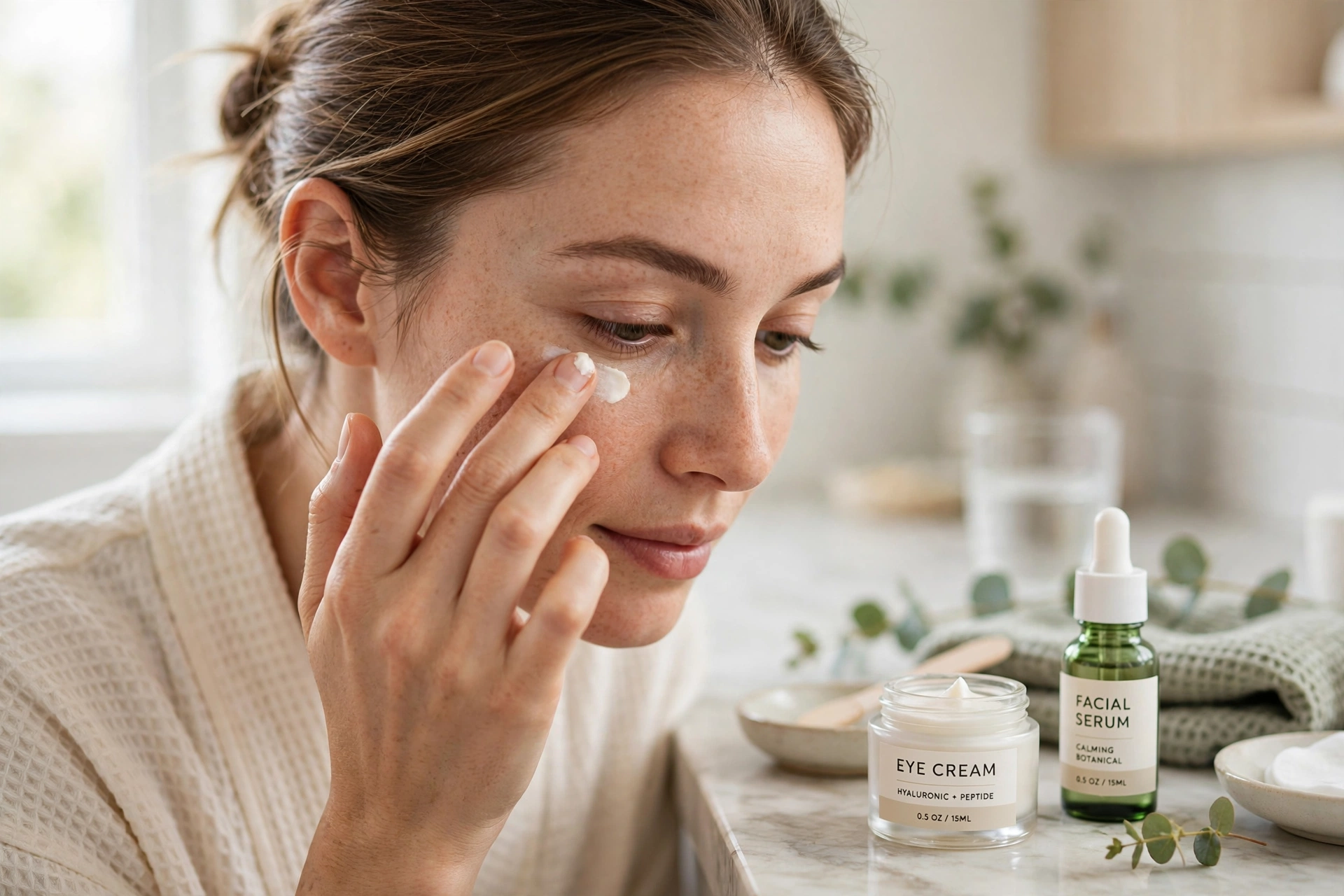
Learn how to get rid of milia around eyes safely in the UK — gentle at-home care, professional removal costs, prevention and when to see a GP.
Read More arrow_forward
Winter skincare for sensitive skin UK: routines, barrier repair and rosacea tips for cold weather, with UK product picks from Boots, Superdrug and Cult Beauty.
Read More arrow_forward
How to treat acne scars UK — at-home options, professional treatments, costs and timelines for fading marks and smoothing scars, explained step by step.
Read More arrow_forwardCalculate your Body Mass Index (BMI) in seconds. BMI is a quick screening number…
Use now arrow_forwardFind your daily calorie needs based on your age, sex, height, weight and activit…
Use now arrow_forwardFind how much water you should drink each day, in litres and glasses, based on y…
Use now arrow_forward